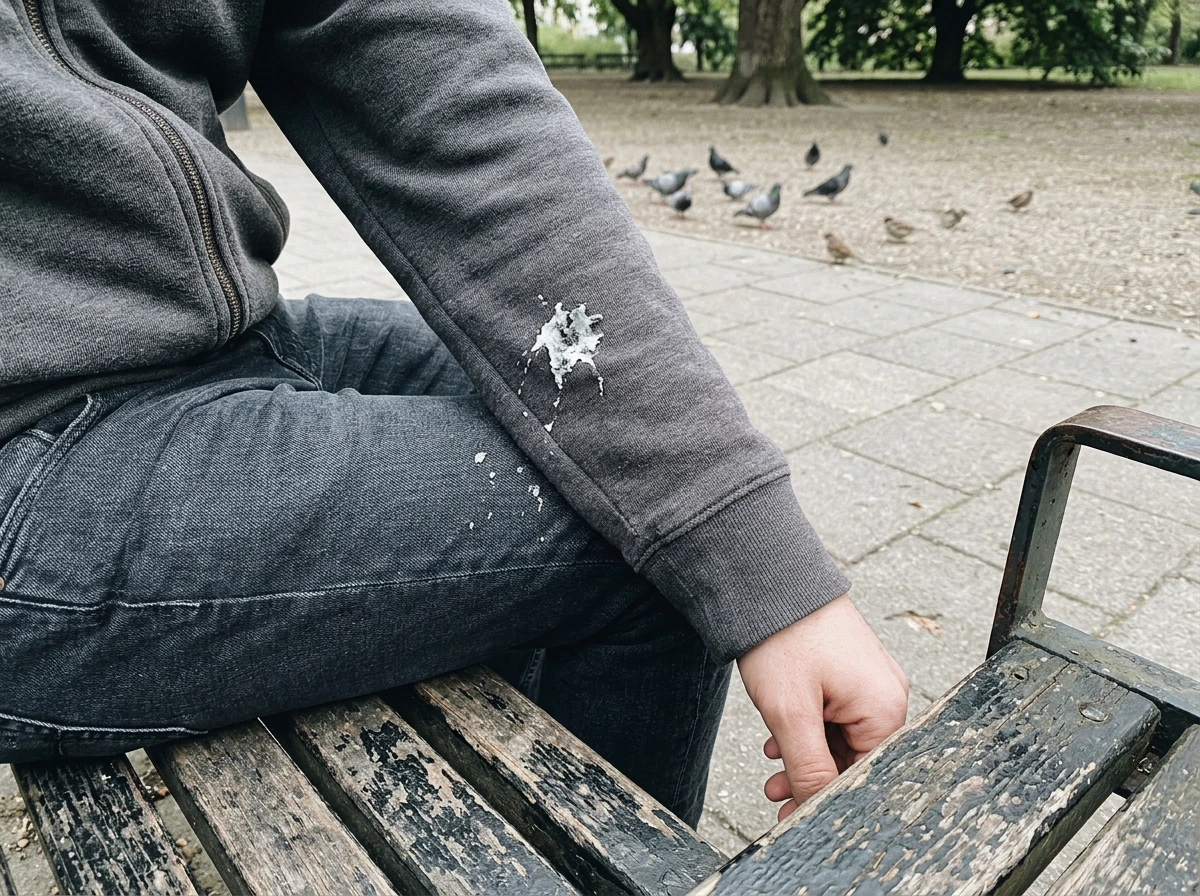
A bird just pooped on your head. Before you reach for a deeper meaning, let's be clear about what actually happened: a nearby bird used a convenient perch (you) as a bathroom, the way birds do dozens of times a day. That's the realistic, non-mystical answer. But because you're here, you probably also want to know what folklore and cultural tradition say about it, and that's a legitimate question too. This guide covers both: the immediate practical steps to clean up safely, and the symbolic interpretations people across cultures have attached to this surprisingly common event.
Bird Droppings on Head Meaning: What It Really Means

Marcus Holloway
22 Mar 2026
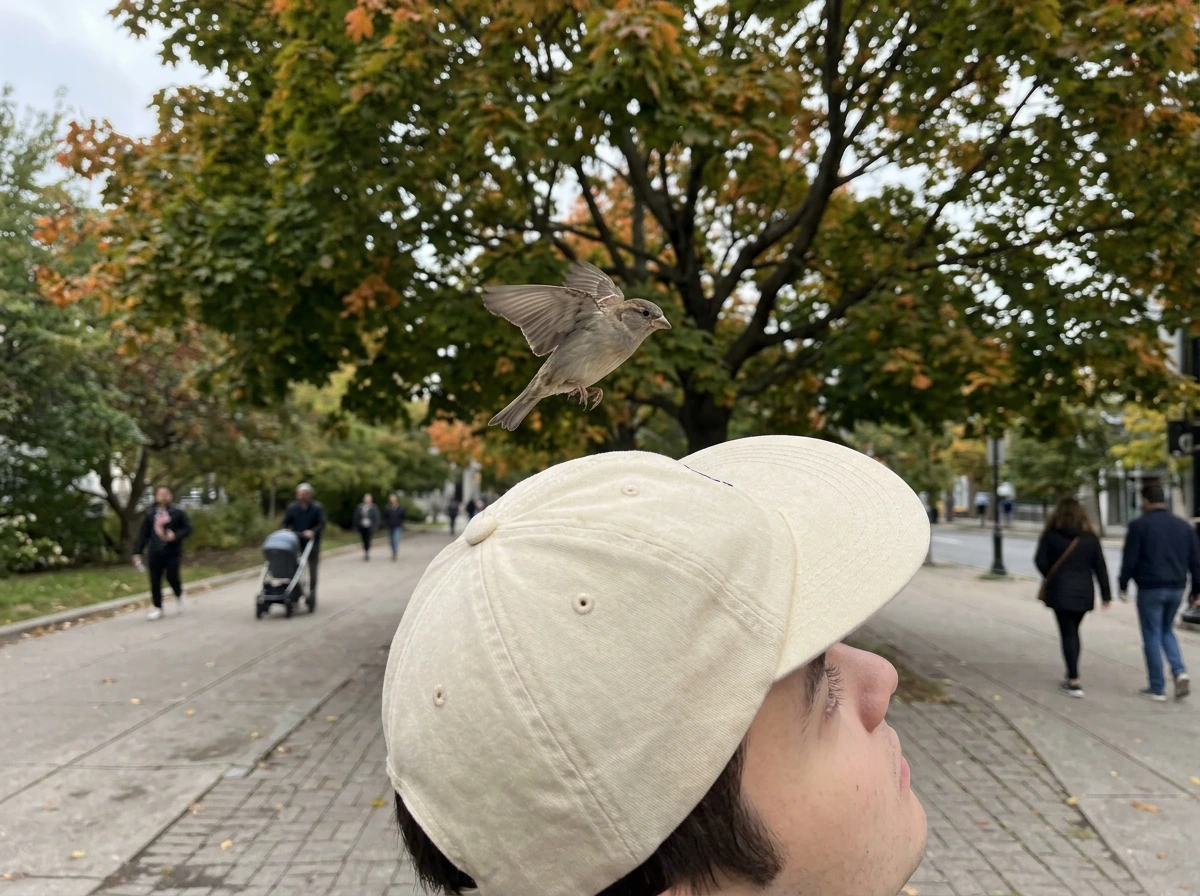
What it actually means when a bird poops on your head
Practically speaking, it means you were in the wrong place at the wrong time under a bird. Birds have no bladder, they excrete liquid and solid waste together, frequently, with no warning. If you were standing under a tree, a ledge, a wire, or an eave where birds roost, you were simply in the drop zone. There's no targeting, no message from nature, and no personal selection happening on the bird's end.
That said, the phrase 'bird droppings on head meaning' reflects a very human instinct: we look for significance in unexpected events, especially ones that feel pointed or unusual. That's why, even if you were looking for the bird poop on me meaning, most interpretations ultimately connect back to the same head-droppings folklore pattern. That said, the phrase 'bird droppings on head meaning' reflects a very human instinct: we look for significance in unexpected events, especially ones that feel pointed or unusual. That's why this particular encounter has attracted more folklore than most.
The short version of what folklore says: in many Western and Eastern traditions, being pooped on by a bird, especially on the head, is considered a sign of good luck, incoming wealth, or a message that something is about to shift in your favor. It's counterintuitive, but the discomfort of the event is part of the symbolism: something unpleasant arrives, and something good follows. More on the specifics below.
Clean up first, here's exactly what to do right now

Bird droppings can carry pathogens including Histoplasma (a fungal spore linked to histoplasmosis), Chlamydia psittaci (which causes psittacosis, a respiratory illness), and in some contexts avian influenza. A single fresh splatter on your head is a low-risk event compared to, say, cleaning out a large roosting area, but you still want to handle cleanup correctly and not make it worse.
If it got in your eyes
Flush your eyes with clean running water immediately and thoroughly. This is the highest-priority step if there's any chance droppings contacted your eyes or mucous membranes. Don't rub, rinse. If irritation persists or you develop redness, pain, or vision changes, see a doctor. That's not an overreaction; it's the right call.
For skin and hair
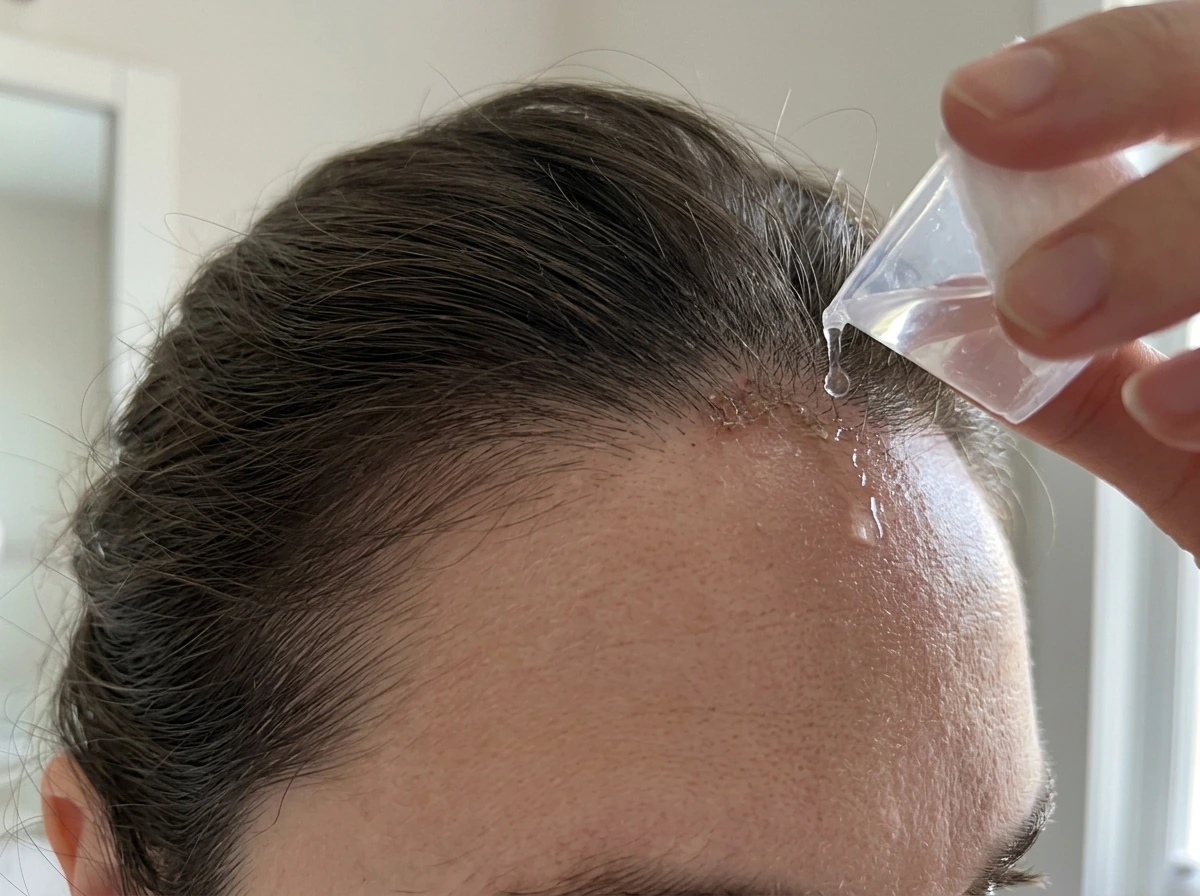
- Don't wipe or rub the droppings dry — this can spread material and, if it starts to dry, aerosolize particles.
- Use water to wet the area first before attempting to remove anything. A damp cloth or rinsing under running water works well.
- Wash the affected skin thoroughly with soap and running water. The CDC recommends soap-and-water washing after any contact with bird droppings.
- Wash your hair with shampoo as you normally would — rinsing first to wet everything before lathering.
- Wash your hands thoroughly afterward, even if you didn't touch the droppings directly.
- If clothing was hit, rinse and launder it. Don't shake it dry over yourself.
What to avoid
- Don't use dry wiping or dry brushing if the droppings have already started to crust — this aerosolizes the material, which is how pathogens like Histoplasma spores and psittacosis dust get inhaled.
- Don't pick at dried droppings with bare hands.
- Don't panic, but also don't dismiss it entirely if you're immunocompromised, elderly, or dealing with a health condition that lowers your immunity — those groups face a higher risk from any exposure.
For most healthy adults, a single fresh dropping that gets rinsed off promptly carries minimal infection risk. But if you develop respiratory symptoms (cough, fever, chest tightness) in the days following a more significant exposure, especially if you disturbed a large accumulation of old droppings, that's worth mentioning to a doctor. Psittacosis in particular can look like many other respiratory illnesses, and clinicians don't always think to ask about bird exposure unless you tell them.
The symbolism of birds and the head in cultural meaning-making

Birds occupy a unique position in almost every symbolic tradition. They move between earth and sky, they appear and disappear without warning, and they've historically been read as messengers, between the living and the divine, between the conscious and the unconscious. In ancient Rome, augury (the practice of reading omens from bird behavior) was a formal institution. In Norse tradition, Odin's ravens Huginn and Muninn (Thought and Memory) were literal emissaries bringing information from the world below. Across Indigenous American, West African, East Asian, and Celtic traditions, birds carry messages, presage change, or mark transitions.
The head carries its own symbolic weight. In many traditions, it represents the seat of the mind, identity, spirit, and will. It's where thought originates, where perception lives. When something unexpected lands on your head, something from the sky, delivered by a creature associated with messages, it tends to be read as a moment of contact: something from 'above' reaching your thinking self. That's the interpretive framework behind most of the folklore around bird droppings on the head specifically.
Whether you personally give that symbolic weight any credence is entirely up to you. The point here isn't to prescribe a spiritual reading, it's to explain why this particular event has attracted consistent meaning-making across otherwise very different cultures.
Folklore and superstitions: what people have believed about getting pooped on
The dominant folk interpretation in Western, Russian, Turkish, and many East Asian traditions is that bird poop on a person, and especially on the head, signals incoming good luck or financial fortune. The logic, where it's articulated, often involves the rarity and unpleasantness of the event: you suffered a small indignity, and fortune compensates. Some versions frame it as a 'cleansing', the dropping washes away something that was blocking your path.
Russian folk tradition is particularly explicit on this point: being struck by bird droppings is widely considered one of the more reliable good-luck omens. Italian and Turkish superstitions carry similar interpretations. In parts of Hindu tradition, the event is read as a blessing or a sign of prosperity arriving soon, partly because birds are associated with divine messengers in that tradition. bird poop on car meaning islam
Not all traditions read it positively. In some Northern European folklore, being targeted by certain birds (corvids in particular) carries murkier associations, more about disruption or transition than outright good fortune. Context matters in folklore: the same event can be read differently depending on the bird involved, the time of day, what you were doing at the moment, and what happened in the days that followed. (If you're curious specifically about the luck angle, the broader discussion of bird poop as a luck omen is covered in related content on this site.)
There's also a cleansing or renewal thread that runs through several traditions: the dropping represents release, and what follows is a fresh start. Some spiritual practitioners describe the event as the bird 'marking' you for a period of change. That's a more spiritually specific interpretation, and one worth knowing exists even if you don't hold it yourself.
Does it matter which bird did it, what color the droppings were, or exactly where it landed?
In folklore, yes, details have historically been used to refine interpretations. In practical reality, the details mostly affect cleanup difficulty rather than omen significance. Here's how to think about each factor.
Bird species
Species-based interpretations exist in folklore, though they vary widely by region and tradition. Being struck by a swallow (associated with good fortune and safe return in many European and Asian traditions) tends to be read more positively than, say, a crow or magpie. In European folklore, a single magpie is already considered an ill-luck omen in some traditions, one that requires a specific greeting to ward off misfortune. So a magpie adding a dropping to your head on top of that encounter might land differently in a folklore reading than a sparrow doing the same thing. That said, very few formal symbolic systems assign specific meaning to every possible species-dropping combination. Most popular interpretation stays at the level of 'bird poop = good luck sign' without drilling into species.
Droppings color
Bird droppings vary in color based on what the bird has been eating, berries, insects, seeds, and carrion all produce different pigmentation. Some folklore sources attempt to assign color meanings (white for purity or luck, dark for warning, etc.), but these interpretations are not grounded in any consistent cultural tradition and appear to be modern folk-creative additions rather than documented historical symbolism. From a health standpoint, color can help you identify what you're dealing with: dark or reddish droppings may indicate the bird has been eating berries, while very white droppings are typically uric acid-heavy. Neither color is more or less of a health risk than the other in a typical single-incident scenario.
Where exactly it landed
| Landing Spot | Folklore Interpretation | Practical Notes |
|---|---|---|
| Top of head / hair | Most common variant cited for 'strong good luck'; the head as seat of mind makes this the 'highest-value' hit in symbolic terms | Hardest to clean from hair; rinse thoroughly with water before shampooing |
| Face | Less commonly interpreted on its own; some traditions read face as 'visibility' — a coming change others will notice | Rinse immediately with water; flush eyes if any contact occurred |
| Left shoulder | Specifically cited in some Slavic and Western folk traditions as a luck variant; left side often associated with receiving rather than giving | Standard skin wash with soap and water |
| Hat or head covering | Sometimes read as 'protected' luck — the omen came to you but was buffered | Easiest cleanup; hand-wash or launder the item |
| Right shoulder / arm | Less specific folklore; often folded into the general 'being struck = luck' interpretation | Standard skin wash with soap and water |
If you're looking specifically at the left shoulder variant, that particular interpretation has its own thread of superstition that's worth exploring separately, it's a nuanced regional variant, not a universal rule.
When it keeps happening, what to do beyond the symbolism
One incident is coincidence. If birds are consistently targeting you or a specific spot you frequent, your car, your front step, a bench you sit on regularly, that's a roosting and habitat problem, not a string of messages. One incident is coincidence. If birds are consistently targeting you or a specific spot you frequent, your car, your front step, a bench you sit on regularly, that's a roosting and habitat problem, not a string of messages. Birds return to locations where they feel safe: covered ledges, dense tree canopy, structural overhangs, utility wires over walkways. If you're repeatedly getting hit in the same place, the birds have a regular perch directly above you. Look up where the birds are roosting on your car or nearby structures to address the “<a data-article-id="7C9C5EB5-1E69-42A5-9E9E-E10AAE38160E">bird pooping on car meaning</a>” situation realistically. bird pooping on car meaning. bird pooping on car meaning
Reducing your personal exposure
- Move your regular sitting or standing spot away from known roosting areas — check overhead before you settle anywhere birds congregate.
- Wear a hat in areas with heavy bird activity, especially under large trees or near building ledges where pigeons, starlings, or sparrows roost.
- Avoid standing under utility wires where birds line up — this is one of the most reliable drop zones.
- Pay attention to what's above you in parking structures, outdoor markets, and covered walkways.
For property owners with a recurring bird problem
If birds are roosting on your building or in a specific area and the droppings are accumulating, that moves from a personal inconvenience into a legitimate maintenance and health issue. Large accumulations of bird droppings are the real risk scenario for histoplasmosis and psittacosis, not a single fresh splatter. The CDC and NIOSH both note that disturbing large dried accumulations (through dry sweeping, scraping, or vacuuming without precautions) can aerosolize spores and contaminated dust, which is how serious infections occur. For large accumulations, professional hazardous-waste cleanup is sometimes the right call.
For prevention, physical deterrents are the most effective long-term approach. Bird spikes, porcupine wire, and exclusion netting prevent birds from landing and roosting on ledges, eaves, and structural features. These are standard tools in pest-control and building-maintenance practice. They work best when installed before birds establish a strong roosting habit, relocating an established flock takes more effort and consistency. Netting over specific areas (like a frequently hit patio or entryway) can be highly effective and is worth considering if the problem is ongoing.
The symbolic traditions around birds and their droppings are genuinely interesting, and there's real cultural history behind the good-luck associations. But if you're getting hit regularly, the most useful thing you can do is look up, literally, and figure out where the birds are roosting, then address that. Folklore gives you a frame for a single surprising event. Repeated events call for practical problem-solving.
FAQ
If bird droppings get on my face or near my eyes, what should I do first?
It matters whether it touched eyes, nose, mouth, or broken skin. If it did, prioritize rinsing those areas with running water right away, then wash the rest with soap and water. If it was only on hair or scalp, thorough washing is usually enough, and you can treat it as a low-risk single incident.
How should I clean my head and hair after bird droppings land there?
For a one-off splatter, avoid harsh scrubbing that can irritate skin. Wash gently with soap and warm water, then use a clean towel to pat dry. If it’s in hair, you can shampoo normally, consider an extra rinse, and keep the towel and clothing separated until laundered.
Is it safe to wipe up bird droppings myself, or are there situations where I should hire someone?
Yes. Fresh droppings can be wiped off surfaces, but dried accumulations should not be dry-swept, scraped, or vacuumed casually because that can aerosolize contaminated dust. If you are clearing a visible buildup on a ledge, roof edge, or balcony, consider professional cleanup or at least use wet methods and appropriate protection.
Should I leave bird droppings on until later, or clean immediately?
Covering it does not make it safer. The droppings can continue to dry and flake, increasing the chance of contaminated dust contacting skin or getting into the air. If you must cover briefly to finish what you’re doing, do it only temporarily, then clean as soon as practical with proper washing.
How can I tell whether it was just bad luck versus something I need to fix at my house or car?
Folklore varies, but the practical rule is frequency. If it happened once, it’s usually a coincidence related to being under a roost. If you get hit repeatedly, treat it as a roosting and habitat problem and look for the birds’ landing or roost point above the spot.
Does the bird species change the meaning, and does it change the health precautions?
Bird species can change how people interpret the omen, but for health and cleanup it does not change the main risk from contamination and aerosols. What you should pay attention to is whether there is a large buildup (higher risk) versus a single fresh splatter (lower risk), and whether droplets got near your eyes or mucous membranes.
Do color meanings (white, dark, red) matter, and do they indicate a different health risk?
Color-based symbolism is not reliably documented across cultures, and modern “color meanings” are often speculation. For the real-world decision, color can help you identify what type of droppings you’re dealing with for cleanup, but it does not usually change the standard safety steps after a single incident.
What symptoms should make me contact a doctor after bird droppings exposure?
If symptoms appear, tell the clinician about the bird exposure and timing. Seek care promptly if you develop fever, worsening cough, chest tightness, shortness of breath, or significant eye or skin irritation after an exposure involving dried droppings or disturbing a lot of buildup.
If I believe in the luck meaning, what should I still do practically to prevent it from happening again?
You can keep the symbolic side private if you want, but if you want to test the “luck” angle, the most grounded way is to separate meaning from action. One event needs cleanup. Repeated events need prevention, like addressing roost points, installing deterrents, or using exclusion netting where appropriate.
What’s the best way to find the source perch when a car or patio keeps getting hit?
Yes. If birds keep pooping on the same area like a car windshield, porch, or bench, check for a perch directly above it such as a wire, roof edge, tree branch, or ledge. Cleaning alone won’t solve it, because the birds will return if the perch and shelter remain unchanged.
Next Article
Bird Poop on Me Meaning: What It Usually Signifies and What to Do
Bird poop on me meaning by body spot and folklore, plus safe cleaning and what to do right now.