When you see a bird perched somewhere, it almost always means something completely ordinary is happening: the bird is resting, scanning for food or predators, singing to defend territory, or pausing mid-migration to refuel. The same idea applies when you’re trying to figure out what a bird crop meaning might be in a specific context perched. That's the honest, grounded answer.
Bird Perches Meaning: What It Signals and How to Interpret

Marcus Holloway
25 Apr 2026
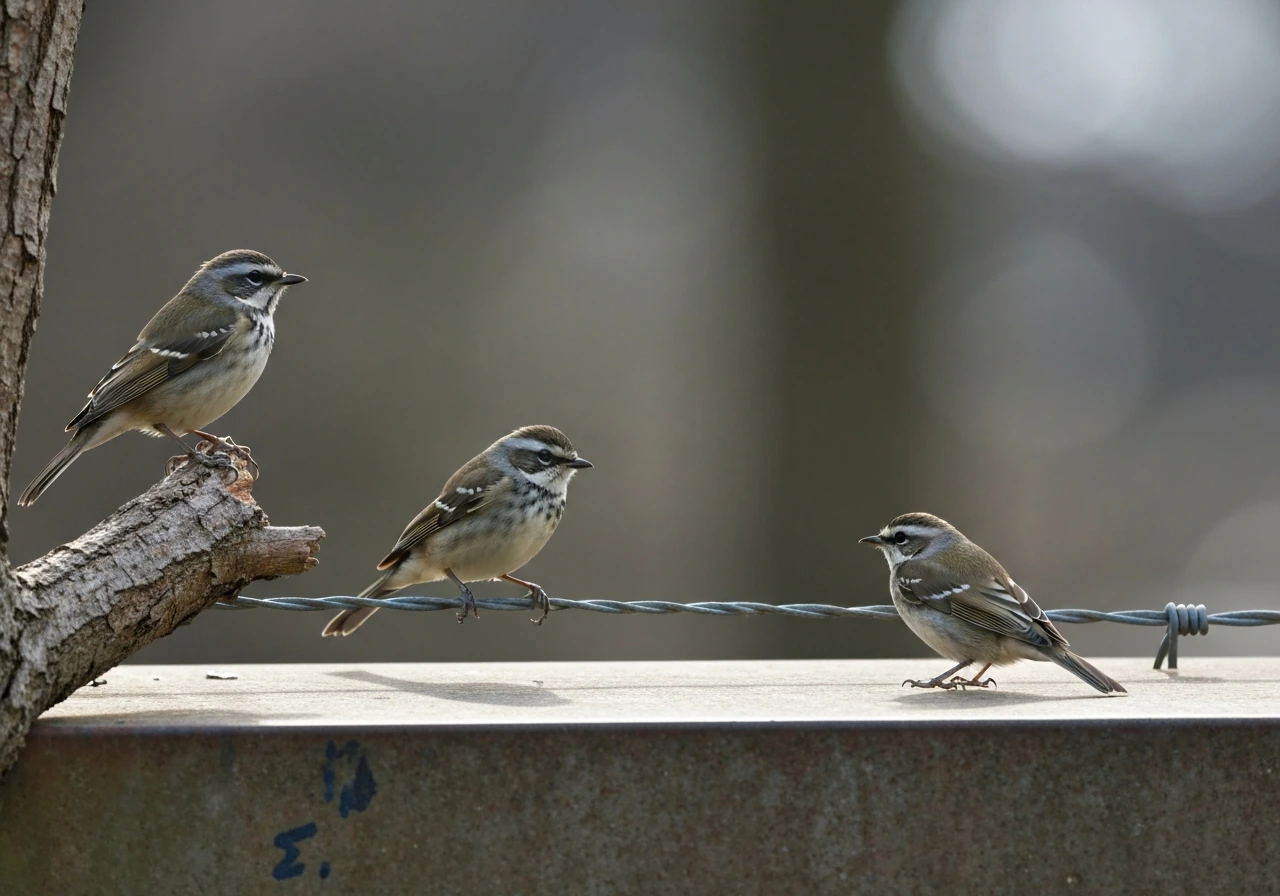
The cultural side, where people read perched birds as messengers, omens, or spiritual signs, is a separate layer that you can explore without pretending it replaces the biology. Both things can be true at once: a bird on your windowsill is probably just a bird looking for a good vantage point, and it's also a moment that humans across cultures have found meaningful for thousands of years.
What 'bird perching' actually means
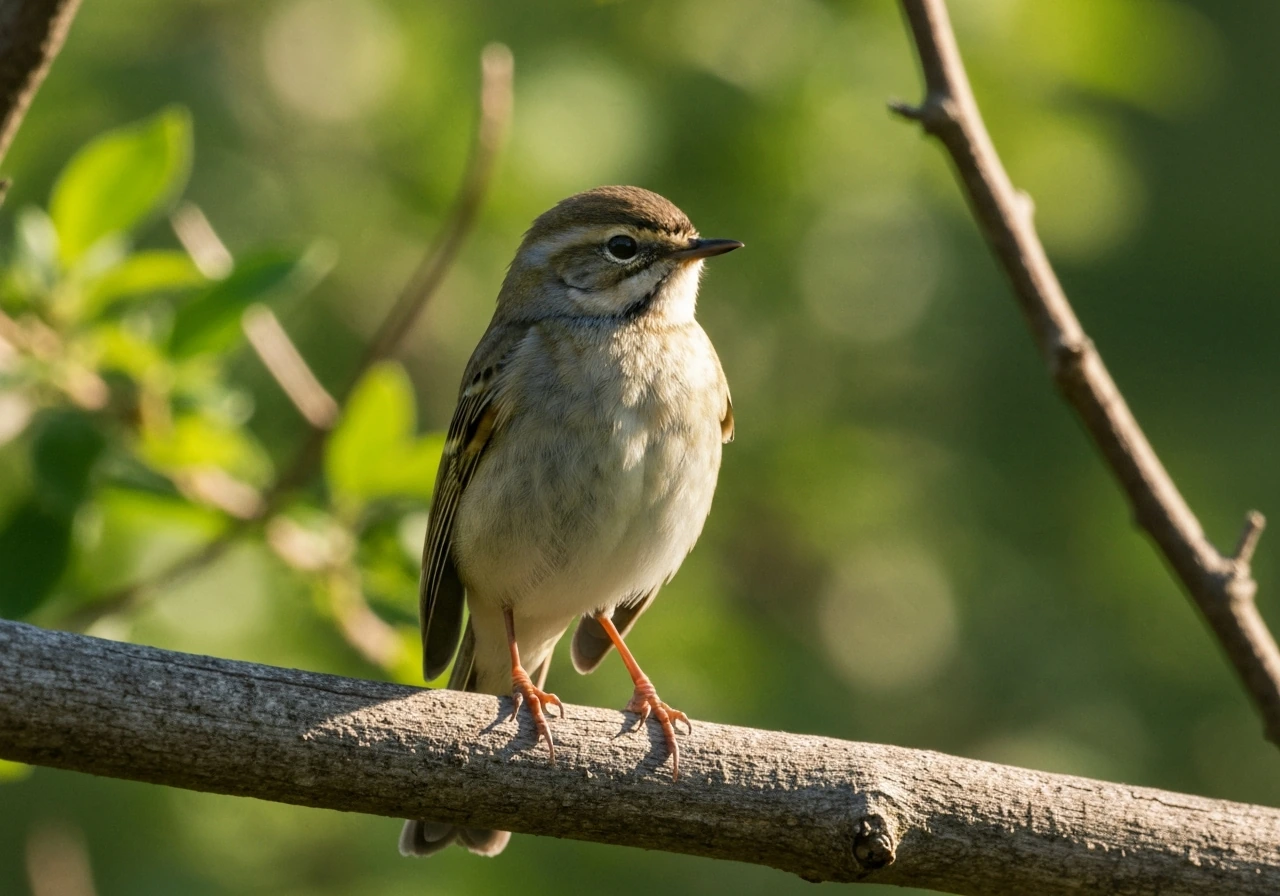
Perching, in plain ornithological terms, is any stationary behavior where a bird rests upright on a branch, ledge, wire, fence post, or similar surface. Behavioral ethograms (the formal catalogs researchers use to define animal actions) classify it as a distinct state: the bird is not moving, not feeding, and often either resting or scanning its environment. There's even a specific subcategory called 'Stand/Lay and Observe,' which describes a bird that's stationary but actively looking around. So 'perched' doesn't mean 'doing nothing.' It usually means the bird is conserving energy while staying alert.
The word also carries a broader taxonomic meaning. 'Perching birds' (the order Passeriformes) is the largest group of birds in the world, covering sparrows, warblers, robins, crows, finches, and hundreds of other species. Their feet are anatomically built for gripping branches, with three toes forward and one back, a design that actually locks tighter the more weight the bird puts on it. So when you see a small bird sitting on a branch, its foot anatomy is literally engineered for that moment.
Why birds perch: the real behavioral reasons
There's rarely just one reason a bird picks a particular spot. Perch selection is surprisingly strategic. Research has shown that birds weigh factors like visibility, exposure to predators, and social signaling when choosing where to sit, and that dominant individuals in some species (pigeons, for example) consistently claim higher perches. Here are the main functional reasons a bird ends up where it does.
- Resting and thermoregulation: Birds have high metabolic rates and need to rest frequently. Perching in sunlight can help with warmth; perching in shade reduces overheating. It's basic energy management.
- Surveying for food or predators: An elevated perch gives a bird a wider field of view. Many species use fence posts, treetops, or sign posts specifically as 'watch posts' before dropping to the ground to forage. Research on predatory birds confirms that perch height and design directly affect how much scanning activity they perform.
- Singing and territory: Songbirds almost always sing from prominent perches. A higher, more exposed spot projects the song farther and signals dominance. Studies on passerines show birds adjust how much time they spend singing versus staying vigilant depending on how exposed the perch makes them to predators.
- Courtship: Perching is a core part of courtship displays in many species. A male bird singing from a visible perch is advertising himself to females and warning off rivals simultaneously.
- Migration stopovers: During migration, birds stop at 'refueling stations' after crossing large ecological barriers. A bird you've never seen in your yard before, sitting still and looking a little rough, may simply be a migrant catching its breath and rebuilding fat reserves before the next leg of its journey.
- Predator avoidance: Paradoxically, a perched bird near cover is often managing predation risk. Birds typically flee to nearby vegetation when a predator appears, so a bird sitting at the edge of a shrub or hedgerow is often positioned to escape quickly.
- Preening and feather maintenance: Many perched birds are actively grooming. Preening keeps feathers waterproof, aligned, and free of parasites. A bird sitting quietly and working through its feathers is doing essential self-maintenance, not waiting for anything.
The key takeaway here is that perching is a multi-purpose behavior, not a single signal. The same physical posture can mean resting, hunting, courting, or communicating depending on the species, time of day, and context.
What a perched bird can symbolize across cultures
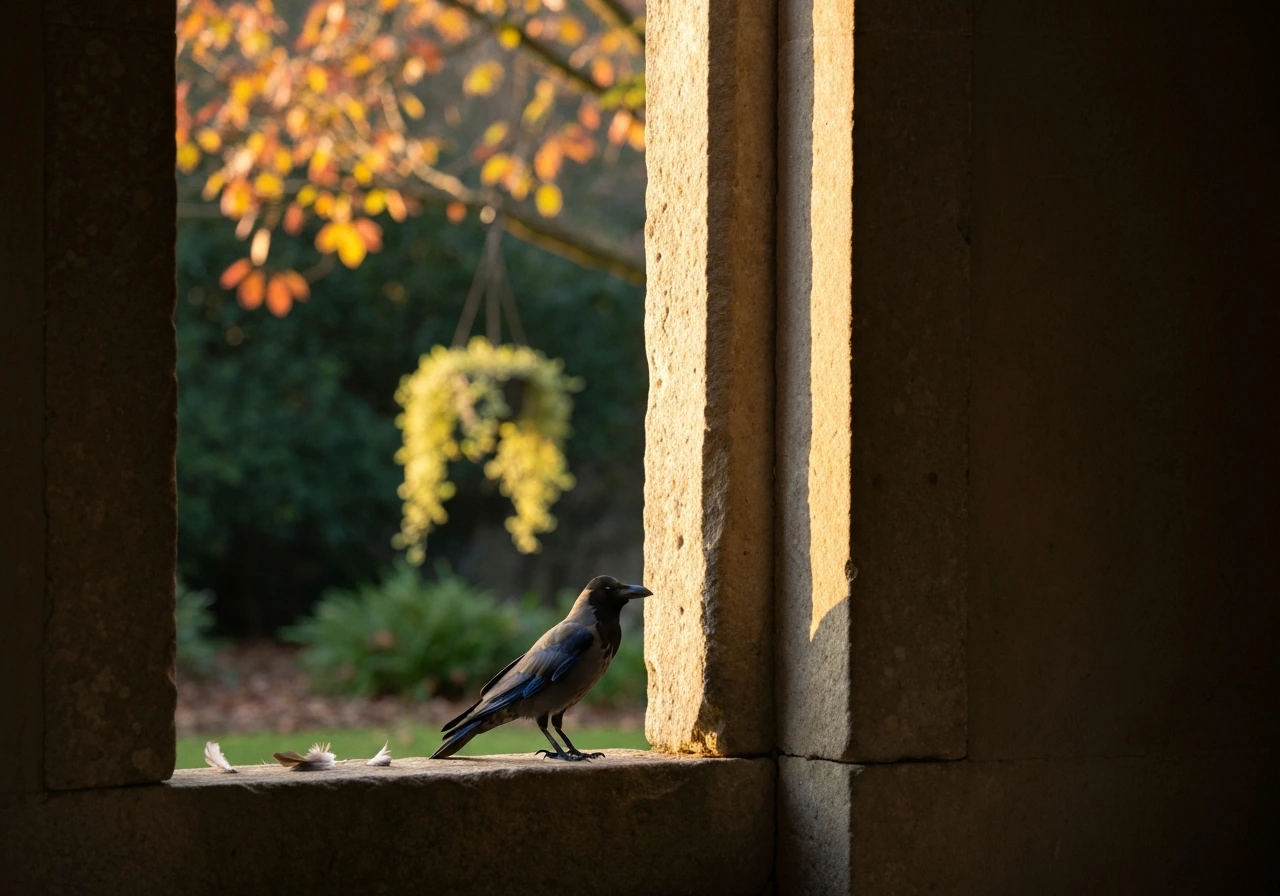
Across a wide range of cultures and traditions, a bird choosing to land near you or perch in an unusual place has been interpreted as meaningful. The most common symbolic themes attached to perched birds are: messages from the spirit world or from the deceased, a call to pause and pay attention, readiness and potential (since a perched bird can take flight at any moment), and protection or watchfulness. The idea of birds as messengers is ancient and nearly universal, appearing in Norse mythology (Odin's ravens), Native American traditions, Celtic folklore, and classical Greco-Roman augury, where the flight and perching patterns of birds were literally used to make political decisions.
Species matter enormously in these cultural readings. A crow or raven perching near you carries very different symbolic weight than a dove or a robin, depending on the tradition you're drawing from. Ravens are associated with prophecy, transformation, and sometimes death in Northern European and Indigenous American traditions, while doves are almost universally linked to peace and divine communication. Owls perching near a home have been read as warnings of death in some cultures and as wisdom and protection in others. None of these readings are scientifically verifiable, but they are genuinely ancient and culturally rich, and they say a great deal about how humans have related to birds across history.
A perched bird in spiritual interpretations often represents a moment of stillness and awareness. Because a perched bird is poised between rest and flight, it's frequently used as a symbol of being present but ready, grounded but not stuck. If you're drawn to the symbolic side of a sighting, that's a legitimate interpretive tradition with deep roots. Just hold it alongside the natural explanation rather than instead of it.
How to interpret your specific sighting
The most useful thing you can do is slow down and notice the details. Four variables will tell you the most about what's actually happening and, if you want it, what cultural symbolism might apply. If you are wondering about bird seed meaning, it helps to connect the cultural interpretation to what the bird is actually doing and why it chose that perch cultural symbolism.
Species
Identifying the bird is step one. A large raptor perched on a fence post is almost certainly scanning for prey. A small warbler sitting low in a shrub is probably resting during migration or foraging nearby. A hummingbird perching (yes, they do perch) is usually guarding a feeding territory. If you don't recognize the species, photograph it and run it through a free app like Merlin Bird ID from the Cornell Lab of Ornithology. Knowing the species immediately narrows down which behavioral explanations are most likely, and if you're interested in symbolism, it tells you which cultural traditions are relevant.
Location and perch height
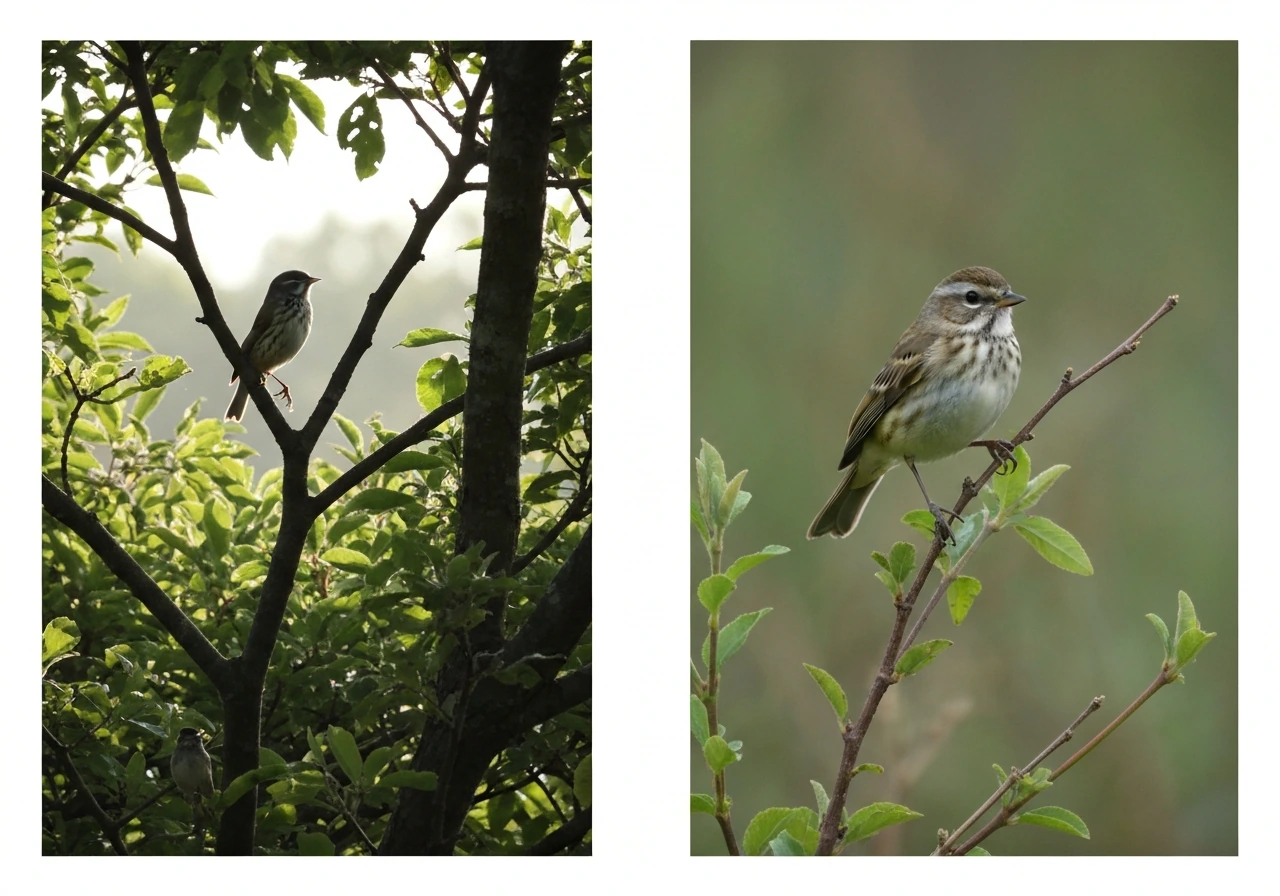
Where a bird chooses to perch is meaningful in behavioral terms. A bird on the highest branch of a tree is more likely singing or scanning than resting. A bird perched at the edge of vegetation is probably managing predation risk. A bird on the ground that looks like it's 'perching' on a low surface may be a juvenile, a ground-nesting species, or (potentially) an injured bird. Proximity to your home is interesting but not automatically significant: many species are simply adapted to human structures and use them as convenient perch points the same way they'd use a dead tree branch.
Time of day
Dawn is prime territory-singing time, so a bird perching and vocalizing in the early morning is almost certainly doing that. Midday perching in summer often means thermoregulation, the bird is avoiding heat. Dusk perching near roost sites means the bird is preparing to sleep. A bird perched and motionless in the middle of the day during spring or fall could be a migrant in low-energy stopover mode. Time of year matters too: spring sightings lean toward courtship and territory; fall sightings lean toward migration and pre-roost behavior.
Behavior while perched
Watch what the bird is actually doing. Singing means territory or courtship. Preening means self-maintenance. Head-turning and scanning means predator watch or foraging survey.
Puffed feathers and stillness can mean rest, but in warm weather it can also be a sign of illness. A bird that lets you approach much closer than normal is a red flag: healthy wild birds maintain a 'flight initiation distance' and will leave before you get too close. If a bird is sitting on the ground, not moving, and tolerating your approach, it may be injured or sick.
If you suspect an injured or orphaned bird, birding communities on Reddit emphasize contacting a wildlife rehabber and avoiding offering food or water unless an expert instructs you injured or sick. Audubon recommends not giving food or water to a sick or injured raptor and instead transporting it to a wildlife rehabilitator [If a bird is sitting on the ground, not moving, and tolerating your approach, it may be injured or sick.
](https://www. audubon. org/cbop/get-involved/how-help-sick-or-injured-raptor). American Bird Conservancy notes that birds struck by glass can suffer severe injuries such as concussions and internal bleeding and may still die after flying away [If a bird is sitting on the ground, not moving, and tolerating your approach, it may be injured or sick.
](https://abcbirds. org/strategies/getting-clear-on-birds-and-glass/).
| What you observe | Most likely natural explanation | Common symbolic reading |
|---|---|---|
| Bird singing from treetop at dawn | Territory defense or courtship display | Communication, assertiveness, new beginnings |
| Small bird preening on a branch | Feather maintenance, normal self-care | Cleansing, preparation, attention to detail |
| Unfamiliar bird sitting still in your yard | Migration stopover, resting and refueling | Transience, messages from afar, spiritual visit |
| Raptor perched on fence post, watching ground | Hunting survey | Watchfulness, focus, predatory awareness |
| Bird perched near your window repeatedly | Sees territory reflection, responding to it | Message, persistence, spiritual contact (varies by tradition) |
| Bird sitting on ground, not moving | Possible injury, juvenile, or ground-nesting species | Vulnerability, grounding (use caution; check for injury) |
Common myths and misunderstandings worth clearing up
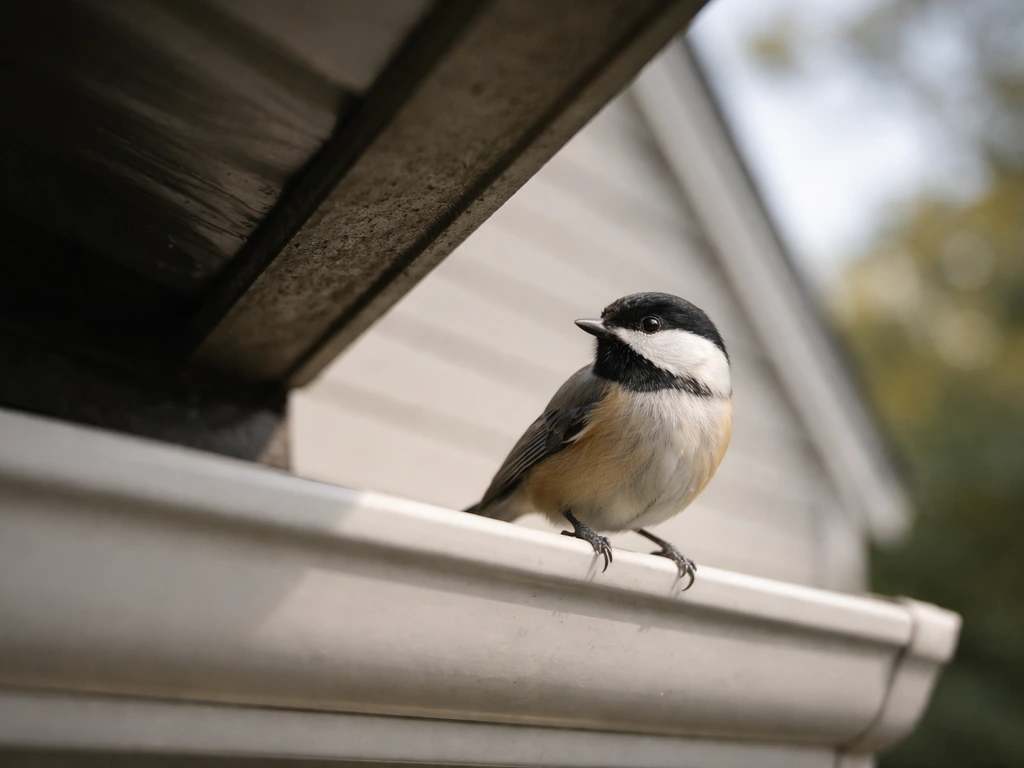
A few persistent misreadings come up whenever people start interpreting bird behavior, and they're worth addressing directly.
- Myth: A bird perching near your home is always an omen. Reality: Birds use human structures constantly because they mimic natural perch features: height, stability, good sightlines. Your roof is a great hawk perch. Your fence is a sparrow's territorial post. Most of the time, your home is just useful infrastructure to them.
- Myth: A bird tapping or returning to your window repeatedly is trying to send you a message. Reality: It's almost certainly seeing its own reflection and treating it as a territorial rival. This is especially common in spring when hormones are high. It's one of the more disruptive bird behaviors, not a spiritual signal.
- Myth: If a bird flies away after hitting a window, it's fine. Reality: American Bird Conservancy and Audubon both flag this clearly. A bird can fly off after a window collision and still die later from concussion or internal bleeding. 'It flew away' is not the same as 'it's okay.'
- Myth: A perched bird that looks still and calm is meditating or waiting to deliver a message. Reality: It might be exhausted from migration, sick, or thermoregulating. Behavioral context matters far more than stillness alone.
- Myth: You should feed or give water to a bird that seems to be sitting unusually still. Reality: Multiple wildlife rehab organizations explicitly say not to offer food or water without expert guidance. It can cause more harm than the original issue.
- Myth: All perching birds are 'Passeriformes.' Reality: Many non-passerine birds perch too, including raptors, kingfishers, and hummingbirds. 'Perching birds' as a common name specifically refers to Passeriformes, but perching as a behavior is universal across bird families.
What to do when you see a perched bird today
If a perched bird caught your attention and you want to make the most of the moment, here's a practical approach that works whether your interest is naturalist, spiritual, or just curious.
- Stay still and observe for at least 60 seconds before moving closer. Birds reveal their behavior quickly if you don't spook them. Watch for singing, scanning, preening, or unusual stillness.
- Note the species if you can, or photograph it for later ID. The species alone will tell you a lot about what's likely happening and what symbolic traditions, if any, are associated with it.
- Record the details mentally or in a notebook: location (tree, ground, fence, your window), height of perch, time of day, weather, and what the bird was doing. These details matter both for naturalist interpretation and for any spiritual reading you want to apply.
- Check for injury signs before doing anything else. If the bird is on the ground, not moving, and tolerating your approach closer than a few feet, it may be hurt. Do not pick it up immediately. Place something like a cardboard box over it to contain it gently, keep it dark and quiet, and contact a licensed wildlife rehabilitator. Do not offer food or water.
- If it's a window-strike situation (bird hit your glass and is sitting stunned nearby), place it in a well-ventilated dark box and wait. If it doesn't recover and fly away within an hour, call a wildlife rehabber. Even if it flies away, watch for erratic flight, which can indicate injury.
- If the bird is healthy and you're interested in the symbolic dimension, take a few minutes with it. What species is it? What tradition, if any, do you draw on? What does the timing mean to you personally? The cultural meaning of a perched bird is something you construct from real context, not something that arrives pre-labeled.
- Consider keeping a simple log of unusual or repeated sightings. Pattern recognition over time is more meaningful than a single sighting, both scientifically (tracking migration patterns or territory use) and personally.
One thing worth knowing if you're exploring this topic more broadly: perching is just one piece of a larger set of bird behaviors that people find meaningful. The bird's relationship to food, its habitat choices, and even the specific materials it interacts with (seed, suet, water) all factor into how you read a sighting. Bird suet meaning is similar: the bird's behavior around suet usually points to its foraging needs and the type of food available.
If the bird seems to be responding to bird feed, the bird feed meaning can shift from general foraging to cues about what’s in your feeder. If you’re trying to understand bird seed meaning, the bird’s diet and feeder context are the best clues bird feed meaning. Understanding what draws a bird to a specific spot, including what it finds there to eat or drink, gives you a much richer interpretive frame than any single moment of stillness.
A perched bird is one of the most common things in the natural world, and also one of the most watched. That tension, between the ordinary and the significant, is probably why it's captured human attention for so long. You don't have to choose between the biology and the meaning. You just have to look carefully at both.
FAQ
Does bird perches meaning change if the bird is motionless?
Yes, but perching is species and context dependent. Many birds can rest upright on a surface without singing or feeding, while some “non-perch” species may look stationary when they are actually brooding, crouching, or hiding. If the bird stays upright with alert posture and head movements, that fits perching or scanning, but if it is flattened or repeatedly blinking and doesn’t respond normally to disturbance, treat it as possible illness or injury.
If a bird perches near my window or feeder, does that mean something different?
Look for what surrounds the bird. A perched bird near an active feeder, suet cage, or birdbath is more likely responding to food or safety than giving a special message. If you also notice seed husks, frequent visits by other birds, or repeated short departures, it strongly points to foraging and vigilance rather than symbolism.
How can I tell if a perched bird is just young, not “sending a sign”?
Age and health can skew the usual read. Juveniles often perch low, make less consistent scanning movements, and may appear “stuck” because they are learning flight or using a safer microhabitat. If the bird is very fluffed, breathing heavily, has drooping wings, or shows trouble righting itself, prioritize welfare over interpretation.
What weather factors should I consider when interpreting a perched bird?
Time of day and season help, but weather is a key missing clue. Birds may perch longer during calm, clear conditions to watch for predators, but after rain or in strong wind they often pick sheltered perches and spend more time resting or conserving energy. Sudden behavior changes that match a weather shift usually mean thermoregulation or comfort rather than a cultural “omen” pattern.
When is a perched bird actually a sign of injury or illness?
A “red flag” is not just how close it lets you get, it’s whether it shows normal fear behavior for that species and setting. If the bird repeatedly approaches you, ignores nearby threats, or stays on the ground and tolerates close approach, it may be injured, grounded by illness, or protecting a nest. In those cases, keep distance and consider contacting a local wildlife rehabilitator.
How do I know if the bird is singing or communicating versus just resting?
Some species use perches to communicate, but you can separate “communication” from “meaning” by checking for repeatable signals. Territory singing often comes with consistent perch choice, regular timing, and return trips. Courtship displays usually include tail or wing movements, specific flight patterns, or feeding behavior between individuals, not just stillness.
What are the most common mistakes people make when reading bird perches meaning?
Avoid the common mistake of treating every perched sighting as identical. Compare the posture plus the bird’s actions: perching with frequent head turns suggests scanning, perching with rhythmic bobbing and occasional sudden hops suggests foraging transitions, and perching with long periods of closed eyes or minimal movement suggests resting or sleep. The combination narrows the real behavioral state.
How should I mix spiritual interpretation with the natural explanation without overreaching?
If you want a symbolism layer, the most practical approach is to start with biology first, then choose symbolism that fits the species and your own cultural framing. A reliable decision aid is to ask, “What would explain this if I remove the supernatural layer?” If the answer is strong (migration timing, feeding nearby, roosting behavior), treat symbolism as reflective, not explanatory.
What details should I photograph or note to interpret a perched bird accurately?
Photography helps, even if you use an app. Capture the bird’s perch type (wire, fence post, tree height), approximate size, direction it faces, and whether it vocalizes or scans. Afterward, review the sequence of actions (for example, scan, sing, depart) because a single still frame can make resting look like “a message.”
Is a bird perching somewhere unusual near my home always significant?
Certain surfaces change the likelihood of perching behavior. Birds often use wires, fence posts, and roof edges for vantage and quick takeoff, so “unusual placement” can simply be convenient. If you see multiple birds using the same spot repeatedly at similar times, that is strong evidence of functional perch selection.
What does bird perches meaning on the ground usually indicate?
Yes. Some birds perch on the ground or on low stumps, and that can indicate foraging style, predation risk management, or reduced competition rather than injury. The key is responsiveness and condition: healthy birds usually move off in a typical pattern when approached, while grounded sick birds tend to show weakness, abnormal posture, or prolonged nonresponsiveness.
What’s the fastest way to reduce uncertainty when I see a perched bird I can’t identify?
If you’re unsure, use a two-step check: identify the bird first, then match its most typical behavior to the time and setting. For example, once you know it’s a raptor versus a small passerine, the likely “why” changes quickly. This is more effective than starting with symbolism because species identification narrows both behavioral and cultural interpretations.