A bird landing on you is almost always a harmless, natural event driven by curiosity, warmth-seeking, or simple accident. Most wild birds that land on a person are either habituated to humans (think park pigeons or hand-fed chickadees), briefly confused about what you are, or looking for a perch. Wash your hands if you touched the bird or it left a mess, stay calm so you don't startle it into scratching, and enjoy the moment. If you're also curious what it means symbolically or spiritually, that layer of interpretation is real and worth exploring, but it doesn't change what you should do in the next two minutes.
Bird Landing on You Meaning: Practical and Spiritual What To Do

Marcus Holloway
23 Apr 2026
What to do right now if a bird just landed on you
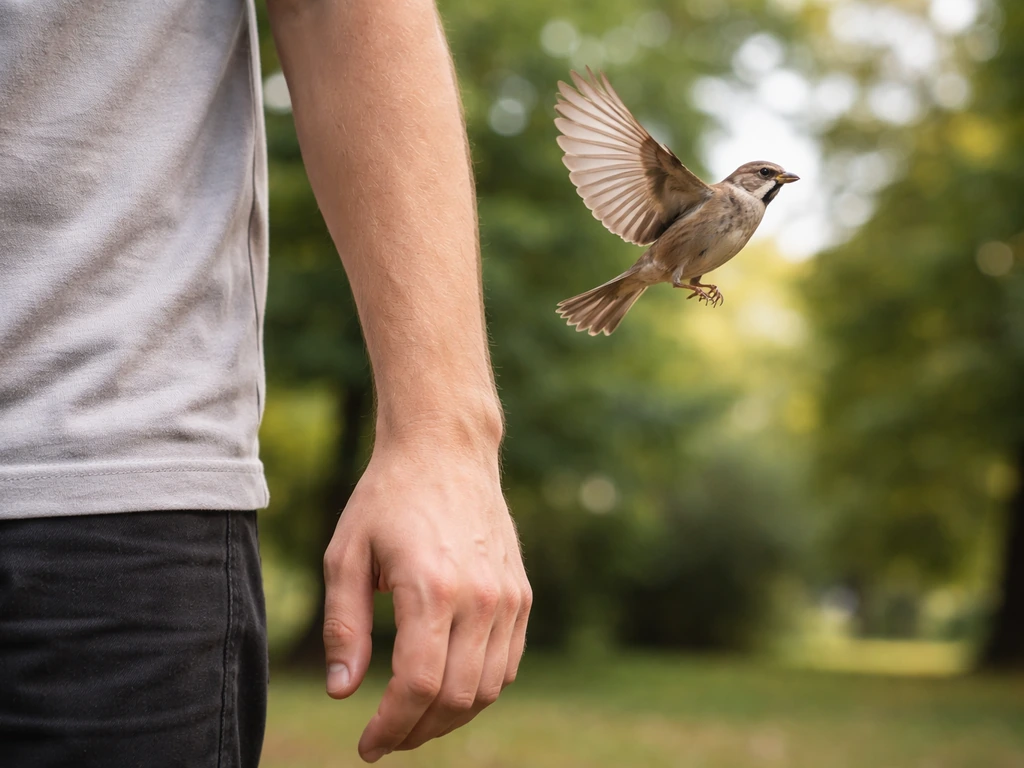
The first thing: don't panic or swat. A sudden movement can cause the bird to scratch or bite you as it scrambles to escape. Stay still for a second, let it leave on its own terms, and you'll both walk away fine. Once the bird has flown off, the practical checklist is short.
- Wash your hands with soap and water for at least 20 seconds, especially if you touched the bird directly or it landed on your head and left droppings.
- If droppings landed on your face, gently rinse with clean water and avoid touching your eyes or mouth with unwashed hands before you do.
- Do not handle the bird if it seems sick, injured, or abnormally tame (a wild bird that won't leave you alone and looks lethargic is a different situation from a healthy bird that briefly perched on your shoulder).
- If the bird was dead or visibly ill, report it to your local wildlife authority and follow dead-bird handling protocols: use gloves or a bag as a barrier, avoid bare skin contact, and wash thoroughly afterward.
- If you later develop flu-like symptoms after close contact with wild birds, mention that exposure when you seek medical attention.
For the vast majority of people, a healthy bird lands, looks around, and flies away within seconds. The hygiene steps above are common-sense precautions, not alarm bells. Droppings can carry bacteria like Salmonella and, in rare cases, pathogens associated with conditions like psittacosis, so washing your hands is always the right call, but a single brief landing is low-risk for most healthy adults. CDC notes that bird droppings in pool settings may contain germs, including Salmonella, and recommends washing hands thoroughly with soap and water.
Why birds actually land on people
Before jumping to what it means, it helps to know why it happens physically. Birds don't land on humans because they've decided to deliver a cosmic message. They land because their in-the-moment decision-making found a reason to.
Landing on your head specifically
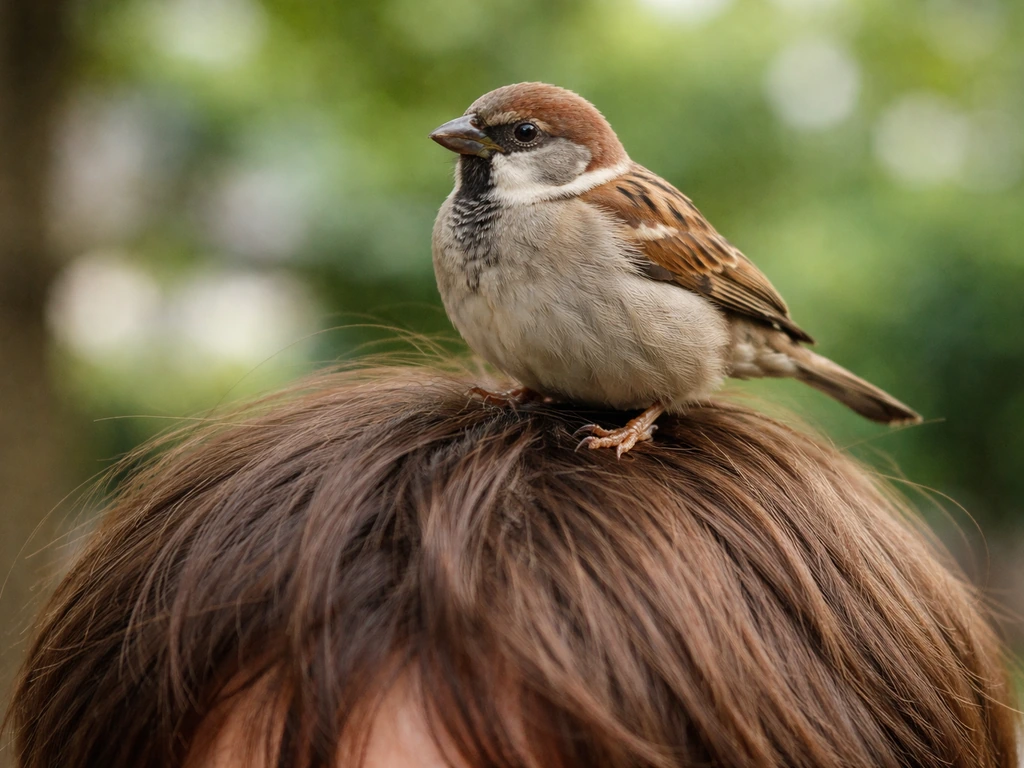
Your head is the highest point on your body, which makes it functionally similar to a fence post or a tree branch from a bird's perspective. Small birds like sparrows, wrens, and chickadees will occasionally land on a person's head when they're foraging or just need a momentary high vantage point. If you were sitting still outdoors, especially near trees or feeders, this is especially plausible. Hair can also look like nesting material or harbor insects that insectivorous birds find interesting. Birds that are comfortable around humans, ones raised around people or simply very habituated to foot traffic in parks, have a much lower threshold for landing on a person's head.
Landing on your shoulder, arm, or hand
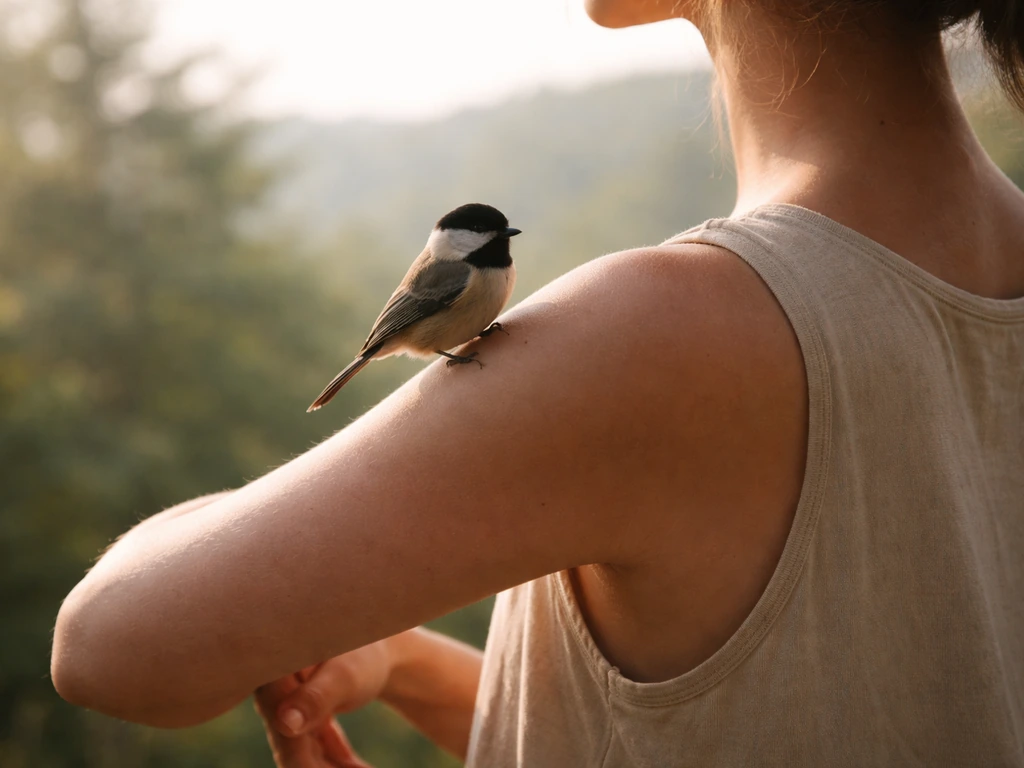
Shoulders and arms are classic perching spots for birds that associate humans with food, like hand-fed pigeons, trained falconry birds, or backyard birds used to being fed by hand. If you were eating or carrying food, any perching bird in the area is a candidate. Birds also land on people for warmth on cold days, particularly if you're wearing darker clothing that absorbs heat. A bird sitting near you (on a bench armrest, on the ground next to you, or hovering close) is doing something similar: assessing you, looking for food clues, or simply going about its day without much concern for your presence.
When the behavior is unusual
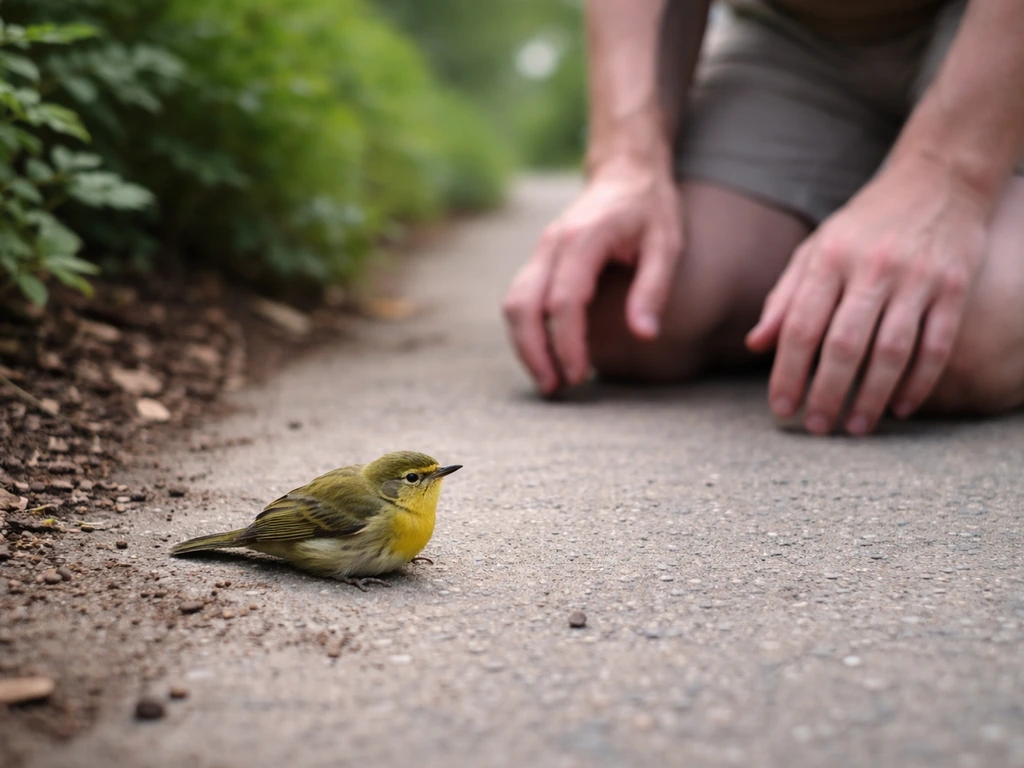
A healthy wild bird that repeatedly lands on you, won't leave, or appears disoriented is worth paying attention to. Unusual tameness in a wild bird can be a sign of illness. In that case, the practical response overrides the symbolic one: don't handle it, keep children and pets away, and contact your local wildlife rehabilitator or animal control.
What cultures and folklore say about birds landing on you
Across cultures and across centuries, birds landing on or near a person have been treated as meaningful. The specifics vary enormously, but a few threads run through most traditions: birds are messengers, they carry news from the spirit world or from the natural world, and an unusually close encounter is worth noticing. Here's how some of the major cultural frameworks interpret it.
Western and European folklore
In a lot of Western folk traditions, a bird landing on you or very near you is read as an omen, with the specific meaning heavily dependent on species. For some people, bird before land meaning is about how to interpret the bird landing as a cue for what to pay attention to before a bigger step or change omen. A robin landing close by is traditionally associated with good luck and the arrival of positive news.
A sparrow landing on you has been interpreted as a sign of domestic happiness or communal goodwill. Ravens and crows landing near you have a more ambiguous reputation in European folklore: sometimes ominous, sometimes a sign of intelligence and coming change. In Celtic traditions, birds in general were seen as soul-carriers and messengers between the living and the dead, so any unusually close encounter with a bird was treated with attention.
Native American and Indigenous traditions
Many Indigenous North American traditions view birds as spiritual guides, and different tribes assign specific meanings to specific birds. Eagle feathers are deeply sacred across many nations, and an eagle coming close to a person is treated as a significant spiritual event. Hummingbirds in several Southwestern traditions represent joy and the arrival of good energy. Broadly, an unexpected close encounter with a bird is often seen in these frameworks as a message from an ancestor or from the natural world asking you to pay attention to something in your life.
Asian traditions
In Chinese folklore, a bird landing near you or entering your home is often seen as a sign of incoming good fortune or news. Cranes, in particular, are associated with longevity, wisdom, and divine connection. In Japanese tradition, the crane carries similar symbolic weight, and unexpected encounters with them are seen as auspicious. In Hindu traditions, birds are frequently seen as vahanas (vehicles or messengers) of specific deities, and certain species landing near you can be interpreted as a message from a particular divine energy.
Spiritual meanings of a bird landing on your head
The head carries special symbolic weight in spiritual frameworks across cultures. It's associated with the mind, the crown chakra in Hindu and yogic traditions, divine connection, and higher consciousness. When a bird specifically lands on your head rather than your shoulder or the ground nearby, many spiritual interpreters treat this as more significant than a general landing.
In a broadly spiritual (non-denominational) reading, a bird landing on your head is often interpreted as a message directed specifically at your thoughts, decisions, or mental state. The idea is that whatever is happening cognitively or spiritually in your life right now is being pointed to. People who follow this kind of interpretation often treat the event as a prompt to check in with themselves: what were you thinking about just before it happened? What decisions are you sitting with? The bird's arrival is read as a nudge toward clarity or a sign that you're being guided or watched over.
In many Christian folk traditions, a bird landing on you, especially on your head, has historically been seen as a blessing or a sign of divine favor, drawing on the symbolism of the Holy Spirit appearing as a dove. The idea that a small, wild creature trusted you enough to land on you reads as a sign of spiritual alignment or grace in these frameworks.
Some people interpret a bird landing on their head as a message from a deceased loved one, particularly if the bird appears shortly after a loss or on a significant anniversary. This interpretation is very common in contemporary spiritual communities and shows up repeatedly when people search for what the experience means. It's worth knowing that this belief crosses cultural lines: a departed spirit communicating through a bird is found in African traditions, in Latin American folk belief, and in many Indigenous frameworks as well.
If you're open to these interpretations, the head-landing is worth reflecting on. If you're not, the natural explanation (your head was the highest perch available) is entirely sufficient and doesn't require further unpacking.
How species, timing, and location change the meaning
Context shapes interpretation dramatically, both in natural and symbolic terms. A crow landing on your head at a cemetery carries a different cultural weight than a chickadee landing on your shoulder at a bird feeder. Neither is more or less valid as an experience, but they invite different readings.
| Species | Common natural reason for landing | Common symbolic/cultural interpretation |
|---|---|---|
| Robin | Curious, habituated to gardeners; follows digging for worms | Good luck, new beginnings, message from a loved one |
| Crow or Raven | Highly intelligent; assessing you for food potential | Change, transformation, intelligence, or (in some traditions) warning |
| Sparrow | Highly social; comfortable near people | Community, joy, domestic happiness, humility |
| Hummingbird | Attracted to bright colors; may mistake clothing for flowers | Joy, love, resilience, positive energy incoming |
| Pigeon or Dove | Very habituated to humans; food-seeking | Peace, spiritual blessing, messages of love or hope |
| Hawk or Eagle | Rare; territorial or disoriented if it lands on you | Power, vision, spiritual authority, ancestral message |
| Owl (rare daytime landing) | Usually disoriented or injured if approachable in daylight | Wisdom, transition, the unseen; treat with caution practically |
Timing matters too. A bird landing on you at sunrise is often symbolically read as a message about new beginnings or clarity. Dusk or twilight encounters lean toward transition or endings in many folk traditions. Season plays a role as well: a bird landing on you in spring carries different resonance than the same event in late autumn, when many traditions associate birds more closely with the spirit world as they migrate or disappear.
Location changes the picture both practically and symbolically. A bird landing near you (not on you) in a forest is simply a bird going about its day with low fear of humans. A bird that flies specifically toward you and lands on you in an open urban space is doing something more deliberate, and that's the kind of event most people remember and want to interpret. Whether you read it as chance or as meaningful is a personal call, but the details you noticed in the moment are what give any interpretation its texture.
How to actually read the message without overthinking it
If you want to take the experience further, here's a practical way to approach it that works whether you lean spiritual or skeptical. The goal is reflection, not certainty.
- Note the species if you can identify it, even broadly (small brown bird, large black bird, colorful songbird). Species gives you a starting point for both natural and symbolic context.
- Note where it landed: on your head, shoulder, hand, or simply very close to you. Proximity and landing spot matter to symbolic interpretation, and they'll matter for remembering the details later.
- Note what you were thinking about or doing when it happened. Many people find, when they reflect honestly, that an unexpected animal encounter lines up with something they were already mulling over. That's not magic, it's how attention and memory work, but it can still be useful.
- Note the time of day, season, and setting. These details give a symbolic reading its specificity instead of leaving it as a vague 'something good is coming' platitude.
- Sit with it for a day before deciding what it means to you. The interpretation that resonates on reflection is usually more useful than the first one you Google.
- Don't force a meaning. Some birds land on people because they want to. Not every encounter is a message, and you'll dilute the ones that genuinely feel significant if you treat every sparrow like a prophecy.
If you're interested in related experiences, the meaning of a bird landing on your car (another common 'was that a sign? If you want the bird lands on car meaning side of it, look at the timing and your own choices around the moment it happened. This bird in the bush meaning is another common way people try to translate these encounters bird lands on car. ' moment) follows similar interpretive logic, as does the folklore around birds as omens before a journey or major decision. The same cultural frameworks apply; what changes is the setting and what it prompts you to reflect on.
Hygiene, safety, and when to be genuinely careful

Most bird landings are medically uneventful, but there are real health considerations worth knowing, especially if the bird was sick, if droppings were involved, or if you're immunocompromised. The CDC advises that after coming into contact with wild birds, you should always wash your hands with soap and water Bird Hobbyists and Bird Flu.
The basic hygiene rules
- Wash hands with soap and water for at least 20 seconds after any direct contact with a wild bird or its droppings.
- If droppings landed on your face, rinse with clean water immediately and avoid touching your eyes, nose, or mouth with unwashed hands.
- Change and wash clothing that has droppings on it; don't handle the clothing and then prepare food.
- If a bird scratched or broke skin, clean the wound with soap and water and monitor for signs of infection.
When to take it more seriously
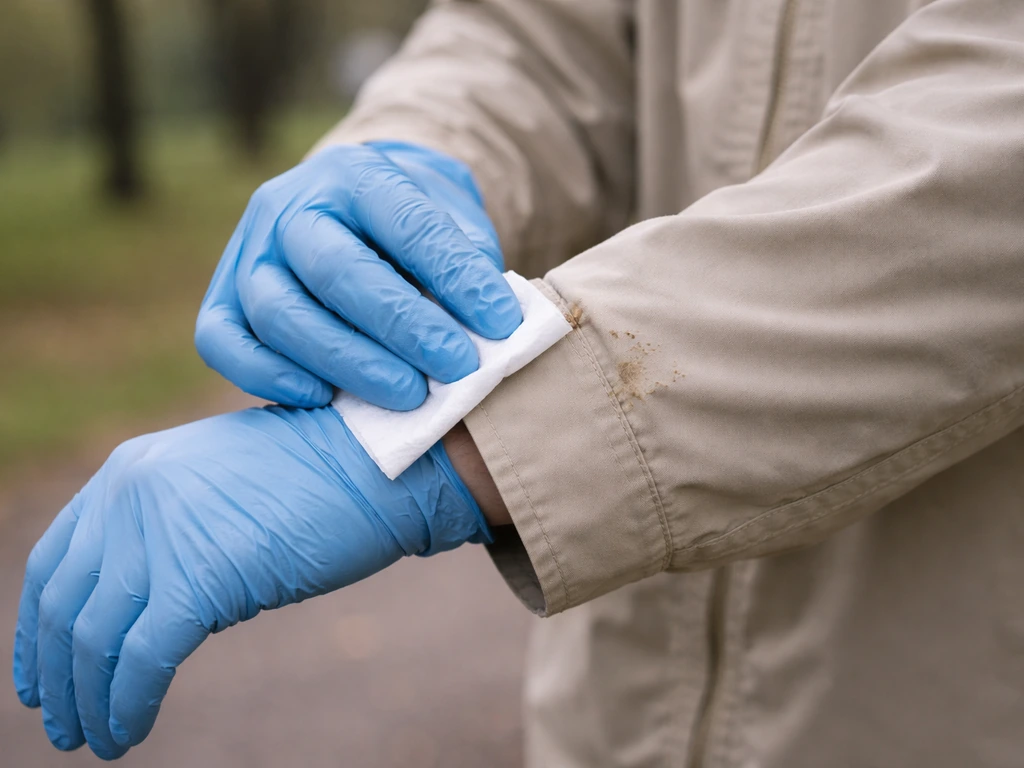
If the bird that landed on you seemed sick (lethargic, unable to fly properly, discharge from the eyes, unusual behavior), treat that contact with more caution. Avian influenza, salmonella, and psittacosis (a bacterial infection associated with certain bird species) are among the diseases that can transfer from birds to people, though transmission through brief casual contact is low-risk for healthy adults. The higher-risk scenario is extended handling of sick or dead birds with no barrier protection. If you do become ill with flu-like symptoms in the days after close contact with a wild bird, tell your doctor about the bird exposure.
Dead birds specifically warrant a different response than a live landing. Avoid bare-skin contact with any dead wild bird, use a bag or gloves as a barrier if you need to move it, and wash thoroughly afterward. Many states have dead bird reporting lines, particularly during periods of heightened disease surveillance, and it's worth calling if you find a dead bird in a place where others might handle it.
For most people, though, the bird lands, it leaves, you wash your hands, and the most lasting part of the experience is the memory of a wild creature choosing to be close to you for a moment. That's worth something, symbolically or otherwise. This is similar to how specific bird behaviors have specific names, such as what a bird sitting on eggs is called.
FAQ
What should I do if the bird lands on me but won’t leave?
If it lands and stays, first check for practical red flags. If the bird looks healthy but is just perching, stay still and let it leave, avoid sudden reaching, and keep pets and kids back. If it does not or seems uncoordinated, keeps its balance poorly, or appears exhausted, do not try to “help” by handling it, contact local wildlife rehabilitation or animal control for a safe assessment.
Is it riskier if I have a cut or broken skin when a bird lands on me?
Yes, but handle it differently depending on whether you have open cuts and the bird is healthy. If you have any broken skin, avoid touching the bird directly, rinse exposed skin with clean running water, wash with soap, and if symptoms develop or the wound was contaminated, seek medical advice. For intact skin with a brief landing, washing hands is usually the main precaution, since droppings are the typical contamination route.
How do I clean my clothes or bag if the bird leaves droppings?
Do not let the bird return to roost with anything sticky or unsafe on your clothing. If you got droppings on fabric, gently remove visible residue (paper towel), then wash the garment at the warmest water temperature the care label allows. If the bird left droppings on shoes or outdoor gear, wipe and disinfect the soles and wash laces or soft parts separately.
What if the bird scratches or bites me?
If it bites or scratches, treat it like an animal injury even if the incident was accidental. Rinse immediately under running water, wash with soap, apply an antiseptic, and monitor for infection. Because bird-related wounds can introduce bacteria, it is wise to contact a clinician promptly, especially if the skin broke, the wound is deep, or you are immunocompromised.
Should I gently brush the bird off if it lands on my shoulder or hair?
If the bird is perched on you, avoid brushing it off with your hands, towels, or an object. Brushing or swatting can trigger a scramble that leads to more scratches, and it can also smear droppings. The safest approach is to keep your posture steady, speak softly, and step away slowly once it shows signs of leaving (shifts weight, looks around, or hops).
How can I tell whether my situation is “low risk” or “needs medical attention”?
A short, single landing from a healthy wild bird is generally low risk for healthy adults, but risk increases with prolonged contact, handling, or contact with droppings, especially if you are immunocompromised. If the bird seemed ill, dead, or you ended up handling it, focus on hand hygiene after contact and mention the exposure to your clinician if you develop flu-like symptoms in the days afterward.
Is it okay to take photos or film if a bird lands on me?
You can, but do it safely. Keep your hands clean, avoid grabbing the bird, and limit any contact to changing your position so it can fly away. If you want a photo, zoom instead of stepping closer, and avoid blocking its escape route. If it shows disoriented behavior or you notice discharge or heavy fluffing, prioritize distancing over capturing images.
What should I do if a bird lands on me indoors or flies into my home?
If the encounter happened indoors, and especially if the bird entered your home, ventilate the area and keep doors/windows organized so it can exit. Do not chase it with bare hands or close-quarters obstacles. Once it leaves, clean droppings with disposable materials and wash hands thoroughly.
If I want a spiritual meaning, what’s a practical way to reflect without overinterpreting?
If you want to reflect without getting stuck, use a simple two-minute check: note what you were doing or thinking right before the landing, identify one decision you have been avoiding or one emotion you have been carrying, then choose one small next action you can take today. This turns the experience into guidance without forcing a guaranteed “meaning” that might not fit your reality.