"Bird tail meaning" typically points to one of two things: what a bird's tail actually does in real life (flight, balance, communication, courtship), or what a tail symbolizes in dream interpretation, folklore, and bird symbolism (transformation, direction, deception, vitality). Bird trunk meaning is a related symbolism question, so the specific context you saw or dreamed about matters just as much as it does for bird tail meaning. Which one applies to you depends on whether you saw a real bird doing something specific, dreamed about a tail, or stumbled across an expression. This guide covers all three so you can zero in on the answer that actually fits your situation.
Bird Tail Meaning: Natural Functions and Symbolism

Marcus Holloway
7 Jul 2026
What people usually mean by "bird tail"
When someone searches "bird tail meaning," they're usually coming from one of a few different directions, and it's worth knowing which lane you're in before diving into symbolism or ornithology.
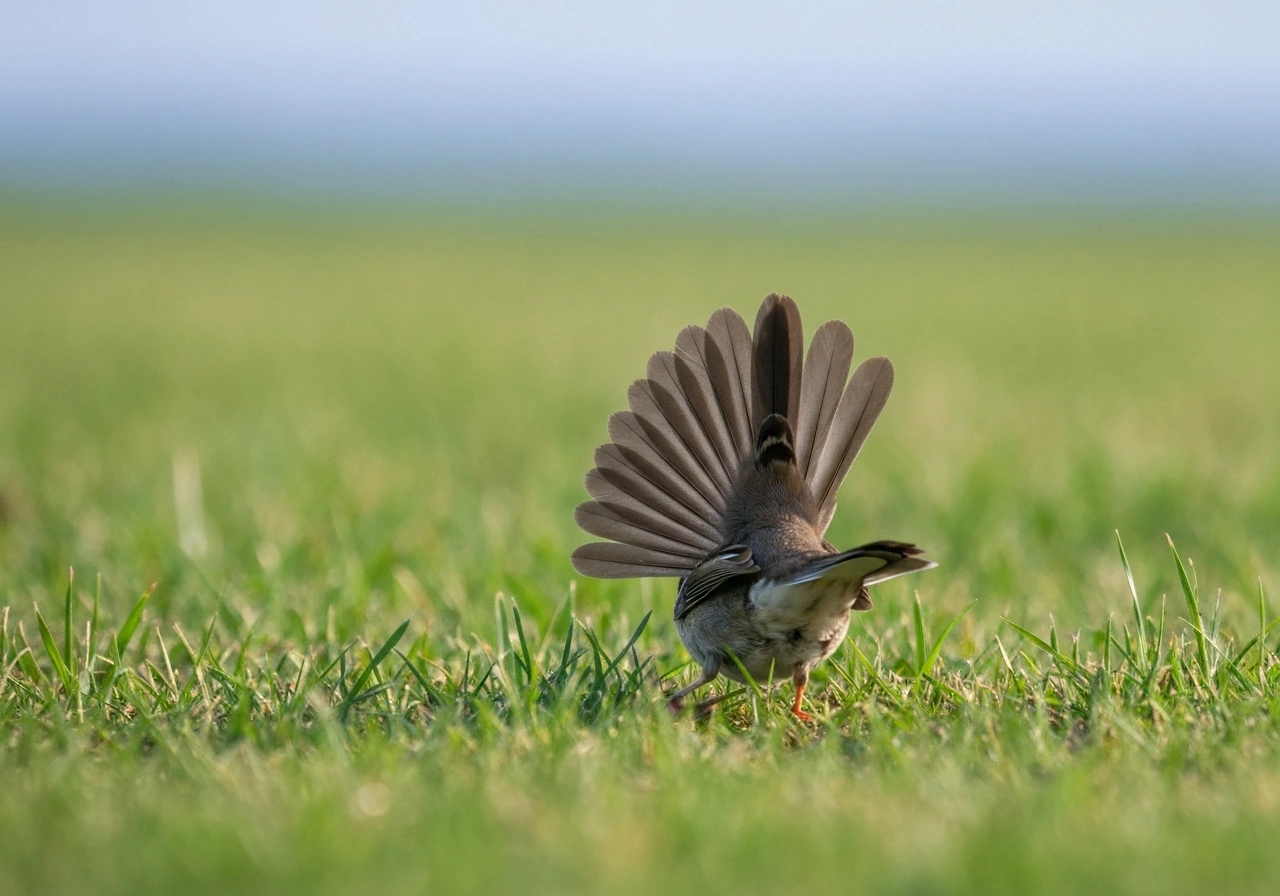
- They watched a bird doing something odd with its tail (bobbing, fanning, flicking, spreading) and want to know what the behavior signals.
- They found a tail feather and want to know if it carries any symbolic or spiritual meaning.
- They had a dream involving a bird's tail and are looking for an interpretation.
- They encountered a phrase or idiom involving the word "tail" in connection with birds and want to understand what it means culturally.
- They're new to birdwatching and want to understand why tail shape matters for identifying species.
It's also worth noting that some people searching this phrase are actually interested in the verb "tail" (as in to follow or track someone) and have stumbled onto bird imagery by accident. That connection has its own folklore thread, which we'll get to below.
Bird tail anatomy: what a tail actually does
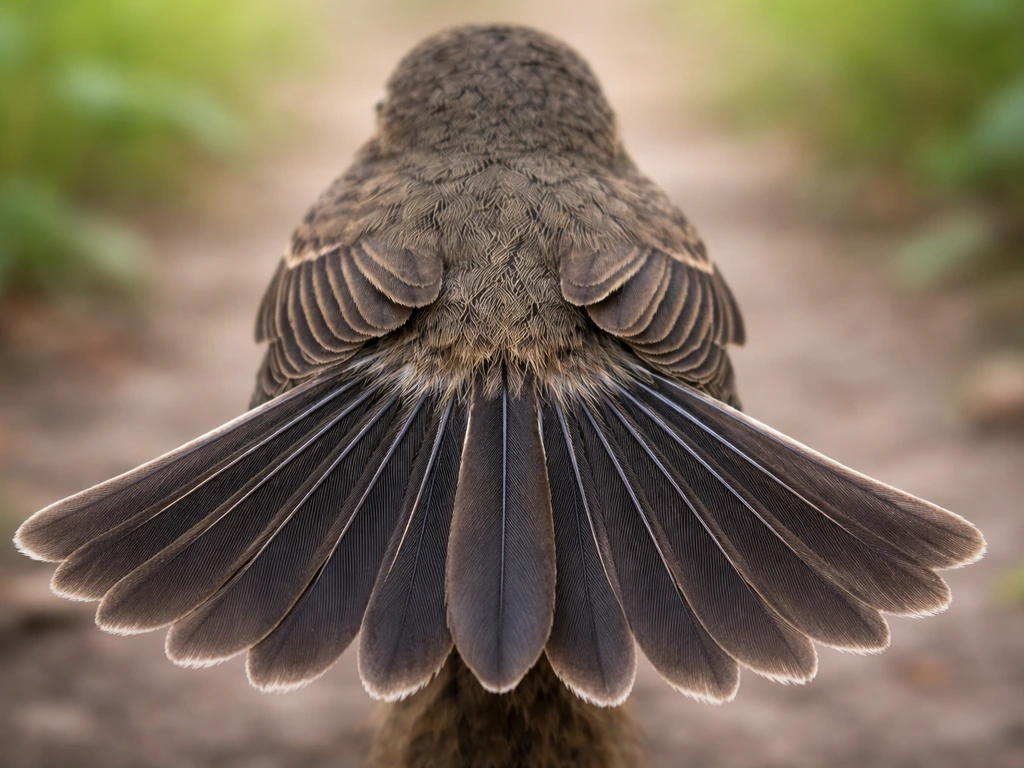
A bird's tail is made up of rectrices, which are the stiff flight feathers that fan out from the base of the tail (the pygostyle). Most birds have between 10 and 14 of these feathers, though the number varies by species. They're not decorative extras; they're structural tools that serve several critical functions.
Flight and landing control
The tail acts as a rudder and brake. When a bird comes in to land, you'll often see it pump its tail downward as part of controlling the descent. That downward pump creates drag, which slows the bird and helps it make precise adjustments mid-approach. In flight, tail spreading increases lift and maneuverability, while folding the tail reduces drag during fast, direct travel.
Balance and posture
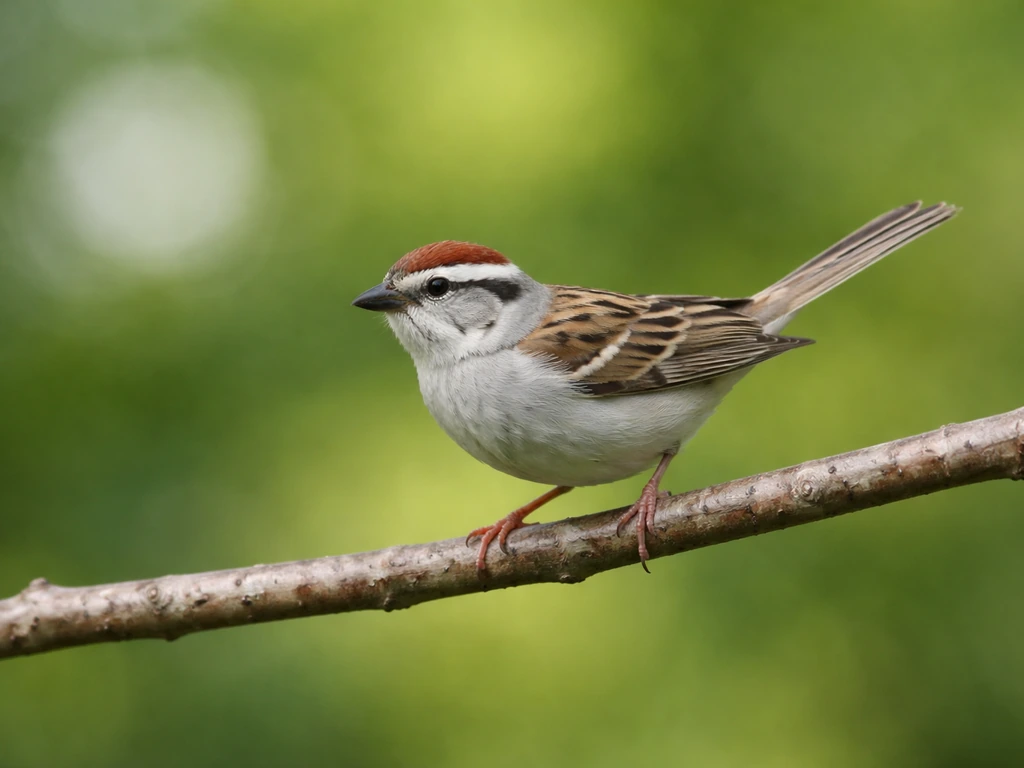
On the ground or in a perch, the tail helps a bird counterbalance its body weight. This is why you'll see some birds constantly adjusting their tail position as they shift weight or change direction. Tail bobbing in perched birds (especially species like wagtails and phoebes) often looks rhythmic and intentional because it is, though researchers still debate the full range of reasons why.
Communication and signaling
Tails communicate. Research summarized by the Sibley Guides on Black Phoebe tail pumping suggests that the behavior functions as a signal to predators, essentially advertising that the bird has spotted the threat and is alert. It's an honest signal: chasing this bird is likely a waste of effort because it knows you're there. This kind of tail movement isn't random nervousness; it's a targeted message.
Courtship displays
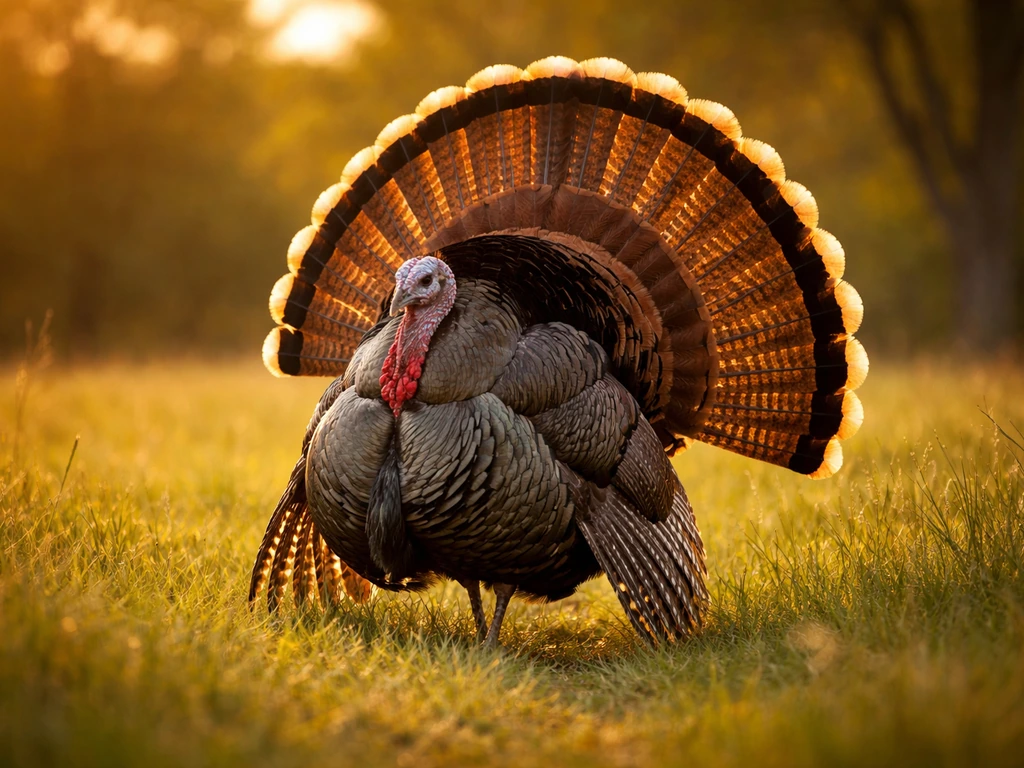
Tail displays in courtship are some of the most dramatic behaviors in the bird world. Think of the peacock's tail fan, or the way male turkeys spread and strut. But even small songbirds spread and quiver their tails during mate attraction. Tail length, symmetry, and color all function as quality indicators, signaling genetic health to potential mates.
What bird tails mean in folklore and symbolism
Across cultures, bird tails have accumulated a surprising amount of symbolic weight, often tied to the specific bird species rather than the tail alone.
Peacock tail: vision, protection, and vanity
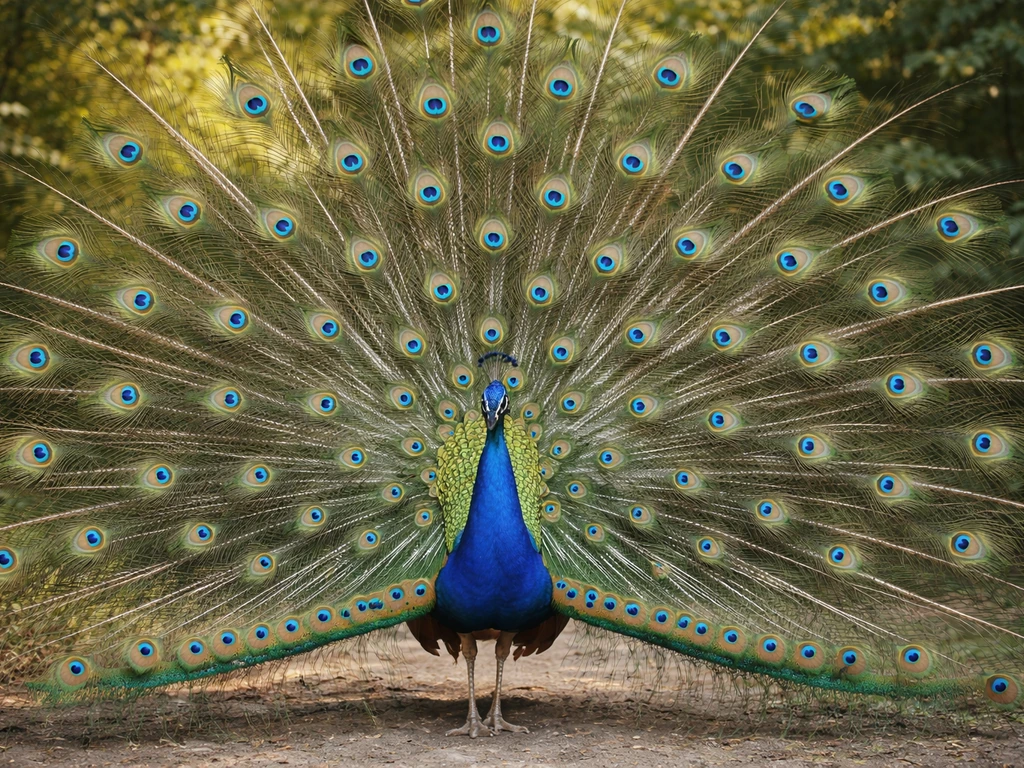
The peacock's tail, covered in eye-like patterns, is one of the most symbolically loaded images in world folklore. In Hindu tradition, the peacock tail's "eyes" represent the all-seeing divine. In European folklore, peacock feathers in the home were sometimes considered unlucky precisely because of those eyes, thought to attract the evil eye. The tail here becomes a symbol of surveillance, beauty, and the double-edged nature of visibility.
Rooster and pheasant tails: vitality and pride
Long, arching tail feathers on roosters and pheasants have long signified masculine vitality and social status in East Asian art and symbolism. In Chinese and Japanese traditions, tail feathers from pheasants are associated with bravery, good fortune in battle, and noble character. A rooster with a magnificent tail is an emblem of confidence and healthy vigor.
Forked or split tails: trickery and duality
Birds with forked tails (swallows, barn swallows, swallow-tailed kites) appear in folklore with themes of duality, quick movement, and in some traditions, good luck tied to new beginnings. The forked shape itself is interpreted in some folk traditions as a symbol of diverging paths or the ability to go two directions at once, which maps onto themes of choice and flexibility.
Tail feathers found on the ground
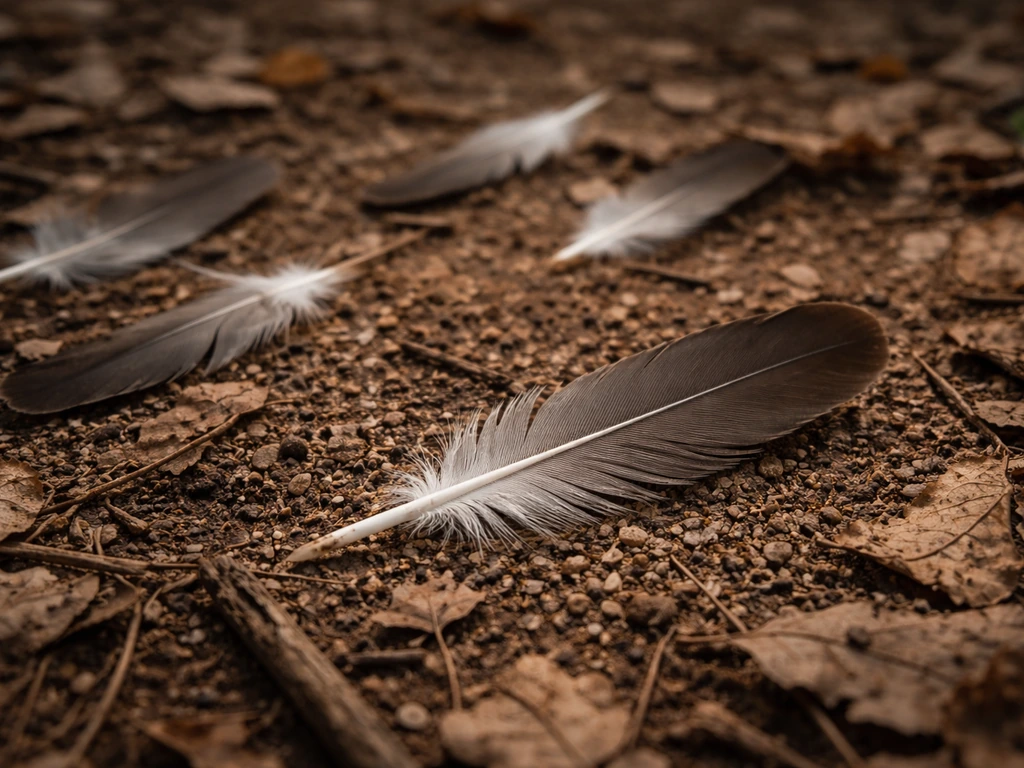
Finding a tail feather is often treated as a more significant omen than finding a body feather, because tail feathers are strongly associated with direction: where a bird has been and where it's going. In Native American traditions, eagle tail feathers in particular carry deep ceremonial significance and are associated with strength, healing, and spiritual authority. The interpretation always depends on the species, so the first step when you find a feather is identifying what kind of bird it came from.
Bird tail meaning in dreams and spiritual contexts
Dream interpretations around bird tails tend to cluster around a few consistent themes, though as always with dream symbolism, your personal associations matter as much as any general framework.
Seeing a bird fan its tail in a dream
A bird spreading or fanning its tail in a dream is often interpreted as a signal of display: something in your waking life is asking to be seen or acknowledged. It can represent pride (healthy or excessive), the desire for recognition, or an invitation to present yourself more fully. If the fanned tail is beautiful, the dream tends to be read positively. If the tail looks ragged or damaged, it may point to insecurity or the fear that your presentation isn't holding up.
A bird turning its tail to you
When a bird in a dream turns away and shows you its tail before flying off, many dream interpreters read this as avoidance, departure, or something slipping out of reach. It can also signal transition: the tail is the last thing you see as a bird leaves, so it becomes associated with endings, goodbyes, or the closing of a chapter.
A missing or broken tail in a dream
Birds with broken, missing, or damaged tails in dreams are commonly linked to themes of instability, lost direction, or vulnerability. Since the tail controls where a bird is going, a damaged tail can symbolize feeling rudderless or unsure of your path. It's worth noting that birds do sometimes lose tail feathers during molting or near-misses with predators and survive just fine, so the image doesn't have to be catastrophic.
Tail bobbing or repetitive motion in dreams
If the most vivid part of the dream was the rhythmic, repeated motion of the tail rather than the tail itself, this often gets interpreted as a signal or message trying to get your attention. Something persistent and repetitive in your waking life may need acknowledgment. This connects loosely to the real behavior: tail pumping in nature is a targeted, intentional signal, not random noise.
Idioms and slang where "bird" and "tail" collide
English has a handful of expressions that bring birds and tails together, or use "tail" in ways that occasionally get mixed up with bird symbolism.
Salting a bird's tail
This is one of the more charming pieces of English folklore. The superstition holds that if you can sprinkle salt on a bird's tail, you'll be able to catch it. The catch, of course, is that getting close enough to salt a bird's tail means you're already close enough to catch it anyway, which is the whole joke embedded in the saying. Over time, "salting a bird's tail" became an idiom for setting a trap or immobilizing someone through cleverness or surprise. It's the kind of expression that sounds ancient but was still used figuratively in British and American English well into the 20th century.
"Tail" as a verb: following and surveillance
In everyday American English, "to tail someone" means to follow them covertly and watch where they go. This usage has nothing to do with birds directly, but when people search "bird tail meaning," they occasionally land there because of the phrasing overlap. If you've come across the phrase in a surveillance or investigative context, this is the meaning you're after: tracking, watching, keeping tabs.
Chasing your own tail
While this idiom is more commonly associated with dogs, birds that pace or move in repetitive circles do inspire the same idea in folklore: wasted motion, going nowhere, or being caught in a loop. If you've seen a bird behaving this way in real life, it's worth noting as potentially stress-related behavior, especially in captive birds.
"Bright-tailed" and related expressions
"Bright-eyed and bushy-tailed" is the most common tail-related idiom in American English, and while it refers to squirrels rather than birds, it feeds into the same symbolic cluster: alertness, vitality, and readiness. When birds display their tails prominently in folklore and symbolism, the same energy cluster (alertness, pride, vigor) tends to appear.
How to figure out what your specific bird tail clue means
Whether you're interpreting a real sighting, a found feather, or a dream, asking the right questions first will get you to a much more precise answer than trying to apply broad symbolism directly.
For a real bird sighting
- Identify the species if possible. Tail symbolism and behavior vary enormously by bird. A tail-bobbing phoebe, a fanning peacock, and a spread-tailed turkey are in completely different interpretive categories.
- Note what the tail was doing. Was it pumping rhythmically? Fanned out? Cocked upward? Dragging? Twitching? Each movement pattern has a different behavioral meaning.
- Note the context. Was the bird perched and watching you? Landing? Threatening a rival? Courting? Context transforms the meaning of the same tail movement.
- Record the tail's condition. Full tail, missing feathers, asymmetrical, or molting? A bird missing tail feathers isn't a bad omen; it's most likely mid-molt and will regrow them within weeks.
- Check the color and pattern. Tail markings (white outer edges, rust-colored tails on American Robins, iridescent green on hummingbirds) are both ID clues and the raw material for symbolic interpretation.
For a found feather
- Try to identify the species using feather identification resources. Shape, size, color pattern, and barring all help narrow it down.
- Determine if it's a tail feather (rectrix) or a body/wing feather. Tail feathers tend to be stiffer and more symmetrical than flight feathers, though some species have asymmetrical rectrices.
- Look up the folklore for that specific bird. A crow tail feather, a hawk tail feather, and a sparrow tail feather carry very different symbolic weights across different traditions.
- Consider your own reaction. Your gut response to finding the feather (curious, uneasy, moved, delighted) is meaningful data if you're doing personal spiritual interpretation.
For a dream
- Write down everything you remember about the tail specifically: color, condition, what it was doing, and how it made you feel in the dream.
- Identify the bird if you can. If you can't, use the tail itself as the entry point: was it a peacock-style fan, a long streaming tail, a short rounded tail, or just a general bird backside?
- Ask what the tail's behavior meant in the dream's emotional logic. Dreams often have their own internal sense of meaning that's more reliable than any external key.
- Match it to one of the themes above (display, departure, instability, signaling) and see which resonates with something current in your life.
Myths worth setting aside, and when real behavior matters more
Bird tail symbolism is rich, but some popular interpretations get applied so broadly they stop being useful. Here's where to pump the brakes.
A missing tail feather is not a bad omen
If you see a bird without a full tail, the most likely explanation is molt or a recent near-miss with a predator. Birds lose and regrow tail feathers regularly, and a bird missing tail feathers is simply a bird mid-cycle. Treating it as a negative symbol and ignoring the mundane biological reality misses the point. The bird is fine.
Tail bobbing isn't always a message to you
Tail pumping (the kind that phoebes and wagtails do constantly) is primarily a behavior directed at predators or used for balance, not at human observers. If you're watching a bird bob its tail, the most honest interpretation is that it has spotted you and is signaling its alertness to any predator in the area, including you. That's interesting ornithologically, but it doesn't require a spiritual interpretation.
Tail spreading during courtship isn't about you either
A bird fanning its tail impressively in spring is almost certainly engaged in courtship or territory display aimed at other birds. While it's a beautiful sight and can carry symbolic resonance if you're inclined to read it that way, attributing it directly to your own life circumstances is a stretch unless the encounter was genuinely unusual (the bird approached closely, repeated the behavior specifically toward you, or appeared in an unexpected location).
When to record the behavior and report it
If you notice tail behavior that seems genuinely abnormal, like a bird dragging its tail on the ground, holding it at an odd angle, or repeatedly failing to control it in flight, that can indicate injury or illness. In those cases, the right move is to note the species, location, and behavior and contact a local wildlife rehabilitator rather than looking for symbolic meaning.
Bird behavior connected to the tail covers a wide range of closely related topics worth exploring. Specific movements like shaking tail feathers, tail bobbing during breathing, and rhythmic shuffling each carry their own behavioral and symbolic nuances. The same goes for other bird body language signals like hopping patterns and twitching, which often work in combination with tail posture to form a complete picture of what a bird is communicating.
FAQ
How can I tell if “bird tail meaning” is about real bird behavior or about symbolism/dreams?
Start by identifying whether you saw a tail movement (behavior), found or saw a tail feather (object), or had a dream (symbol). Then narrow by context, like landing vs flying vs perched tail bobbing. The “bird tail meaning” you want is usually different depending on which of those three scenarios you mean.
If I see a bird bob its tail, how do I avoid over-interpreting it?
If the tail movement happens while the bird is perched and looks rhythmic, it is often a balance or alertness-related signal rather than an omen aimed at you. Note things like whether the bird is looking around, crouching, or feeding, because those state changes can explain the tail motion better than “message” symbolism.
What does it mean if a bird I see has a missing or uneven tail?
For sightings, avoid the common mistake of treating a missing or incomplete tail as a sign. In most cases, it is normal molt, a regrowth stage, or a temporary loss after a near-miss. A better check is whether the bird is flying normally, using the tail for steering, and looking otherwise healthy.
If I find a tail feather, how should I interpret “direction” without guessing?
Tail feathers are directionally associated in symbolism, but in practice you can miss the point if you assume the bird went where you think it went. For omen-like interpretations, identify the species first, then consider timing (morning vs evening) and your location (pathway, yard, doorstep), since those affect what “direction” could mean.
How do personal feelings in the dream change the meaning of a bird tail?
In dreams, decide whether the “tail” is central or whether the emotion in the dream is central. If you felt watched, judged, or exposed, the image often points to visibility concerns, whereas if you felt relief or anticipation, it can lean toward readiness or wanting recognition.
Broken or damaged bird tail in a dream, does that always mean “bad luck”?
If the dream includes a tail that is damaged, ask whether the dream’s focus is loss of control (worry about your next steps) or loss of image (fear about how you appear). The same broken-tail imagery can read as either vulnerability or a transition when the scene shows departure rather than helplessness.
I searched bird tail meaning and got “tail someone,” is that the bird symbolism meaning or something else?
The “tail someone” meaning is the verb sense, covertly following or monitoring. If you saw the phrase in a text about surveillance, investigations, stalking, or tracking, that is the lane to use. It is not usually connected to bird symbolism at all.
What does it mean when a bird shows its tail and then flies away in a dream?
If the bird in your dream turns away and flies off, avoid assuming the worst interpretation. Many readers treat it as slipping out of reach or a closing of a chapter when the scene changes rapidly. If you instead feel confident after it leaves, the dream may be about ending something that no longer needs attention.
At what point should I stop looking for symbolic meaning and contact help for an injured-looking bird?
For abnormal real-world tail behavior, use a safety first rule: if a bird drags its tail, holds it at a strange angle, or shows trouble controlling flight, treat it as potential injury or illness. Record species and location, keep distance, and contact a local wildlife rehabilitator rather than interpreting as a sign.
How do I know when bird tail symbolism is actually personal versus just general meaning?
If you are trying to apply tail symbolism to your life, use a “repeat and relevance” filter. Only read it as personal when the behavior or image is unusually specific (directed toward you, repeated in a short window, or tied to a decision you are actively making). Otherwise, default to general themes like alertness, pride, direction, or transition.
Next Articles
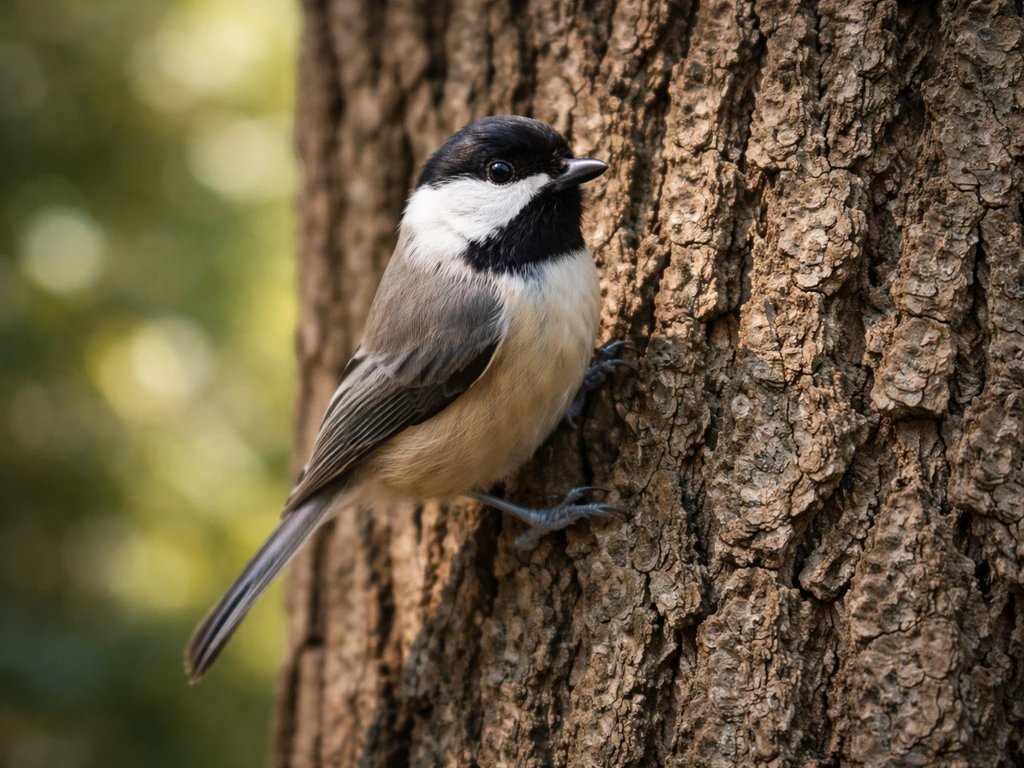
Bird Trunk Meaning: Idiom vs Literal Tree Trunk
Bird trunk meaning explained with a quick checklist to tell idiom vs literal tree-trunk references and what to search ne
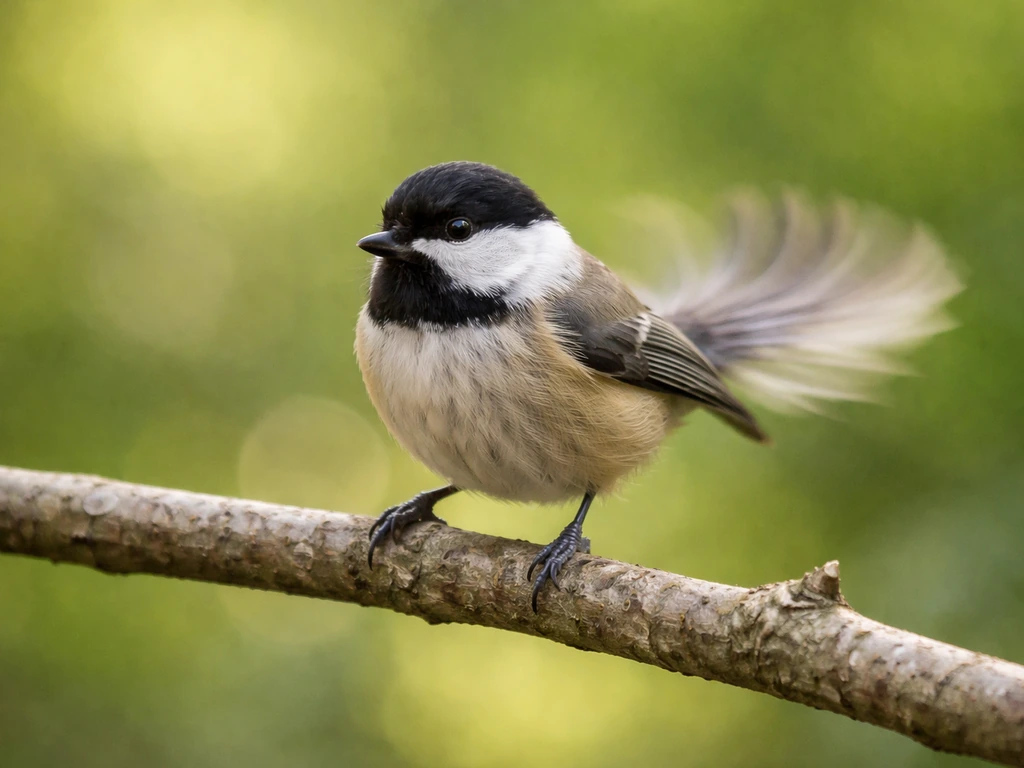
Bird Shaking Tail Feather Meaning: Literal and Symbolic
Learn the bird shaking tail feather meaning: literal causes, symbolic interpretations, dream context, and what to do.
Bird Verb Meaning: Uses, Behaviors, Idioms & Sightings
Discover what 'bird' means as a verb, definitions, behaviors, idioms, sightings, and practical next steps.