When a bird shakes its tail feathers, it almost always means one of a handful of normal things: it just finished bathing, it's grooming itself back into order, it's communicating alertness or mild agitation, or it's doing a bit of courtship display. In everyday human speech, "shake your tail feather" means get moving, dance energetically, or show some bravado. Both the literal bird behavior and the idiomatic expression share a common core idea: energy, expressiveness, and action. The tricky part is figuring out which meaning applies to your situation, and that comes down to context.
Bird Shaking Tail Feather Meaning: Literal and Symbolic

Marcus Holloway
22 Jun 2026
What people usually mean by "shaking the tail feather"
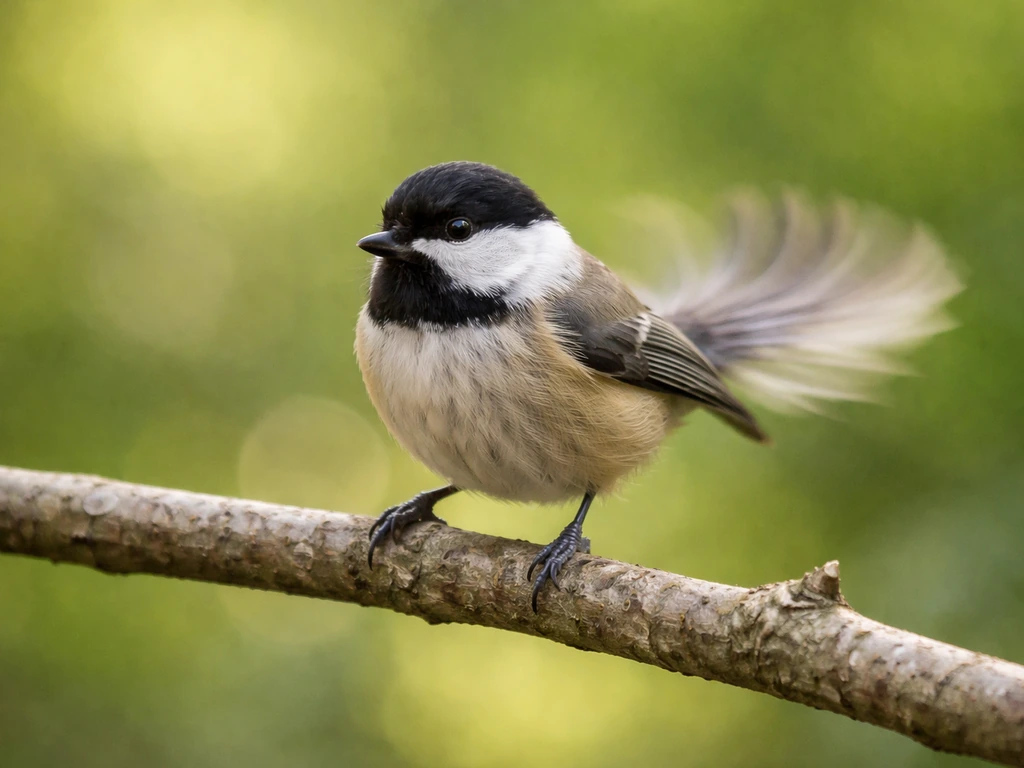
Most people searching this phrase are looking for one of two things. Either they watched a bird do something interesting with its tail and want to know what it means, or they heard the expression "shake your tail feather" and want to understand its cultural or figurative weight. Both are completely valid searches, and they're more connected than they seem.
As a phrase, "shake your tail feather" is an exhortation. It tells someone to hurry up, get on the dance floor, loosen up, or show some energy. Dictionary sources record it with two closely related meanings: dance enthusiastically, and (less commonly) get a move on. The phrase has appeared in popular culture repeatedly, which is part of why it shows up in searches so often. It carries a tone of confidence, playfulness, and bravado rather than anything anxious or ominous.
When the phrase shifts to a more personal or introspective context, people sometimes use it to describe showing off, asserting yourself socially, or signaling that you're not intimidated. That nuance matters when you're trying to interpret what someone meant when they said it to you, or when you're trying to understand a dream or spiritual sighting.
Literal behavior: tail-feather shaking in birds
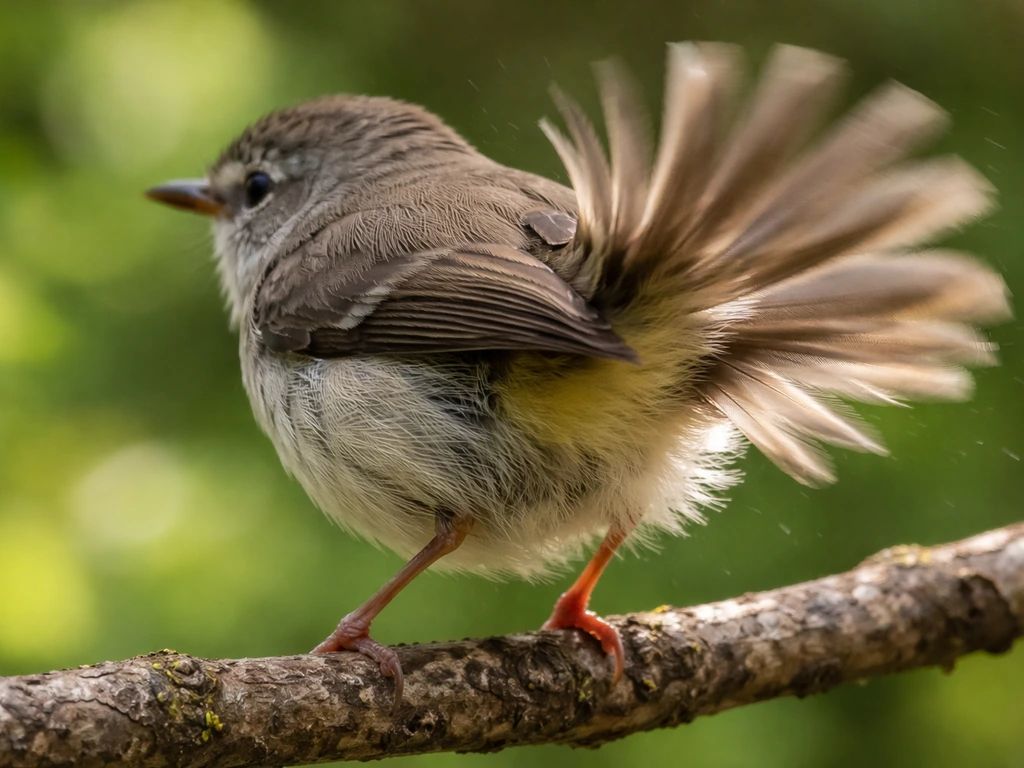
Tail-feather shaking is one of the most common and unremarkable things a bird does. Ornithologists document it across hundreds of species under various labels: tail flicking, tail wagging, tail flashing, tail bobbing, and general body shaking. A 2020 meta-analysis by Randler and Kalb reviewed the published research on tail flicking across species and found that the behavior is widespread and serves multiple possible functions depending on context. There is no single universal meaning, which is exactly why context matters so much when you see it.
The mechanics of tail shaking are tied to how birds maintain their feathers. When a bird performs a full-body shake, the movement typically originates near the tail and sweeps forward toward the neck, driven by muscular contractions. This redistributes feathers, expels water or dust, and resets the plumage into its proper alignment. It is routine and efficient, similar to how a dog shakes off after getting wet. In that sense, the tail is often where the shake starts or where it's most visually obvious.
Why birds shake their tail feathers: the most common causes
Grooming and bathing
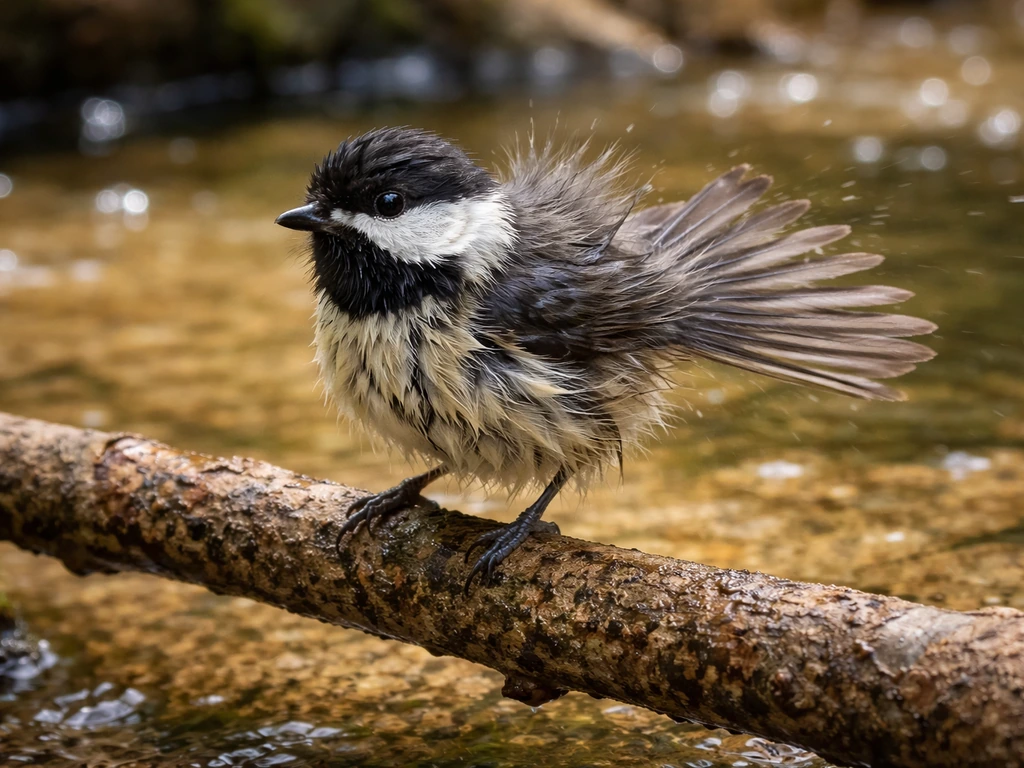
This is the most frequent explanation. After bathing, birds follow a predictable sequence: they shake the tail, vibrate the wings, and then fluff out their feathers to finish drying and reordering their plumage. Dust-bathing works similarly. The bird spreads and fluffs tail feathers during the bath so that dust can reach the skin and displace oils or parasites, then shakes everything off afterward. If you see a bird shaking its tail after it has been near water or a dusty patch of ground, grooming is almost certainly what's happening.
Alertness and communication
Tail flicking at feeders or on perches often signals that the bird is alert but not in immediate danger. Research on moorhens found that tail-flicking rates change depending on whether a bird perceives a predator or a fellow bird nearby, which suggests the behavior tracks the level of perceived threat. In some species, a fanned-out, held-stiff tail is part of warning or intimidation displays. A quick, repeated flick of the tail, especially when the bird is watching something intently, is the bird's way of signaling that it is paying attention.
Courtship and display
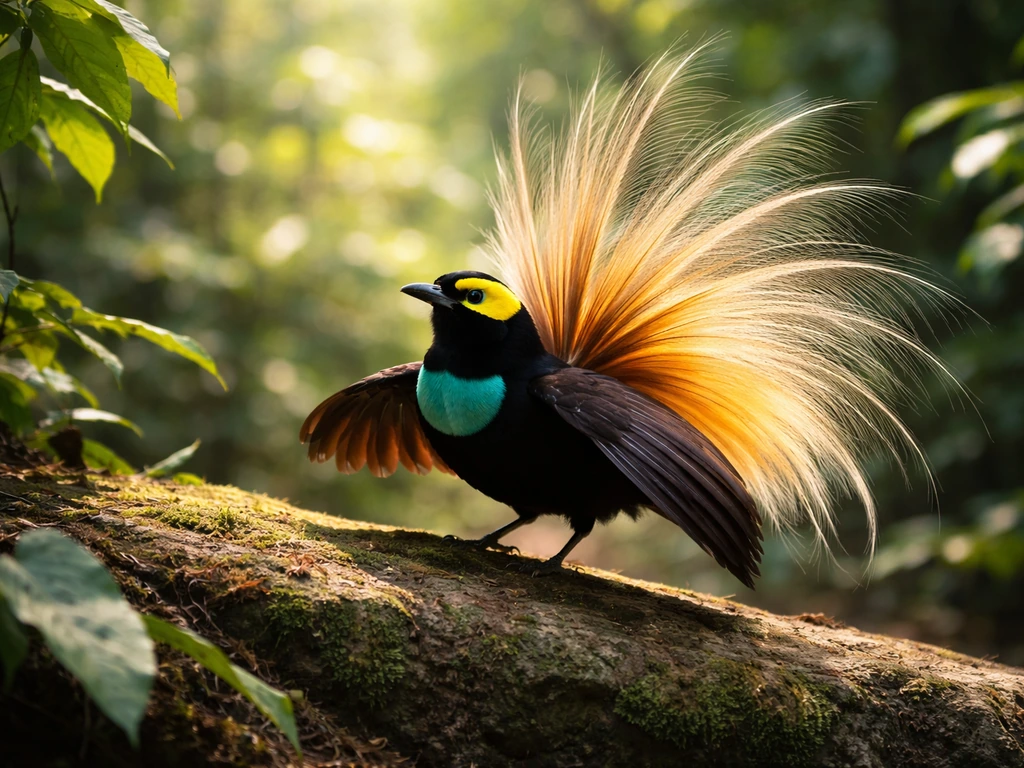
Several species use deliberate tail movements as part of courtship. Male birds of paradise, for example, repeatedly flick their wings and tail open while turning side to side during displays. Waterfowl tail-wagging is also associated with courtship, separate from post-bathing tail shaking. When you see this, the bird is doing the literal equivalent of what the idiom describes: showing off, asserting itself, trying to be noticed.
Irritation and parasites
Feather mites and other external parasites cause restlessness and repeated grooming behavior. A bird shaking or picking at its tail feathers more than usual, especially if accompanied by visible feather damage, patchy plumage, or excessive scratching, may be trying to dislodge something irritating. This kind of tail shaking tends to look more compulsive and less rhythmic than normal post-bath grooming.
Stress and agitation
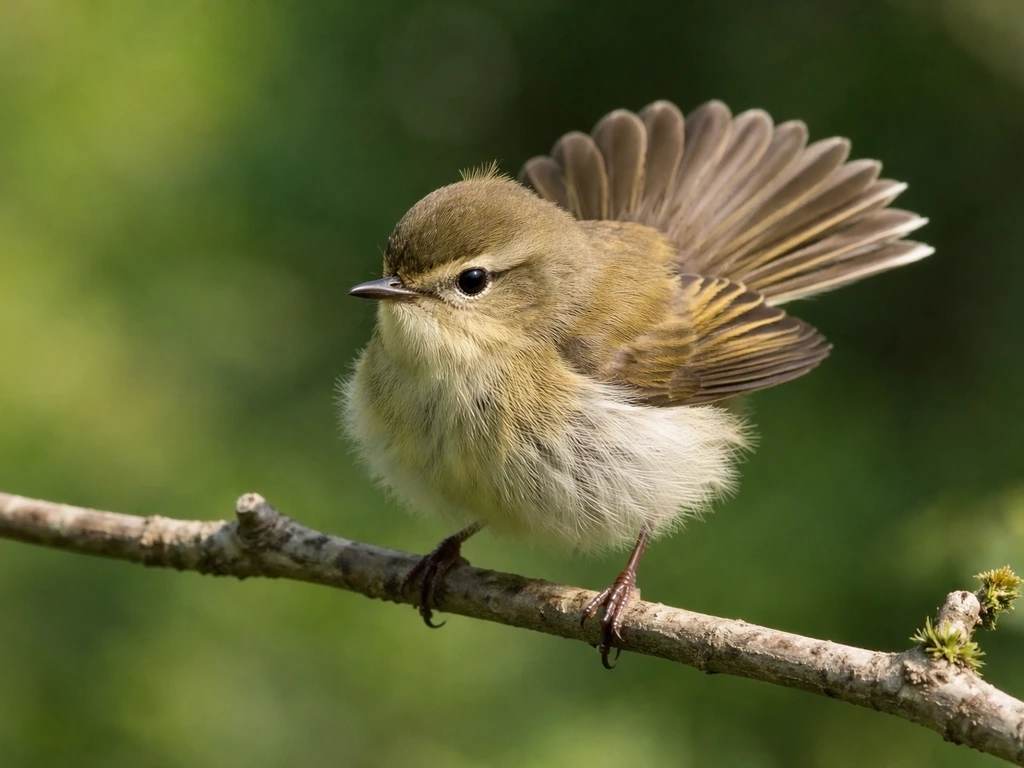
A stressed or threatened bird may shake or fan its tail as part of a broader threat posture. A bird may fan or shake its tail as part of a broader warning or intimidation body posture shake or fan its tail as part of a broader threat posture.. This usually comes with other signals: feathers held tight to the body or puffed aggressively, a fixed stare, or vocalizations. Context makes this one easy to distinguish. A bird at a calm backyard feeder doing a quick tail flick is not stressed. A bird cornered or approached too closely that is fanning its tail and holding its body rigid probably is.
Normal vs. concerning: when tail shaking means something is wrong
There is an important distinction between tail shaking as grooming or communication and rhythmic tail bobbing linked to breathing difficulty. Veterinary sources, including the Merck Veterinary Manual and VCA Animal Hospitals, specifically flag "tail bobbing" as a clinical warning sign when it happens in rhythm with each breath, especially if accompanied by open-mouth breathing, depression, loss of appetite, or nasal discharge. In that scenario, the tail is moving because the bird is using extra effort to breathe, not because it is grooming or communicating.
Purdue University's avian husbandry guidelines describe this as "tail pumping," a rhythmic back-and-forth motion of the tail while the bird is at rest, and list it as a behavior that warrants a veterinary evaluation. The Merck Veterinary Manual also advises that respiratory illness should be promptly evaluated by a veterinarian and notes additional signs such as depression, loss of appetite, sneezing, nasal discharge, and difficulty breathing warrants a veterinary evaluation.
Air sac mite infection is one specific condition that can produce this kind of tail movement. If you are watching a pet bird and the tail movement is in sync with labored breathing rather than following a bath or a period of alertness, treat it as a medical concern. Bird twitching can have multiple causes, so it helps to look at the bird's body posture and other signs to understand the twitching meaning Bird twitching meaning.
| What you observe | Likely explanation | What to do |
|---|---|---|
| Tail shake after bathing or dust bath | Normal grooming | Nothing, enjoy watching |
| Quick flicks while perched and alert | Communicating alertness or mild vigilance | Nothing, normal behavior |
| Tail fanned or stiff during a standoff | Warning or threat display | Give the bird space |
| Deliberate tail movements during display toward another bird | Courtship | Nothing, observe from a distance |
| Repeated tail picking or shaking with damaged feathers | Possible parasite irritation | Monitor; consult a vet if it persists |
| Rhythmic tail bob in sync with each breath at rest | Possible respiratory distress | Veterinary evaluation promptly |
Symbolic and cultural meaning of the expression
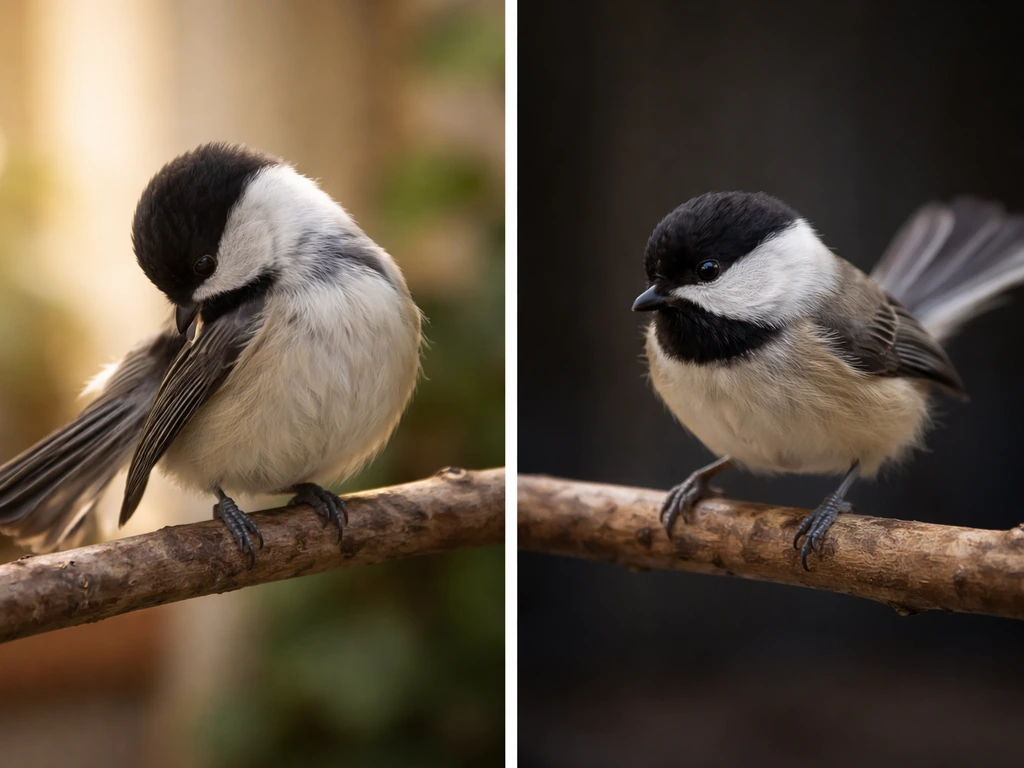
The idiom carries almost exclusively positive, high-energy connotations in everyday use. Telling someone to shake their tail feather is an invitation to step up, move with confidence, and stop holding back. It is the avian equivalent of telling someone to strut. The phrase implies that the person has something worth showing, and they just need to let it out.
When used to describe anxiety or nervous energy, the phrase usually shifts slightly, becoming something like "shaking like a tail feather" rather than the imperative form. In that framing, the tail shaking becomes a visible, uncontrollable expression of internal tension, something real birds do display when frightened or overstimulated. So the symbolic range of the expression sits between two poles: confident display at one end, nervous energy at the other. Which one fits depends on how the phrase was used and what emotional register surrounded it.
In broader bird symbolism traditions, the tail specifically tends to represent direction, balance, and the ability to steer your own life. A bird using its tail expressively in cultural imagery often stands for someone who is actively shaping their path rather than being carried along by circumstance. That ties back neatly to the idiom's core meaning: agency, movement, and visible energy.
Spiritual and dream interpretations
In spiritual traditions that treat birds as messengers or symbols (a framework common across many cultures), seeing a bird shake its tail feathers in waking life is generally read as an encouraging sign. The most consistent interpretation across spiritual sources is that it represents an invitation to express yourself more freely, take up more space, or move toward something you have been hesitant about. The energy of the display mirrors the idiom: show up, show off a little, and stop waiting.
In dream contexts, bird symbolism is typically treated as emotionally and personally dependent on the dreamer. Dream dictionaries that address birds as general symbols often associate them with freedom, aspiration, and communication. Sources that address a bird's tail as a specific dream image treat it as relating to direction and guidance, the sense that something is pointing you somewhere. A bird shaking its tail feathers in a dream could reasonably be read as the subconscious surfacing an urge to act with more confidence or expressiveness. If the bird in the dream seemed agitated or distressed while shaking its tail, the interpretation usually shifts toward unresolved anxiety or a situation that needs attention.
It is worth noting, as this site generally does, that these interpretations are frameworks rather than facts. They are useful for prompting reflection, not prediction. The most reliable approach is to hold the spiritual meaning lightly and ask whether it resonates with something actually going on in your life.
What to do when you see it in real life
If you spot a bird shaking its tail feathers in your yard or garden, start with a quick visual assessment before assuming anything is wrong or significant. Most of the time, the bird is fine and the behavior is routine. This is often the bird tail meaning people try to decode, but it is usually just a normal behavior tied to context. Here is a practical way to read what you are seeing:
- Note what the bird was doing just before the tail shake. Coming out of a puddle or dusty spot? That's post-bath grooming. Watching another bird or a nearby predator intently? That's vigilance communication.
- Look at the rest of the bird's body. A calm, fully-feathered bird with alert eyes and normal posture is almost certainly fine. A bird with puffed-up feathers, half-closed eyes, or visible nasal discharge is showing illness signs worth paying attention to.
- Watch the rhythm of the tail movement. Loose, intermittent shakes are normal. A steady, rhythmic bob that matches the bird's breathing rate is the warning sign that veterinary sources specifically flag.
- If the bird is wild and showing distress signs (labored breathing, inability to fly, open-mouth breathing), do not attempt to handle it yourself. Contact a local wildlife rehabilitator or animal control service.
- If the bird is a pet and you notice tail bobbing paired with breathing effort, loss of appetite, or unusual stillness, call an avian vet. This is not a wait-and-see situation.
For birds in your garden that appear healthy, the best approach is simply to observe without disturbing. Give them space, keep the feeder or water source clean, and enjoy the behavior for what it usually is: a bird going about its day in a perfectly normal way.
Related expressions and how they shift the meaning
"Shake your tail feather" is part of a larger family of bird-related expressions that describe movement, expressiveness, and energy. Understanding how each one differs helps clarify which meaning fits your situation.
- "Shake a tail feather" (imperative): Get moving, hurry up, or dance. The call to action form. Positive and energetic.
- "Strutting your stuff": Very close in meaning. Showing confidence through visible display. More about social performance than physical movement.
- "Ruffling feathers": Causing irritation or disruption in a group. Almost the opposite of the tail-shake idiom in emotional tone.
- "Preening": Excessive self-admiration or vanity. Has a more negative edge than tail-feather shaking, which stays playful.
- "Bird-dogging": Persistent, focused pursuit of something. Different register entirely, more about tracking than displaying.
- "Tail between your legs": The antonym of shaking your tail feather. Submission and defeat rather than confidence and display.
The tail specifically shows up across bird idioms as an indicator of confidence or its absence. Bird trunk meaning is a related topic to consider if you are also comparing body-language signals bird idioms. A bird shaking its tail is asserting itself. A bird with its tail down is retreating. That same polarity maps onto the literal biology: a bird in courtship or alert communication holds its tail expressively, while a frightened or sick bird often holds its tail low and still.
If you're exploring related bird behaviors that sit close to this one, tail shaking overlaps in interesting ways with bird tail bobbing (especially the breathing-linked version), bird twitching, and bird shuffling, each of which carries its own range of normal-versus-concerning interpretations. Bird hopping meaning is similar because both describe how a bird's movement can communicate different moods or intentions depending on the context. Bird hopping and general posture shifts also feed into the broader picture of what a bird is communicating through its body at any given moment.
The bottom line is that a bird shaking its tail feathers is almost always doing something ordinary and natural, whether that's drying off, resetting its plumage, signaling alertness, or putting on a show for a potential mate. The idiom captures that same energy perfectly: visible, confident, purposeful movement. When either the bird or the person is doing it right, there is nothing to worry about.
FAQ
How can I tell if the bird is just drying off versus trying to communicate alertness or agitation?
Look at timing and rhythm. Post-bath grooming usually happens right after water exposure and is followed by fluffed body posture. Alertness or mild agitation is more often a quick, repeated tail flick while the bird remains otherwise poised, watching a stimulus (you, a rival bird, or a predator) rather than looking like it is resetting feathers.
What if the bird shakes its tail but it never went near water or dust?
Tail shaking can still be social or attention-related, especially at feeders where birds scan frequently. If the bird also changes posture (tail held stiff or fanned, fixed gaze) or repeats tail movements while facing a specific trigger, it is more likely communication than grooming.
Does “shake your tail feather” mean the same thing in every situation people say it?
No. The idiom commonly means “move with confidence,” but the tone depends on how it is said and who says it. If it is directed at someone who looks tense or reluctant, it can function like encouragement to loosen up. If it is used teasingly, it may imply brashness or swagger rather than literal advice.
Can tail shaking ever be a sign of illness in wild birds?
Yes, especially if it becomes excessive or compulsive and is paired with other red flags like patchy or damaged feathers, visible scratching, ruffled plumage that persists, lethargy, or discharge. In those cases, the bird may be dealing with parasites or irritation rather than normal routine tail movement.
What is the difference between tail shaking and “tail bobbing” when I have a pet bird?
Tail bobbing is rhythmic and synchronized with breathing, often showing up as extra effort to inhale, sometimes with open-mouth breathing, nasal discharge, or low energy. Tail shaking tied to grooming or communication is usually brief, context-driven, and not matched to each breath.
My pet bird shakes its tail after I touch it or move nearby. Is that normal?
A short tail shake right after a handling event can be a stress response, especially if the bird also holds its body tense, fluffs aggressively, or vocalizes. If the behavior repeats frequently during calm interactions, or it comes with breathing effort, reluctance to perch, or weight loss, it is worth contacting an avian vet.
How do feather mites or parasites change the look or behavior compared with normal post-bath shaking?
Parasites often produce more frequent, irregular, and “scratching-oriented” tail and feather attention. You may also notice broken pinfeathers, uneven feather coverage, or the bird repeatedly picking at the same spot rather than doing a single drying sequence followed by settling.
Is it safe to keep watching, or should I intervene if I see tail shaking?
In a yard or garden, avoid disturbing the bird. Keep distance, avoid chasing, and focus on whether any other concerning signs appear. Intervention like contacting wildlife rehab is more appropriate if the bird seems unable to perch normally, is favoring one side, looks severely fluffed for long periods, or shows persistent breathing trouble.
What should I note in order to interpret the behavior correctly later?
Write down the trigger and the follow-up. Record whether it happened after water or dust, whether the tail movement was quick versus continuous, whether the bird fanned or held its tail stiff, and whether it changed overall posture (relaxed settling versus rigid threat posture). These details usually clarify the meaning faster than the tail movement alone.
Next Articles
Bird Sighting Meaning: How to Interpret What You Saw
Interpret bird sighting meaning with context, behavior, symbolism, and practical steps to identify the species and next
Bird Visit Meaning: Spiritual vs Real-World Reasons
Bird visit meaning explained: spiritual symbolism vs real-world causes like weather, food, nesting, dreams, and safe nex
Bird-Watching Meaning: Definition, Signs, and How to Start
Define bird-watching meaning, why people do it, key behaviors and idioms, plus beginner tips to start responsibly.