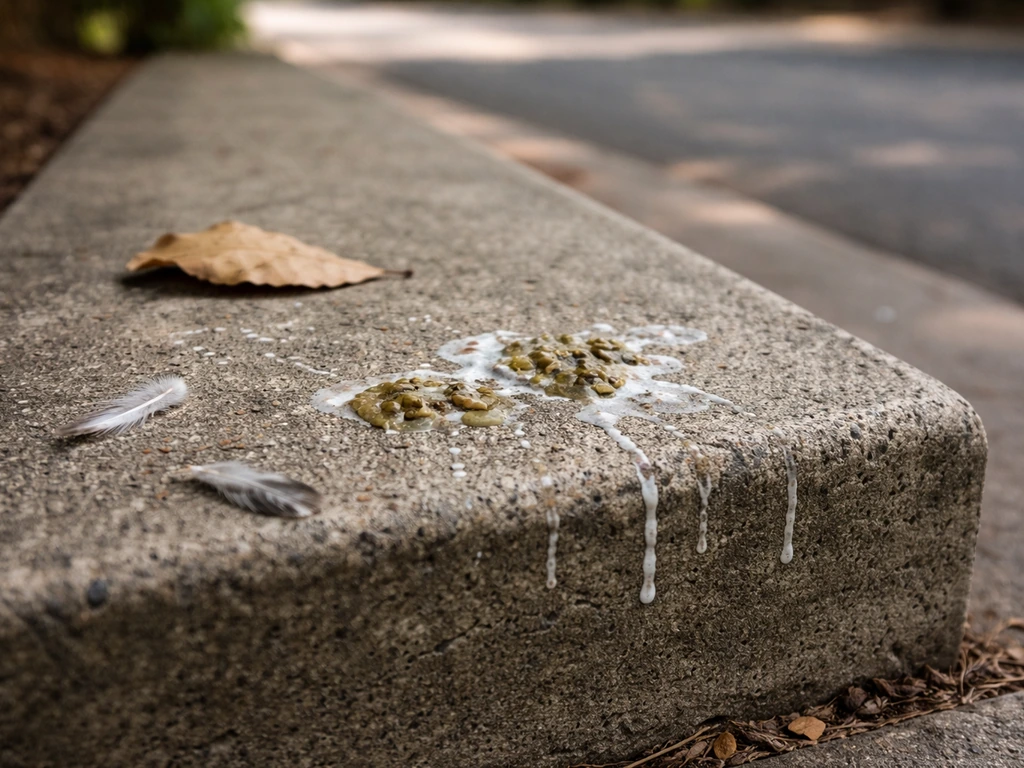
Bird guano is simply bird droppings, the feces deposited by birds, and the term is especially used when those droppings have built up in significant amounts. It comes from the Quechua word 'wanu,' meaning dung, and was made famous during the 19th century when massive deposits on South American coastal islands were mined as fertilizer. Today, when most people search 'bird guano meaning,' they usually want to know one of three things: what exactly guano is, what the mess on their roof or windowsill is telling them about local bird activity, or whether guano is something they need to handle with care. The answer to all three is worth unpacking properly.
Bird Guano Meaning: What It Is, Why It Matters, and Safety

Marcus Holloway
19 May 2026
What 'guano' actually means and what counts as bird guano
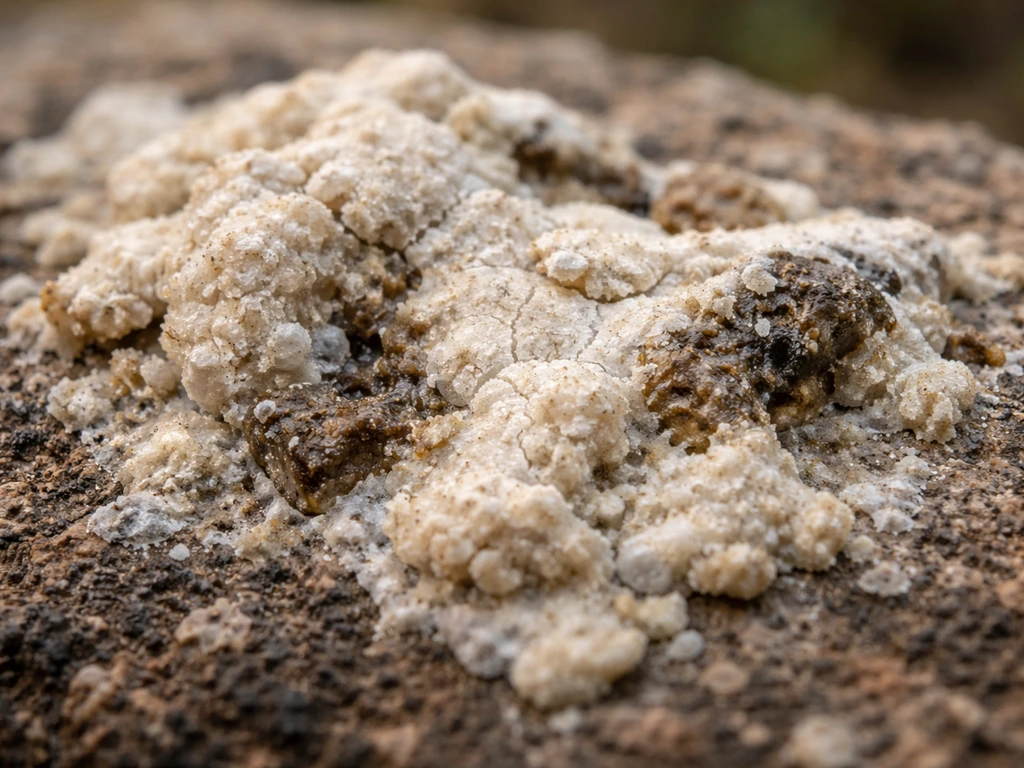
Technically, guano refers to the accumulated excrement of seabirds, bats, or seals. Britannica includes all three; Merriam-Webster defines it as fertilizer made from seabird or bat droppings; Cambridge sticks to seabirds and bats. In everyday use, though, most people use 'bird guano' interchangeably with bird droppings in general, whether that's pigeon mess on a city ledge or gull splatter on your car at the beach.
One important distinction: 'guano' in the fertilizer industry doesn't always mean real bird feces. Dictionary.com notes that some commercial products labeled "guano" are blended or synthetic and contain no actual droppings. Dictionary.com notes that some commercial products labeled 'guano' are blended or synthetic and contain no actual droppings. So if you're shopping for guano-based fertilizer, read the label carefully. Real seabird guano is extremely high in nitrogen and phosphorus, which is exactly why it was so valuable historically. Fresh bird droppings from your backyard pigeons are a different thing entirely: still organic, still nitrogen-rich, but not the concentrated, processed material that gets marketed as 'guano fertilizer.'
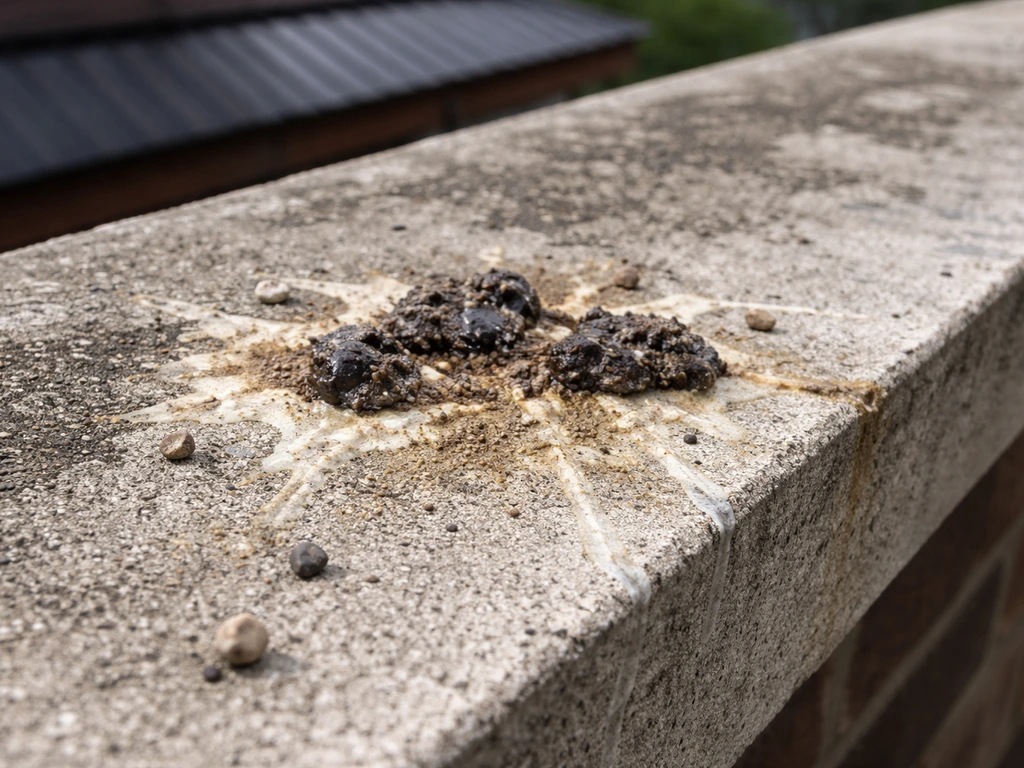
People sometimes confuse bird guano with bat guano because both accumulate in similar places (attics, eaves, caves, building ledges) and both pose similar health risks. The word 'guano' is equally correct for both. If you're reading this because you found a pile of dark, pellet-like droppings in your attic, those could be bat guano rather than bird guano, and the identification matters for cleanup purposes.
How to recognize bird guano on sight, smell, and location
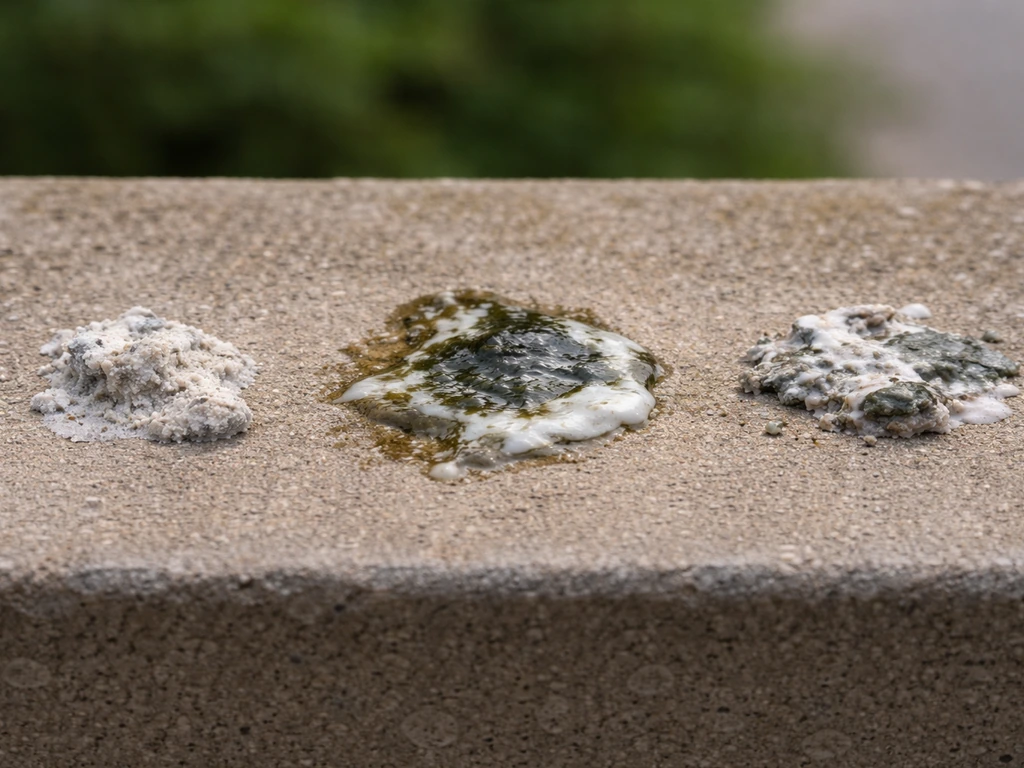
Bird droppings have a fairly consistent look once you know what you're studying. The white or cream-colored paste is uric acid, the bird equivalent of urine, and it's deposited alongside the darker fecal material in a single combined dropping. That's why bird guano almost always has a white outer ring or cap with a darker center. Bird poop color meaning can also help you narrow down what you are seeing when you find droppings outdoors or on buildings. The consistency varies by species and diet.
Visual clues by common bird
| Bird | Dropping appearance | Typical location |
|---|---|---|
| Pigeon | White and gray, semi-solid, often chalky when dry | Ledges, rooftops, window sills, statues, underpasses |
| Seagull | Larger, wetter, white with dark center, messier splatter | Coastal buildings, parking lots, piers, cars near beaches |
| Starling/sparrow | Small, darker, more liquid when fresh | Trees, power lines, areas beneath communal roosts |
| Canada goose | Tubular, green-brown, grass-heavy, much larger | Parks, lawns, walkways near water |
| Bat (for comparison) | Dark brown-black pellets, crumbles to powder, may glitter from insect parts | Attics, eaves, barn rafters, caves |
Smell is a reliable secondary indicator. Fresh bird guano has a sharp, ammonia-forward odor. Large buildups, especially in enclosed spaces like attics or under bridges, can smell intensely of ammonia and musty organic matter. If you're entering a confined space and hit a wall of ammonia smell, that's a signal to back out, ventilate, and come back with proper protection.
Location is often the most telling clue. Guano accumulates directly below where birds rest or nest, not just where they fly. A thick white stripe running down a wall below a ledge is almost always a roosting spot. A heavy deposit in one corner of an attic points to a long-term entry point. Diffuse splatter across a wide area suggests a feeding or fly-over zone rather than a dedicated roost.
What bird guano tells you about local bird activity
Guano is one of the most reliable signs of what birds are actually doing in and around a space, and reading its pattern gives you useful behavioral information.
- Heavy, concentrated deposits in one spot usually mean a roosting site. Birds return to the same ledge, beam, or branch night after night, and the guano accumulates directly below.
- Guano mixed with nesting material (straw, feathers, twigs) confirms an active nest nearby. Nesting birds drop close to home.
- Scattered, thin deposits across a broad surface suggest a feeding area or a flight path, not a permanent roost.
- Guano in an attic or eave, especially alongside feathers or nesting debris, often points to an entry point in the structure that birds (or bats) are using to get inside.
- A sudden increase in guano volume on your property in spring or fall often tracks with seasonal migration stopovers, when large flocks temporarily move through and rest.
If you're finding guano in a place you never noticed before, it's worth doing a slow walk of the area above it. Look for ledges, gaps in soffits, missing roof tiles, or horizontal surfaces where a bird could comfortably land and stay. The guano is almost always directly below the comfort zone, not far from it.
Health risks and when to be extra careful
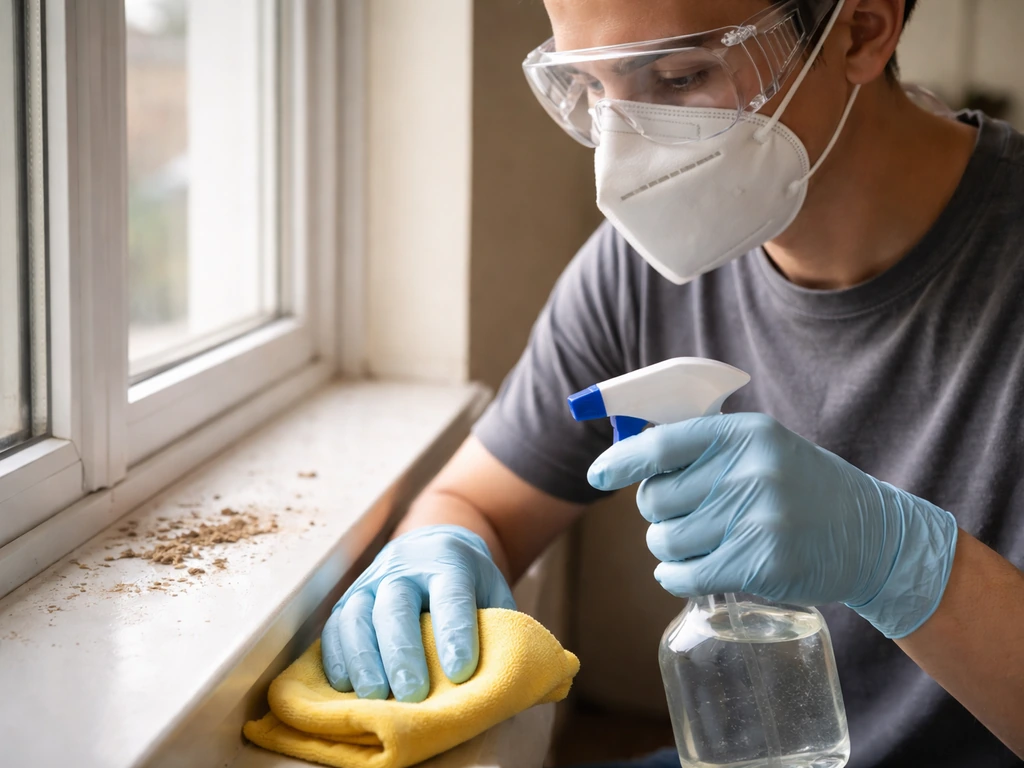
Bird guano carries real health risks, and the main one most people haven't heard of is histoplasmosis, a fungal lung infection caused by Histoplasma capsulatum. The fungus grows in soil and organic material enriched by bird or bat droppings, and when dried guano is disturbed, it releases spores in the 1 to 5 micrometer range that can travel deep into the lungs. The CDC is clear that activities disrupting bird or bat droppings are a known occupational and recreational risk for histoplasmosis. Most healthy people either don't get sick or experience mild flu-like symptoms, but people with weakened immune systems, the elderly, and young children can develop serious illness.
NYC Health puts routine small-scale cleaning (a few droppings on a windowsill) in a low-risk category for most healthy adults. But larger cleanups, anything involving disturbing a significant buildup, move into a different category. The aerosolization risk goes up sharply when you're scraping, sweeping dry, or using a leaf blower near accumulated guano. That's when respiratory protection matters.
Beyond histoplasmosis, bird droppings can carry Salmonella, Cryptococcus (another fungal pathogen), and in some contexts serve as a surface contamination risk for avian influenza. The CDC advises against picking up droppings with bare hands and recommends thorough handwashing after any contact with birds or their waste.
When to call a professional instead of DIY
- You have a compromised immune system, are pregnant, or have a respiratory condition
- The accumulation is large (several square feet or more) or has built up over months or years
- The guano is in a confined, poorly ventilated space like an attic, crawl space, or barn
- You suspect bat guano rather than bird guano, since bats carry additional concerns including rabies exposure risk
- You're unsure whether the area is currently occupied by nesting birds protected under wildlife law
Safe cleanup steps you can take right now
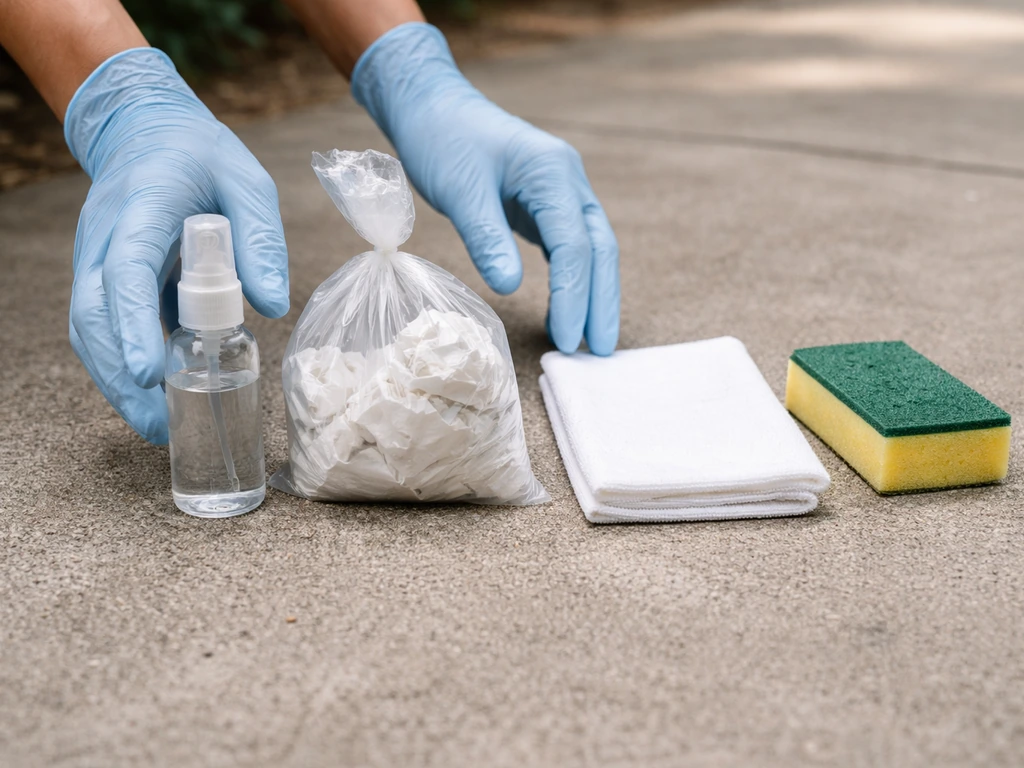
The single most important rule for cleaning bird guano is: never dry-sweep or dry-scrape it. Colorado State University's EHS protocols are explicit on this, stating 'no dry sweeping or dry clean up.' Dry disturbance of guano is exactly how spores become airborne. Everything starts with wetting the material down first.
- Gear up before you start. For routine small cleanups, wear disposable gloves and avoid touching your face. For larger jobs, add an N95 respirator at minimum and eye protection. Wear clothes you can wash or disposable coveralls.
- Wet down the guano thoroughly with a soapy water solution before touching it. This binds the material and dramatically reduces dust and spore release.
- Scoop or wipe up the wetted material with paper towels or disposable rags. Place directly into a sealed plastic bag.
- Clean the surface with soap and water to remove all visible material, then disinfect with an EPA-registered disinfectant following the label instructions. The CDC recommends this two-step approach (clean first, then disinfect) for bird-flu related situations, and it's sound practice for guano cleanup generally.
- Seal and dispose of all materials in the trash. Don't shake out cloths or bags.
- Wash your hands thoroughly with soap and water after removing gloves. Shower and change clothes after larger cleanup jobs.
- Ventilate the area well during and after the process.
For large accumulations, NYC Health recommends containing the area with plastic sheeting before starting and wetting the entire mass before any removal. If you're working in a confined space, forced ventilation with exhaust fans pointed outward, and a proper respirator, not just a dust mask, become non-negotiable.
Using bird guano as fertilizer: what's safe and what isn't
Historically, guano from seabird colonies off the coast of Peru and Chile was so nitrogen-dense that it sparked a global trade frenzy in the 1800s. Processed and aged seabird guano is still sold today as an organic fertilizer, typically in pellet or powder form, and it's genuinely excellent for that purpose: high nitrogen, phosphorus, and micronutrients, and relatively fast-acting compared to compost.
The key word is processed. Commercially sold guano fertilizer has been dried, aged, and sometimes heat-treated in ways that reduce pathogen load. Fresh bird droppings from your roof or yard are a different matter entirely. They can contain active pathogens, and adding them directly to vegetable gardens, especially to edible parts, is genuinely risky. The EPA and food safety guidelines advise against applying raw animal manure to edibles close to harvest, and fresh bird guano falls firmly in that category.
If you want to compost bird droppings from a backyard flock or collected urban sources, the principle is the same as composting other manures: hot composting (sustained temperatures above 130°F for several days) reduces pathogen risk significantly. But even then, it's wisest to use the finished compost on ornamentals or worked into soil before planting, rather than applying it directly to edible crops.
| Type of guano | Safe for garden use? | Notes |
|---|---|---|
| Commercial processed seabird guano (pellets/powder) | Yes, follow label | Sold as organic fertilizer; pathogen risk is low in processed form |
| Fresh backyard bird droppings | Use with caution | Compost first with hot composting; avoid direct contact with edibles |
| Large accumulations from urban roosting sites | Not recommended without treatment | High pathogen risk; handle as hazardous waste first |
| Bat guano (processed, commercial) | Yes, follow label | Popular organic fertilizer; similar nutrient profile to seabird guano |
| Fresh bat guano | No | High disease risk; treat as biohazard, do not handle without PPE |
The cultural and spiritual side of bird mess
Across many cultures, being hit by bird droppings is considered a stroke of luck. This belief shows up in Russian, Turkish, and Italian folk traditions, among others, and the core logic is consistent: what seems like misfortune in the moment is actually fortune in disguise. Some interpretations frame it as an unexpected blessing, a windfall coming your way, or a cleansing of negative energy. Whether you put stock in that or not, it's a genuinely widespread piece of folklore, not something invented recently.
In dream interpretation traditions, encountering bird droppings or guano in a dream is often read as a sign of incoming prosperity or the clearing away of obstacles. The imagery of something unpleasant that fertilizes growth (literally, given guano's agricultural history) maps onto themes of transformation and abundance. It's a symbol with genuine cultural roots, even if the specific meaning varies between traditions.
That said, it's worth separating the folklore from any over-literal reading. Being hit by a pigeon on a Tuesday doesn't guarantee a lottery win, and a dream about guano isn't a certified financial forecast. The more grounded way to engage with these traditions is to see them as cultural expressions of the human impulse to find meaning in coincidence, especially the kind of small, startling events (a bird landing on you, an unexpected mess) that briefly interrupt routine and make people pay attention. The symbolism is interesting. The practical reality of cleaning it up is also real.
If you're exploring this site for the symbolic or expressive side of bird-related language, the meaning of bird droppings in dreams, or how bird behavior gets read as an omen, those threads connect naturally to related topics like what different bird dropping appearances signal and what the broader language around bird litter and bird droppings means across different contexts. It can also help to know what bird poop is called in common usage, so you can recognize the terms people use for droppings versus fertilizer. “Bird litter meaning” usually refers to what bird droppings indicate about bird activity and why the mess needs to be handled carefully.
FAQ
Is “bird guano meaning” the same as “bird droppings” in everyday life?
In most home and health contexts, yes. People use “bird guano” as a broad term for bird droppings, especially when there is a noticeable buildup. In technical use, guano usually means accumulated excrement that has built up over time and is often discussed for seabirds, bats, or seals.
How can I tell if what I’m cleaning is bird guano or bat guano?
Bat guano often appears as smaller, darker, more uniform pellets and is common in attics or under roosting areas where bats hang. Bird droppings tend to look more varied, commonly with a white or cream cap of uric acid around darker fecal material. If the smell, droplet shape, and where it’s concentrated (hanging roost versus ledge under a perch) don’t match your expectations, treat it as higher risk and consider professional help.
Does fresh bird droppings always mean higher danger than older guano?
Not necessarily. Histoplasmosis risk relates to how dried material and disturbed buildup release spores. An older buildup that is dry can be dangerous when disturbed, and fresh material can also be contaminated. The key trigger is aerosolizing dried guano, so the same wetting, containment, and respirator precautions apply when you’re cleaning either fresh or old deposits.
Can I clean bird guano with household disinfectant instead of using a respirator?
Disinfectants do not eliminate the main hazard, airborne fungal spores. If you might disturb a buildup, you should focus on preventing aerosolization with wetting, containment, ventilation, and proper respiratory protection. Use disinfectant after the material is safely removed, not as a substitute for dust and aerosol control.
Is it safe to wash bird droppings off with a garden hose?
Usually it’s safer than dry sweeping, because wetting reduces airborne particles. But avoid blasting so hard that you splash contaminated material widely or force it deeper into surfaces. After rinsing, let the area dry and disinfect any high-touch areas, then wash your hands thoroughly.
What’s the safest way to remove guano from outdoor surfaces like gutters or siding?
Start by covering nearby items and surrounding landscaping if possible, then wet the deposits thoroughly before removal. Scrape or wipe while keeping things damp, collect waste, and avoid leaf blowers or dry brushing. For gutters and roof edges, consider doing it when wind is minimal to prevent spread.
Are pelletized or powdered “guano fertilizer” products actually from real birds?
Not always. Some products labeled “guano” are blended, processed, or partially synthetic and may not contain real droppings. Check the label for ingredients and sourcing, and assume safety risks are lower for properly processed fertilizer than for raw droppings, but still use gloves and avoid creating dust.
Can I apply fresh bird guano directly to vegetable gardens if I rinse it first?
Rinsing does not reliably remove pathogens. Raw bird droppings are treated as higher-risk because they can contain infectious organisms. If you want agricultural use, the article’s safer route is hot composting at sustained temperatures for long enough to reduce pathogen risk, and then using finished compost on ornamentals or soil work rather than applying it to edible portions close to harvest.
How do I dispose of bird guano cleanup waste?
Treat removed material as contaminated waste. After wet removal, bag it securely, seal it, and keep it out of living areas until trash day. Avoid tossing it in a way that could leak onto the ground or create dust in the process.
What respirator is appropriate for larger buildup cleanups?
For anything that risks disturbing a significant accumulation, a dust mask is usually not enough. Use a proper respirator suited for particulate and aerosol hazards (commonly an N95-class or higher filtration, depending on fit and local guidance), and make sure you can get a good seal. If the area is enclosed, forced exhaust ventilation and professional guidance are also worth considering.
When should I call a professional instead of cleaning myself?
Consider professional remediation if the buildup is large (especially in attics or confined spaces), you see heavy streaking across an entire room, the area is poorly ventilated, you have asthma or other respiratory vulnerabilities, or you cannot clean without dry disturbance (like scraping brittle, dried residue). Professionals can also assess whether the source is birds versus bats.
If I got hit by bird droppings on my skin, what should I do immediately?
Rinse the area promptly with soap and water, avoid rubbing it into skin, and wash any clothing that contacted the material. If it got into eyes or broken skin, seek medical advice. Afterward, wash hands again even if you already rinsed, because spores can transfer from surfaces to fingers.
Next Article
Bird Droppings Meaning: Real Causes, Safety, and Symbols
Bird droppings meaning explained: causes, who likely left them, health risks, cleanup safety, and cultural symbolism.