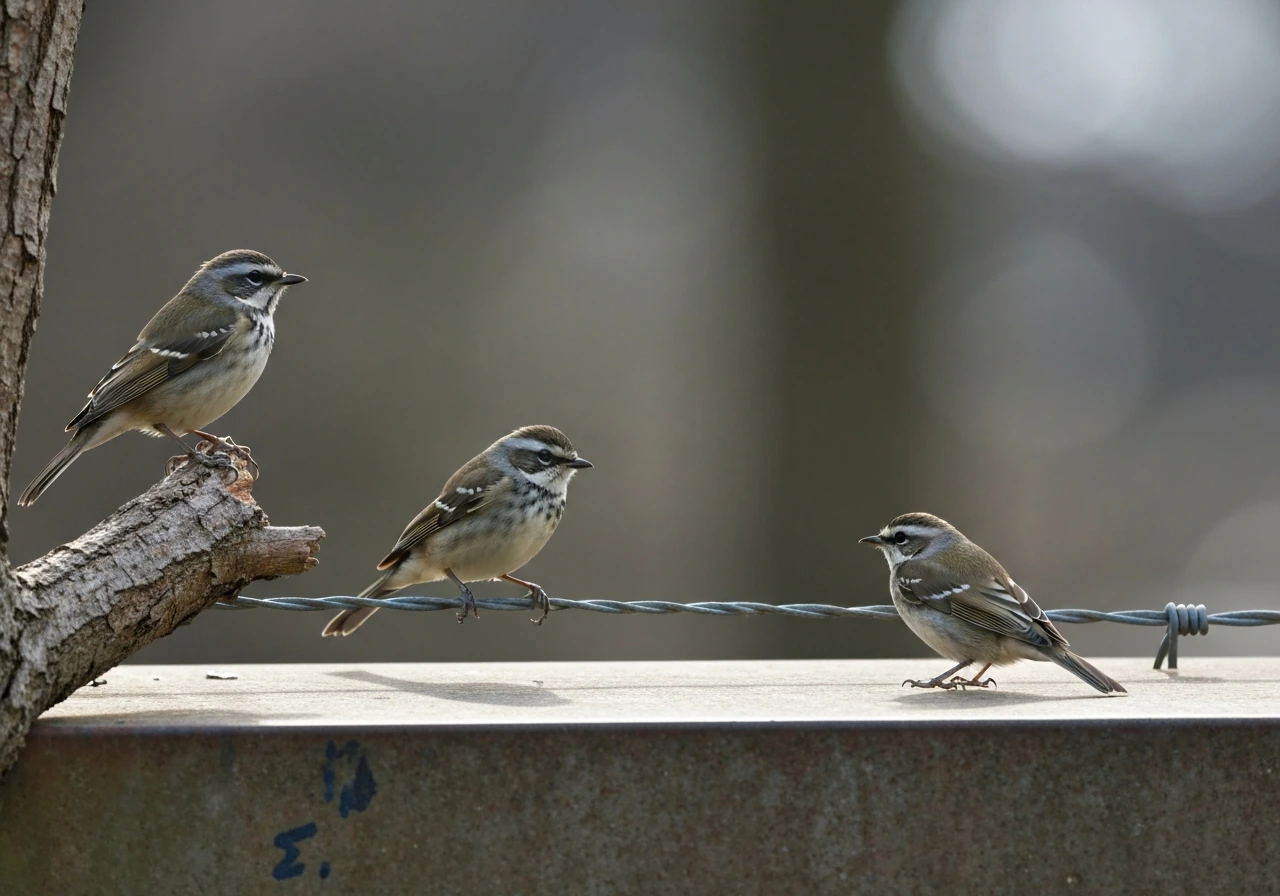
A bird perch is simply any surface a bird lands on and rests: a branch, a horizontal bar in a cage, a fence post, or even a windowsill ledge. That is the plain physical definition. But if you searched "bird perch meaning" because you saw a bird perched in a dream, read a spiritual reference, or are trying to interpret what a still, watching bird might signify culturally, you are asking a different question entirely. Both are completely valid, and this guide covers both clearly so you can figure out which one you actually need.
Bird Perch Meaning: Literal Definition and Symbolism

Marcus Holloway
30 Apr 2026
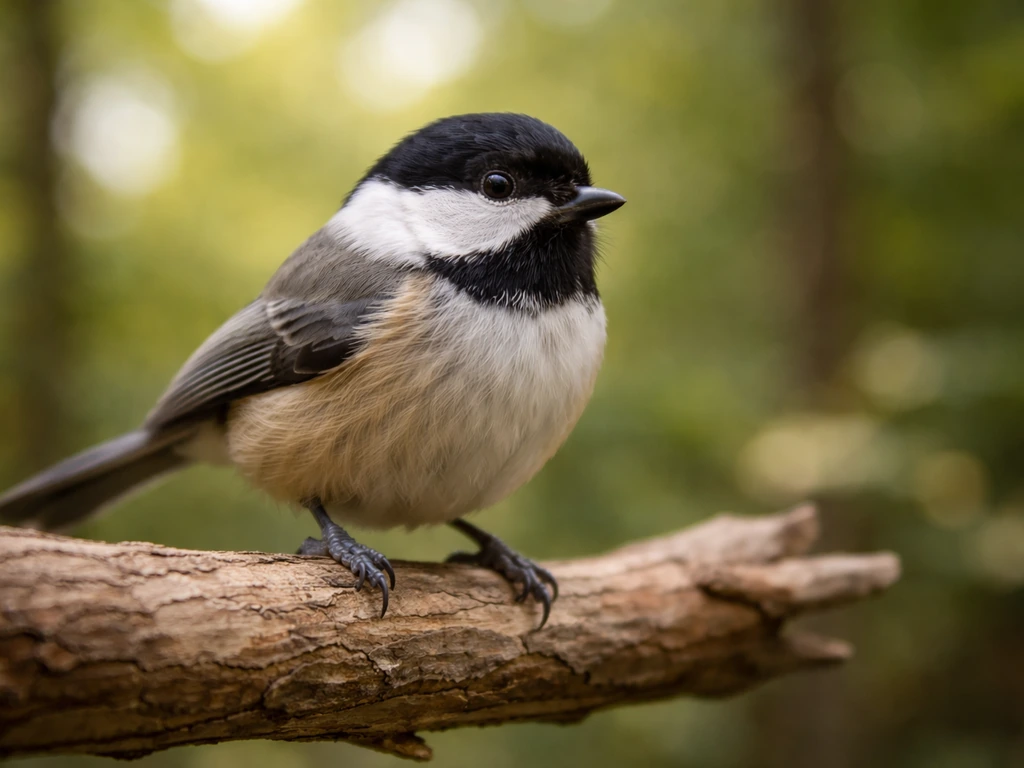
What a bird perch actually is
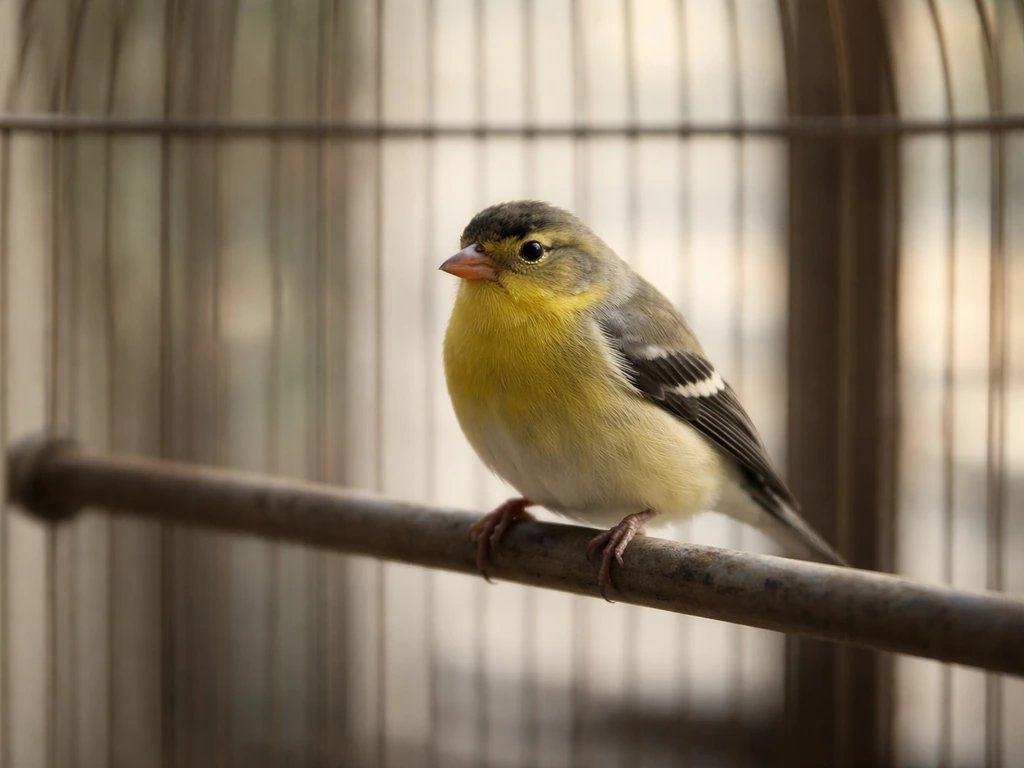
Merriam-Webster defines a perch as "a thing on which a bird alights or roosts," with a branch or a horizontal rod in a birdcage being the clearest examples. Cambridge adds the verb side: to perch means (of a bird) "to rest on a branch or other object." So you have two grammatical roles here. The noun perch is the object itself, the physical resting spot. The verb perch (or perched, perching) describes what the bird is doing when it lands on that spot.
In practical birdkeeping, a perch is a piece of equipment. Avian veterinarians recommend specific perch materials for pet birds, and the placement matters too. A perch positioned in front of a food bowl, for example, often leads to a predictable sequence: the bird lands, eats, cleans its beak on the perch, and leaves. So in that context, "bird perch" is purely about habitat and husbandry, not symbolism at all.
Perch vs. perching bird: not the same thing
This is worth spelling out because the two phrases get conflated. "A perch" is the spot or object. "A perching bird" sounds like it should just mean a bird that is currently on a perch, but in ornithology it often refers to a specific biological group: the passerines, or songbirds, which are sometimes collectively called "perching birds" because their foot anatomy is specialized for gripping branches. So if someone tells you they read about "perching birds" in a field guide, they may well be referring to a taxonomic category, not a scene of a bird sitting still.
| Phrase | What it usually means | Example use |
|---|---|---|
| perch (noun) | The physical object or surface a bird rests on | "Add a wooden perch to the cage" |
| perch (verb) / perched | The act of a bird landing or resting on a surface | "The robin perched on the fence post" |
| perching bird | A passerine / songbird (taxonomic group), OR a bird currently perching | "Sparrows are perching birds" (taxonomic) vs. "a perching bird outside my window" (scene) |
| bird perch meaning | Either the definition of the object, or the symbolic meaning of a bird in a perched posture | Depends entirely on context |
The easiest way to tell which meaning applies is to look at the surrounding words. If the phrase appears near "cage," "bar," "branch," "wood," or "diameter," it is almost certainly about the physical object. If it appears near "dream," "symbol," "spirit," "omen," or a specific bird species in a spiritual context, it is about interpretation.
What a perched bird means in symbolism, culture, and dreams
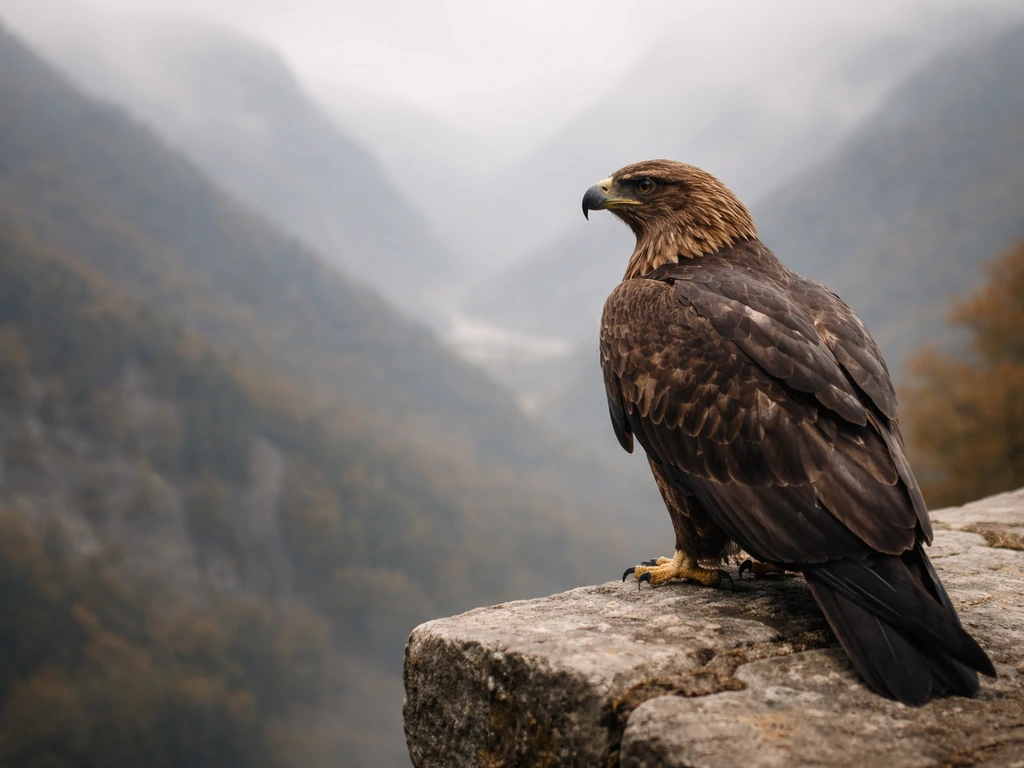
Across folklore and dream interpretation traditions, a bird in a perched, still posture tends to carry a cluster of related themes: observation, readiness, perspective, and a kind of poised pause before action. Dream dictionaries frequently frame the image of a perched bird around stability and watchfulness, often asking the dreamer to reflect on where they feel "perched" in their own life, whether they are observing from a safe distance, resting before a move, or feeling precariously balanced.
One commonly cited example is the eagle perched and looking directly at you in a dream, which in many interpretations points toward self-examination and introspection. The bird is not flying away, not fleeing, not attacking. It is simply watching, which dreamers and interpreters tend to read as an invitation to look inward. That stillness is the symbolic key. Dream encyclopedia sources also connect birds perched in a tree or cage to happiness and contentment, though most serious interpreters are quick to note that the specific bird, the setting, and the emotional tone of the dream all shift the meaning considerably.
In broader cultural and spiritual contexts, a perched bird often represents a liminal state, a creature that could fly at any moment but has chosen (or been called) to stay still. That in-between quality gives it symbolic weight in folklore around transition, decisions, and awareness. It is worth noting that this site covers related bird-expression symbolism across many contexts: how birds appear in idioms, superstitions, and encounters is part of the same interpretive territory as a perched bird in a dream.
Where you will actually see the word "perch" used
Context is everything with this word. Here are the four most common real-world settings where "bird perch" comes up, and what the term signals in each one.
In birdcages and pet bird setups
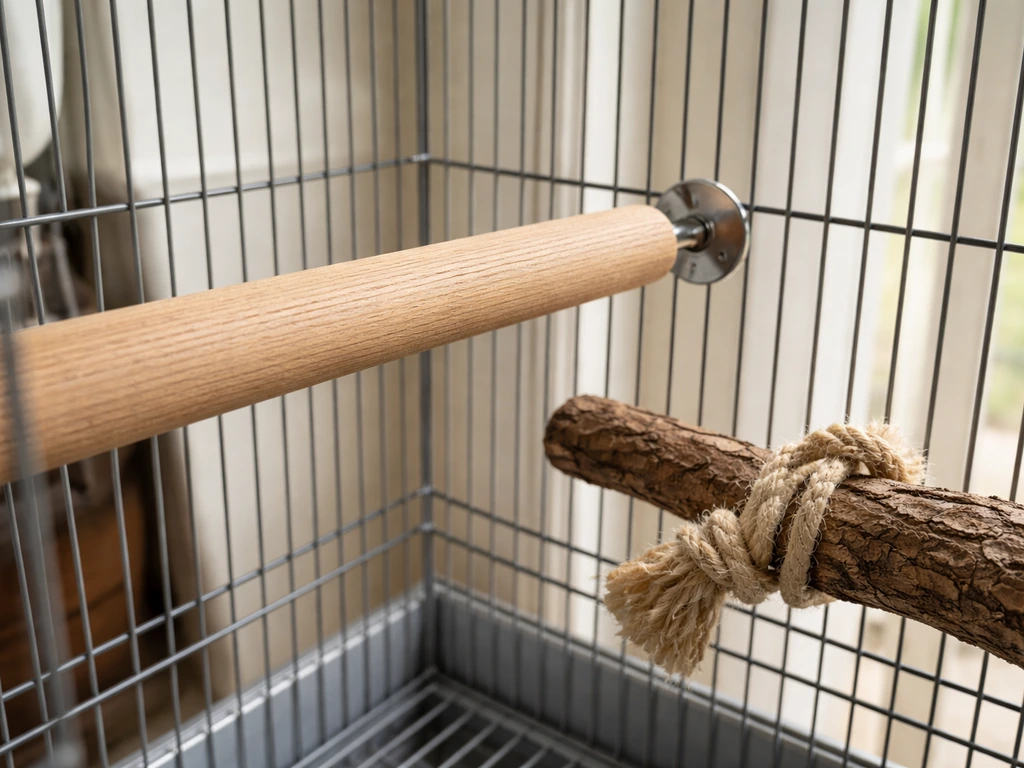
This is the most practical sense. A perch here is a physical rod or bar, and the conversation around it involves materials (wood, rope, concrete, natural branches), diameter relative to the bird's foot size, and placement inside the cage. Avian vets have specific recommendations, including cautions about certain rope materials that can cause problems if a bird chews and swallows fibers.
A Reddit r/cockatiel thread similarly warns against using synthetic fibers such as rope perches or toys around cockatiels, due to perceived risks if they chew and swallow fibers cautions about certain rope materials that can cause problems if a bird chews and swallows fibers.
The University of Florida veterinary guidance also advises avoiding perches made from concrete or abrasive materials as the only or highest perch, and monitoring rope perches because unraveled strands can entangle toes and should not be eaten avoid perches made from concrete or abrasive materials as the only perch or highest perch.
If you are trying to choose or describe a perch for a pet bird, this is purely a husbandry topic.
In birdwatching and field identification
Birders use "perched" constantly as a positional descriptor. "The warbler was perched at the top of the oak" tells you exactly where to look and gives you a still target to study. Cornell Lab's All About Birds framework actually recommends paying close attention to what a bird does once it perches: whether it scans side to side, bobs its head, or stays absolutely still helps narrow down species and behavior. A perched bird in birdwatching is an opportunity, a moment of stillness that makes identification possible.
At feeders and on branches
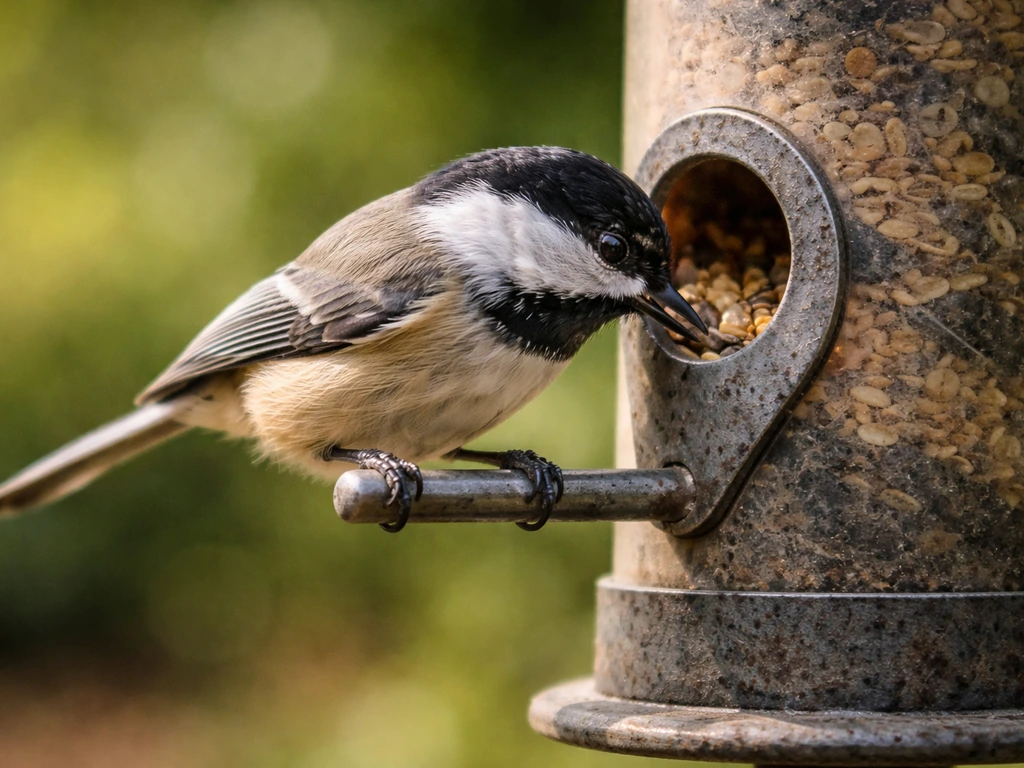
Bird feeders often include perch bars or landing spots as part of their design, and birds arriving at a feeder will perch briefly before or while feeding. This connects "bird perch" to the broader topic of bird feeding setups, which overlaps with questions about bird feed, bird seed, and suet as part of a complete backyard habitat.
If you are also curious about bird suet meaning, it is typically about how suet fits into backyard feeding and what the bird is signaling with its feeding behavior. If you are curious about the bird seed meaning behind the words, context and the type of seed your birds are using can change the interpretation bird feed, bird seed, and suet.
If you are also asking what bird feed means, that usually points to the role of food in the birds behavior and your backyard setup bird feed meaning. The perch in this context is functional: it gives the bird a stable footing to eat from, and it is also where you can observe behavior most closely.
In dreams and spiritual references
If you encountered "bird perch" in a dream journal, a spiritual symbolism dictionary, or a cultural reference, the object (the perch itself) becomes secondary to the scene. What matters is the bird species, the posture, where it is perched, whether it is watching you, and how the moment felt. These details are the raw material for any symbolic reading, and the perch itself mainly signals stillness and chosen position. In that symbolic reading, the bird crop meaning also depends on the posture and the emotional tone of the moment.
Bird behavior around perching: what it can actually signal
One of the genuinely useful things to understand is that perching is not a single behavior. A bird can perch while sleeping, while hunting, while singing, while waiting, or while digesting a meal. Each of these looks different if you know what to look for, and that matters whether you are birdwatching in the field or trying to interpret what a perched bird in a dream might mean.
- Sleep posture: one leg pulled up toward the body, feathers slightly fluffed, head tucked back into the shoulder feathers. Many songbirds sleep exactly like this on a branch. Their grip actually becomes more secure as they relax, due to the way their tendons work, so there is no risk of falling. This posture signals rest and safety.
- Alert/scanning posture: both feet on the perch, head upright or tilted, eyes moving. This is a watching bird, not a sleeping one. Cornell Lab's behavior guidance notes that scanning patterns, particularly the side-to-side or up-down head movements, help identify what a bird is tracking.
- Singing posture: elevated position, beak open, throat moving. Birds often choose high, exposed perches to broadcast calls as widely as possible. The perch here is a stage.
- Resting but awake: still, both feet down, head upright but not scanning actively. Common during digestion or in hot weather. Less purposeful-looking than alert scanning, less limp than sleep.
Research on poultry and wild birds confirms that birds perch far more during the dark period of the day than during daylight hours, which makes intuitive sense since most perching at night is roosting sleep. Time of day is therefore one of the simplest context clues: a bird perched at dusk with fluffed feathers is almost certainly settling in to sleep, while a bird perched at midday with an alert head is doing something else entirely.
For anyone reading a perched bird symbolically, these behavioral distinctions are actually useful anchors. A bird perched and watching carries very different energy (and symbolic resonance) than a bird perched and sleeping. The former suggests vigilance, awareness, a message being held. The latter suggests peace, safety, and settling. Neither reading is more correct than the other; the behavior details are just the evidence you use to decide which interpretation fits the moment you experienced.
How to decide which meaning you actually need
If you searched "bird perch meaning" today, here is a quick way to figure out what you are really asking: In short, the phrase “bird perch meaning” can point you to either the physical role of a perch or the symbolic messages tied to a perched bird.
- Where did you encounter the phrase? A cage setup article, a pet store, or a feeder guide points to the physical object. A dream, a spiritual text, a poem, or a cultural reference points to symbolism.
- What word form was used? "Perch" as a noun ("the perch in the cage") is about an object. "Perched" or "perching" as a verb or adjective ("the bird was perched") is about a posture or action, which is more likely to carry symbolic weight.
- Was a specific bird species mentioned? Species matter enormously in symbolic readings. An eagle perched is interpreted very differently from a sparrow perched or a crow perched.
- What was the bird doing on the perch? Use the behavior cues above: sleeping, scanning, singing, or simply resting. Each shifts the likely interpretation.
- What was the emotional or situational context? In a dream, how did it feel? In real life, was the encounter unusual or prolonged? Ordinary perching at a feeder is just birds being birds. A bird perching on you, or perching unusually close and holding your gaze, is the kind of specific detail that people tend to seek symbolic meaning for.
Running through those five questions will almost always clarify whether you need a husbandry answer or an interpretive one. And if the answer is interpretive, you have enough here to start reading the scene rather than just Googling for a single fixed meaning, which rarely captures what a specific encounter actually felt like.
FAQ
How do I choose the right perch if I’m using “bird perch” in the husbandry sense?
In pet-bird contexts, the safest “perch meaning” is functional stability. Use a perch diameter that roughly matches your bird’s foot grip, and rotate materials or sizes over time, because permanent one-size-perch setups can contribute to foot pressure issues.
Does “bird perch” only mean a cage rod, or can it mean other surfaces?
Yes. A “perch” can also be part of equipment beyond cages, such as a stand, play gym, or indoor play area. If the text mentions installation, safe materials, or bird-proof placement, it’s still the object meaning, not symbolism.
If a bird was perched in a dream, how can I tell whether the symbolism is positive or warning-like?
For symbolism, you can narrow meaning by asking whether the bird’s stillness felt calm, tense, or threatening. A relaxed posture (steady gaze, normal breathing) is often read as patience or awareness, while fixed staring, crouching, or agitation tends to point to unease or an urgent decision.
What posture details should I note when interpreting a perched bird symbolically?
Body position matters: a perched bird with a fluffed chest and loose feathers often suggests resting or transition toward safety, while a bird perched upright with frequent head scanning suggests vigilance and information gathering. Emotion in the dream is usually the tie-breaker.
Can the meaning change depending on whether I felt like an observer or a participant in the dream?
Not always. The same scene can be read differently depending on the setting (tree, cage, windowsill) and the observer’s role. If you were the one trapped or watching without control, interpretations often lean toward feeling “stuck,” even if the bird looked peaceful.
How can I tell whether “perching birds” refers to taxonomy instead of a symbolic scene?
“Perching birds” can be confusing because it is also used as a biological category (songbirds and relatives). If the sentence discusses classification, anatomy for gripping, or field-guide identification, it is the taxonomic meaning, not the dream meaning.
Does the time of day affect whether a perched bird’s behavior is about sleep versus awareness?
Time of day is a major disambiguator when you’re interpreting real-world encounters. At night it’s more likely roosting, so “perch” relates to sleep and safety. During daylight, perching more often supports feeding, scanning, or territorial behavior.
What quick wording cues can I use to decide if “bird perch meaning” is literal or spiritual?
If the phrase appears alongside “diameter,” “chew,” “fibers,” “mounting,” or “placement,” it’s almost certainly husbandry. If it appears near “omen,” “spirit,” “message,” or a specific dream scenario, it’s likely interpretive.
What small behaviors can change the meaning even when the bird doesn’t move much?
A perched bird can look “still” but still be communicating through micro-behaviors. Watch for head bobbing, tail fidgeting, beak wiping, or scanning patterns, because these often indicate different activities (resting versus readiness) even though the bird remains on the perch.
Next Article
Bird Perches Meaning: What It Signals and How to Interpret
Understand bird perches meaning from real behavior to symbolism, with how to interpret sightings by species, place, and