
Yes, bird poop landing on you is widely considered good luck, and that belief shows up across dozens of cultures with no single point of origin. But here is the honest take: the omen is fun to lean into, and the hygiene step is non-negotiable. You need to do both. This guide walks you through what the superstition actually means, what to do in the next five minutes, what the real health considerations are, and how to prevent a repeat.
Bird Pooping Good Luck: Meaning and Safe Clean-Up Tips

Marcus Holloway
22 Mar 2026
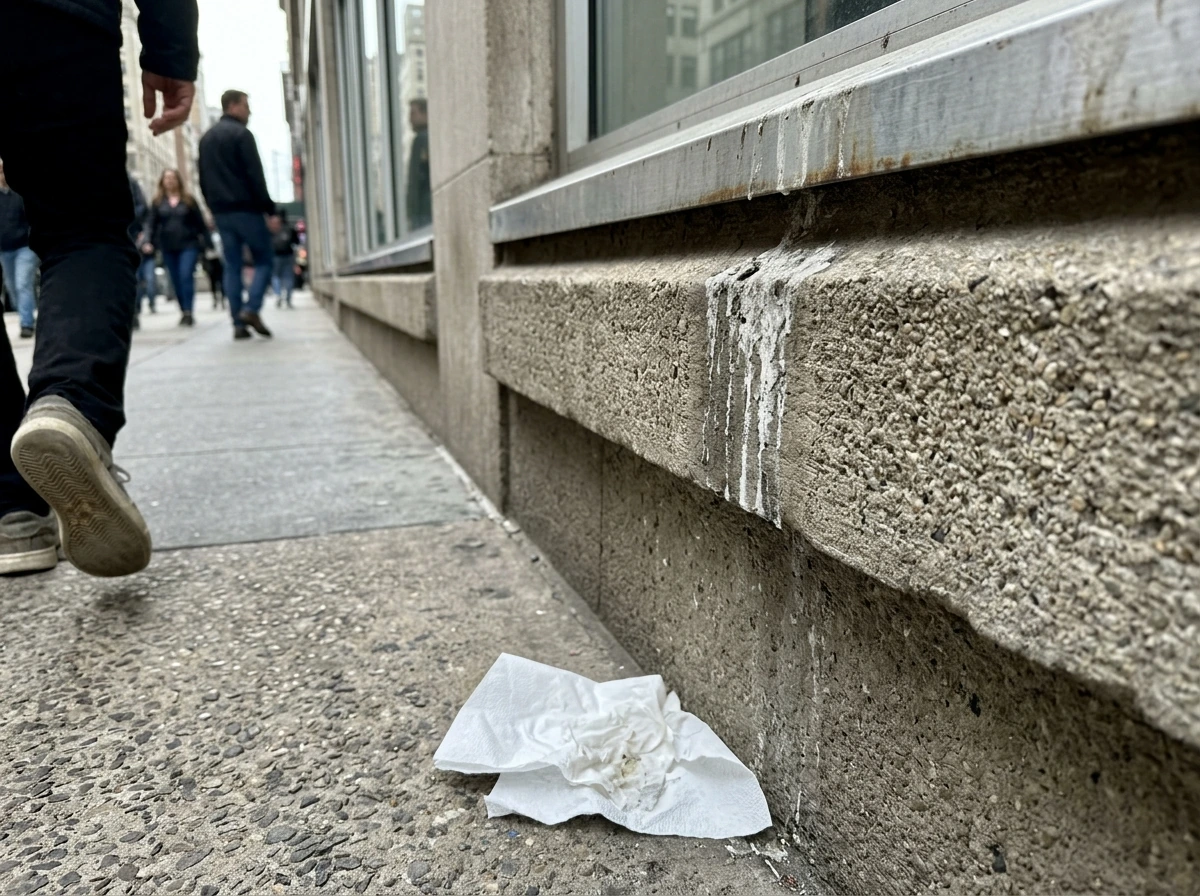
What 'bird pooping good luck' actually means
The idea that bird droppings bring good fortune is one of the most persistent scatological superstitions in folk culture. Researchers who track superstitions note that they tend to stick around when a chance event gets mentally linked to something positive that follows. You get hit, you win a prize later that week, and your brain files that away. Multiply that across centuries of people and the belief takes on a life of its own.
What makes the bird version especially durable is that it crosses cultural lines. Catholic folk tradition has associated bird droppings with incoming fortune, and Turkish culture carries a similar belief. The exact origin is genuinely elusive, as researchers who have tried to pin it down have found. What is clear is that birds themselves have held symbolic weight across nearly every human culture: messengers, omens, divine intermediaries. When something as startling as a direct hit happens, the folklore instinct is to read it as a message rather than random chance.
The superstition also fits a broader pattern. Stepping in dog poop is considered lucky in several traditions for similar reasons. The logic, if you want to call it that, seems to be: something mildly unpleasant happened unexpectedly, so the universe must be evening things out in your favor. It is the same cognitive loop behind most luck-based folk beliefs. If you want a deeper look at the symbolism attached specifically to where and how a bird targets you, the articles on bird poop on your left shoulder meaning and bird droppings on head meaning go into that interpretive territory in more detail.
Clean up first, interpret second
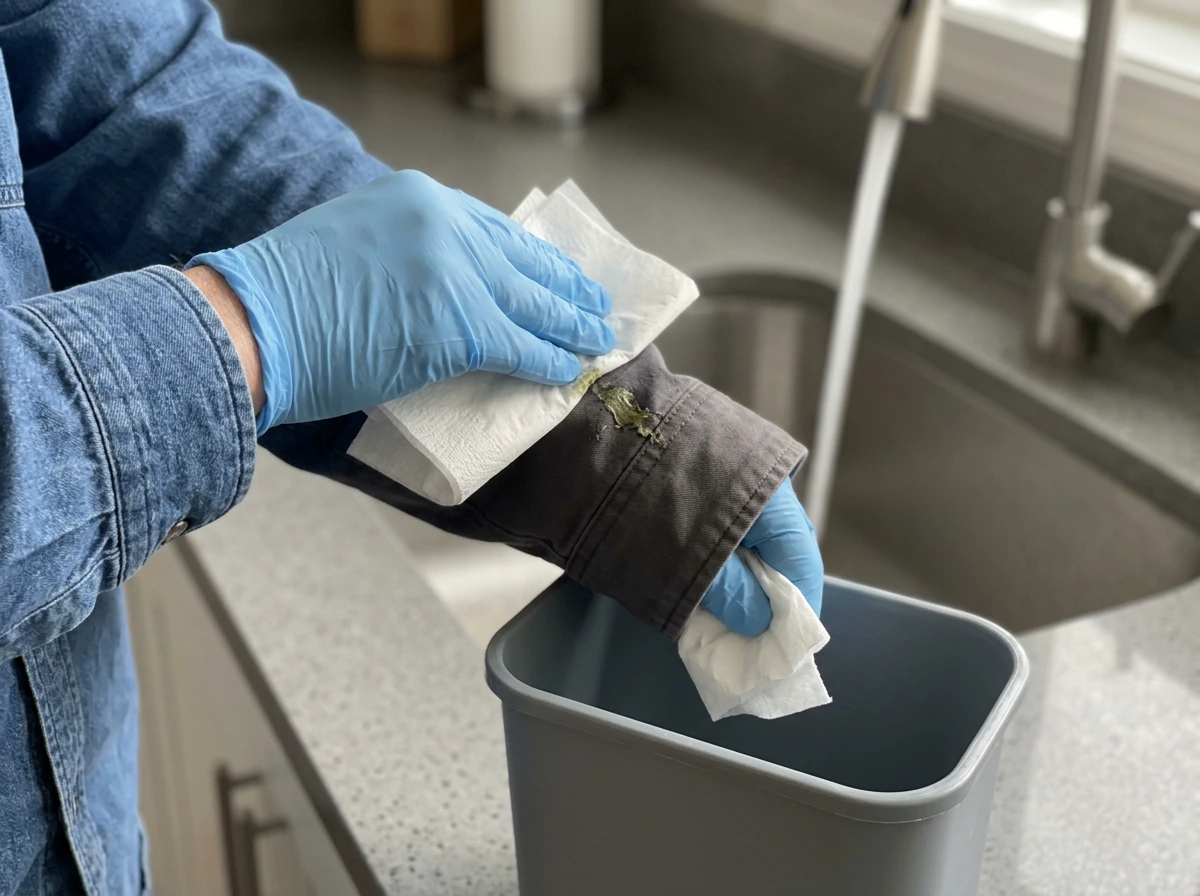
This is the section that matters most right now if it just happened. Bird droppings can carry bacteria and fungal spores, so your first move should be hygiene, not checking your horoscope. Here is exactly what to do. bird poaching meaning
If it landed on your skin
- Do not rub it in or spread it around. If it is still wet, gently blot or scrape it off with a tissue, paper towel, or whatever is available.
- Wash the affected area thoroughly with soap and running water. The CDC specifically recommends thorough handwashing with soap and running water after touching bird droppings, and that applies to any exposed skin.
- If you are outdoors and do not have access to soap and water immediately, use a hand sanitizer as a stopgap, but wash properly as soon as you can.
- Avoid touching your face, eyes, or mouth before you have washed your hands.
If it landed on your clothing
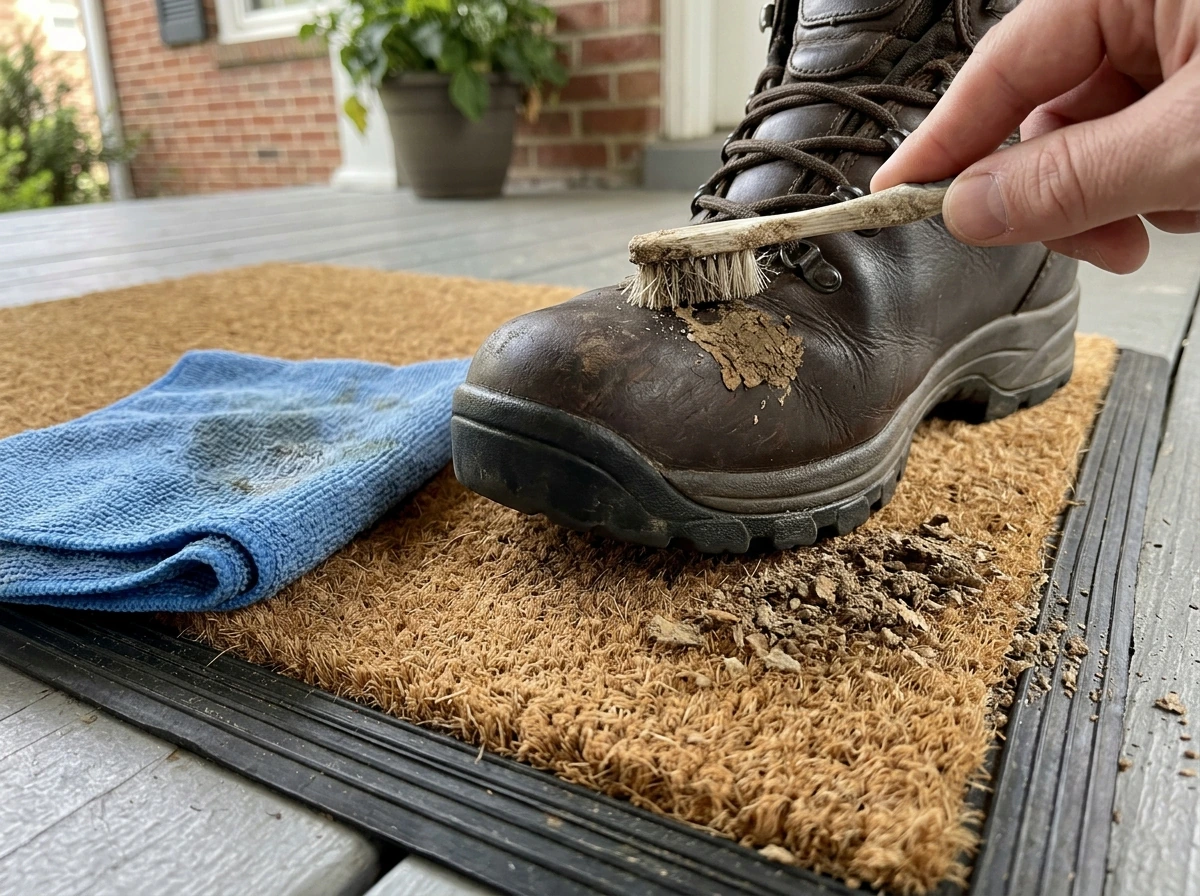
- Let it dry slightly if it is fresh and wet, then scrape off the bulk gently before treating. Rubbing wet droppings into fabric pushes it deeper into the fibers.
- Rinse the fabric under cold water from the back of the stain to push it out, not further in.
- Wash the garment separately in your regular laundry cycle as soon as possible.
- Do not dry-clean without spot treating first, and do not put the item in a dryer until the stain is fully out.
If it landed on your shoes
Let it dry and then brush or scrape it off with an old toothbrush or stiff brush. Wipe down with a damp cloth and a mild soap solution. Wash your hands thoroughly afterward. Birmingham City Council guidance specifically recommends cleaning footwear and washing hands with soap and water after contact with bird droppings.
Does bird poop actually signal anything, luck or health risk?
From a purely practical standpoint, bird droppings can carry pathogens. The key ones to know about are psittacosis (a bacterial infection), histoplasmosis (a fungal lung infection), and cryptococcosis (another fungal infection). Those names sound alarming, but the important context is that the primary transmission route for all three is inhalation of dried, aerosolized droppings dust, not a brief skin splash from a passing bird.
The NYC Department of Health specifically names pigeon droppings as associated with those three conditions and notes that infection occurs mainly by breathing in dust created when cleaning droppings. The National Park Service and the CDC both reinforce this: risk goes up significantly when you are stirring up dust in an area heavily contaminated with large quantities of droppings, not from a single fresh drop landing on you while you walk down the street.
So, a random bird hit on a sunny afternoon is a hygiene nuisance, not a medical emergency for most people. Wash it off properly and move on. The luck reading and the health reading are not really in conflict here: the omen is harmless folklore, and so is the exposure, as long as you handle the clean-up correctly.
Spiritual and cultural readings versus practical reality
Across cultures, birds have long been treated as carriers of meaning. In many traditions, an unexpected encounter with a bird, especially one that involves direct physical contact, is read as a message or a threshold moment. The good luck framing is the most common interpretation in Western and Mediterranean folk belief, but the underlying idea is consistent: birds operate between realms, and when one singles you out, something is being communicated.
That interpretive instinct is worth respecting as a cultural phenomenon even if you do not personally hold it as literal truth. The same pattern shows up in dream symbolism (birds in dreams are frequently read as omens or messages), in idioms built around bird encounters, and in folk traditions around finding feathers or hearing specific birdsong. You can explore the broader spiritual meaning of a bird pooping on you in the dedicated article on that topic, which covers interpretive frameworks from multiple traditions. You can also compare it with the bird pooping on car meaning angle for how location and context can shift the interpretation bird pooping on you.
The practical reality sits alongside all of that without canceling it. Wash your hands, treat your clothing, and then decide what the event means to you. These are not competing instructions.
| Lens | Interpretation | Practical implication |
|---|---|---|
| Western folk belief | Good luck, fortune incoming | Enjoy the omen, take no action beyond cleaning |
| Turkish tradition | Sign of good fortune | Same as above |
| Catholic folk tradition | Blessing or positive sign | Same as above |
| Public health (CDC/NYC Health) | Potential pathogen contact, low risk from brief exposure | Wash skin and clothing thoroughly with soap and water |
| Ornithological/behavioral | Birds defecate frequently and aim for nothing; you were in range | Situational awareness near perching or roosting areas |
How to stop it from happening again
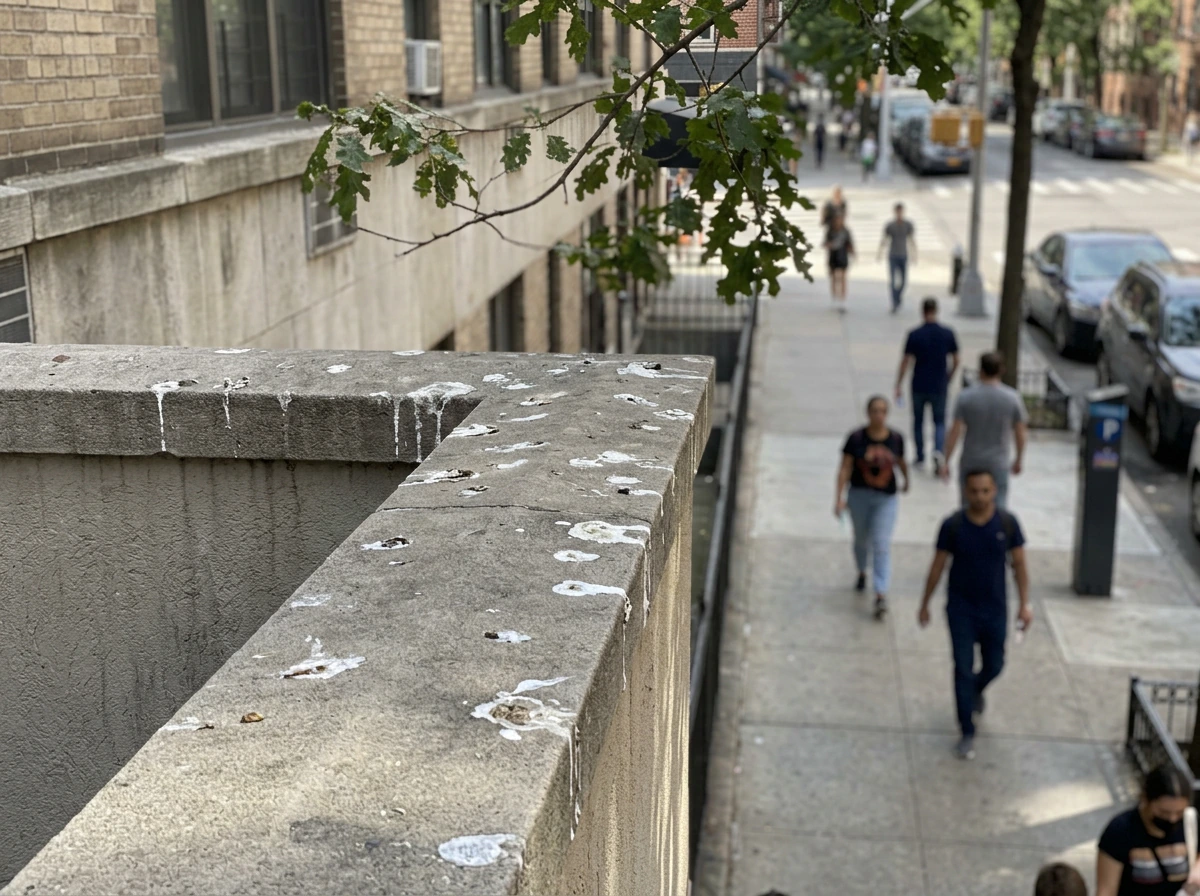
Birds do not target people, but they do defecate frequently and often from perching spots above walking paths, benches, outdoor seating, and parked cars. If you are trying to interpret a bird poop incident on your car, the meaning and common symbolism can be a bit different from other spots <a data-article-id="7C9C5EB5-1E69-42A5-9E9E-E10AAE38160E">bird poop on car meaning</a>. Reducing your exposure is mostly about situational awareness and a few behavioral adjustments.
Behavioral and situational tips
- Avoid standing or sitting directly under trees, ledges, power lines, or signs where birds are visibly perching or roosting. Those are the primary drop zones.
- Move through congregating bird areas (plazas with pigeons, waterfronts with gulls) without lingering. The longer you are in the zone, the higher the odds.
- If you are eating outside, stay aware of overhead cover. Birds are attracted to food scraps and tend to concentrate near outdoor dining areas.
- At bird feeders or wildlife areas, position yourself off to the side rather than directly below the feeder.
- Do not hand-feed birds directly, which brings them close enough to increase splatter risk.
Clothing and protection choices

- In areas with high bird activity, wearing a hat provides a simple physical barrier and keeps droppings off your hair and scalp, which are harder to clean quickly.
- Avoid leaving light-colored outerwear exposed in high-traffic bird zones. Darker fabrics show stains less obviously, though the cleaning steps are the same.
- If you are doing any kind of cleanup work around large accumulations of bird droppings (not a casual hit, but actual nest or roost removal), wear gloves, eye protection, and clothing you can wash separately. WorkSafe Queensland specifically recommends this level of PPE for that kind of work.
When to actually worry: eyes, broken skin, and symptoms
For the vast majority of people, a bird dropping on intact skin followed by proper washing requires no further action. But there are a few situations that warrant more attention.
Eye contact
If droppings got into your eye, flush the eye immediately with clean running water for several minutes. Do not rub. If irritation, redness, or discharge develops afterward, see a doctor. This is not common from a casual outdoor hit, but it is the scenario most worth acting on quickly.
Broken skin or open wounds
If droppings landed on broken skin or an open wound, wash thoroughly with soap and water and monitor the area. If you notice signs of infection (redness spreading, warmth, swelling, or discharge) in the following days, see a doctor and mention the exposure.
Allergies and skin reactions
Some people develop contact dermatitis or irritation from bird droppings, particularly with repeated exposure. If you develop a rash, significant itching, or swelling at the contact site after washing, an antihistamine can help with mild reactions. See a doctor if it does not resolve or worsens.
Respiratory symptoms after dust exposure
If your exposure was more than a passing splash, for instance if you disturbed a dry accumulation of droppings and inhaled dust, watch for flu-like symptoms in the days following: fever, cough, chest tightness, or fatigue. Both histoplasmosis and psittacosis can present this way after meaningful inhalation exposure. The UK Health Security Agency notes that even brief, passing exposure to dried contaminated droppings can occasionally lead to psittacosis in humans. If symptoms develop, tell your doctor about the exposure specifically.
People with compromised immune systems
If you are immunocompromised (due to illness, medication, or treatment), you face higher risk from fungi like Cryptococcus, which is found in pigeon and other bird droppings. Victoria's public health guidance specifically flags immunosuppressed individuals as a group that should avoid dusty activities in dropping-contaminated areas. If this applies to you, check in with your doctor even after what seems like a minor exposure.
Quick reference: when to seek help
| Situation | Recommended action |
|---|---|
| Skin contact, intact skin, properly washed | No further action needed |
| Eye contact | Flush with clean water for several minutes; see a doctor if irritation persists |
| Contact with open wound or broken skin | Wash thoroughly; monitor for infection signs; see a doctor if concerned |
| Skin rash or allergic reaction develops | Antihistamine for mild cases; see a doctor if worsening |
| Respiratory symptoms after dust/dry dropping exposure | See a doctor; mention the exposure explicitly |
| Immunocompromised and any meaningful exposure | Consult your doctor proactively |
What to do with the rest of your day
Once you have cleaned up properly, the question of what the event means is entirely yours to answer. The folklore tradition says good luck is incoming, and there is something genuinely useful about that framing even if you do not take it literally. Unexpected events that momentarily disrupt your routine have a way of resetting your attention, and you can use that. bird poop on car meaning islam
A few grounded ways to work with the omen, whatever your level of belief in it:
- Treat it as a prompt to follow up on something you have been putting off, a call you meant to make, an opportunity you have been sitting on. The 'good luck' framing works best as motivation, not passive expectation.
- Notice whether the event has shifted your mood or attention in any way. Folklore researchers point out that superstitions gain power partly because they change behavior, and changed behavior often produces different outcomes.
- If you are drawn to the symbolic dimension, consider what species of bird was involved. Different birds carry different cultural associations, and those distinctions matter in interpretive traditions. A pigeon in a city square carries different folklore weight than a hawk or a sparrow.
- If you are more practically minded, just register it as a statistically inevitable outdoor event, handle the hygiene, and carry on. Both responses are completely valid.
The site covers a lot of ground on bird encounters and what different traditions make of them, from dream symbolism to idioms to specific encounter meanings. If you are curious about the bird poop on me meaning, those questions have their own dedicated discussions. bird poop on me meaning But for right now, you have handled the practical part, you understand the omen's roots, and you know exactly when to take any health concern seriously. That is a complete response to what just happened.
FAQ
Does bird poop on my clothes count as higher risk than on my skin?
Usually the risk is similar as long as you remove it promptly and avoid shaking or brushing it while it is dry. Wash the item in warm water if the fabric allows, and wear gloves when handling heavily soiled fabric. Afterward, wash your hands and avoid re-wearing until it is fully cleaned.
What should I use to clean shoes, and should I use hot water or disinfectant?
Let droppings dry first, then scrape/brush it off. For the remaining residue, wash with soap and water, and allow the shoe to dry thoroughly. A strong disinfectant is not necessary for intact skin contact situations, but if you will be cleaning a heavily contaminated area on multiple days, focus on soap-and-water cleaning plus thorough handwashing.
Is it safe to wipe bird poop off right away with a tissue or wet wipe?
It is better than doing nothing, but a quick wipe can spread material and, if the droppings are dry, can still create dust. If it is fresh and wet, blot and remove gently. If it is dry, do not aggressively rub; instead let it dry fully, then scrape or brush, and wash afterward.
What if bird poop got on my eye, and I wear contact lenses?
Flush the eye with clean running water for several minutes and do not rub. Remove contact lenses during the flush if they are in place and safe to take out. If you later have pain, ongoing redness, light sensitivity, or discharge, seek medical care and mention bird droppings exposure.
How do I handle it if my car windshield or dashboard got splattered?
Avoid scraping dry residue with a dry rag that could scratch. Let it soften with water, then clean with a car-safe cleaner. Do not use compressed air or anything that blows dried droppings into the air. Wash your hands after cleaning, and keep pets away while the interior dries.
Can I get sick from one accidental hit while walking outside?
For most people, a brief skin contact followed by proper washing does not pose a significant illness risk. The bigger concern is inhaling dust created when large amounts of dried droppings are disturbed. If you only had a small, fresh splash, watch for symptoms over the next few days mostly as a precaution rather than expecting illness.
Should I worry if I feel fine but the incident happened near a lot of accumulated droppings?
Yes, it is worth taking extra caution if you were in an area with heavy build-up, such as under a roost or around frequent perching spots. Keep yourself out of dusty areas while cleaning, avoid sweeping dry material, and if you develop flu-like symptoms such as fever, cough, or chest tightness, contact a clinician and describe the exposure.
What if I got bird droppings into a cut or open wound?
Wash thoroughly with soap and water as soon as possible. Keep an eye on the area over the following days for worsening redness, warmth, swelling, or discharge. If signs of infection develop, seek medical care and mention that there was bird droppings exposure.
What symptoms should make me call a doctor after possible inhalation exposure?
Seek medical advice if you develop fever, cough, chest tightness, unusual shortness of breath, or significant fatigue in the days after being around dust from dried droppings. Tell them you may have inhaled aerosolized contamination during cleaning or disturbance of droppings.
I’m immunocompromised. What practical steps should I add beyond basic cleanup?
Avoid dusty activities in areas with droppings, and do not handle heavy contamination yourself. If cleanup is unavoidable, use appropriate protection like gloves and a well-fitting respiratory mask rated for fine particles, minimize agitation that creates dust, and arrange help from someone without higher-risk factors if possible. Check with your clinician even after a minor exposure.
Can repeated small exposures cause a skin allergy or rash?
Yes. Some people develop irritation or contact dermatitis after repeated contact. If you develop a rash, significant itching, or swelling at the contact area after washing, consider an over-the-counter antihistamine for mild reactions and seek medical care if it does not improve or it worsens.
Should I throw away an item that got bird poop on it?
Often no. Most clothing and fabric items can be cleaned effectively if you remove the residue and wash thoroughly. You might consider discarding only items that cannot be cleaned safely, or if you cannot remove contamination without creating dust and the item is heavily soiled.
Does cleaning after bird poop affect the “good luck” part, should I do anything superstitious too?
You can keep the superstition as a mental ritual, but safety comes first. If you want a symbolic approach, focus on a small action like saying a phrase, changing your route, or doing a quick self-care reset, then complete hygiene steps correctly. The best “luck” outcome is reducing exposure risk.
Next Articles
Bird Droppings on Head Meaning: What It Really Means
Clear meaning of bird droppings on your head, plus safe cleanup steps and cultural symbolism and prevention tips.
Bird Poop on Me Meaning: What It Usually Signifies and What to Do
Bird poop on me meaning by body spot and folklore, plus safe cleaning and what to do right now.
Bird Poop on Car Meaning in Islam: What to Do Today
Islamic take on bird poop on a car, head, or you with practical cleanup, purity steps, and dua reset guidance.