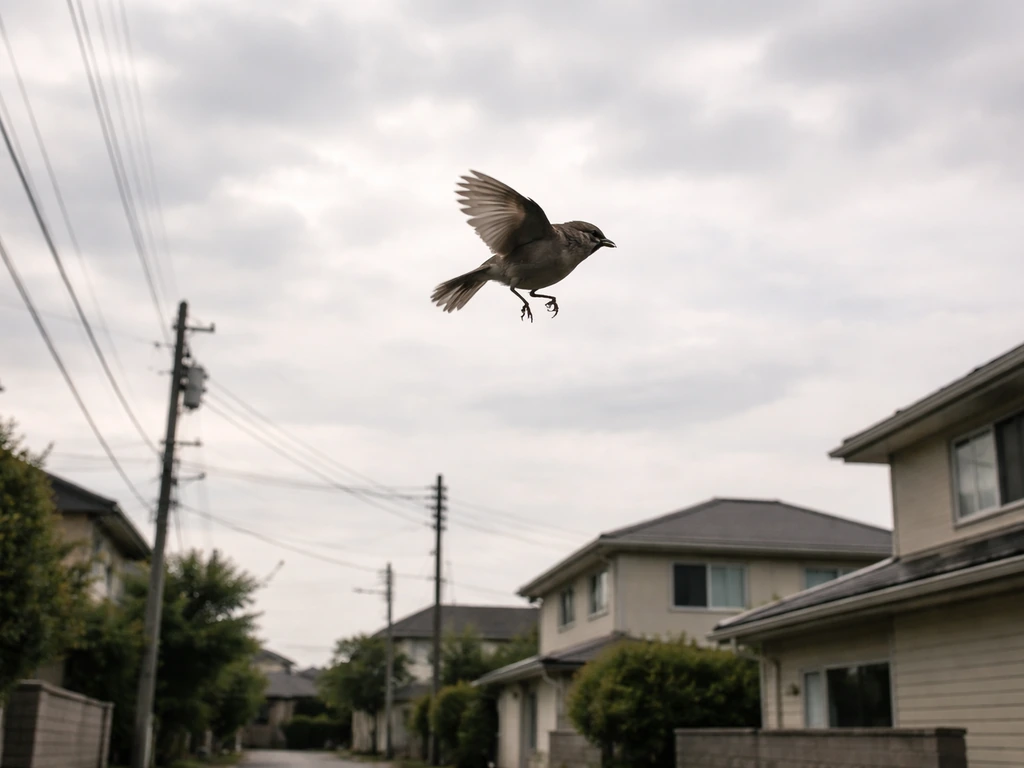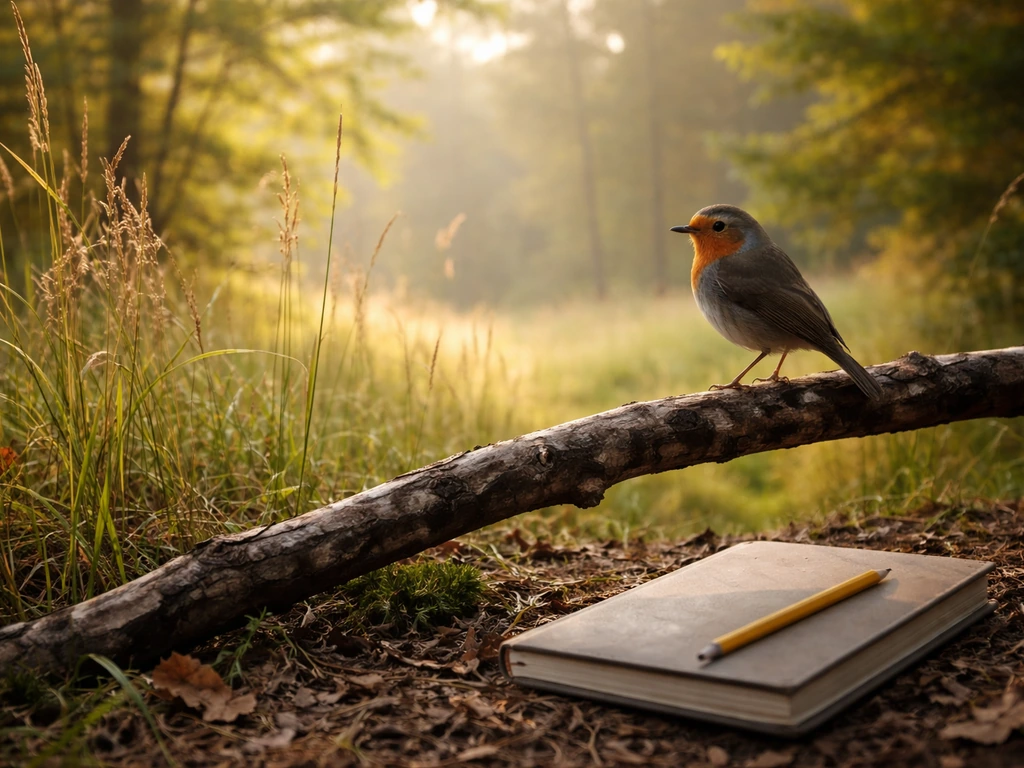
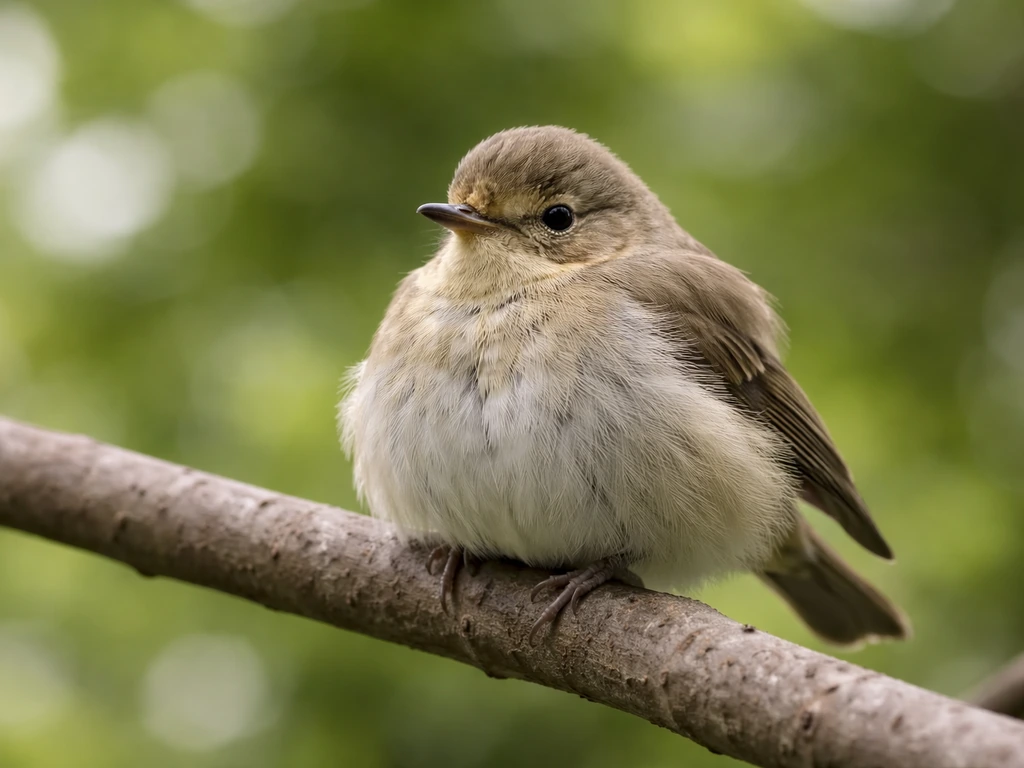
Bird loafing means a bird is simply resting, doing nothing in particular, and conserving energy. It's a casual term used by birders and wildlife observers to describe a bird that's parked somewhere quietly, not actively feeding, flying, or courting. Think of a gull sitting on a dock post, a heron standing motionless at the water's edge, or a robin puffed up on a fence rail on a cold morning. That's loafing. It's normal, healthy behavior, and most of the time when you see a bird doing it, the right move is to leave it alone.
Bird Loafing Meaning: Behavior vs Lazy Slang and What to Do

Marcus Holloway
28 Jun 2026
Where the term comes from and what it actually means

The word 'loafing' in everyday English means spending time in an idle, relaxed way, essentially doing nothing useful. That's the dictionary definition from both Cambridge and Dictionary.com, and it maps almost perfectly onto what birders mean when they use the phrase. 'Bird loafing' isn't an official ornithological term with a clinical definition, but it's widely used in birding circles and checklists to describe stationary, inactive birds. It's observational slang that stuck because it's descriptive and immediately understood.
Some people searching for 'bird loafing meaning' may be wondering if there's a deeper idiom or metaphorical meaning at play, like the way 'bird-brained' is an idiom for someone acting foolishly. People may also search for bird falling from sky meaning, but that is generally a sign of distress or an injury rather than a special idiom bird loafing meaning. There isn't one here. Unlike phrases such as 'bird-dogging' or 'bird law,' 'bird loafing' hasn't evolved into a cultural idiom with a separate human meaning. It's just birds, being lazy in the literal sense, and birders borrowing that human word to describe what they see.
What a loafing bird actually looks like
Loafing has a recognizable look once you know what to watch for. A bird in a genuine resting posture is relaxed but not distressed. The feathers may be slightly fluffed for warmth or comfort, but not dramatically puffed. The bird is aware of its surroundings and will track movement with its eyes or adjust its position if you get too close. It's alert, just not active.
Common loafing postures include standing on one leg with the other tucked up (especially common in wading birds and shorebirds), sitting with the bill tucked under a wing, or simply sitting quietly with feathers resting flat. If you notice a bird hanging upside down from a branch, the bird hanging upside down meaning can differ from loafing and may signal different behavior or conditions. Research on bird resting postures documents the 'head-on-back' position with the beak tucked under the back feathers as a classic resting stance. You'll also see birds transition in and out of preening during a loafing session, using their bill to realign individual feather filaments, which is routine maintenance rather than a sign of stress.
- Standing on one leg, body low and settled
- Bill tucked under a wing or against the chest
- Eyes open, tracking the environment slowly
- Feathers smooth or only slightly puffed
- Occasional preening between rest intervals
- Responsive to nearby movement or sound (will shift or look up)
You'll see loafing in almost every bird family. Gulls do it in large congregations on beaches or parking lots. Raptors sit on fence posts or telephone poles for long stretches between hunts. Waterfowl loaf on sandbars and shorelines for hours at a time. Even small songbirds will sit quietly in the middle of a shrub, barely visible, just resting between feeding bouts.
Normal loafing vs. something is actually wrong
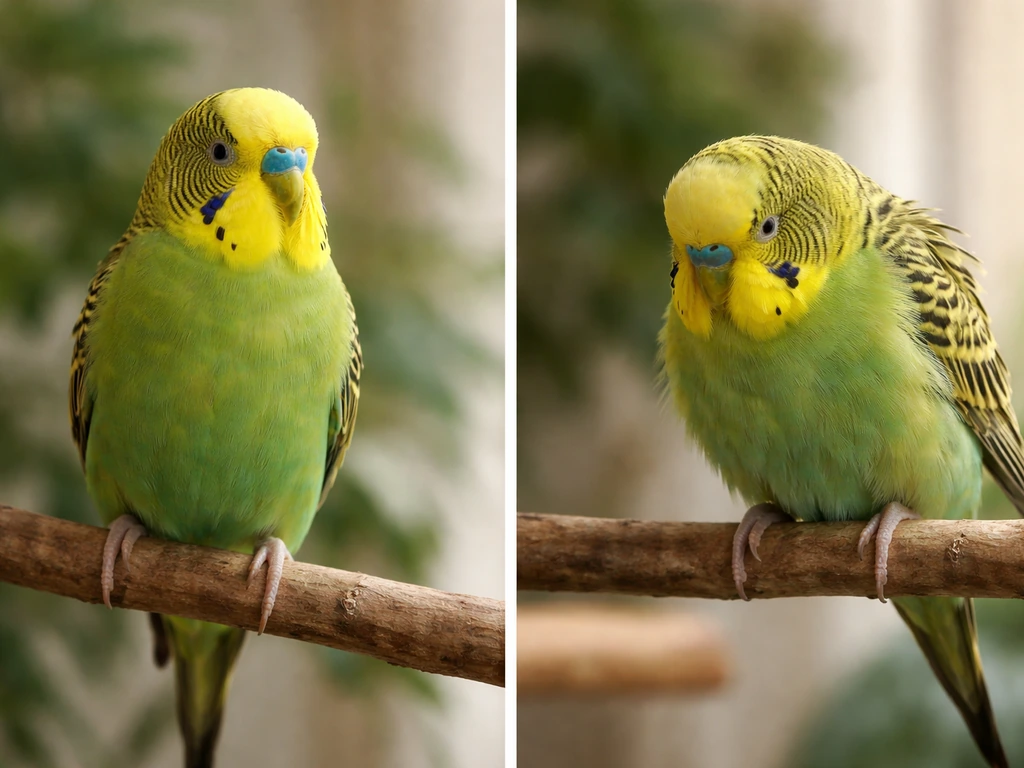
This is the part that matters most if you're watching a bird right now. If you saw a bird suddenly swoop and then pause, that quick movement can help clarify what a bird swooping means in context bird swooping meaning. A loafing bird and a sick or injured bird can look similar at first glance, but there are real differences if you take a moment to observe carefully. Birds are instinctively good at hiding illness because showing weakness makes them a target, so subtle signs matter more than obvious ones.
| Observation | Normal loafing | Possible injury or illness |
|---|---|---|
| Eyes | Open, tracking movement, blinking normally | Closed or half-closed, dull, glassy |
| Feathers | Smooth or slightly puffed for warmth | Dramatically puffed, ruffled, or matted |
| Responsiveness | Moves away or adjusts if approached | Allows close approach, doesn't flee |
| Posture | Balanced, stable, alert | Hunched, tipping, unable to hold head up |
| Breathing | Steady, not visible | Visible rapid breathing or panting for 2+ hours |
| Physical signs | None visible | Bleeding, drooping wing, visible wound, swelling |
| Location | Perch or natural resting spot | Ground in open, road, parking lot, sidewalk |
The location tells you a lot. A songbird sitting quietly in a tree or a gull resting on a beach is almost certainly just loafing. A bird sitting in the middle of a sidewalk, a road, or an open lawn and not moving when people walk past is a different situation. Healthy birds maintain a 'flight distance' and will move away before you get close. If a bird lets you walk up to within a few feet without reacting, that's a red flag.
Puffed feathers alone don't mean a bird is sick. Birds fluff up in cold weather to trap heat, and young birds may look puffed because their feathers aren't fully developed yet. But if puffed feathers come with closed eyes, visible weight loss (a keel bone you can see or feel through the skin), or breathing problems, that combination points toward illness or injury. The Tufts Wildlife Clinic specifically flags 'quiet, dull, eyes closed, and puffed up' as signs that a bird needs help.
What to do right now if you're watching a loafing bird
If the bird looks healthy by the checklist above, the best thing you can do is nothing. Give it space. Most wildlife agencies, including the U.S. Fish and Wildlife Service, say the best default action when you encounter a wild animal is to leave it alone. A bird that's loafing normally doesn't need your help, and approaching it just burns energy it needs for thermoregulation and survival.
- Stop and observe from a distance of at least 10 to 15 feet before doing anything else.
- Check for the red-flag signs listed above: closed eyes, open wounds, drooping wing, allowing close approach.
- Keep pets and children away from the area while you assess.
- If the bird looks healthy, step back further and watch for a few minutes. A loafing bird will eventually move on its own.
- If something seems off, take photos or short video clips from a distance without chasing the bird.
- If the bird is in a dangerous location (road, open pavement with traffic), note whether it moves on its own before intervening.
- Do not try to feed the bird. Do not offer water by forcing it. Do not handle the bird unless it is clearly injured and in immediate danger.
If you determine the bird does need help, Mass Audubon recommends placing an injured bird in a small, ventilated cardboard box lined with a soft cloth, keeping it in a dark, quiet place away from noise and drafts, and then calling a wildlife rehabilitator immediately. Don't try to nurse it yourself. Raising wild birds in captivity without permits is illegal in the United States, and well-intentioned handling often causes more stress and harm.
How birds resting fits into cultural and spiritual symbolism
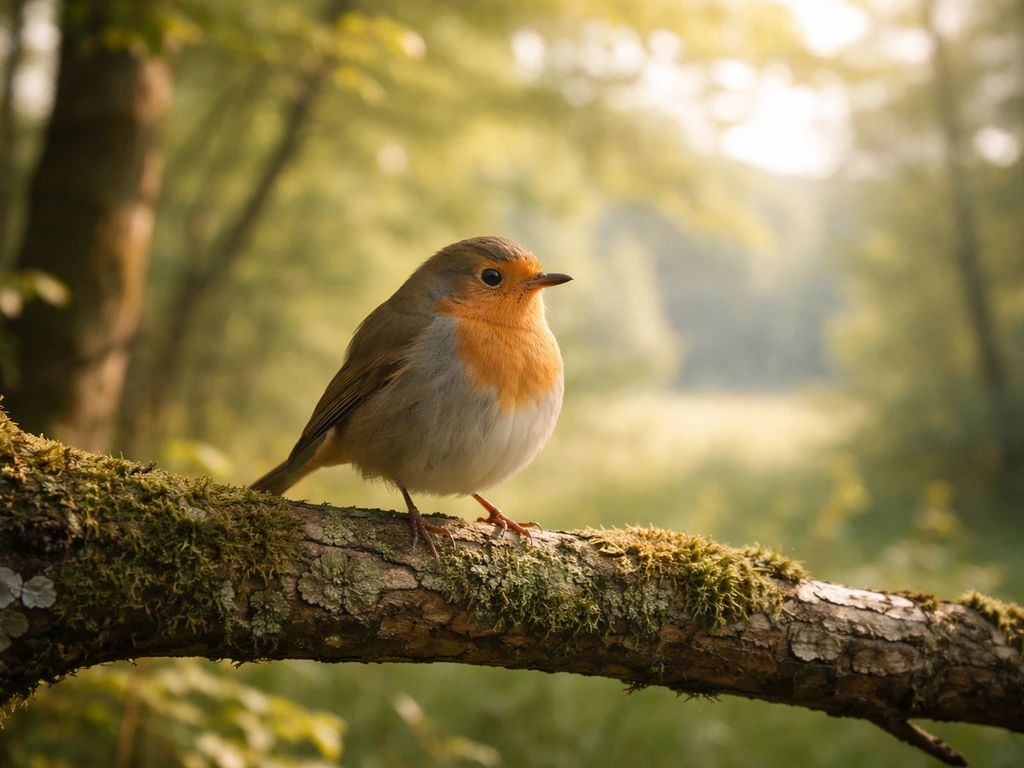
Across many cultures, a resting bird carries its own symbolic weight, distinct from a bird in flight or a bird calling. Some people also connect unusual cloud shapes to similar ideas, like how a bird-shaped cloud is said to hold meaning in certain traditions resting bird carries its own symbolic weight. In folklore and spiritual traditions, birds at rest have often been read as messengers pausing before delivering their meaning, or as symbols of calm, presence, and stillness. In Indigenous American traditions documented by scholars of bird-human relationships, different birds in different postures held specific significance tied to place, season, and context, not a single universal message.
In a broader symbolic sense, a bird sitting quietly can represent peace, patience, or a moment of pause in the middle of a busy world. If you're drawn to the symbolic angle of seeing a bird loafing near you, it's worth noting that most cultural traditions interpret bird symbolism through context: what kind of bird, where it appeared, what time of day, and what was happening in your life at that moment. A resting heron near water reads differently in folklore than a loafing crow in a cemetery.
That said, it's easy to over-read. The honest starting point is the behavioral one: the bird is resting because it needs to rest. From there, if you want to layer on meaning, you can do that thoughtfully without projecting urgency onto a perfectly healthy bird that's just conserving energy. Related bird behaviors like circling, swooping, or a bird hanging upside down carry their own distinct symbolic and behavioral readings, and context always matters more than a single interpretation. If you’re noticing bird circling, the meaning can differ from simple resting depending on why the bird is moving.
When it comes to symbolism, the most responsible approach is the same one you'd use with any cultural interpretation: hold it lightly, cross-reference it with the actual behavior, and don't let a symbolic reading delay getting help for a bird that genuinely needs it.
When to call wildlife experts and how to document what you're seeing
If you've watched the bird for a reasonable period and it still hasn't moved, or if it's showing the injury or illness signs described above, it's time to contact a licensed wildlife rehabilitator. The CDC, USFWS, and most state wildlife agencies all say the same thing: don't try to treat wild animals yourself, but do contact professionals quickly because speed improves outcomes.
Before you call, document what you're seeing. The Best Friends Animal Society recommends being ready to share your name, your exact location, the time you first noticed the bird, a description of the species if you can identify it, and a clear account of what you observed. Photos and short video clips are genuinely helpful and often speed up triage. Get the shots from a distance without chasing the bird.
- Your location (address, cross streets, or GPS coordinates)
- Date and time you first noticed the bird
- Species or a description (size, coloring, beak shape, any markings)
- What the bird is doing: posture, breathing, responsiveness, location
- Whether there are signs of trauma (bleeding, drooping wing, visible wound)
- Whether a cat, car, or window may have been involved
- Photos or video taken from a safe distance without disturbing the bird
To find a rehabilitator near you, the Wildlife Center of Virginia maintains a national rehabilitator directory, and the USFWS can direct you to your state wildlife agency. If you're in Virginia specifically, the state's toll-free wildlife conflict helpline at 1-855-571-9003 operates Monday through Friday, 8 AM to 4:30 PM, and can connect you to a permitted rehabilitator. For birds showing broken bones, bleeding, deformity, cat bite wounds, maggots, or neurological signs like head tilting, don't wait and reassess; those birds need a wildlife veterinarian today. Virginia DWR also notes that blank" rel="noopener noreferrer">birds with broken bones, bleeding, deformity, cat bites or puncture wounds, maggots or warbles, tilting head, or large bubbles under the skin should be taken to a wildlife veterinarian or rehabilitator. If you cannot determine the mother is returning or the bird still hasn’t been moved after 24 hours, contact a licensed wildlife rehabilitator blank" rel="noopener noreferrer">reassess; those birds need a wildlife veterinarian today.
If the bird appears to be a fledgling (partially feathered, hopping on the ground), the standard advice from the Utah Division of Wildlife Resources and the Wildlife Center of Virginia is to watch from a distance and look for a parent nearby. Fledglings often spend a few days on the ground while learning to fly, and parents continue feeding them during this time. Moving a fledgling that doesn't need help can actually separate it from its parents. Unless it's in immediate danger from a road or a pet, watch before you act.
FAQ
How long should I watch a bird that seems to be loafing before deciding it might be sick?
A quick look is useful, but the key threshold is change over time. If the bird stays in the same resting posture with no normal alert response, or you notice worsening signs like closed eyes, labored breathing, or progressive weakness over about 30 to 60 minutes, it’s reasonable to contact a wildlife rehabilitator. If you can, check from a distance first, then again after a short interval.
Can a loafing bird be asleep, and how can I tell the difference from illness?
Yes, many birds rest in a sleepy state. A sleeping bird often remains in a consistent posture but still shows occasional head movement, eye flicks, or subtle awareness when nearby activity changes. Illness is more likely when the bird appears “shut down” (dull, unresponsive), has persistent closed eyes plus puffing, or shows breathing trouble or weight loss indicators.
What if the bird is puffed up but not in cold weather, does that always mean something is wrong?
Not always. Puffing can be normal, especially during wind, rain, or after a wet or windy period, even if you do not feel it as “cold.” The concern is puffing combined with other red flags, such as closed eyes, reduced movement, crouching that prevents standing normally, or breathing sounds and open-mouth panting.
Does “bird loafing meaning” ever refer to something harmful like entrapment or predation?
Sometimes people use the same casual observation for different situations. A bird could appear “parked” because it is startled, injured, or in a predation pause. If the bird is positioned unnaturally (for example, in a busy road lane, tangled, or showing one-sided weakness), treat it as a potential problem rather than assuming it is simply resting.
Is it okay to get close for a better photo, since the bird looks calm?
Even if the bird appears calm, avoid approaching until it has moved away on its own. Healthy birds rely on “flight distance,” so repeated closings can stress them, waste energy, and make them more vulnerable. Use zoom or crop from a distance, and stop if it changes posture repeatedly or begins scanning and shifting unusually.
What should I do if the loafing bird is in my yard, driveway, or on a sidewalk where people keep passing?
Create distance rather than moving the bird. If you can, block off the area so people and pets do not approach, and observe from a safe spot. If the bird is in immediate danger, like too close to traffic or pets, call a local wildlife rehabilitator for instructions rather than trying to pick it up.
If I find a bird that looks like loafing on the ground, is it always a fledgling?
Not always. Some species spend time on the ground when resting, especially after foraging or during recovery from stress, and injured adults can also end up on the ground. Use the behavior and condition together: a true fledgling often has a parent nearby and looks more “alert but limited,” while an injured bird typically has reduced responsiveness, uneven posture, or visible trauma.
What’s the safest way to check whether the bird is responsive without stressing it?
Use passive observation. Look for eye movement, head tracking, and whether the bird adjusts position when something changes nearby. Do not touch, corner, or shine a bright light. If you need to confirm condition, do it from farther away and without closing the gap repeatedly.
If the bird is loafing but I suspect injury, can I transport it myself in a box?
Only if it is necessary to prevent imminent harm and you cannot get help immediately. If transport is required, place it in a small, ventilated container lined with soft cloth, keep it dark and quiet, and minimize handling time. Avoid feeding or giving water, and prioritize contacting a licensed rehabilitator for next steps.
Do cats and dogs change how I should interpret loafing?
Yes. Predators and pets can injure birds even if the bird initially looks “still.” If a bird was near a cat or dog, if you see bite marks, or if the bird is unusually immobile, treat it as potentially injured and contact a rehabilitator right away, especially because hidden injuries can worsen quickly.