Bird watching is most commonly called "birdwatching" or "birding" depending on who you ask and how seriously they take the hobby. All three spellings (bird watching, bird-watching, and birdwatching) refer to the same activity: observing wild birds in their natural habitat, usually for fun. If you want the single most widely used term in 2026, go with "birding." It's what Cambridge and Collins both land on, and it's what most enthusiasts actually call themselves when they're out in the field.
Bird Watching Is Called What Learn Birding vs Ornithology

Marcus Holloway
6 Apr 2026
The official answer: birdwatching, birding, or ornithology?
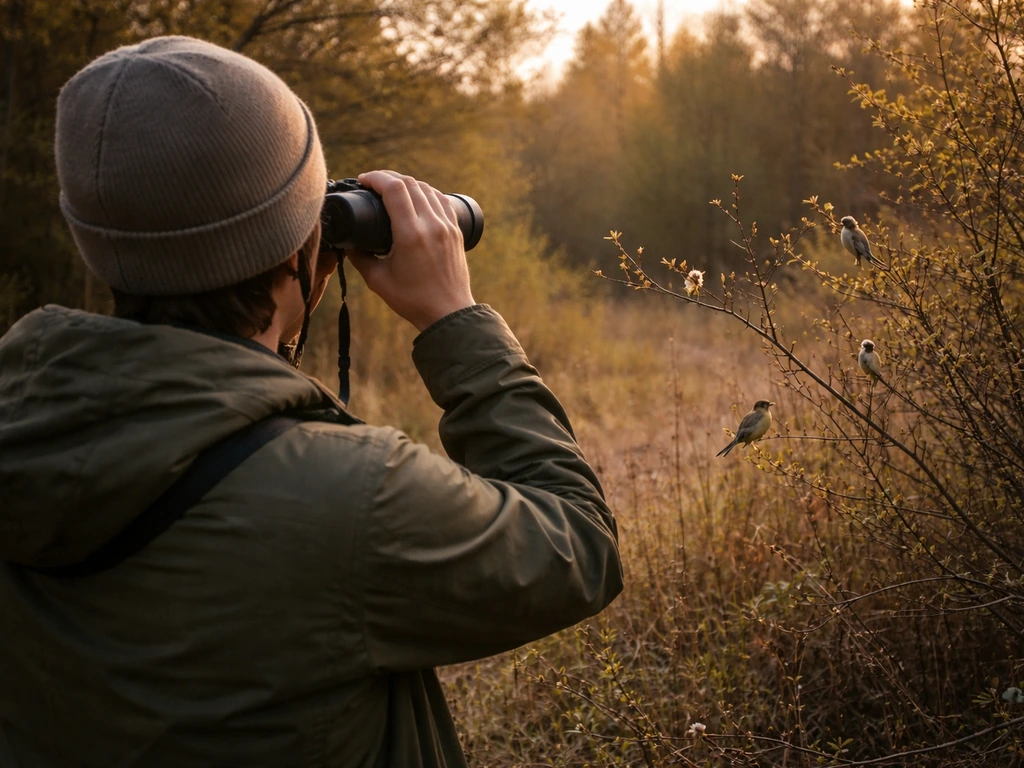
The word you use depends on what you're actually doing. Cambridge defines birding as "the identification and observation of wild birds in their natural habitat as a hobby," which covers almost everyone who picks up a pair of binoculars. Birdwatching means exactly the same thing, and Britannica treats bird-watching, birdwatching, and birding as interchangeable terms for the hobby. So there's no wrong answer among those three, just different levels of formality and different communities that prefer each one.
Ornithology is a different matter. Ornithology is the scientific study of birds, and it's a formal academic discipline. If you're tracking migration patterns for a university or banding birds for a conservation project, that's closer to ornithology. If you're walking a local trail and jotting down every species you spot, you're birding or birdwatching. The distinction matters because bird study is called ornithology in scientific circles, not just "watching," and conflating the two can make you sound like you're claiming credentials you may not have.
| Term | Who uses it | Best for |
|---|---|---|
| Birdwatching | General public, casual hobbyists | Describing the hobby in everyday conversation |
| Birding | Enthusiasts, clubs, field guides | Any level of the hobby; most widely accepted today |
| Bird watching (two words) | Older texts, some media | Same as birdwatching; a stylistic variant |
| Ornithology | Scientists, academics, researchers | Formal scientific study of birds |
If you're choosing a label for yourself right now, "birding" is the safe, modern, widely accepted choice. It signals genuine enthusiasm without overstating your credentials.
What actually counts as birdwatching (and what doesn't)
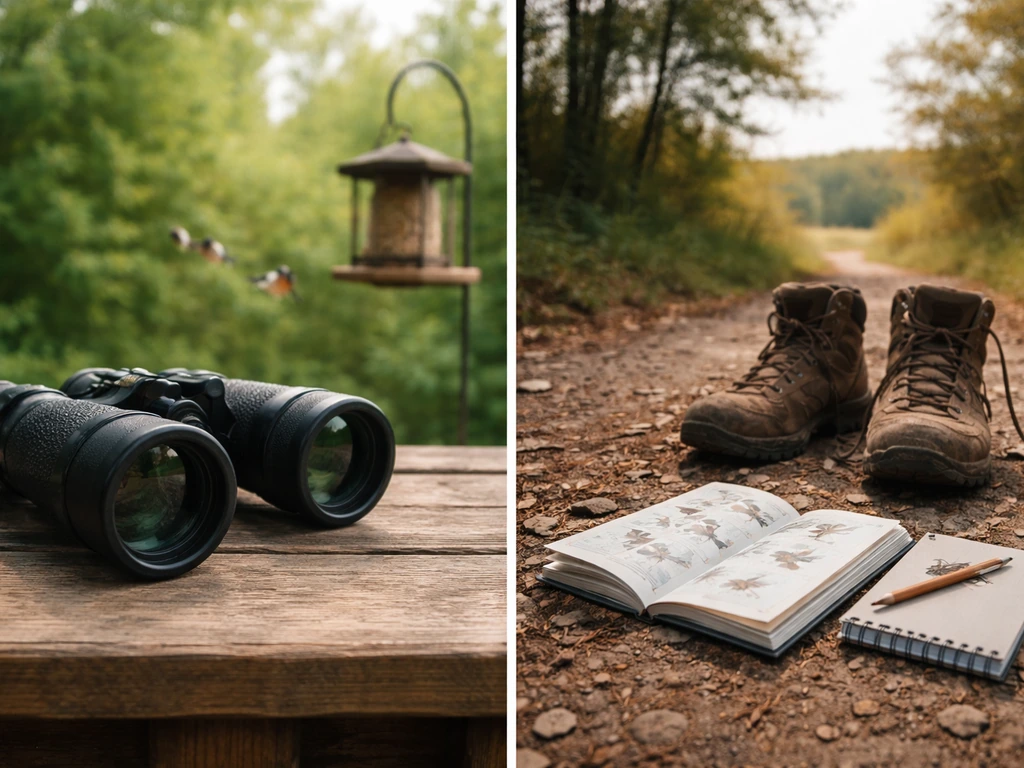
Birdwatching covers a wide range of activity, from glancing at a feeder through the kitchen window to traveling internationally to spot a single rare species. But a few related terms get mixed into conversations about the hobby, and it helps to know what's what.
- Backyard birding: watching birds that visit your garden or yard, usually with feeders and a field guide nearby. This is birdwatching; don't let anyone tell you it doesn't count.
- Twitching: a specific subtype of birding where you travel (sometimes long distances) specifically to see a rare or unusual bird that's been reported in an area. Twitchers are birders, but not all birders are twitchers.
- Nature watching or wildlife watching: broader categories that include birds but also mammals, insects, and plants. Birdwatching is a subset of this, not the same thing.
- Listing or life-listing: keeping a personal record of every species you've identified. Many birders maintain life lists; it's a practice within the hobby, not a separate hobby itself.
- Citizen science: programs like eBird or the Christmas Bird Count where birders submit their sightings to scientific databases. You're still birding, but your data contributes to research.
Bird-related expressions people often mix up
Because this site sits at the crossroads of bird language, symbolism, and practical knowledge, it's worth flagging a few bird-related terms and expressions that crop up alongside birdwatching discussions and cause genuine confusion. The English language has borrowed heavily from birds, and some of that borrowing bleeds into how people talk about the hobby itself.
"Bird lover" is one that comes up constantly. People describe themselves as bird lovers without necessarily birding at all, and that's fine. But in hobbyist communities, a bird lover is called an "aviphile" in formal language, though almost nobody actually uses that word. Most people just say birder or birdwatcher, and both work.
"Bird culture" is another phrase that floats around, and it has a genuinely specific meaning in ornithology. Bird culture is called a real phenomenon when researchers discuss learned behaviors passed between birds socially, like regional song dialects in certain songbirds. It's not just a casual phrase.
Then there are idioms that sound like they're about birdwatching but aren't: "bird-dogging" (pursuing something aggressively, borrowed from hunting dogs that flush birds), "a bird in the hand" (valuing what you already have), or describing someone as "bird-brained" (calling them scatterbrained or forgetful). These are part of the deep cultural vocabulary built around birds in the English language, not terminology for the hobby itself.
How to label your hobby correctly from day one

If you're brand new to this and trying to figure out what to call what you're doing, here's a simple rule: call it birding. It's accurate, modern, and immediately understood by anyone in the hobby. When you're talking to a non-birder, birdwatching is perfectly clear. Avoid calling yourself an ornithologist unless you're doing actual scientific research.
When you search for resources online, use both "birding" and "birdwatching" to cover your bases. Apps like eBird, Merlin Bird ID, and Audubon's resources all use these terms interchangeably. Field guides will usually say "birding" on the cover these days. Local clubs may call themselves bird clubs, birding clubs, or Audubon Society chapters, all meaning the same general community.
One practical tip: when you're describing what you do in a new birding community, mention your experience level and what you're looking to do (casual walks, listing, photography, etc.) rather than agonizing over the label. The birding community is generally welcoming and far less interested in terminology gatekeeping than in the birds themselves.
Key bird terms you'll run into while birding
Once you start birding, you'll encounter a cluster of specific terms in field guides, apps, and community forums. Here's a plain-language breakdown of the ones that come up most often.
Behavior and biology terms
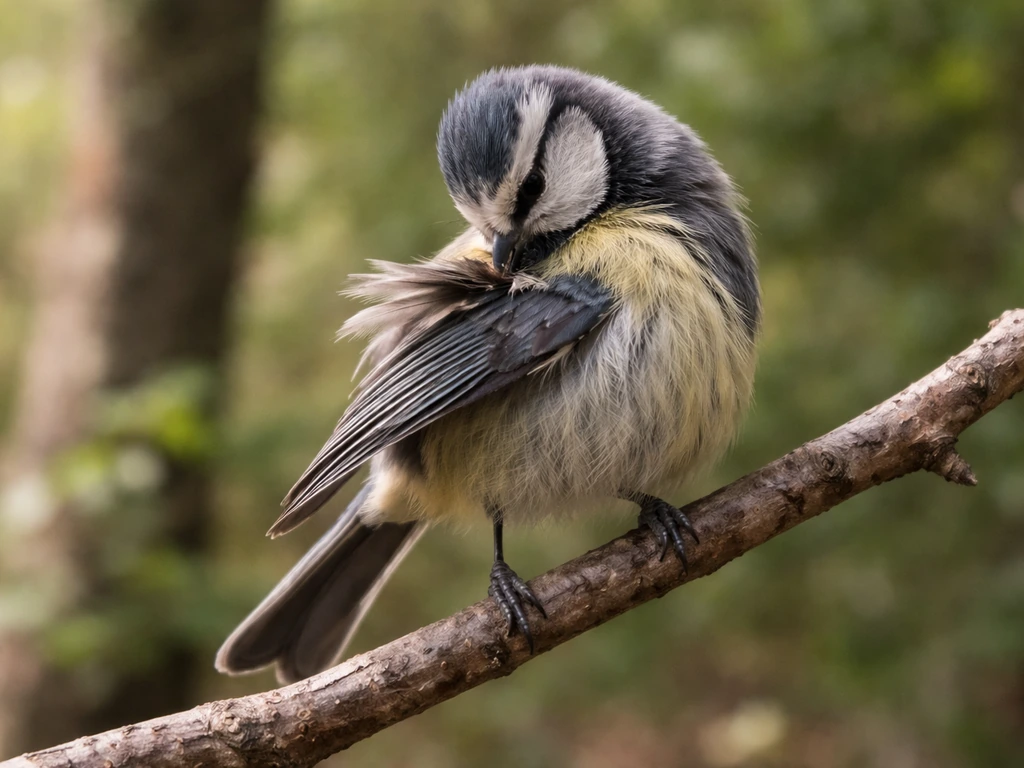
- Preening: when a bird uses its beak to clean, align, and waterproof its feathers. It's a maintenance behavior, not a sign of distress.
- Molting: the process of shedding and replacing feathers. Most birds molt at least once a year, and the timing often affects plumage color and identification.
- Nesting: the activity of building or occupying a nest for breeding. Nesting season varies by species and geography.
- Fledgling: a young bird that has grown flight feathers and left the nest but is still learning to fly. Often seen on the ground, looking helpless but usually fine.
- Juvenile plumage: the feather coloration a bird has before it reaches adult coloring, which can look dramatically different from the species' standard field guide image.
- Raptor: a bird of prey, including hawks, eagles, falcons, and owls.
Field and observation terms
- Lifer: a species you're seeing for the first time, adding it to your life list.
- Tick: British birding slang for a lifer (adding a new species to your list).
- Jizz: the overall impression of a bird's shape, posture, and movement that helps with identification before you can see details. A useful field skill.
- Field marks: the specific visual features (wing bars, eye rings, tail patterns) used to identify a species.
- Vagrant: a bird found far outside its normal range, often due to weather or navigation errors.
Understanding how bird movement is called migration (or irruption for irregular mass movements) is also fundamental. Migration is one of the most watched events in birding, with peak seasons in spring and fall drawing huge numbers of observers to migration hotspots.
One term worth knowing for practical reasons: if a bird bites you while you're handling it (in a banding session, for instance), bird bite is called a potential zoonotic risk in medical contexts, meaning it can (rarely) transmit infection. It's not usually serious, but knowing to clean the wound and monitor it is basic safety for anyone working closely with wild birds.
Why "bird watching" resonates beyond the hobby
Birds have occupied a specific place in human language and culture for thousands of years, and the terminology around birdwatching carries some of that weight even when people don't notice it. The act of watching birds, naming them, and paying close attention to their behavior is ancient. Augury, the Roman practice of reading the future through bird behavior and flight patterns, is essentially an early form of extremely motivated birdwatching. The people doing it had specific roles and titles. The word "auspicious" (meaning favorable or promising) comes directly from the Latin word for bird divination.
In many cultures, carefully watching birds was considered a way of reading the world. That attentiveness, which is essentially what modern birding demands, still carries a quiet spiritual resonance for many birders today. Ask people why they bird, and you'll often hear descriptions of stillness, presence, and a sense of connecting to something larger than daily life. The terminology shifted from augury to ornithology to birding over the centuries, but the core impulse of paying close, careful attention to birds has remained remarkably consistent.
None of that means birdwatching has to be spiritual for you. It's equally valid as pure recreation, a form of exercise, a citizen science contribution, or just a reason to be outside. But it's worth knowing that when you say you're going birding, you're reaching back into a very long human tradition of finding meaning in the way birds move, call, and appear. The word is newer than the practice by a long stretch.
FAQ
If I do a lot of bird identification and logging, am I doing ornithology?
Yes. If you are identifying and observing wild birds as a hobby, “birding” and “birdwatching” fit. “Ornithology” is for scientific study, so even frequent listing without formal research methods is usually still called birding.
Do I have to use binoculars to be called birding?
In most conversations, people still say “birding” even if they never use binoculars, as long as they’re observing birds in the wild. If you only feed birds from your yard and do not identify or observe wild birds, “bird watching” may be a better everyday description.
What label should I use when I submit sightings to citizen-science projects?
When you report sightings, you can say you are “birding” or “birding for records.” If you are joining structured research (for example, standardized surveys with permissions and protocols), that is closer to ornithology or formal bird studies.
Are bird lists, twitching, and year listing called something different from birding?
“Listing,” “twitching,” and “year-listing” are not separate disciplines, they are styles of birding. For a label, most people still say “birding,” with the style added (for example, “I do year listing” or “I’m twitching for that species”).
Should I copy the exact wording my local bird club uses?
Language can shift depending on the group. If a local club uses “bird club” or “birding club,” adopting their phrasing usually prevents confusion, but your personal description can remain “birding” to stay broadly understood.
What’s a good way to describe myself if I’m a bird lover but not super into identification?
If you use the term “bird lover” with people who bird, they may not assume you identify species, but it will still land positively. If you want to be clear, add what you actually do (for example, “I’m a bird lover and I like IDing species on walks”).
Is it OK to call myself an ornithologist if I’m self-taught?
Avoid calling yourself an “ornithologist” unless you are doing research in a formal capacity. A safe alternative is “birding enthusiast,” “birder,” or “I study birds,” then specify whether it’s casual observation or structured surveys.
Does “birding” include listening for bird calls even if I am not looking much?
Yes, because many birders are outdoors even when birds are not being actively watched. Still, if you’re only hearing birds and never looking, some people say “birding by ear” to make the difference clear.
What if I focus more on behavior than on species identification?
If your interest is mainly studying bird behavior or nesting without doing identification as your primary goal, you can still call it birding, but it helps to specify you are focused on behavior (for example, “behavior-focused birding”). If you’re analyzing data formally, that moves toward bird studies.
Next Articles
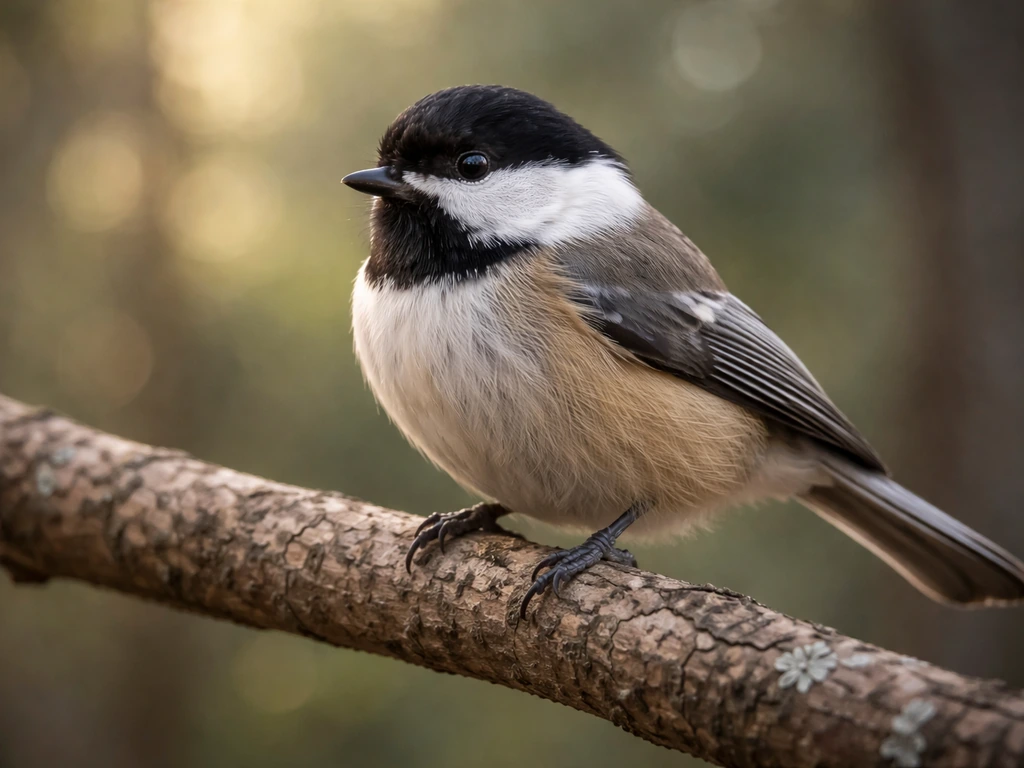
Bird Study Is Called Ornithology: Meaning and Next Steps
Find the real name for bird study, plus ornithology vs birdwatching and bird symbolism, with clear next steps.
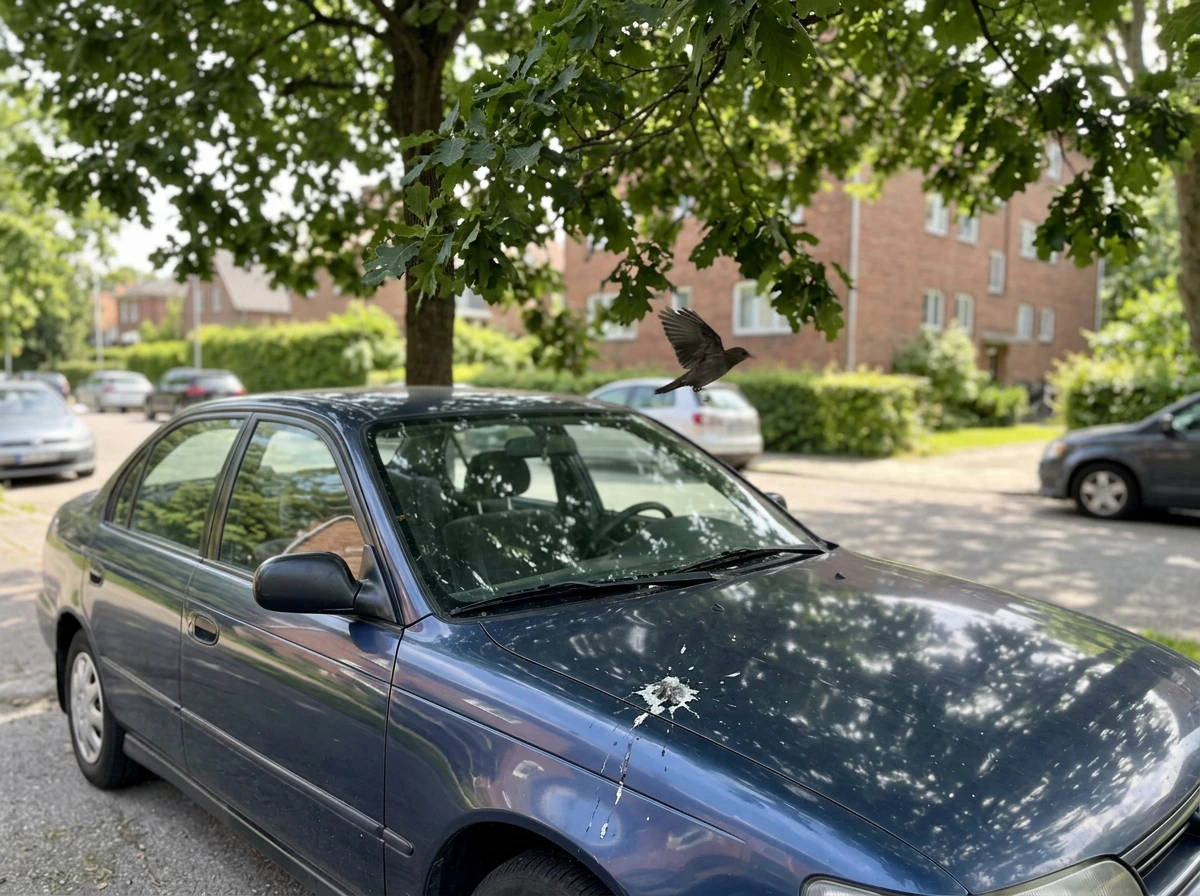
Bird Pooping on Car Meaning Spiritual and Practical Steps
Understand bird pooping on car meaning spiritually and practically, plus safe cleanup steps and prevention tips to stop
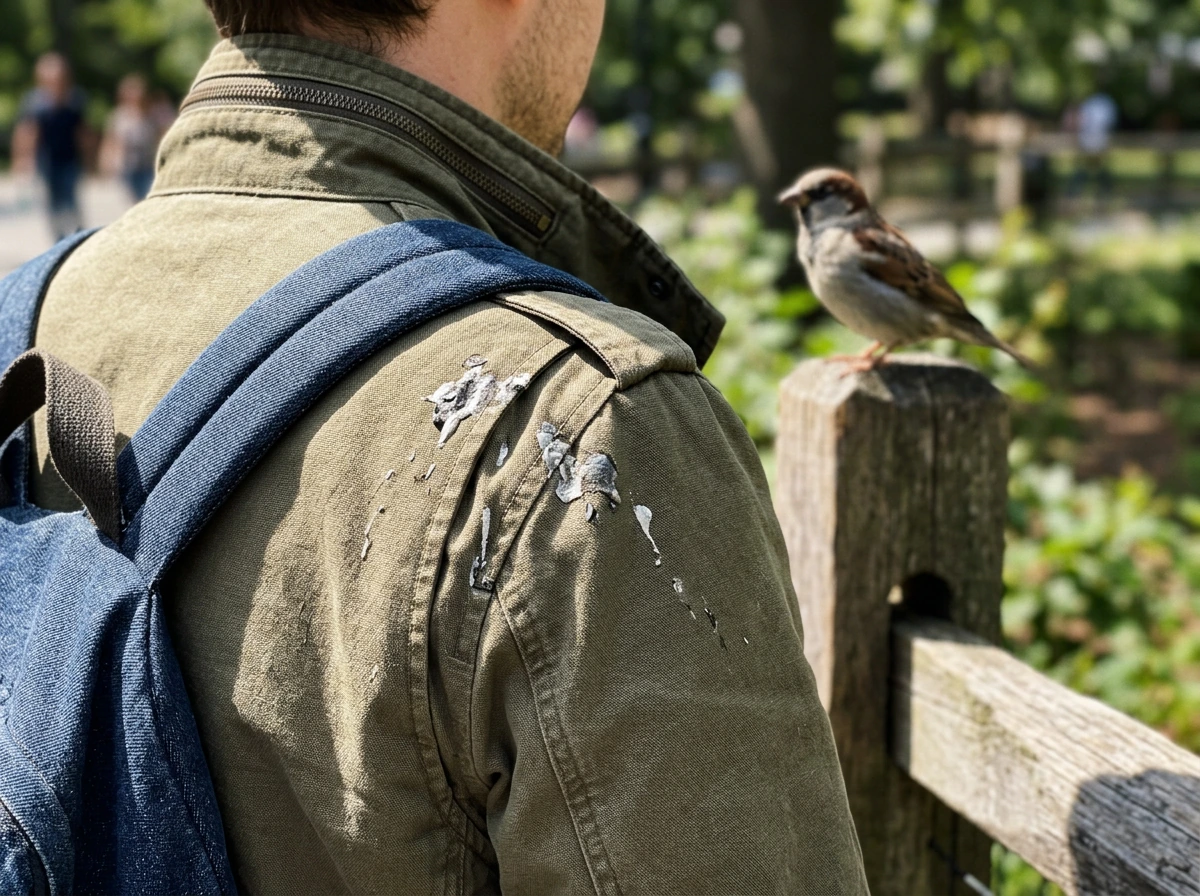
Bird Poops on You Meaning: What It Likely Means and What to Do
Bird pooped on you meaning, grounded causes, cleanup steps, health tips, and folklore options for on you or on your head