"Bird hit" most commonly refers to a collision between a bird and an aircraft, sometimes called a bird strike or BASH (Bird Aircraft Strike Hazard). In aviation, that collision is commonly referred to as a bird strike, and it has specific reporting and safety implications. But depending on your situation, it could also describe a real bird flying into your window or car, appear as shorthand in sports commentary or video footage, or come up in a dream or spiritual context as a symbol worth unpacking. This guide walks through every likely meaning and tells you exactly what to do next.
Bird Hit Meaning: Real-Life, Media, Symbolism, Next Steps

Marcus Holloway
30 Jun 2026
What "bird hit" means in plain everyday speech
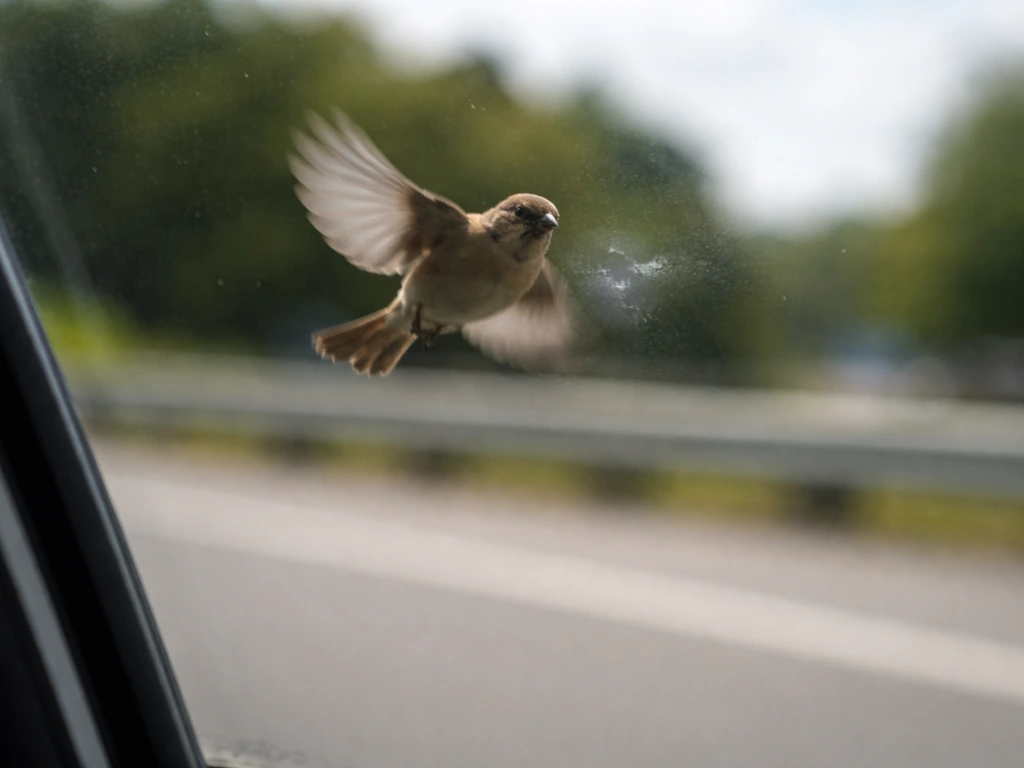
In everyday conversation and aviation circles, "bird hit" is simply an informal way of saying a bird collided with something moving, most often an airplane. Wikipedia lists "bird hit" as a direct alternative name for a blank" rel="noopener noreferrer">bird strike, defined as a collision between a flying animal and a moving vehicle. Merriam-Webster defines the formal term "bird strike" as "a collision involving an aircraft and one or more birds in flight," and the FAA, AOPA, and SKYbrary all use "bird hit" interchangeably with that definition.
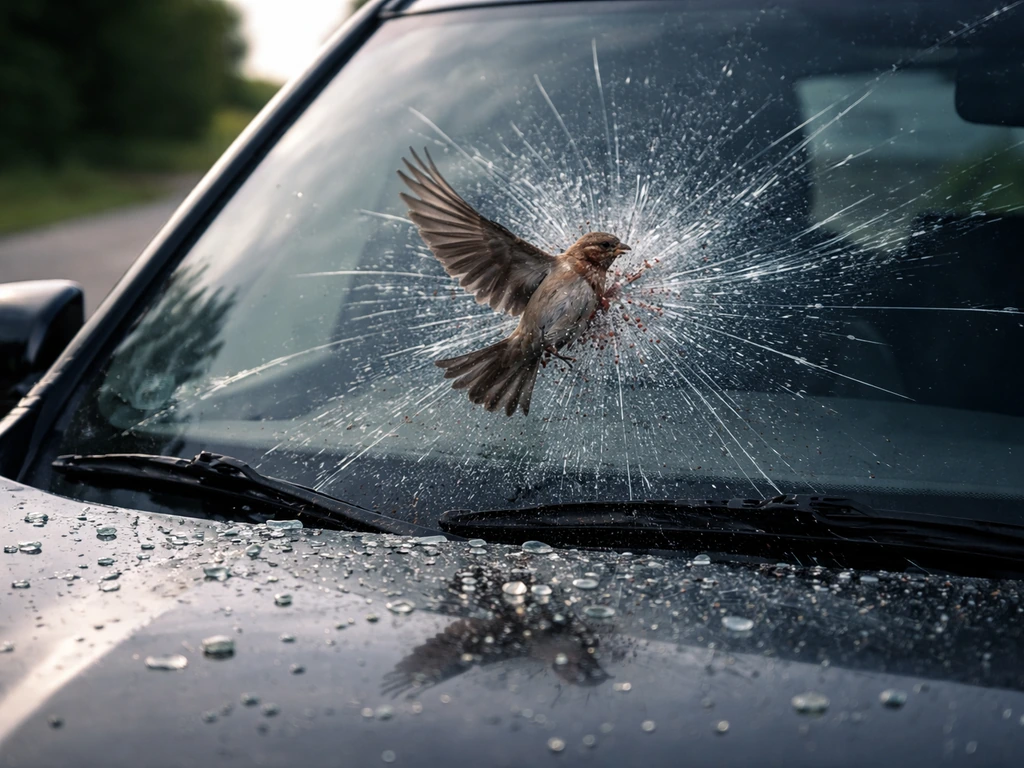
Outside aviation, people use the same two words loosely to describe any incident where a bird physically collides with something: a window, a car windshield, a glass door, a bus. The phrase isn't a fixed technical term in those non-aviation contexts, but the meaning is obvious from context. If someone texts you "a bird hit my window," they mean a bird flew into it, not that someone threw a bird at it.
Worth knowing: waterfowl account for 31% of reported aircraft bird strikes in the U.S., gulls for 26%, and raptors for 18%, making those three groups responsible for about 75% of all reported incidents. For window strikes at home, smaller songbirds are the most frequent victims, though the U.S. Fish & Wildlife Service notes that even birds that seem fine after a collision often die later from internal injuries.
"Bird hit" in sports, film, and video contexts
You'll also see "bird hit" used as a quick descriptive label in sports broadcasts, highlight reels, and viral video clips. A classic example is a baseball, golf ball, or tennis serve striking a bird mid-flight. These moments get clipped and labeled exactly that way online: "bird hit by baseball," "bird hit during match," and so on. The phrase functions as a search tag or caption rather than a technical term in these settings.
In film production and wildlife documentary work, a "bird hit" can refer to a bird inadvertently striking a camera drone or a camera rig during a shoot. Drone bird strikes are a genuine operational concern for aerial filmmakers, mirroring the aviation context but on a much smaller scale.
If you landed on this page after watching a sports clip or viral video, you're in the right spot. The term in that context is purely descriptive: a bird was struck by or collided with something on camera, and whoever labeled the video kept it short.
Superstitions and symbolism around a bird collision
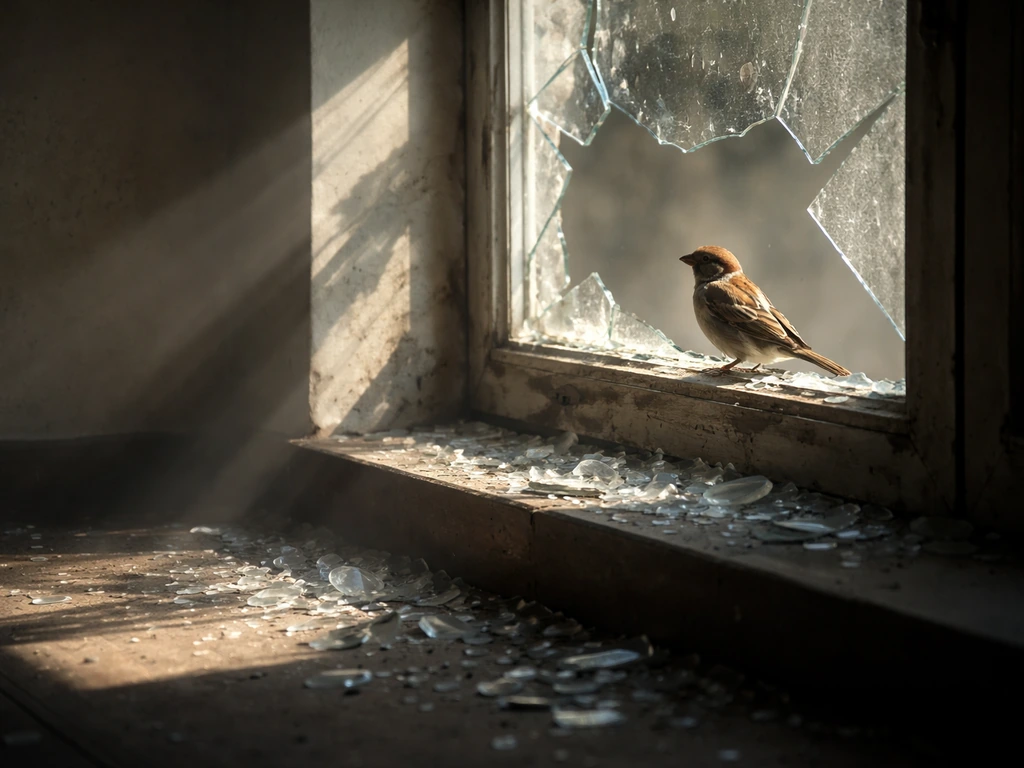
Bird omens have a long history across cultures, and a bird hitting something, whether a window, a car, or a person, tends to attract symbolic interpretation. In a lot of folk traditions across Europe and North America, a bird flying into a window or striking a house is treated as a warning sign, sometimes of impending bad news or even death in the family. This belief is old enough to appear in various forms of rural folklore and has been passed down mostly through oral tradition rather than any single text.
That said, the interpretation varies significantly by culture, bird species, and direction of flight. A raven or crow striking a window reads very differently in folklore than a robin or a dove doing the same thing. Some traditions frame it as the bird trying to deliver a message from a deceased loved one, while others see it as the bird simply being confused by a reflection, which is, in fact, usually the biological explanation.
It's worth keeping the folklore grounded here. If you want to draw meaning from a bird collision, that's a legitimate cultural impulse with deep roots. But the practical reality is that millions of birds strike glass every year because they can't distinguish a reflection from open sky, not because the universe is sending a personalized warning. You can hold both ideas at once: take the practical steps to help the bird and prevent future strikes, while still sitting with whatever the moment stirred up for you.
What a bird hit in a dream might actually mean
Dreams about a bird hitting a window or another object are relatively common, and online dream dictionaries tend to jump straight to dramatic interpretations: shock, surprise, an unexpected obstacle, or a warning about something you're ignoring. Those aren't necessarily wrong, but they're also heavily generalized.
Bird symbolism in dreams is broadly tied to themes of freedom, aspiration, spiritual connection, and transitions. When the bird hits something in the dream, many interpreters layer in the idea of a sudden interruption to those themes: a goal being blocked, a fear of failure at a critical moment, or a feeling that something is working against your forward movement.
Freudian dream analysis, which has influenced most popular dream interpretation, treats the content as symbolic and individualized rather than universal, so a bird hitting a window in your dream means something different depending on what's happening in your waking life. In Freud’s 1899 work The Interpretation of Dreams, dream interpretation became foundational and later influenced symbolic approaches to interpreting dream content Freudian dream analysis.
A more grounded way to read it: if you've recently witnessed or heard about a real bird collision, your brain is simply processing a memorable sensory event. If there's been no real-world trigger, the dream is worth reflecting on in the context of your own current stressors, transitions, or fears. The bird hitting an obstacle is a vivid image, and vivid dream images tend to map onto vivid emotional concerns.
Sorting out the word confusion: bird hit, bird shot, bird strike, and related phrases
This phrase sits in a cluster of similar-sounding expressions that can trip people up, so it's worth spelling them out clearly.
| Term | What it actually means | Domain |
|---|---|---|
| Bird hit | A bird colliding with an aircraft, vehicle, or other object; informal synonym for bird strike | Aviation / everyday |
| Bird strike | The formal/technical term for a bird-aircraft collision; used by FAA, AOPA, SKYbrary | Aviation |
| BASH | Bird Aircraft Strike Hazard; military aviation acronym for the same event | Military aviation |
| Bird shot | Small-diameter shotgun pellets used for hunting birds; also called birdshot | Firearms / hunting |
| Bird-dogging | Persistent following or monitoring; also a hunting term for a dog that flushes birds | Slang / hunting |
| Bird-brained | Informal insult meaning foolish or scatterbrained | Idiom / slang |
| Bird law | Refers to fictional/comedic "bird law" from the TV show It's Always Sunny in Philadelphia; not real law | Pop culture slang |
The most common confusion is between "bird hit" and "bird shot." They sound loosely similar spoken aloud and both involve birds and some kind of impact, but they're completely unrelated: one is about collision, the other is about ammunition. If you're researching hunting or firearms and landed here, "birdshot" is the term you want.
It's also worth distinguishing "bird hit" from "bird collision," which tends to be used more broadly for any bird-object collision including window strikes at buildings. In aviation reporting, "bird strike" and "bird hit" are interchangeable. In wildlife and conservation contexts, "bird collision" is the preferred term for building and window impacts.
What to do right after a bird hits your window or car

If you've just watched a bird crash into your window or glass door, here's what to do in the next few minutes. Don't skip steps or assume the bird is fine just because it flew away immediately, birds often seem okay and then collapse later from internal injuries.
- Don't rush outside to grab the bird immediately. Give it two to five minutes to recover from the initial shock without adding the stress of a human looming over it.
- Check for obvious hazards. Is the bird on a surface where a cat or dog could reach it? Is it near a road? Move it gently to a safer nearby spot if needed, using a light cloth or gloved hands.
- Assess its condition. Is it upright and alert, sitting dazed but responsive, or completely unresponsive? This tells you how serious the situation is.
- If it's dazed but alive, place it in a ventilated box or paper bag (a shoebox with small holes works well). Keep it dark, quiet, and warm, and do not offer food or water. Tufts Wildlife Clinic specifically advises against feeding or watering a stunned bird, as this can cause aspiration.
- Set a timer for one to two hours. A stunned bird that was only briefly disoriented may recover on its own in this window. Take the box outside to a sheltered spot and open it gently to see if the bird can fly.
- If it doesn't recover, or if it showed signs of serious injury (bleeding, broken wing, inability to hold its head up), contact a licensed wildlife rehabilitator immediately. Do not wait longer than two hours.
For birds that appear dead: U.S. Fish & Wildlife Service guidance notes that some birds that look dead after a window strike have actually survived but are in a deep shock state. Unless you're certain it's dead (no breathing, no eye movement, completely limp and cold), treat it as stunned and follow the steps above.
When it's serious: wildlife rescue and reporting
Some bird collision situations need professional intervention, not a shoebox and good intentions. Here's how to escalate.
For wild birds injured at your home or on the road
- Contact a licensed wildlife rehabilitation facility in your area. The U.S. Fish & Wildlife Service recommends this as the primary step for any bird that doesn't recover quickly from a collision.
- If you can't find a rehabber immediately, call your local animal services center as a backup. Audubon specifically suggests this as a fallback.
- In the UK, the RSPB provides a finder's decision tree and helpline pathways for injured birds.
- Do not attempt to set bones, apply ointments, or provide any veterinary care yourself. Wildlife rehabilitators are licensed for a reason, and well-meaning home treatment can do more harm than good.
For aircraft bird strikes
If you're a pilot or aviation professional dealing with a bird strike on an aircraft, the FAA requires reporting via Form FAA 5200-7 (Bird and Other Wildlife Strike Report), preferably submitted online through the FAA Wildlife Strike Database. This reporting isn't just bureaucratic procedure: it contributes to the national database that blank" rel="noopener noreferrer">helps airports manage wildlife hazards under FAA Advisory Circular AC 150/5200-32C. The USDA APHIS also has an airport wildlife hazards management program that coordinates with airports on strike prevention.
Reporting bird strikes matters. The FAA's database shows that mourning doves account for about 11% of bird strike incidents where species are identified (based on 1990-2023 data), which is the kind of finding that informs where and when airports deploy wildlife deterrents.
Preventing the next collision
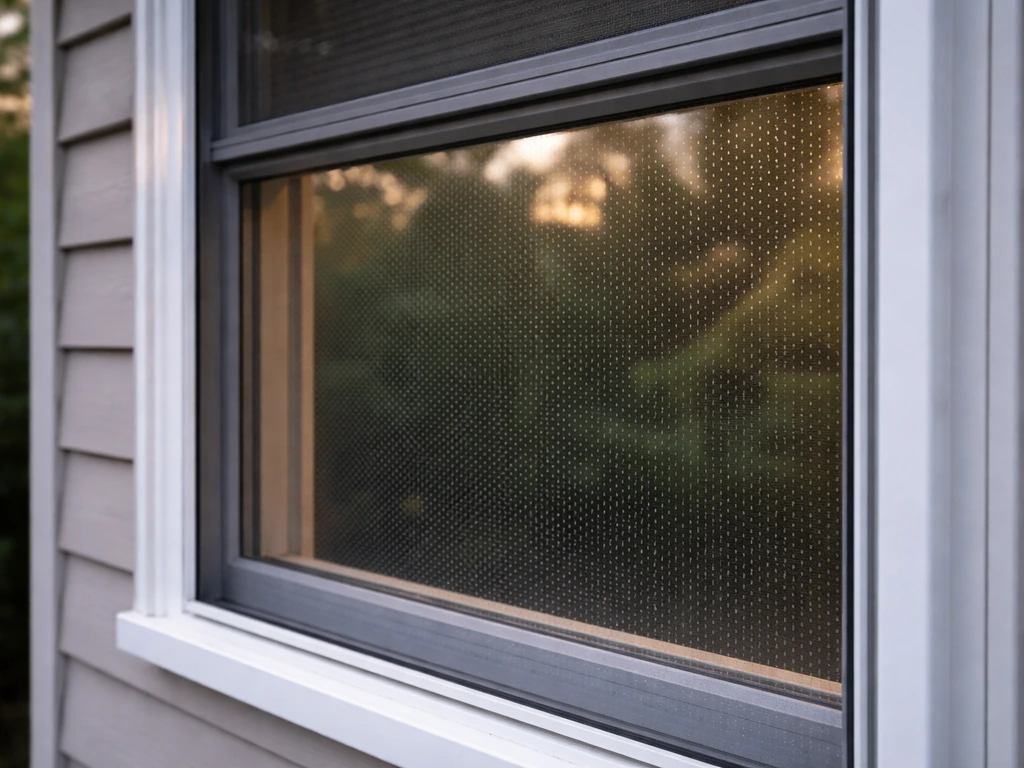
If birds are repeatedly hitting your windows, the U.S. Fish & Wildlife Service's Bird-Friendly Home Toolkit recommends applying window treatments that break up reflections: patterned films, external screens, or placing feeders either very close to the glass (less than two feet, so birds can't build up speed) or very far from it (more than 30 feet away). This is the most effective long-term fix after a collision incident.
Which meaning applies to your situation right now
Here's a quick way to match the term to your context so you can stop second-guessing which meaning you need. If you're seeing the word “infestation” instead of “strike,” check the bird infestation meaning to make sure you're interpreting the situation correctly.
| Your situation | The meaning that applies | What to do next |
|---|---|---|
| A bird just flew into your window or glass door | Real-world bird collision | Follow the safety steps above; contact wildlife rehabber if needed |
| You're a pilot or heard about an aviation incident | Bird strike / bird hit (aviation) | File FAA Form 5200-7; consult AOPA or SKYbrary resources |
| You saw it in a video clip or sports highlight | Descriptive caption/label | Nothing to act on; it's just shorthand for a bird being struck on camera |
| You had a dream about it | Dream symbolism | Reflect on current stressors and transitions; no predictive power required |
| You heard it as a spiritual omen | Folk symbolism / folklore | Acknowledge the tradition; combine with practical action if a real bird is involved |
| You're confused about a gun/hunting term | Wrong article; you want 'birdshot' | Search for birdshot or small-game ammunition instead |
If there was a real bird involved in your situation, the practical steps matter more than the symbolism, at least in the short term. If you're trying to understand the bird menace meaning people talk about, it's mostly about interpreting a bird collision as a warning rather than a literal “attack.”. Get the bird to safety first, then reflect on whatever meaning the moment holds for you. And if you're specifically interested in the aviation angle or how bird collisions affect aircraft, those topics go considerably deeper into strike hazard classification and aircraft damage assessment.
FAQ
If the bird flew away after hitting my window, should I still do anything?
Not necessarily. Even if the bird flies away, internal injuries can appear hours later, especially after window or windshield impacts. If you find the bird nearby, assume it may be stunned and reassess for normal breathing, upright posture, and responsive blinking before releasing it.
What should I do if a bird seems stunned after a collision but is not clearly dead?
If you locate a bird that seems alive but unresponsive, keep it in a quiet, dark box with ventilation (towel lining, no water in the bottom) and minimize handling. Contact a licensed wildlife rehabilitator or local animal control if you cannot confirm it can stand and fly within about 1 to 2 hours.
What are common mistakes people make when trying to help a bird after a bird hit?
Don’t put the bird in the shower, give it food or water forcefully, or “revive” it by blowing air into its beak. Also avoid direct sunlight or heating pads, which can worsen shock. Quick stabilization and professional handoff typically help more than DIY care.
Do I need to report a bird hit if it happened to an airplane but there was no visible damage?
If you see a bird strike on an aircraft or suspect one, reporting depends on your role. Pilots and operators typically use FAA Form 5200-7 through the FAA Wildlife Strike Database, but even ground staff and maintenance can trigger internal reporting so the flight crew can file the required record.
Can a bird strike still be serious even when the aircraft looks fine?
Yes, it can. A “no visible damage” outcome can still involve risk to radomes, windshields, leading edges, sensors, and control surfaces. After a suspected bird strike, aircraft inspection procedures should be followed by qualified personnel using the aircraft manufacturer guidance and any applicable operator checklist.
Why do birds keep hitting the same window, even after one incident?
For glass, reflection patterns, glare, and nearby “lookouts” like trees or feeders can lure birds into the wrong flight path. If strikes keep happening, prioritize solutions that prevent reflection, such as external screens or patterned exterior films, and adjust feeder placement (either very close to the glass or far away).
Does the meaning or recommended response change if the bird hit happened to my windshield or while driving?
Yes. Windshield hits, especially at dawn and dusk, can involve heavier birds and higher speeds than typical yard window collisions. Treat it like a collision, check for a stunned bird in safe distance from traffic, and consider professional wildlife help if it is injured or cannot fly.
Is “bird hit” the same as “bird collision” in aviation and wildlife contexts?
“Bird hit” and “bird collision” are often used broadly, but the more specific term matters for safety and reporting. In aviation contexts, “bird strike” is the standard label, while “bird collision” is commonly used in wildlife building and window impact discussions.
How can I interpret a bird hit in a dream without assuming it’s a warning about death?
If you are interpreting a dream, focus on what was “blocked” or “interrupted” in your waking life rather than assuming a universal omen. A bird hitting glass often symbolizes a sudden obstacle to freedom or aspiration, but the most accurate meaning usually ties to your current stressors, fears of failure, or big transition.
What’s a practical way to connect a bird-hit dream to my real life?
Dream dictionaries are generalized, so ask a simple grounding question: what were you trying to do when the feeling in the dream changed. If the bird impact coincides with exam, relationship, travel, or career pressure themes, the dream likely reflects fear of an outcome being derailed rather than a literal event.
Next Articles
Bird Verb Meaning: Uses, Behaviors, Idioms & Sightings
Discover what 'bird' means as a verb, definitions, behaviors, idioms, sightings, and practical next steps.
Bird Sighting Meaning: How to Interpret What You Saw
Interpret bird sighting meaning with context, behavior, symbolism, and practical steps to identify the species and next
Bird Visit Meaning: Spiritual vs Real-World Reasons
Bird visit meaning explained: spiritual symbolism vs real-world causes like weather, food, nesting, dreams, and safe nex