A bird carrying a snake most commonly symbolizes control over a hidden threat, transformation being delivered through a messenger figure, or the resolution of a conflict. Whether you saw this in a dream, spotted it in the wild, or encountered it as a spiritual symbol or myth, the core tension in the image is the same: something dangerous is being handled, moved, or neutralized by something free and elevated. The exact meaning shifts depending on the context, the bird species, whether the snake is alive or dead, and what the bird is actually doing with it.
Bird Carrying Snake Meaning: Dreams, Spiritual Signs, and Context

Marcus Holloway
14 Jun 2026
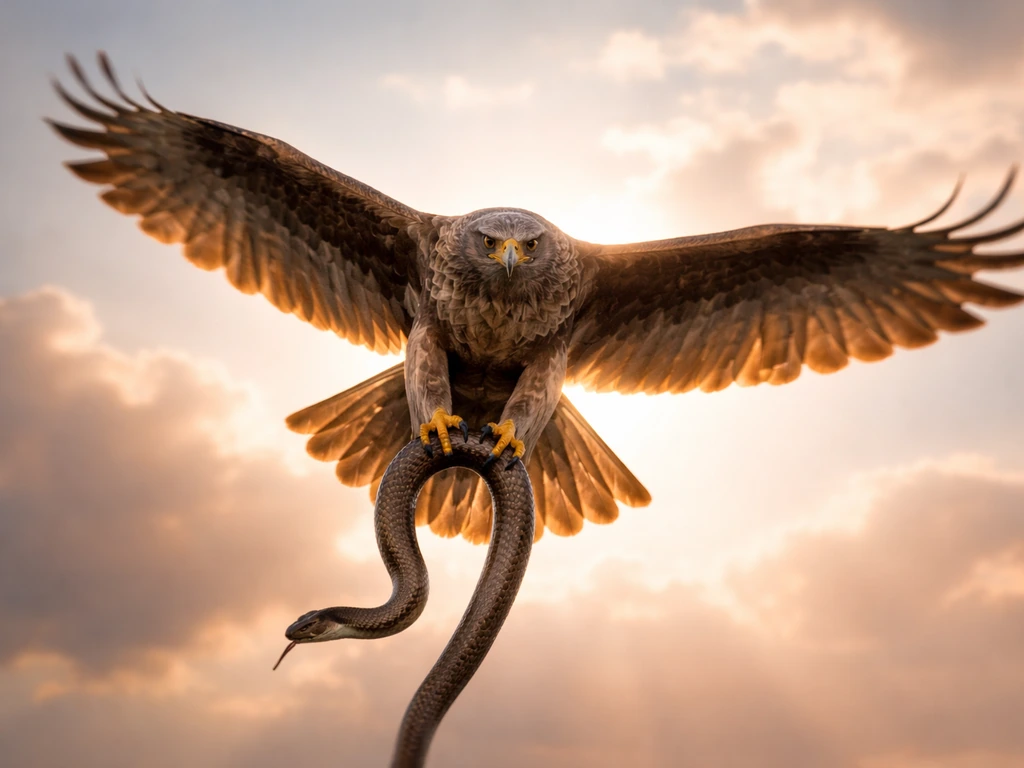
What the 'bird carrying a snake' scene usually refers to
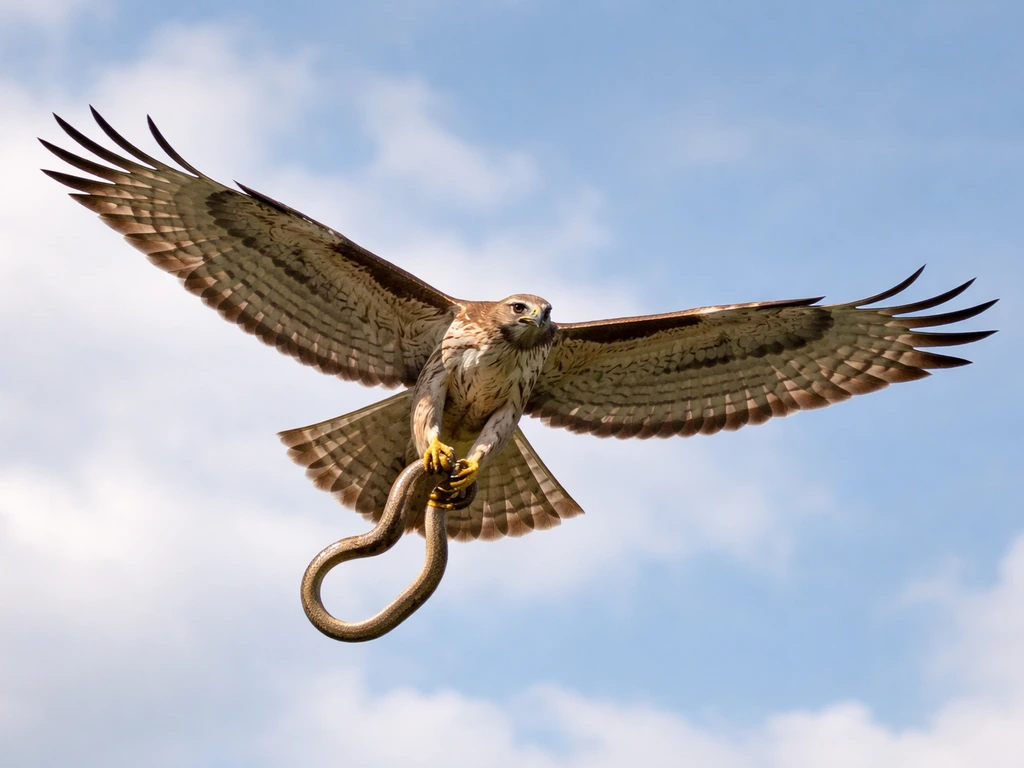
When people search for this image, they're usually coming from one of three places. The first is a real-life sighting: they watched a hawk or eagle fly overhead clutching a snake, and they want to know if it means something. The second is a dream: the image was vivid enough to stick with them after waking. The third is a cultural or spiritual context: they saw the symbol in art, mythology, or a tarot-adjacent reading and want to understand its roots.
It's worth separating these right away, because the frameworks that apply to each are genuinely different. A real-life sighting of, say, a secretarybird or a red-tailed hawk carrying a snake is, first and foremost, predation. In real-life analogues, “bird carrying snake” observations are typically examples of predation or prey-handling, so the “carrying” behavior should not be treated as a protective sign [carrying is predation, not a protection sign](https://www. birdsafetyguide.
com/animals-that-eat-birds/what-bird-eats-snakes). Secretarybirds (Sagittarius serpentarius) are documented snake specialists; their scientific name literally translates to 'the archer of snakes,' and they hunt on foot, killing with precise kicks to the head before carrying prey off. That's a biological event, not a spiritual protection sign. If you want to layer meaning onto it, you can, but the physical reality should anchor your thinking first.
Dream and symbolic contexts are where interpretation opens up considerably, and that's where most of the richness in this image lives. The sections below walk through both the bird and snake sides of the symbol individually before combining them.
What birds symbolize: freedom, messengers, and the species angle
Across nearly every major cultural tradition, birds function as messengers between worlds. They move between earth and sky, they're associated with freedom and transcendence, and their appearance is often treated as informational: a notice, a nudge, a signal from something larger. That's why bird-centered omen traditions tend to frame the encounter as 'here's a message' rather than 'here's your fate.' The bird is the carrier, not the verdict.
Bird species shift that baseline reading significantly. An eagle carries connotations of power, dominion, and divine authority in traditions from ancient Rome to Indigenous North American cultures. A crow reads as an omen or a trickster. A dove softens everything toward peace and reconciliation. A heron brings patience and observation. When a bird is carrying a snake, the species of that bird colors the emotional register of the whole image: is the power being expressed aggressive and commanding (eagle, hawk), watchful and patient (heron, owl), or something more ambiguous (crow, raven)?
Birds are also associated with habits that feed into symbolic readings: nesting suggests building safety or preparing for something new; preening suggests self-care or vanity; migration suggests movement and timing. A bird actively carrying something in its beak or talons is in a transport role, which puts it squarely in messenger or provider territory symbolically.
What snakes symbolize: transformation, danger, and the behavior angle
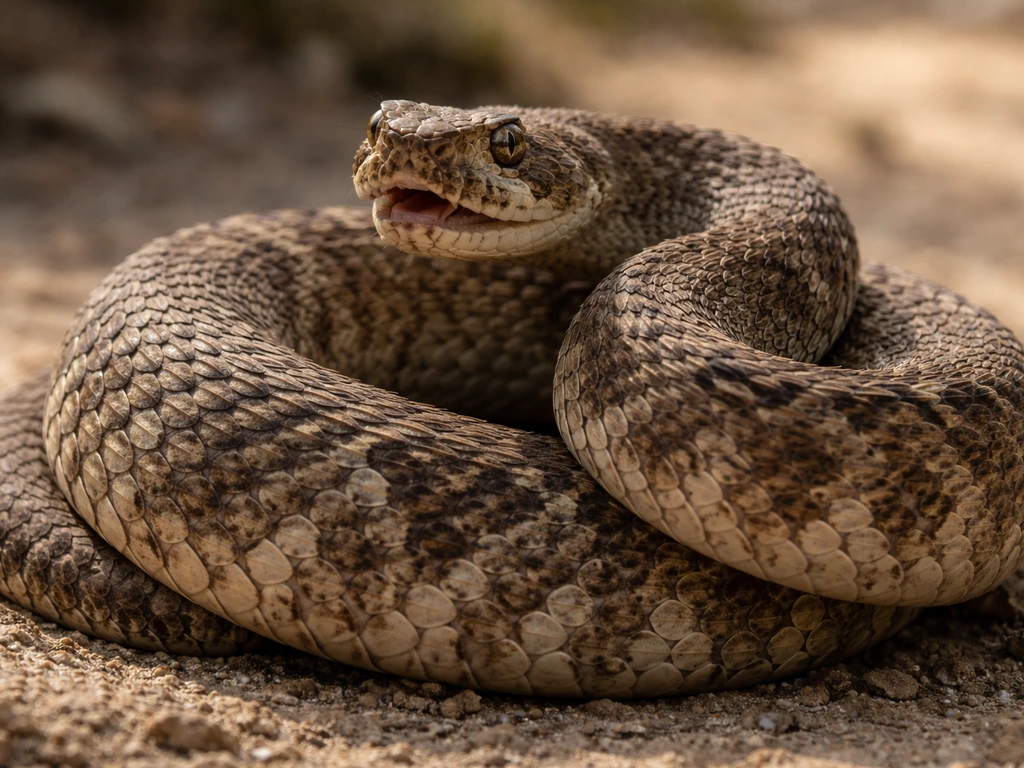
Snake symbolism is genuinely dual in almost every tradition, and that's what makes the 'bird carrying snake' image so layered. On one side, snakes represent danger, hidden threats, deception, and death. On the other, they represent transformation, renewal, healing, and immortality, largely because snakes shed their skin. That shedding behavior has been a symbolic anchor for thousands of years: it's renewal made visible, a literal casting off of the old self.
The healing association shows up in ancient Greek tradition through Asclepius, whose staff (the rod of Asclepius) features a snake. Hopi perspectives link snakes with healing, transformation, and fertility. In many Mesoamerican traditions, the snake is so powerful that it gets merged with the bird entirely: the feathered serpent (Quetzalcoatl being the most famous example) is a duality symbol, combining earthly serpent power with celestial bird freedom into a single unified force.
The state and behavior of the snake matter too. An active, striking snake reads very differently from a limp, dead, or passive one. A snake that appears to be fighting or resisting is an unresolved threat. A snake that is still, wrapped, or carried without struggle suggests something that has been controlled, neutralized, or is in the process of being transformed.
Combining the two: the most common bird + snake themes
When you put a bird and a snake together in a symbolic image, four core themes emerge repeatedly across dream interpretation, spiritual traditions, and mythology. None of them are mutually exclusive, and the right reading usually depends on which resonates with what's happening in your own life right now.
- Danger being carried or controlled: The threat (snake) is real, but something with higher perspective or power (bird) has taken hold of it. The message here is usually that you have more agency over a threatening situation than you realize, or that a danger in your life is being managed.
- Transformation delivered by a messenger: The snake's shedding/renewal symbolism gets picked up and carried somewhere by the bird. This can read as change coming toward you, or a signal that a transformation you've been resisting is already in motion.
- Conflict resolved or enemy neutralized: In Islamic dream-interpretation traditions attributed to Ibn Sirin, an eagle carrying or holding a snake is often read as an enemy rendered harmless. The key distinction here is between carrying (resolved) and actively fighting (still unresolved).
- Duality held in tension: Drawing from Mesoamerican feathered-serpent imagery, the combination can represent two opposing forces being held together rather than one defeating the other. Earth and sky. Instinct and transcendence. This reading fits better in artistic or spiritual contexts than in 'what does my dream mean' territory.
How to interpret it by context: dreams, spiritual encounters, myths, and everyday idioms
In dreams
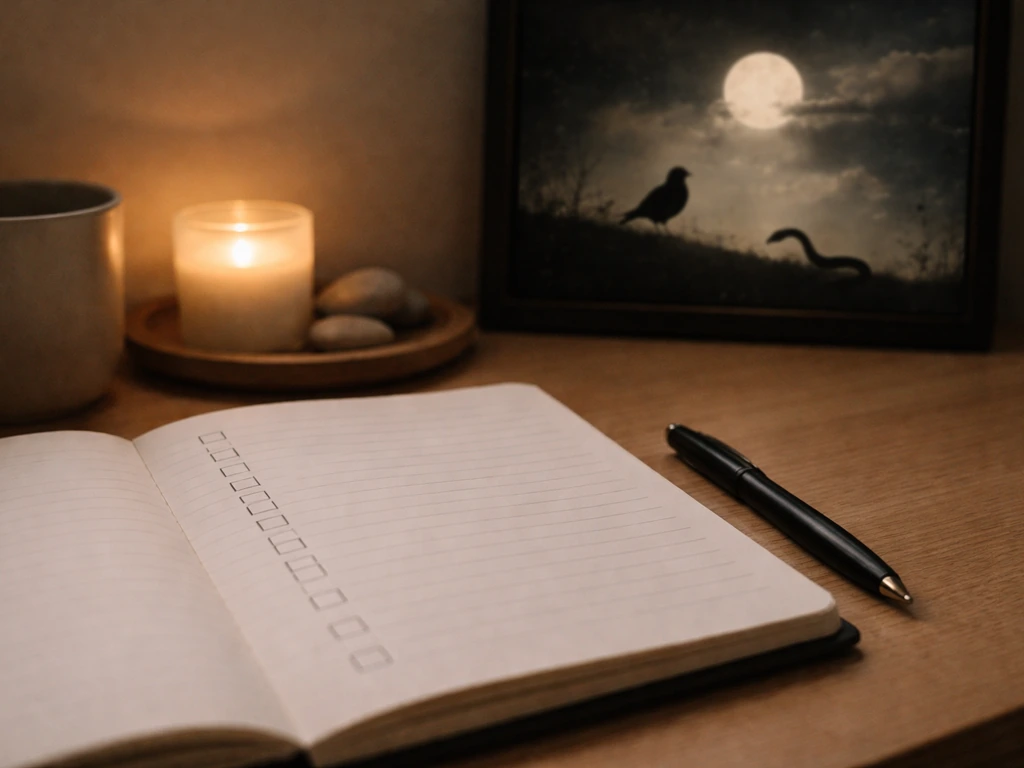
Dream interpretation frameworks from Freud through Jung to contemporary psychotherapy all agree on one thing: context and personal association beat any fixed symbol dictionary. A practical way to start is to treat the dream image as a hypothesis rather than a verdict. Ask yourself what the bird felt like (protective? threatening? indifferent?), what the snake felt like, and what the action of carrying evoked emotionally. Carrying specifically implies agency and transfer: something is being moved from one place to another, and someone (or something) has chosen to handle a potentially dangerous thing. That's distinct from simply seeing a snake nearby.
Jungian depth approaches suggest staying with the image rather than immediately reaching for a lookup meaning. Ask why a bird and a snake rather than two other symbols. Ask what in your waking life feels like a dangerous thing being handled or transported. If your dream instead focused on a bird escaping a cage, the bird escaping cage dream meaning may point to similar themes of freedom and threat being released. The emotional tone of the dream, whether it felt alarming, reassuring, awe-inspiring, or strange, is often the most reliable first clue.
In spiritual and folkloric encounters
If you witnessed a bird carrying a snake in real life and felt strongly that it carried meaning, the traditional framework is to treat birds as messengers and ask what the timing or circumstances might be communicating. What were you thinking about immediately before the encounter? What decision or situation is currently unresolved in your life? The bird-as-messenger tradition doesn't prescribe the message content; it signals that something worth noticing is in motion.
Islamic dream traditions offer a relatively structured take: the eagle-and-snake pairing specifically ties to conflict between good and evil, with the bird's dominance over the snake indicating that an enemy or threat is being neutralized. That framework is useful even outside of Islamic practice as a general interpretive lens for 'dominant bird, controlled snake.'
In myths and cultural imagery
The bird-versus-serpent motif is ancient and nearly universal. It shows up in the TV Tropes 'Bird vs. Serpent' archetype, in Mesoamerican art, in Vedic mythology (Garuda and the serpents), and in the Mexican national coat of arms (an eagle gripping a serpent). These cultural touchstones generally frame the bird as representing order, sky, or light, and the snake as representing chaos, earth, or hidden power. The bird doesn't just defeat the snake in most of these traditions; it lifts it into a higher register, which is why the image often feels more transcendent than purely violent.
In everyday language and idioms
Bird-related expressions in English don't tend to feature snakes directly, but the underlying logic of 'bird as elevated perspective' and 'snake as concealed threat' shows up in idioms like 'snake in the grass' (a hidden danger) paired against bird imagery of oversight and freedom. If you've heard a figurative version of this dynamic in conversation, it usually maps to someone with clear perspective managing or exposing a hidden risk.
Practical next steps: what to reflect on and when to take it seriously
If the image came up in a dream or felt like a meaningful encounter, here's a grounded way to work with it rather than either dismissing it or over-interpreting it.
- Identify the threat. What in your current life feels like the snake: something dangerous, hidden, or in the process of changing? Relationships with unresolved conflict, a risk you've been avoiding, or a personal transformation you've been resisting are all common candidates.
- Identify the handler. Who or what feels like the bird? Is it you (which suggests personal agency), someone else (which might indicate trust or dependency), or an external force like timing, circumstance, or a higher power depending on your worldview?
- Check the emotional register of the image. Did the bird feel protective, indifferent, or threatening? Did the snake feel dangerous, passive, or sad? The emotional tone is more diagnostic than the surface content.
- Consider the action specifically. Carrying is different from killing, delivering, or dropping. Carrying implies ongoing management of something. Killing implies resolution. Delivering implies the threat or transformation is heading toward someone or something specific.
- Map it to a real situation. Once you have a working hypothesis, ask whether that hypothesis fits any concrete situation you're navigating right now. If it fits, sit with that. If it doesn't, set the interpretation aside rather than forcing it.
When to brush it off: if the dream felt mundane rather than vivid, if you had watched a nature documentary about raptors the night before, or if no interpretation produces a meaningful resonance with your actual life, it's completely reasonable to treat it as ordinary dream noise. Not every symbol is a signal.
When to take it seriously: if the image was unusually vivid, if it returned in multiple dreams, or if the interpretive framework clicks strongly with something you're actively navigating, it's worth spending more time with it, through journaling, conversation, or whatever reflective practice you use.
Common misconceptions and how variations change the meaning
The biggest misconception is treating any dream or spiritual symbol as a deterministic omen. A bird carrying a snake does not mean something specific and guaranteed is about to happen to you. If you are looking specifically for bird inside the cage drawing meaning, start by matching the image details to your personal context rather than relying on a fixed definition. If you’re looking up bird trap meaning, it’s best to treat it as one possible interpretation lens rather than a guaranteed message. Multiple serious interpretation frameworks, from Jungian analysis to contemporary dreamwork practice, explicitly warn against applying fixed lookup meanings without personal context. Treat any interpretation as a working hypothesis, not a prophecy.
The second most common mistake is ignoring how much the details change the reading. Here's a breakdown of the main variants:
| Variant | What changes | Common reading shift |
|---|---|---|
| Bird carrying a live snake | Snake is active, possibly resisting | Ongoing tension or conflict still in motion; control is not yet certain |
| Bird carrying a dead snake | Threat is neutralized | Resolution, completion, enemy or danger rendered harmless |
| Bird attacking / killing a snake | Conflict is the main event | Active confrontation; you or someone is directly addressing a threat |
| Bird delivering a snake (to a nest, a person, etc.) | Snake is a payload, not just prey | Something dangerous or transformative is being brought to a specific person or situation |
| Eagle or large raptor | Power and authority are emphasized | Divine or commanding force managing the threat; strong dominion theme |
| Crow or raven carrying a snake | Trickster or omen energy is present | The meaning may be more ambiguous or related to hidden knowledge |
| Small bird carrying a snake | Mismatch in scale | Unexpected agency; something or someone underestimated is handling a big challenge |
| Feathered serpent (bird + snake merged) | No conflict, full integration | Duality, unity of opposites, transformation complete rather than in process |
One more variant worth noting: seeing a bird trapped or caged alongside snake symbolism would shift the reading toward constraint rather than freedom, which is a very different interpretive territory from the open-sky carrying image. The freedom of the bird is part of what makes the 'carrying' image feel like mastery rather than burden.
The bottom line is that the image is genuinely rich, and it's rich because both elements, bird and snake, carry deep and somewhat contradictory symbolism on their own. When you combine them with a specific action like carrying, you get a snapshot of a relationship between two forces. Your job as the interpreter is to figure out which two forces in your own life that relationship might be describing right now. Bird cage lining meaning is a related question because the materials, texture, and cleanliness of a cage can change how people interpret comfort, safety, and care in bird symbolism.
FAQ
What does it mean if the snake was alive versus dead in the dream?
If the snake is dead or clearly subdued, many readers interpret the image as resolution or neutralization already underway. If it is alive, alert, or actively striking, the emphasis usually shifts to an active, ongoing threat being controlled rather than fully finished. The same bird species can feel more urgent in the “alive” version.
Does the direction of movement (upward, away, or dropping) change the bird carrying snake meaning?
Pay attention to whether the bird is lifting the snake upward, carrying it away, or dropping it. Moving upward often gets read as “higher perspective” or elevation of danger into control, while carrying away can suggest removal from your life. Dropping or failing to carry can indicate unfinished handling, fear of repercussions, or self-doubt about the “messenger” message.
How does the setting (nest, home, street, open sky) affect the interpretation?
Yes. A nest, den, or home context tends to shift the theme toward protection of family, secrecy inside a personal space, or a new phase forming. Open sky or a public place tends to emphasize visibility, disclosure, and oversight. Indoors can also suggest the threat is psychological or relational rather than external.
What if the bird looked calm versus struggling or panicking?
Many people focus on the bird species, but the bird’s behavior matters just as much. A calm bird that holds steady suggests confidence and controlled management, a bird that struggles suggests conflict and resisting outcomes, and a bird that looks “alarmed” can imply the threat is not fully under your control yet. Mirroring the emotion you felt is usually more accurate than guessing symbolism only from the species.
What does it mean if I was the one handling or watching the bird carry the snake?
It often points to “agency,” meaning you or someone around you is actively handling risk. If you personally feel complicit, the interpretation can highlight accountability and moral boundaries. If you feel like an unwilling witness, it can reflect fear of being pulled into someone else’s conflict, even if you are trying to stay safe.
If this symbol shows up in multiple dreams, does it mean something different than a one-time dream?
A recurring version usually means the underlying situation has not resolved, the same lesson keeps returning, or your mind is trying to process repeated stress. Track what changes between repeats (your mood, the snake’s condition, your waking circumstance) because those shifts usually indicate which interpretation is “working.”
How should I interpret a real-life sighting, without assuming it is a spiritual omen?
Real-life sightings are not automatically spiritual signs, especially if the scene fits typical predation behavior for the species. A useful middle approach is to treat it as a prompt to ask, “What threat feels near, and what am I doing about it?” In other words, use symbolism for self-reflection, not for certainty about supernatural meaning.
What does it mean if the snake is wrapped around the bird versus held loosely or dropped?
Yes, and it can strongly redirect the meaning. If the snake is wrapped around the bird, readers often see it as entanglement of power and risk, a “danger that clings.” If the snake is held loosely, it leans toward management or transfer. If the snake slips free, it can suggest the threat is escaping your control or your strategy needs adjustment.
What are the most common mistakes people make when interpreting this image?
Some common “sticky” errors are treating it as a fixed prediction, over-indexing on the bird species while ignoring your emotion, or ignoring personal associations (for example, past fear of snakes). A practical correction is to write two lists: “What felt dominant, bird or snake?” and “What situation in my life matches that feeling?” Then choose the interpretation that best fits both lists.
If the dream felt scary or disturbing, how can I interpret it safely and constructively?
If you feel repeatedly uneasy, you can use a grounding step before interpreting: identify the waking trigger that would make you imagine danger being handled (conflict, secrecy, health anxiety, workplace risk). Then treat the dream as guidance for planning, like setting boundaries, reducing exposure, or seeking clarity, rather than as fate.
Can the meaning be more about personal growth or problem-solving than a prophecy?
A strong alternative is to consider it as “symbolic mastery,” not supernatural permission. If you are actively managing a difficult situation, the image may mirror competence and control. If you are tempted to ignore warnings, the snake aspect can serve as a reminder to slow down and handle risk deliberately.
How do I convert the symbol into something actionable for my current life situation?
Yes. If you are looking for a spiritual or symbolic reading, use the “two-force relationship” idea: what in your life feels like the bird, and what feels like the snake? Then ask what role you are currently playing (carrier, witness, or someone being controlled). This helps avoid getting stuck on generic “good versus evil” narratives and makes the meaning actionable.
Next Articles
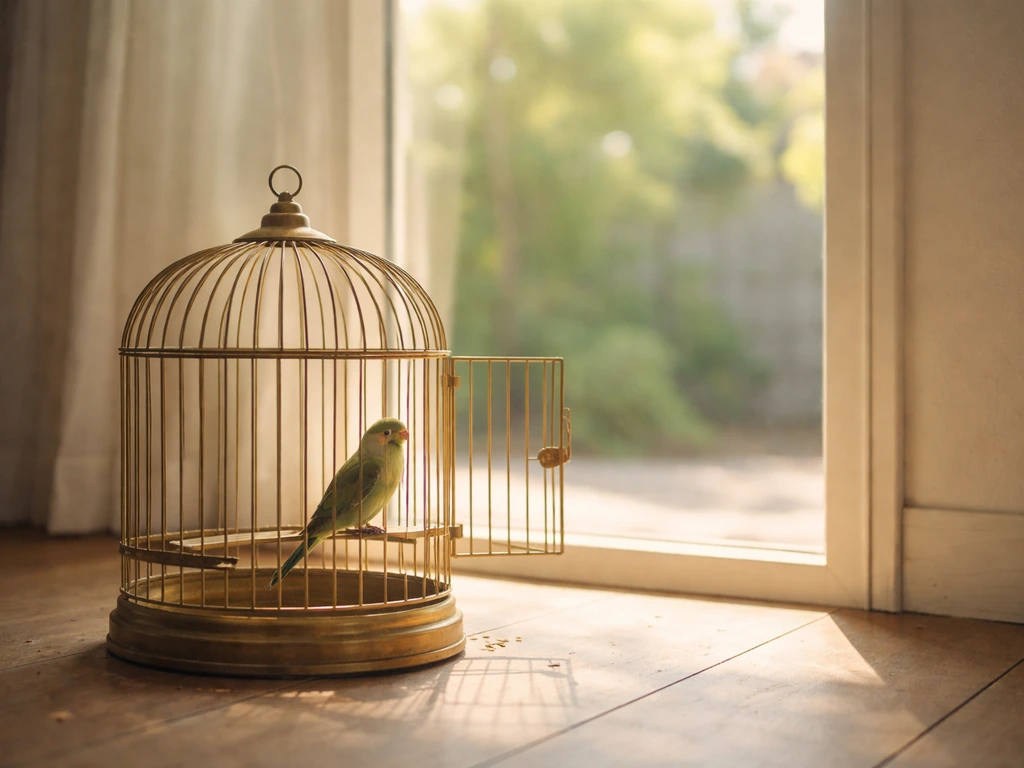
Bird Caging Meaning: Literal and Spiritual Interpretations
Meaning of bird caging explained literally and spiritually, plus welfare tips and how to interpret context

Bird Sighting Meaning: How to Interpret What You Saw
Interpret bird sighting meaning with context, behavior, symbolism, and practical steps to identify the species and next
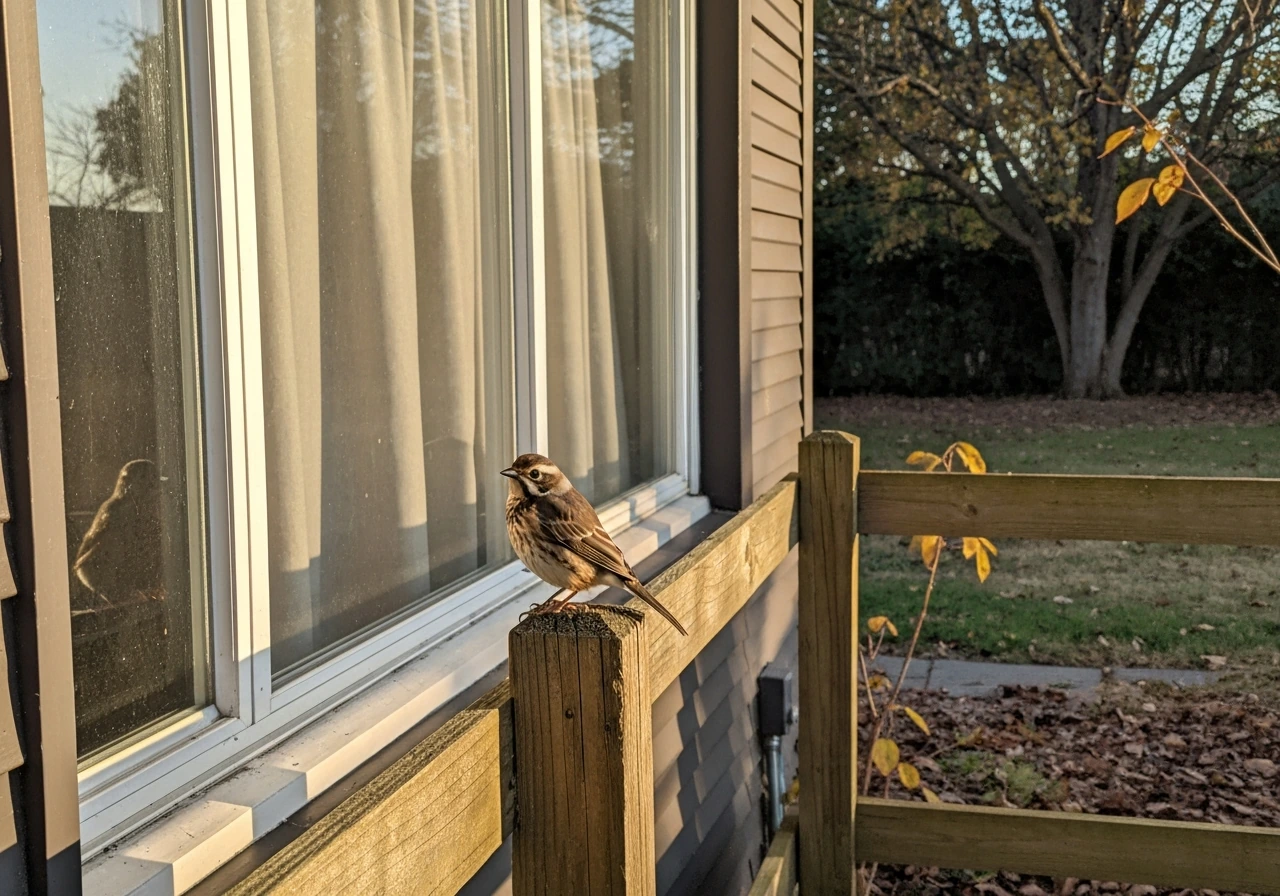
Bird Visit Meaning: Spiritual vs Real-World Reasons
Bird visit meaning explained: spiritual symbolism vs real-world causes like weather, food, nesting, dreams, and safe nex