"Bird crop" almost always refers to anatomy: the crop is a pouch in a bird's digestive tract, located near the throat, that holds and softens food before it moves deeper into the digestive system. That's the meaning you'll find in veterinary guides, wildlife handbooks, and bird-care resources. If you're seeing the phrase in a dream-interpretation article or a cultural context, the word "crop" there is more likely used in a harvest or abundance sense connected to bird symbolism rather than the body part. Either way, this guide will help you pin down exactly which meaning applies to what you read.
Bird crop meaning: anatomy, purpose, and symbolism

Marcus Holloway
17 May 2026
What "bird crop" most likely means when you search it
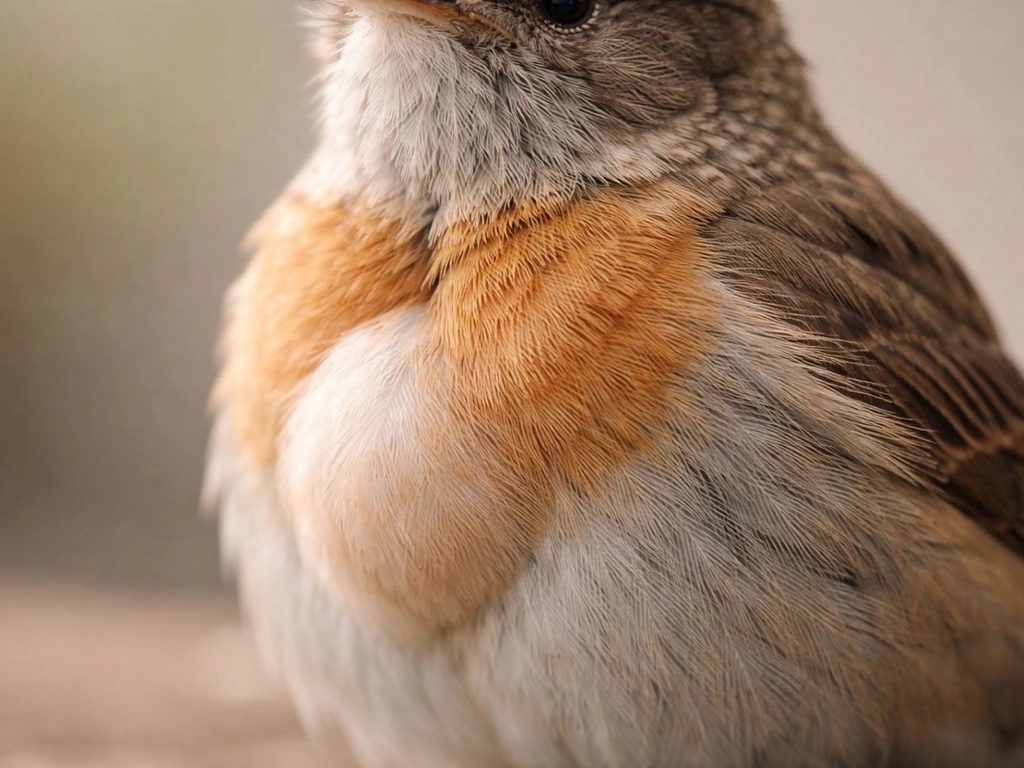
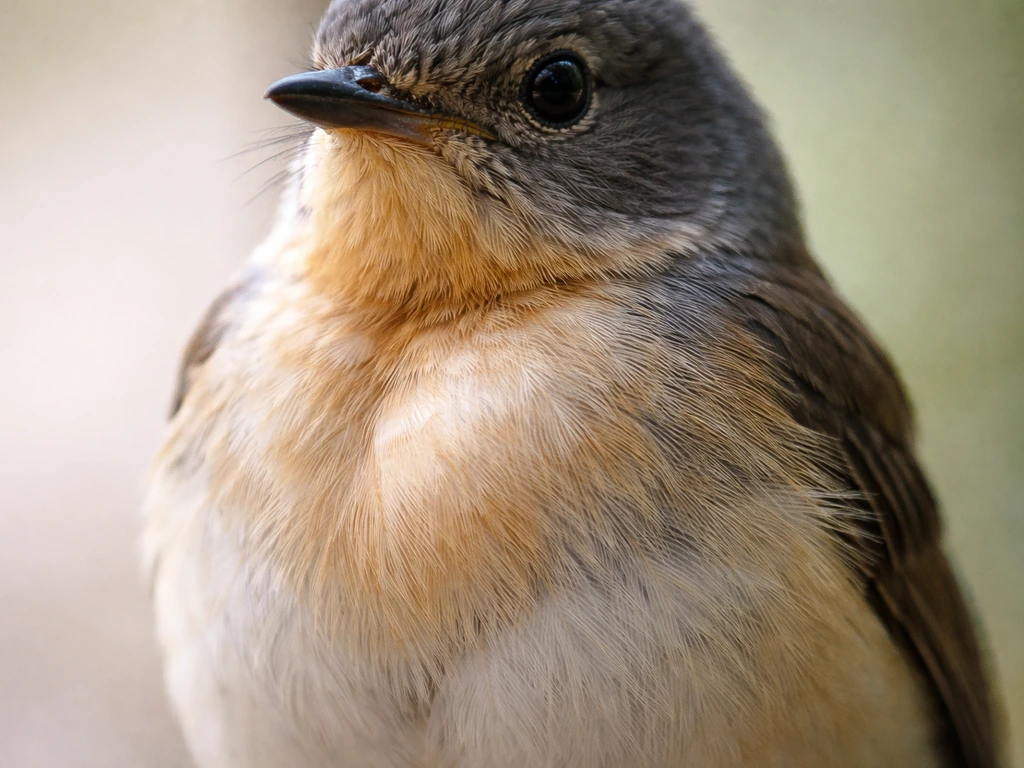
The overwhelming majority of people who search "bird crop meaning" are encountering the anatomical term, usually in one of three situations: they just noticed a bulge in the throat area of a bird they keep or found, they read the word in a care guide or wildlife article, or they heard it from a vet or rehabber. In those cases, "crop" is a specific body part, not a metaphor. Merriam-Webster traces this usage back to the older English meaning of "crop" as a swelling or pouch in the throat of a bird, which is exactly what the organ looks like from the outside when full.
The secondary possibility is figurative or symbolic: some cultural and spiritual writing about birds uses "crop" in the agricultural sense (a harvest, a yield) to describe abundance, providence, or the fruits of nature. In that framing, birds and crop imagery appear together as symbols of sustenance and cyclical life. That interpretation is real and worth understanding, but it's far less common in search results about bird crop meaning than the anatomy question.
The crop as an anatomical structure: what it is and what it does
blank" rel="noopener noreferrer">The crop (also called the ingluvies) is a muscular pouch that sits along a bird's esophagus, located on the front of the neck above the sternum. You can often see or feel it on the outside after a bird has eaten a good meal. It's one of the first stops food makes after being swallowed, and its main jobs are storage and softening. The digestive pathway in birds with a crop runs: esophagus, then crop, then the proventriculus (the glandular stomach), then the gizzard, then the small intestine.
The crop doesn't do heavy digestion on its own, but it starts the process. Enzymes in the crop begin breaking food down, moisture softens harder seeds or pellets, and the organ acts as a buffer that regulates how quickly food flows into the rest of the digestive system. This is especially useful for seed-eating birds, raptors that swallow prey whole, and parent birds that need to carry food back to chicks. Some species, like budgies and pigeons, can regurgitate food from the crop to feed partners or offspring, which is normal bonding and parenting behavior rather than illness.
Not every bird species has a crop. Waterfowl, for example, often lack one. But in parrots, pigeons, doves, raptors, chickens, and many songbirds, it's a central part of digestion. For anyone keeping pet birds or backyard chickens, understanding the crop is practically useful because its size and feel after feeding tells you a lot about whether the bird is eating well and whether food is moving through correctly.
When "bird crop" gets confused with idioms or cultural language
The confusion usually comes from a few directions. First, the English word "crop" carries a lot of baggage. It can mean a harvest of plants, a short riding whip, the act of trimming, or the anatomical pouch. Search engines sometimes surface agricultural or figurative results when you search "bird crop meaning" because those other senses are more common in everyday language. Cambridge Dictionary, for instance, leads with the harvest and cutting definitions rather than the anatomy one, which explains why search results can feel mixed.
Second, there's the older idiom connection. The phrase "it sticks in my craw" comes from the craw, which is an older or alternative name for the crop. The craw/crop was once a familiar enough body part that it entered everyday speech as a metaphor for something difficult to accept or swallow emotionally. That idiom is now mostly disconnected from the anatomy in common usage, but it's a direct linguistic descendant of the same bird body part.
Third, if you found "bird crop" in a spiritual, dream, or folklore context, the author may be using crop in the harvest sense to pair with bird imagery as a symbol of abundance, natural cycles, or providence. That's a legitimate interpretive tradition, but it's distinct from anatomy. The practical test: if the text is about feeding, health, or wildlife care, "crop" means the body part. If it's about spiritual themes, dreams, or metaphor, "crop" probably means harvest or yield. If your search is specifically about bird suet meaning, that’s a separate topic from bird crop and depends on what context you saw suet in.
How to figure out which meaning applies to what you read
Context cues are reliable here. Run through these questions when you encounter "bird crop" in something you're reading:
- Is the source a veterinary, wildlife, or bird-care website? Crop = the digestive pouch.
- Does the sentence mention feeding, digestion, throat, or stomach? Crop = anatomy.
- Is the source a dream-interpretation, folklore, or spiritual guide? Crop likely = harvest/abundance symbol.
- Does the text use phrases like "crop full," "empty the crop," or "crop stasis"? Purely anatomical.
- Is the word paired with terms like "harvest," "bounty," "season," or "yield"? That's the agricultural meaning connected to broader bird symbolism.
- Does "craw" appear nearby or as an alternate spelling? Same anatomical structure, older terminology.
If you're still unsure after checking those cues, look at the surrounding paragraph for any physical description of a bird's body or its feeding behavior. Anatomy-focused writing will almost always anchor the word with physical details. Symbolic writing will stay abstract and metaphorical.
Feeding, digestion, and when the crop becomes a health concern
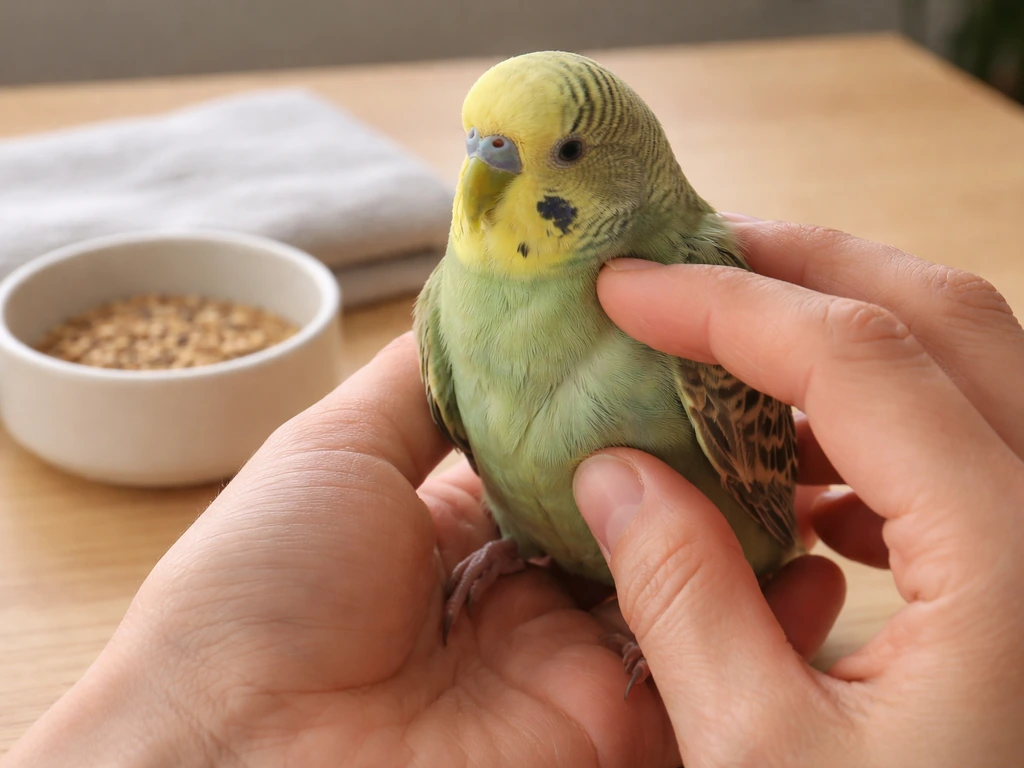
For pet bird owners and backyard chicken keepers, the crop is something you learn to check routinely. A healthy crop feels soft and doughy after a meal, and it should empty overnight. By morning, before the bird's first feeding, the crop should feel flat and empty. This is a quick daily check that tells you a lot without any equipment.
Problems arise when the crop doesn't empty normally. The two main conditions to know are crop stasis and sour crop. Crop stasis is when food backs up and peristalsis (the muscular movement that pushes food forward) slows or stops.
PetPlace describes crop stasis as food backing up into the crop when normal emptying or peristalsis is disrupted, and notes that improper hand-feeding temperature or consistency can contribute in baby birds Crop stasis is when food backs up into the crop when peristalsis slows or stops.
Sour crop happens when food sits in the crop long enough to ferment, usually because of a yeast overgrowth, and it often follows crop stasis or antibiotic use that disrupts the bird's normal gut flora. Hand-fed baby birds are particularly vulnerable because improper feeding temperature or consistency can disrupt crop motility.
Warning signs that mean you need a vet today
- The crop feels hard, ballooned, or fluid-filled and has been that way for more than a few hours
- The crop hasn't emptied within 6 hours of the last feeding (a common clinical benchmark for concern)
- You notice a sour, yeasty, or foul smell from the bird's mouth or from regurgitated material
- The bird is regurgitating repeatedly (not the occasional normal social regurgitation between bonded birds, but distressed, frequent vomiting)
- The bird is lethargic, fluffed up, losing weight, or showing breathing difficulty
- Crusts or discharge around the beak or mouth
- Droppings smell unusual or look abnormal alongside any crop swelling
If you're seeing any of those signs, the next step is straightforward: contact an avian veterinarian or a licensed wildlife rehabilitator the same day. Crop stasis and sour crop can deteriorate quickly, especially in small birds. Don't try to massage the crop yourself or withhold water without professional guidance, as both can make things worse depending on the underlying cause.
For wild birds you've found injured or sick, the best move is to call your local wildlife rehabilitation center rather than attempting any hands-on crop care. They have the tools and training to assess whether the issue is crop-related or something else entirely. The crop is easy to notice when something looks wrong, but it's a symptom indicator, not always the root cause.
On the practical day-to-day side, the crop is also useful for understanding your bird's feeding schedule and preferences. Because food enters other parts of the digestive system from there, timing your observations around the crop helps with things like knowing whether your bird is accepting new foods, how much it's actually consuming, and whether it's eating at roughly normal intervals.
Bird seed composition, the type of bird feed you offer, and even the style of bird perch can affect how comfortably a bird feeds and how efficiently the crop fills and empties. In many cases, the bird perch meaning you encounter is just another clue from the same context-testing approach. If you were also wondering about bird seed meaning, the symbolism usually comes from what seeds represent in culture, not the anatomy of the crop.
Cultural and spiritual meanings of crop imagery with birds

If you landed on "bird crop meaning" through a spiritual or dream-interpretation search, you're working with a different kind of meaning entirely. In cultural and symbolic traditions, birds are frequently associated with messages from the divine, transitions between worlds, freedom, and natural wisdom. "Crop" in these contexts almost always carries the agricultural meaning: abundance, harvest, the fruits of one's labor, or what the earth (and by extension, the spiritual realm) provides.
Birds appearing alongside harvest or crop imagery in folklore and dream traditions can suggest themes of reward after effort, seasonal change, or a message about provision and sustenance. Different traditions read this differently: in some European folk traditions, birds near a harvest are omens of weather or fortune. In Indigenous North American traditions, certain birds are directly tied to agricultural cycles and the protection of crops. In Islamic dream interpretation, birds often carry meanings of counsel, blessing, or warning depending on their behavior and type.
The responsible way to work with symbolic interpretations is to treat them as one layer of meaning rather than a complete answer. If you dreamed about a bird near a crop field, that image may feel meaningful, and exploring it through your own cultural or spiritual framework is worthwhile. But symbolic reading works alongside practical knowledge, not instead of it. If you're also dealing with an actual bird that's ill, no amount of symbolic interpretation replaces a call to a vet. If you're also dealing with an actual bird that's ill, no amount of symbolic interpretation replaces a call to a vet. The two modes of understanding can coexist without one undermining the other.
It's also worth noting that the older idiom "it sticks in my craw," derived directly from the anatomical crop/craw, has its own cultural life. It's used to describe something morally or emotionally hard to accept, and it shows up in literature, political speech, and everyday conversation. If you encountered "crop" or "craw" in an idiom rather than a direct bird-meaning discussion, that's the lineage it comes from: a body part so familiar to generations of people who kept chickens and observed birds that it became shorthand for digestion and tolerance.
Putting it all together: your next steps
Here's how to act on what you've just read, depending on why you searched in the first place: If what you really want is the difference between a bird feed meaning and the anatomy meaning of crop, check the bird feed meaning topic for a quick side-by-side comparison.
- If you're a pet bird owner and you noticed a bulging, hard, or foul-smelling crop: call an avian vet today. Don't wait to see if it resolves on its own.
- If you found the term in a bird-care guide or vet resource: you now have a solid working understanding of what the crop is and how to monitor it. Use the warning signs above as your reference.
- If you found the phrase in a spiritual, dream, or folklore source: consider the harvest/abundance interpretation and how it fits the broader symbolic context. No medical action needed unless an actual bird is involved.
- If you're researching bird anatomy for education or writing: the crop fits into the digestive sequence after the esophagus and before the proventriculus and gizzard, and it's present in most (but not all) bird species.
- If you encountered the idiom "sticks in my craw": you're dealing with figurative English rooted in this same bird anatomy, now used to describe emotional or moral difficulty in accepting something.
- If you're unsure which interpretation applies: check the source type first (veterinary vs. spiritual vs. literary), then look for the physical or metaphorical context cues listed earlier in this guide.
FAQ
How can I tell the difference between a normal full crop and a problem like crop stasis just by feel?
A normal crop typically feels soft and doughy after feeding, and it gradually empties, leaving it flat by the next morning. In crop stasis, the crop often stays overly full or firm for longer than expected and the bird may look lethargic or less interested in food. If it is not trending smaller overnight, treat it as urgent and get avian guidance.
Is it ever normal for a bird’s crop to look uneven or slightly lumpy?
Yes, mild irregularity can happen because the crop is a pouch that can hold food unevenly after a meal. What is not normal is a crop that is persistently hard, painful-looking, or rapidly enlarging. If you can also notice reduced eating, regurgitation beyond normal bonding, or weight loss, that points to a health issue rather than normal filling.
Do all pet birds with crops regurgitate from the crop the same way?
No. Some species more readily regurgitate as part of pair bonding or feeding chicks, and the frequency can vary by age and social context. Regurgitation that is frequent, messy, foul-smelling, paired with a bloated crop that does not empty overnight, or happening when the bird is not social can be a sign of illness, not affection.
What should I do if I just found a wild bird and suspect a crop issue?
Contact a licensed wildlife rehabilitator as the first step. Avoid trying to “empty” the crop, do not give water or food unless the rehabber instructs you, and do not attempt massage. Improper handling can worsen underlying causes, including infection, injury, or an incorrect feeding response.
How long should it take for a healthy crop to empty after a meal?
There is natural variation by species and feeding pattern, but a practical home check is that the crop should not remain full all night. For many common pet birds, feeling flat and empty by morning is a useful expectation. If the crop does not noticeably reduce between one meal and the next, or it stays full overnight, that is a red flag.
Does the type of food I feed change how the crop should feel?
Yes. Seed-heavy diets, larger pellets, and chopped food can fill and soften differently, so the crop may feel more or less full after the same amount. The important comparison is the trend over time, for example it should empty overnight under normal conditions, not continuously expand. If you switch foods, monitor changes in crop filling and overall appetite for a few days.
Can antibiotics cause sour crop or crop stasis, and how soon could I notice it?
Disruption of normal gut flora is one reason sour crop can develop after antibiotics, and signs may appear within days rather than weeks. Watch for an abnormally full crop that does not empty, a sour or fermented odor, and behavioral changes like decreased feeding or weakness. If you see those, contact an avian vet promptly.
If “crop” in a dream or spiritual text feels meaningful, is there a safe way to interpret it alongside real-world bird care?
Use the symbolic reading as context, not diagnosis. If you are also dealing with an actual bird showing feeding or digestion problems, focus on practical indicators like whether the crop empties overnight and seek veterinary or rehab help. Symbolic meaning can coexist with health care, but it should not delay treatment.
What if I saw the phrase “bird crop” mixed with “craw” or “crawling” in a text?
“Craw” is an older or alternative name connected to the same throat pouch concept, so it often refers to the anatomy. “Crawling” usually indicates movement and is not related to the organ. When “crop/craw” appears near feeding, throat bulging, or digestion cues, treat it as the anatomical meaning.
Is crop always located where a bulge would be visible on the outside?
Often you can feel or see the crop in the front of the neck area, but visibility depends on the species, body condition, and how recently the bird ate. Some birds have subtler external changes, especially if they eat small meals frequently. If you cannot confidently assess it externally, do not guess, instead rely on professional evaluation when illness is suspected.