A bird lover is most commonly called a birder or birdwatcher in everyday English. If you want something more formal or scientific-sounding, ornithophile works perfectly. And if that person has taken their passion to a professional level, ornithologist is the right word. Which label fits depends almost entirely on how serious the interest is and what context you're using it in.
Bird Lover Is Called: Meaning, Labels, and Best Phrases

Marcus Holloway
27 Jun 2026
What 'bird lover' actually means
A bird lover, at its most basic, is someone who has a genuine affection, fascination, or enthusiasm for birds. The phrase itself is plain English and widely understood, but it functions more as a description than a formal label. You might say 'she's a real bird lover' in casual conversation and everyone gets the idea, but you probably wouldn't list 'bird lover' on a resume or a club membership form. That's where more specific terms come in.
The definition stretches comfortably across a wide spectrum. A bird lover might be someone who stocks a backyard feeder and watches sparrows over morning coffee, or someone who travels internationally to spot rare species. The affection for birds is the common thread. The label you attach to that affection depends on how deep the involvement goes.
The most common names for bird lovers in everyday English
Here are the terms you'll actually encounter, from the most casual to the most technical:
| Term | Who it fits | Tone/Register |
|---|---|---|
| Bird lover | Anyone with affection for birds | Casual, everyday |
| Birdwatcher | Someone who watches and observes birds recreationally | Casual to moderate |
| Birder | Someone actively engaged in observing and identifying birds | Casual to enthusiast |
| Twitcher | A birder who travels specifically to see rare species and tick them off a list | Enthusiast/hobbyist |
| Ornithophile | A person who loves birds (formal, Greek-derived) | Formal, literary |
| Ornithologist | A scientist who studies birds professionally | Academic/professional |
Birdwatcher and birder are used interchangeably by many people, including major dictionaries. Oxford Learner's Dictionaries lists birdwatcher as the primary term and notes birder as an alternative. Merriam-Webster defines birder as 'a person who observes or identifies wild birds in their habitats,' which maps almost exactly onto the traditional definition of birdwatcher.
Ornithophile is built from the Greek root ornitho- (bird) combined with -phile (a lover of, one attracted to), and Wiktionary defines it cleanly as 'a person who loves birds; a bird-lover.' It's the kind of word you'd see in a natural history essay or a well-crafted article, not typically in everyday speech. But it's precise, recognizable, and perfectly correct.
Birder vs. birdwatcher: is there a real difference?
Within birding communities, some people draw a line between the two. The informal consensus, reflected in Reddit's r/birding community, is that birder often signals a slightly more serious level of engagement, including active identification, life lists, and time spent in the field. Birdwatcher can carry a more relaxed, recreational connotation. That said, both terms are used fluidly by the same people, and plenty of committed enthusiasts call themselves birdwatchers without any sense of downgrading their passion. The community broadly agrees that you can call yourself a birder simply because you enjoy birding, no formal threshold required.
What about twitchers?
Twitcher is a specific sub-label inside the birding world. blank" rel="noopener noreferrer">Wikipedia defines twitchers as birders who travel long distances specifically to see a rare bird and add it to their list. It's an identity within an identity, and not every birder would claim the label. If you're describing someone who drove five hours to catch a glimpse of a bird spotted once in a decade, twitcher fits perfectly.
Why these labels exist: a quick look at language and culture
The vocabulary around bird enthusiasm reflects something broader about how English creates identity labels from hobbies and interests. In some cultures and communities, bird culture is called birding or birdwatching. The -phile suffix (from Greek, meaning love of or one attracted to) is a productive word-forming element in English, and ornithophile follows the exact same pattern as bibliophile (book lover) or cinephile (film lover). Once you know the structure, the word builds itself.
Birder as a term has documented history going back centuries. Guinness World Records has cited early historical texts using birding as a term, and its evolution from a purely practical activity (catching birds) toward a recreational and scientific one mirrors the broader cultural shift in how people relate to wildlife. What was once about hunting became about watching, identifying, and conserving. Bird watching is also called birding, and the choice of label depends on how seriously someone takes it bird watching is called.
The word ornithologist comes from the New Latin ornithologia, combining ornith- (bird) and -logia (the study of), which Merriam-Webster traces back to Greek. The study of birds has been a formal academic discipline for centuries, and ornithology as a word reflects that long institutional history. That's why ornithologist sounds so different from birder: one comes from a tradition of scientific naming, the other from community practice.
There's also a cultural identity dimension here. Birding communities are notably inclusive and self-defining. People often say they 'caught the birding bug,' a phrase that works because bug in English carries the informal sense of an intense fascination (as in 'the travel bug'). The Smithsonian has framed birdwatching as an accessible activity for everyone, not just experts, which reinforces why terms like birder have stayed deliberately low-threshold.
How to use these terms correctly in conversation and writing

The right label depends on context. In the same way that bird lovers have specific labels, bird movement is called different things depending on the context and the behavior being described. Here's a practical guide for choosing the right one:
- Casual conversation about someone who enjoys birds: 'She's a huge bird lover' or 'He's really into birdwatching' both work perfectly.
- Describing yourself as a hobby: 'I'm a birder' is completely natural and carries no requirement for a certain skill level.
- Writing something formal, literary, or descriptive: 'An ornithophile with a lifelong passion for raptors' reads elegantly and precisely.
- Referring to a professional who studies birds scientifically: 'She's an ornithologist specializing in migratory patterns' is the correct register.
- Describing someone obsessed with chasing rare sightings: 'He's a committed twitcher' is specific and recognized in birding circles.
In writing, avoid conflating ornithologist with birder or bird lover. An ornithologist is a trained scientist. A birder is an enthusiast. These are meaningfully different, and using ornithologist to mean simply 'someone who really likes birds' overstates the credential. Similarly, not everyone who watches birds from their backyard would call themselves a birder, though the term is open to them if they want it.
Example sentences to illustrate natural usage:
- 'My neighbor is a dedicated birder who's logged over 400 species in the past two years.'
- 'As a lifelong ornithophile, she could identify any songbird by its call alone.'
- 'The local birdwatching club meets every Saturday morning at the nature reserve.'
- 'He's a twitcher through and through — last month he drove to Scotland to see a vagrant warbler.'
- 'Dr. Chen is an ornithologist at the university, researching corvid intelligence.'
Bird-themed idioms and slang that overlap with bird love
The language around bird enthusiasm doesn't exist in isolation. There is also bird-related medical slang, such as what a bird bite is called. English is full of bird-themed expressions that reflect just how deeply birds are woven into everyday speech and culture. Some of them overlap interestingly with the idea of bird obsession or affection.
- 'Birds of a feather flock together' — often used to describe people who share a passion (like birders finding their community).
- 'Free as a bird' — used to describe an unrestrained spirit, the kind of freedom many bird lovers say they feel when out in the field.
- 'Rare bird' — English uses this idiom to describe an unusual or exceptional person, just as a rare bird sighting is prized in birding.
- 'The early bird catches the worm' — practically a motto for dawn birdwatchers who know the best sightings happen at sunrise.
- 'Birding bug' — informal but widely used in communities to describe catching a contagious enthusiasm for bird-watching.
Bird-related vocabulary extends into other corners of language too. The study of birds (ornithology) has its own terminology for behaviors and phenomena, and many of those terms have drifted into general use. If you've explored what bird study is called, or what bird watching is called as a formal activity, you'll find the vocabulary runs surprisingly deep, from technical ornithological terms to folk expressions that have stuck around for centuries. The bird study is called ornithology, and it has its own terminology for birds and their behaviors. Even the physical movements of birds have their own vocabulary, and the cultural frameworks humans have built around bird behavior reflect just how much attention we've always paid to them.
Understanding what to call a bird lover is really a small window into a much larger and genuinely rich world of bird-related language. Whether you land on birder, ornithophile, or just 'that person who always has binoculars around their neck,' you're tapping into a tradition of human attention to birds that goes back as far as language itself.
FAQ
Can I call someone an ornithologist if they just have strong birding skills?
In most everyday contexts, “birder” and “birdwatcher” refer to people who observe and identify birds. Use “ornithologist” only for someone with formal scientific training or an academic/professional role, for example a researcher at a university or museum, not just a serious hobbyist.
When is “bird lover” the best label, and when should I choose “birder” or “birdwatcher” instead?
Yes, “bird lover” is fine for informal speech, and it signals affection without implying expertise. For clubs, events, or printed bios, “birdwatcher” or “birder” is usually clearer because it communicates the activity, not just general liking.
What label should I use if I do not know how serious their birding is?
If you are unsure, “birder” is generally the safest umbrella term in English-speaking birding communities, because it covers both casual and serious bird enthusiasts. If you know they focus on watching for enjoyment, “birdwatcher” may feel more accurate.
Is “twitcher” appropriate for someone who sees lots of birds locally?
“Twitcher” can be understood as niche and intense, because it implies traveling to see a rare bird and adding it to a personal list. If the person just enjoys common birds or local sightings, “twitcher” may sound like an exaggeration.
Should I use “birding,” “birdwatching,” or the person-labels like “birder” in sentences?
In writing, “birding” is often the activity (the practice of observing birds), while “birder” or “birdwatcher” is the person. A safe pattern is, “She goes birding,” then, “She’s a birder,” so the noun and activity do not get mixed.
What is the best way to mention bird enthusiasm on a resume or application?
For resumes and forms, avoid vague labels. If you want to mention bird interest, consider phrasing like “active birdwatching enthusiast” or “regular birdwatcher,” and add specifics if relevant (for example “bird identification and photography” or “organized local counts”), rather than using “bird lover” alone.
Is there a clear cutoff between “birdwatcher” and “birder”?
There is no universally enforced threshold, so community lines can vary by group. A practical rule of thumb is: if they keep life lists, actively identify species, and travel for sightings, “birder” fits better; if it is mainly casual watching, “birdwatcher” usually sounds right.
Is “ornithophile” something people actually say in everyday life?
“Ornithophile” is correct but more literary than conversational. If you are writing casually (text messages, captions, everyday conversation), it may feel overly formal or poetic, so most people default to “bird lover,” “birdwatcher,” or “birder.”
What is a safer alternative to “ornithologist” if I want to sound respectful but accurate?
If you use “ornithologist” in a non-professional way, readers may assume you are overstating credentials. A safer alternative is “bird enthusiast” or “serious birder,” especially if the person is self-taught or focused on observation rather than scientific research.
How do “bird culture,” “birding,” and “birdwatching” differ in meaning?
Yes. “Bird culture” and “birding” can overlap, but they are not identical: “bird culture” is about the community and its identity, while “birding” is the activity. In most sentences, pair “birding” with what someone does, and “bird culture” with how people in the community behave or identify.
Next Articles
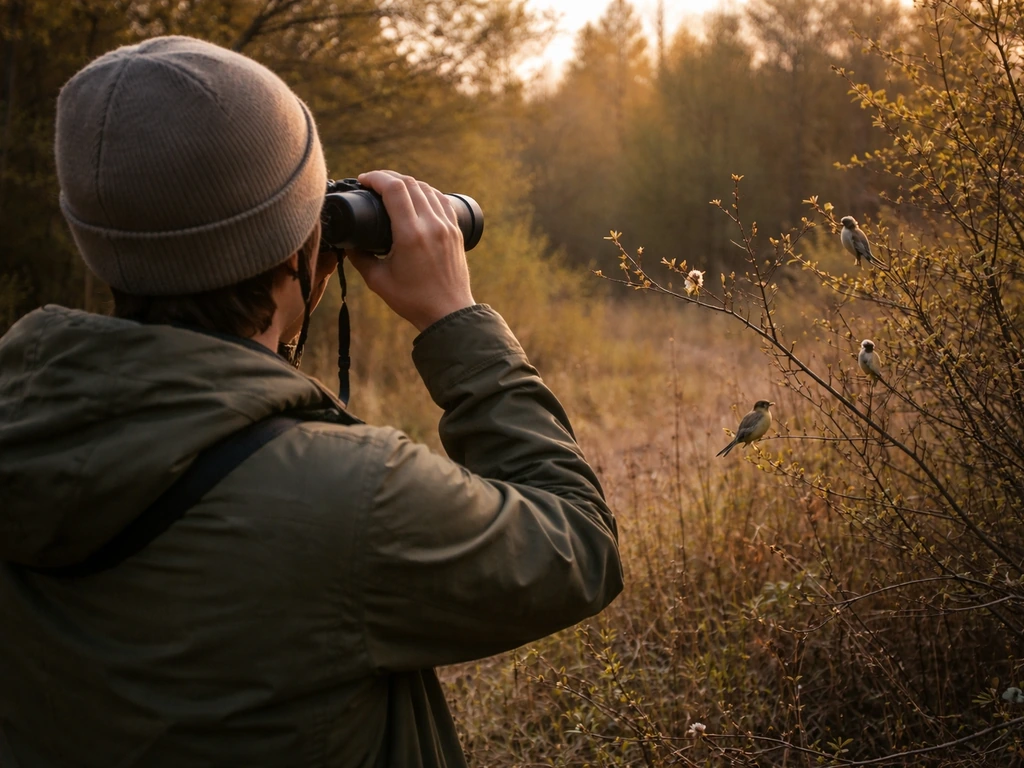
Bird Watching Is Called What Learn Birding vs Ornithology
Find out what bird watching is called: birdwatching, birding, and ornithology, plus key term glossary like nesting and p
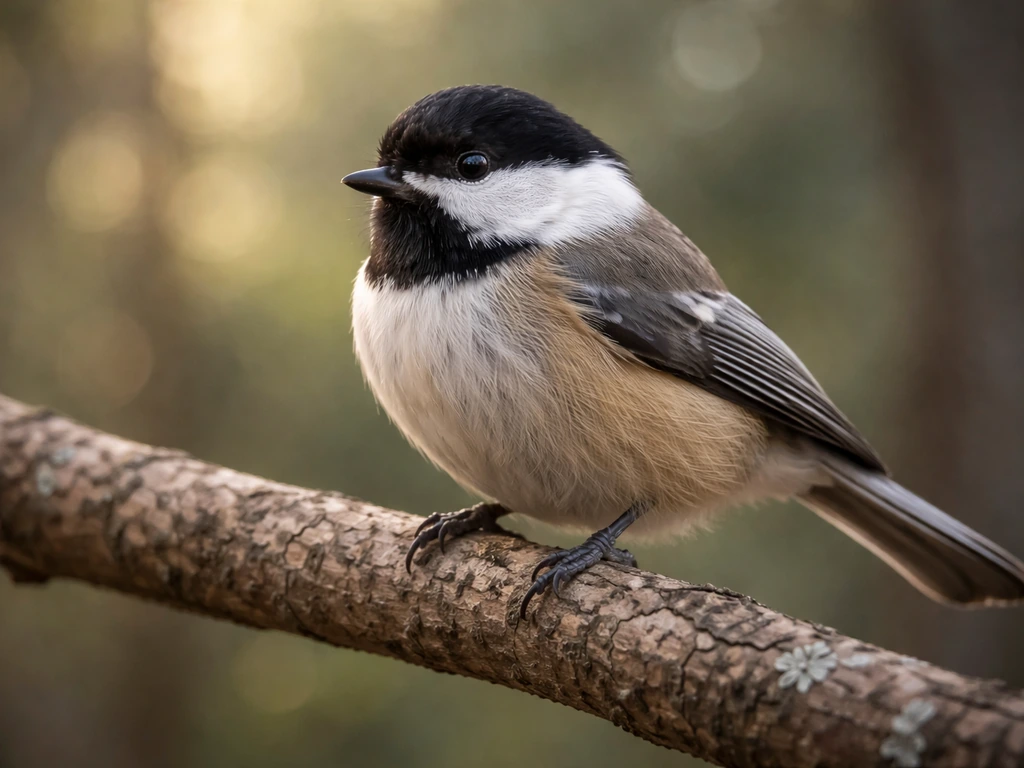
Bird Study Is Called Ornithology: Meaning and Next Steps
Find the real name for bird study, plus ornithology vs birdwatching and bird symbolism, with clear next steps.
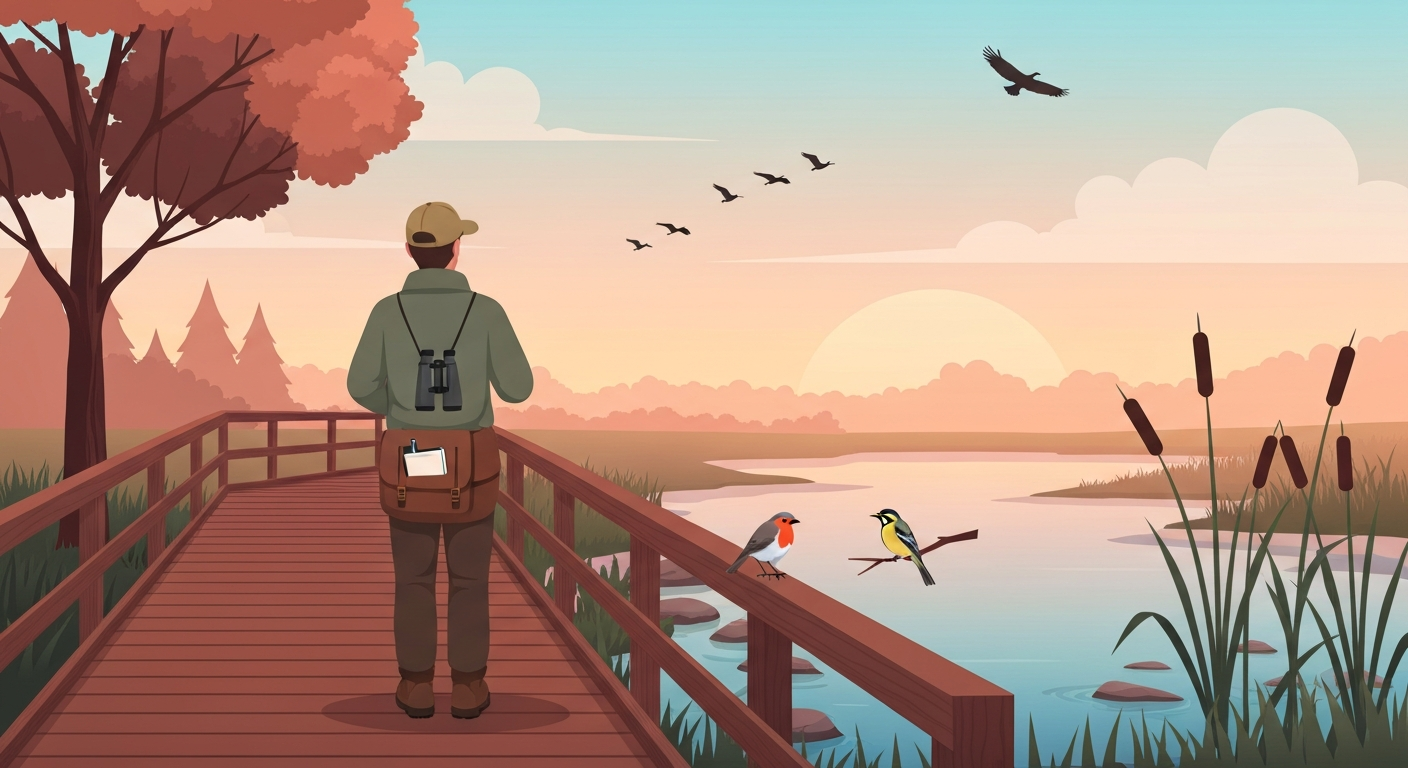
Bird Verb Meaning: Uses, Behaviors, Idioms & Sightings
Discover what 'bird' means as a verb, definitions, behaviors, idioms, sightings, and practical next steps.