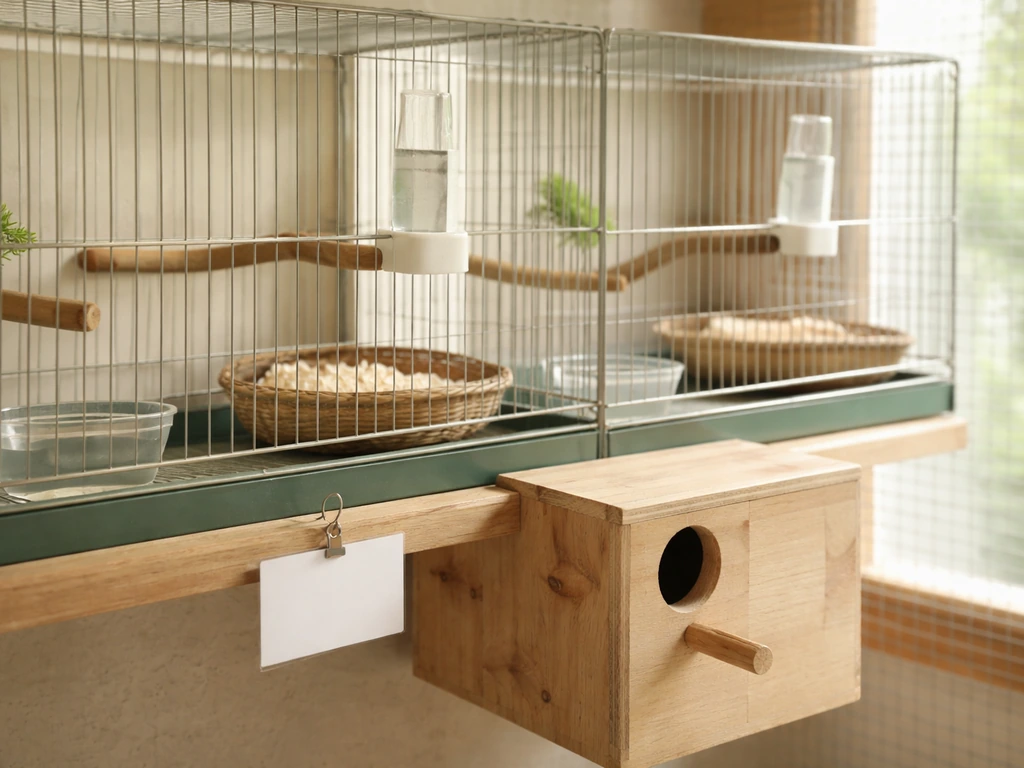
A bird enthusiast is someone who is genuinely passionate about birds and spends real time on that interest, whether that means watching them at a feeder every morning, keeping parrots at home, logging sightings on eBird, or reading field guides for fun. A bird habitat definition explains what kinds of places birds need for food, shelter, and breeding. The word 'enthusiast' doesn't require a degree or professional credential. It just means strong, sustained interest. What shifts the meaning is the context: watching wild birds, keeping captive birds, studying them scientifically, or participating in organized birding culture are all different things, and people use 'bird enthusiast' to point at any one of them depending on what they actually do.
Bird Enthusiast Meaning: Who They Are and What It Implies

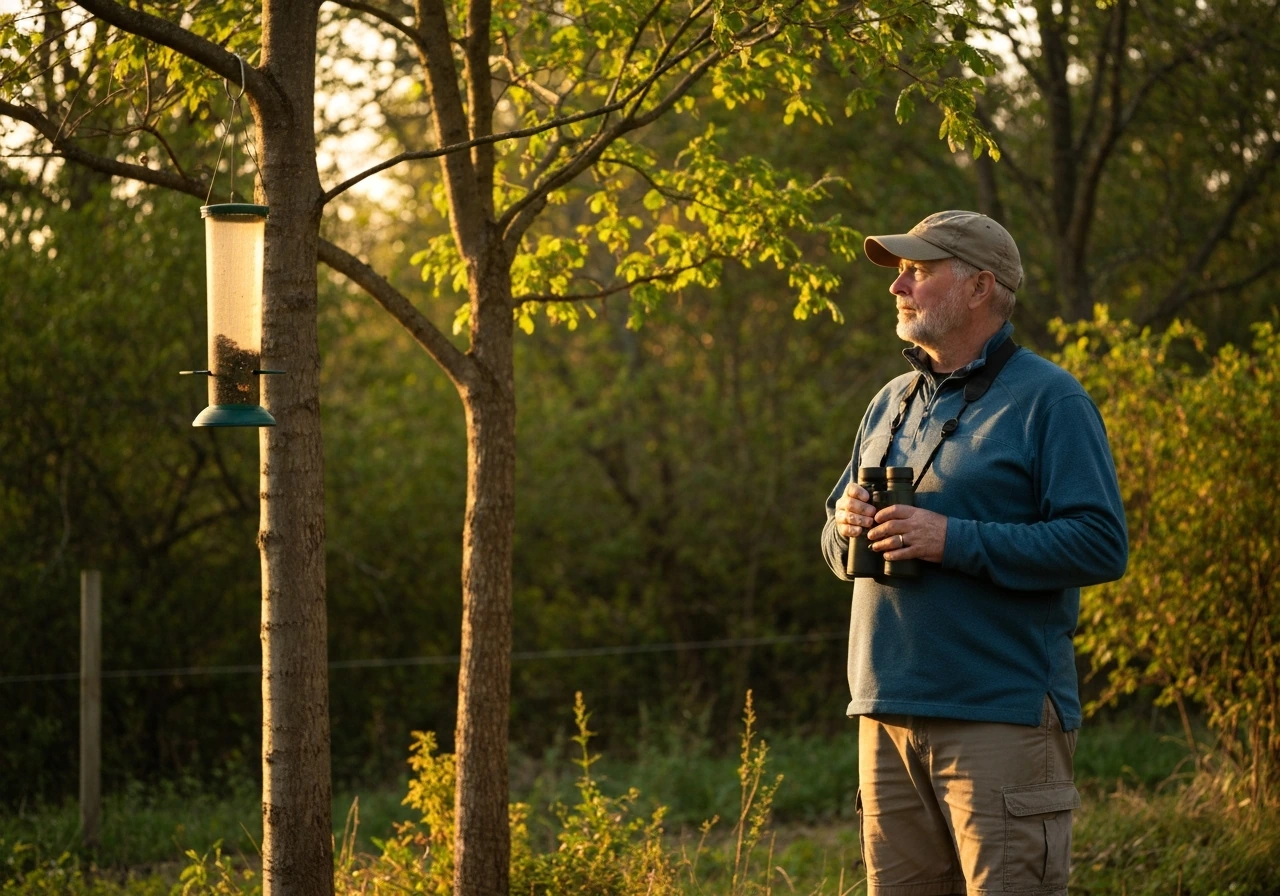
What 'bird enthusiast' actually means in plain English

Every major dictionary agrees on what 'enthusiast' means: a person who is very interested in a particular activity or subject and spends a lot of time on it. Collins puts it exactly that way. Oxford says the same. Cambridge and Merriam-Webster echo it. None of them require expertise, professional training, or any formal qualification. So 'bird enthusiast' in plain English means someone whose bird interest goes beyond casual noticing. They actively engage with birds in some way, regularly, because they want to.
The phrase is intentionally general, which is actually why people reach for it. It's inclusive enough to cover a backyard feeder-watcher and a competitive lister who travels across the country for rare sightings. What it rules out is pure passivity: someone who just thinks birds are pretty but never looks one up or goes out of their way to observe them wouldn't typically call themselves an enthusiast.
The labels people use, and what they actually signal
The birding world has a surprisingly rich vocabulary for describing someone's relationship with birds, and the differences between the terms matter more than they might seem.
| Label | Core meaning | Expertise implied | Main activity |
|---|---|---|---|
| Bird enthusiast | General strong interest in birds | None required | Any (watching, keeping, studying) |
| Birdwatcher / bird-watcher | Observes wild birds in natural settings as a hobby | None required | Observation in the field |
| Birder | Hobby observer, often more committed or active | None required, but implies dedication | Field observation, listing, travel |
| Bird lover | Affectionate or emotional connection to birds | None | Casual to serious, mostly observational |
| Ornithologist | Studies birds scientifically | Professional or academic expertise expected | Scientific research and study |
| Bird keeper | Cares for captive birds | Practical/husbandry knowledge | Captive care and management |
| Bird fancier | Keeps, breeds, or shows birds | Breed-specific knowledge | Breeding, showing, captive keeping |
Collins defines 'bird-watcher' as a person whose hobby is watching and studying wild birds in their natural surroundings. Cambridge defines 'birder' the same way, emphasizing that it's a hobby rather than a profession. An ornithologist, by contrast, is specifically someone who studies birds in a scientific capacity, and both Merriam-Webster and Cambridge carry that expert or professional weight in the definition. Reddit's birding community reflects this clearly: people explicitly discuss that calling yourself an ornithologist just because you watch birds would be overclaiming. The ornithologist label belongs to those with scientific training or professional work in the field.
Bird fancier is a separate branch entirely. Collins defines it as someone who keeps, breeds, or sells birds, and Oxford supports that reading. It sits alongside related ideas like bird keeping and bird breeding, all of which involve captive birds rather than wild observation. These are meaningfully different lifestyles from birdwatching, with different knowledge requirements, different ethics considerations, and different daily practices.
How people actually use this phrase online and in real life
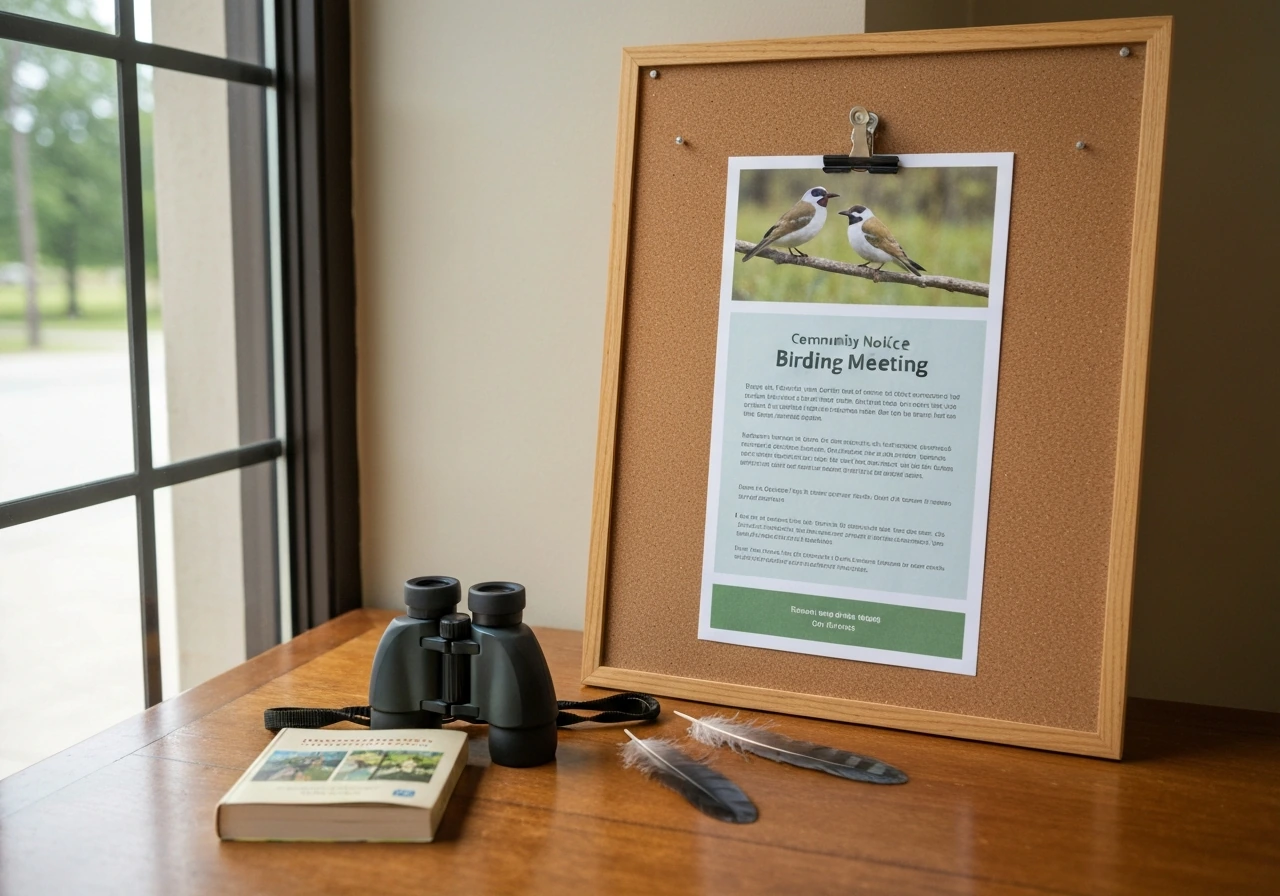
When you see 'bird enthusiast' in the wild, it almost always signals one of a few specific intentions. In casual self-introductions, it's a humble, broad way of saying 'I'm really into birds, but I'm not claiming to be a scientist.' On Reddit's r/Ornithology community, people regularly use phrases like 'amateur bird enthusiast' precisely to signal that they're interested in ornithology but don't have professional credentials. It's a soft landing between 'I just like birds' and 'I have a PhD in avian biology.'
In community contexts, like local Audubon chapter meetings, birding club introductions, or citizen science projects, 'bird enthusiast' often means someone who actively watches birds and participates in organized activities: Christmas bird counts, Project FeederWatch, eBird logging. These are structured programs, and the people in them are genuinely invested. Project FeederWatch, run by the Cornell Lab of Ornithology, asks participants to watch and count birds at their feeders during a defined season from November through April, using a consistent two-day count window. That's enthusiast behavior with a measurable, scientific output.
In the context of blank" rel="noopener noreferrer">pet or captive birds, 'bird enthusiast' appears more loosely. Someone who keeps parrots, doves, or finches and is deeply involved in their care might self-identify as a bird enthusiast even if they never go birding outdoors. A bird breeder meaning is different from a bird enthusiast because it refers to someone who breeds birds as a defined role or activity. Context usually makes it clear which world you're in.
How 'bird people' show up in culture, folklore, and language
Birds hold a remarkable amount of cultural weight, and that weight often spills over onto the people who pay close attention to them. In folklore traditions going back to ancient Greece and Rome, birds were considered messengers between the human world and the divine. The practice of reading omens from bird behavior, flight patterns, or calls is called ornithomancy, and it was taken seriously enough to be institutionalized in Roman augury. The idea that birds carry meaning, whether warning, blessing, or foretelling, shows up across dozens of cultures and persists today in folk beliefs like the window-strike omen. Bird preening meaning can also come up when people observe how birds groom themselves as part of normal behavior.
The Audubon Society of Western Pennsylvania explicitly documents common bird superstitions as folklore rather than fact, which is the right framing: these are culturally significant beliefs, not ornithological findings. A bird hitting your window, for example, is often interpreted in folk culture as an omen of change or death, but Cornell Lab's All About Birds explains the actual cause as a reflection problem with glass. Both things can be true simultaneously: the biology is real, and the belief is culturally real. For someone interested in the symbolic layer, it helps to hold them separately.
The magpie is a classic example. In European folklore, single magpies are associated with bad luck in some regions and good luck in others. The same bird, wildly different readings depending on your cultural frame. That variability is part of what makes bird symbolism so interesting to trace, and it's one reason 'bird people' have always occupied a slightly elevated cultural status: attentiveness to birds has historically implied attentiveness to signs, messages, and the natural world more broadly.
In everyday language, bird-related expressions often carry personality implications. Calling someone 'free as a bird' frames them as unencumbered and independent. Describing someone as having a 'bird's-eye view' implies perspective and vision. Even 'bird-brained,' despite being an insult, reflects a long cultural association between birds and quick, darting attention. People who are known for watching birds tend to get described in similar terms: observant, patient, attuned to small details. There's a specific kind of attentiveness that birdwatching demands, and it reads culturally as a thoughtful, grounded practice.
What bird enthusiasts actually do day to day
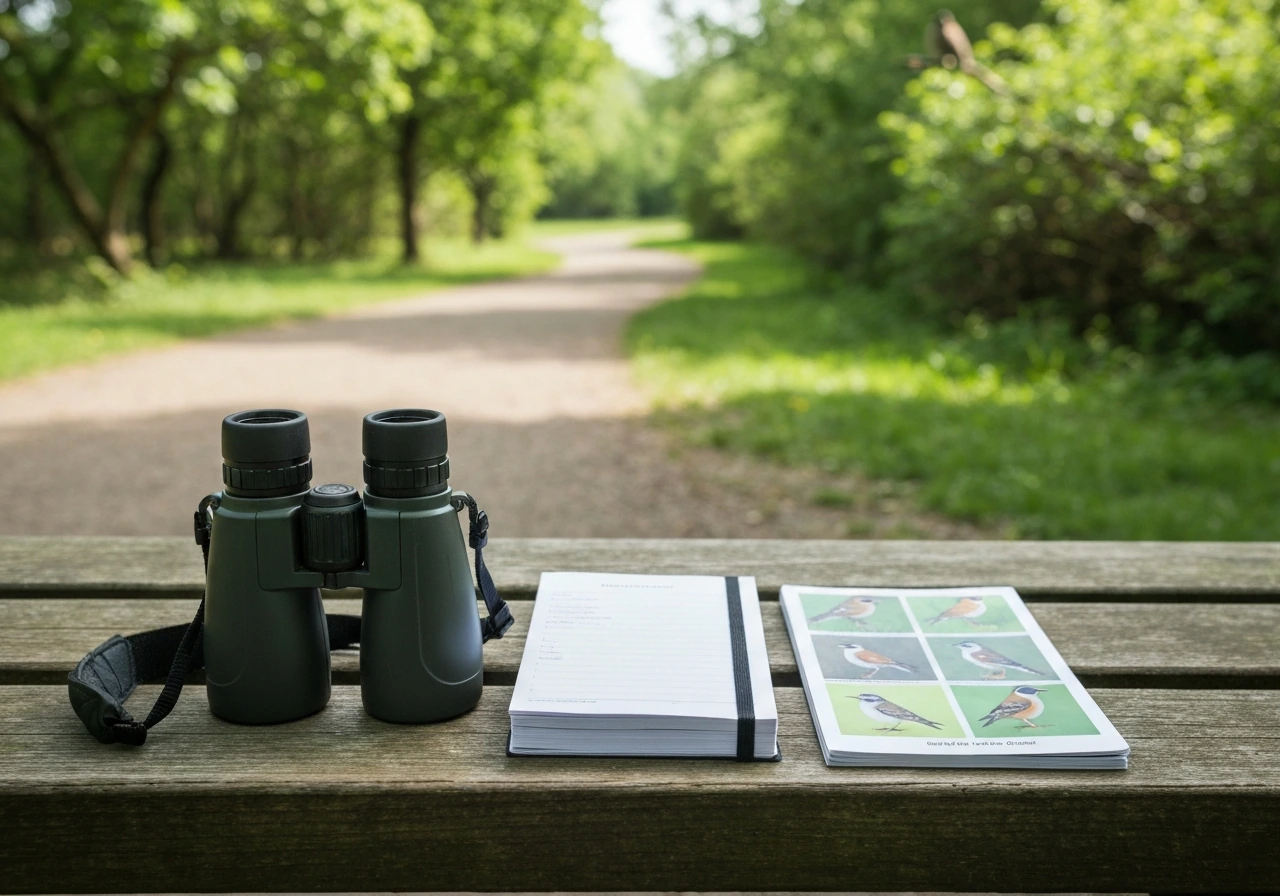
If you're curious what 'being a bird enthusiast' looks like in practice, it breaks down pretty naturally by the type of involvement. Bird husbandry definition usually refers to the practices and responsibilities involved in caring for birds kept in human settings, such as feeding, housing, health, and enrichment.
Wild bird observation (birdwatching and birding)
This is the most common meaning behind 'bird enthusiast. This is also closely related to the bird rearing meaning, which comes up when people talk about what it takes to raise birds rather than just observe them bird enthusiast. ' It typically involves binoculars, a field guide, maybe an app like Merlin Bird ID from the Cornell Lab, and a habit of paying attention outdoors.
All About Birds recommends starting with a field guide and connecting with local bird clubs for beginners. TIME magazine's coverage of birdwatching points to the same starting points: community, apps, and getting outside. More committed birders log their sightings on eBird, which feeds Cornell's citizen science database and contributes real data to ornithological research. You don't need any credentials to participate, just consistent, accurate observation.
Citizen science participation
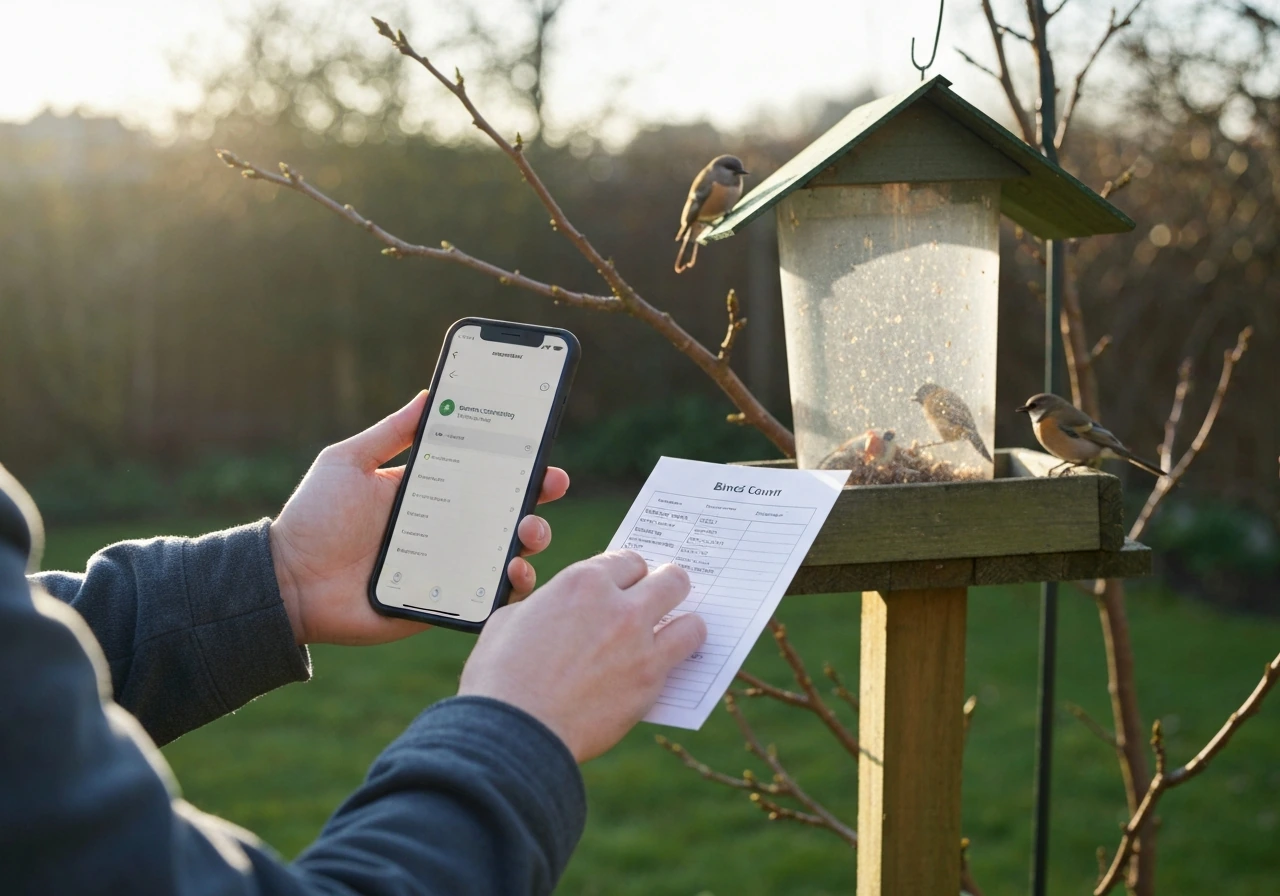
Project FeederWatch and eBird are the two biggest on-ramps. FeederWatch asks participants to count birds visiting their feeders during a defined season, using a two-day count format. eBird lets you log any bird sighting anywhere, building a massive global dataset. Cornell Lab also offers courses like eBird Essentials for people who want to get up to speed quickly. Cornell Lab’s eBird Essentials course is explicitly aimed at beginners looking to “get up to speed” on participating confidently in eBird and related citizen science. This is enthusiast-level involvement that produces scientifically usable data, which is a meaningful thing to understand about the birding community: a lot of 'amateurs' are doing real science.
Keeping and caring for captive birds
Bird keepers, bird fanciers, and bird breeders occupy a different part of the enthusiast world. Their daily involvement centers on the health, housing, diet, and behavior of birds they own or care for. The ASPCA cautions that large parrots in particular require exceptional care and recommends adoption or rescue over buying. The Avian Welfare Coalition advocates for ethical treatment of captive birds. Bird husbandry, bird rearing, and responsible breeding are serious commitments with their own learning curves. If someone calls themselves a bird enthusiast in this context, they likely mean keeper or fancier rather than birdwatcher.
Organized birding culture
The American Birding Association defines a whole culture around recreational birding, including ethics guidelines, community events, and bird counts. The ABA's Code of Birding Ethics addresses everything from how close you should approach nesting birds to the responsible use of audio playback for luring birds. Knowing these norms is part of what separates a committed birding enthusiast from a casual observer. If someone mentions they participated in a Christmas Bird Count, follow the ABA, or plan trips specifically to see target species, they're describing birding culture, not just general bird interest.
Figuring out which label actually fits you
The Reddit birding community openly debates whether to call oneself a 'birder' or a 'birdwatcher,' and the consensus is that it's genuinely a personal identity choice. 'Birder' tends to read as more intense or dedicated, while 'birdwatcher' sounds more casual and accessible. Neither is wrong. The choice reflects how you want to present your level of commitment, not a factual claim about what you're allowed to call yourself.
Here's a practical way to pick your label based on what you actually do:
- You watch wild birds at a feeder or on walks, mostly for enjoyment: 'birdwatcher' or 'bird enthusiast' both work perfectly.
- You actively go out to find species, keep lists, and travel for birds: 'birder' is probably more accurate and will be recognized immediately in the hobby community.
- You keep parrots, finches, or other captive birds and are deeply involved in their care: 'bird keeper' or 'bird fancier' is more precise than 'bird enthusiast' alone.
- You study birds scientifically, conduct research, or have formal training in ornithology: 'ornithologist' is appropriate, but only with that professional or academic context.
- You're interested in birds generally and haven't settled into a specific practice yet: 'bird enthusiast' or 'bird lover' is honest and accurate without overclaiming.
- You participate in citizen science (eBird, FeederWatch, counts): you can legitimately call yourself a birder and a citizen scientist at the same time.
Online, 'bird enthusiast' is a safe, well-understood phrase that won't confuse anyone. In person, within birding communities, being more specific signals that you know the culture. Saying 'I'm a birder, mostly passerines, I log on eBird' tells a fellow birder far more than 'I'm a bird enthusiast,' even though both are technically accurate.
If you're just getting started and want to find your footing, the quickest path is to pick up the Merlin Bird ID app (free, from Cornell Lab), spend a week identifying what you see around you, and then decide whether you want to expand into field trips, feeder counting, or learning more about a specific group of birds. What you gravitate toward naturally will tell you which label fits. The terminology will follow the interest.
FAQ
Can I call myself a bird enthusiast if I do not use eBird or do formal bird counts?
Often, yes. In everyday usage, someone can call themselves a bird enthusiast if they regularly observe birds and do some identifying or learning, even if they do not log data on eBird. The key signals are repeat attention (not just one trip) and some engagement beyond noticing (for example, using a guide or tracking sightings mentally or in a notebook).
Is “bird enthusiast” the same thing as “birder” or “bird-watcher”?
Not exactly. “Bird enthusiast” is about ongoing interest, while a “birder” or “bird-watcher” can imply a stronger focus on wild birds and field observation. If your bird involvement is mostly indoors with pet birds, people may understand “enthusiast” as a keeper or fancier context instead.
Do I need to identify species to qualify as a bird enthusiast?
It depends on what you mean by “birding.” If your activity is primarily photographing, feeding, or backyard observation, “bird enthusiast” still fits well. But if you rarely identify species, rarely go outside, or treat it as occasional background, many communities would not see that as sustained interest.
If I have pet birds, is “bird enthusiast” still the right label?
If you keep captive birds, it can still work, but you may be more precise. Many people interpret “bird enthusiast” broadly, yet “bird fancier” or “keeper” is usually clearer because it signals captive care responsibilities rather than wild bird observation.
Is it okay to say “amateur bird enthusiast” even if I’m still learning?
Yes, but be careful with tone. In some birding communities, “amateur” is used to mean non-professional, not “inexperienced.” Calling yourself an amateur bird enthusiast is usually fine if you also communicate what you actually do (for example, feeder counting, backyard watching, or occasional club outings).
What if I work with birds professionally, can I still say I’m a bird enthusiast?
You generally can, but you should expect people to ask follow-up questions. “Enthusiast” does not promise credentials, so professionals may still use it socially, while others might reserve stronger labels like ornithologist for scientific roles or training.
Does being a bird enthusiast mean I follow specific birding ethics?
You can, but it helps to choose wording that matches your ethical stance. If you travel for sightings, you can still be an enthusiast, yet communities often care about how you approach birds (distance from nests, limits on playback, respectful conduct). “Enthusiast” alone does not guarantee that behavior.
How much time or frequency do I need before “bird enthusiast” feels accurate?
Usually yes, since it can be a single-session hobby label. That said, many people interpret “enthusiast” as repeat engagement, so if you only attended one event, “bird-curious” or “new to birding” would sound more accurate than “enthusiast.”
If I’m interested in bird symbolism or folklore, does that count as being a bird enthusiast?
Yes, but it depends on context and your intent. If you appreciate birds symbolically or culturally, you can still be a bird lover, but “bird enthusiast” typically implies active engagement with birds as animals (observing, learning, caring, or contributing data).
What label mistakes should I avoid when talking about my bird interest?
A common mistake is using the most intense label without matching the activity. For example, calling yourself an ornithologist when you only watch birds is likely to be challenged. If you are not trained in scientific study, “enthusiast,” “birder,” or “bird-watcher” are less likely to be misunderstood.
Bird Breeder Meaning: What Breeders Do, Types, and Responsibilities
Meaning of bird breeder plus real duties, types, responsibilities, and how to evaluate responsible breeding ethics.