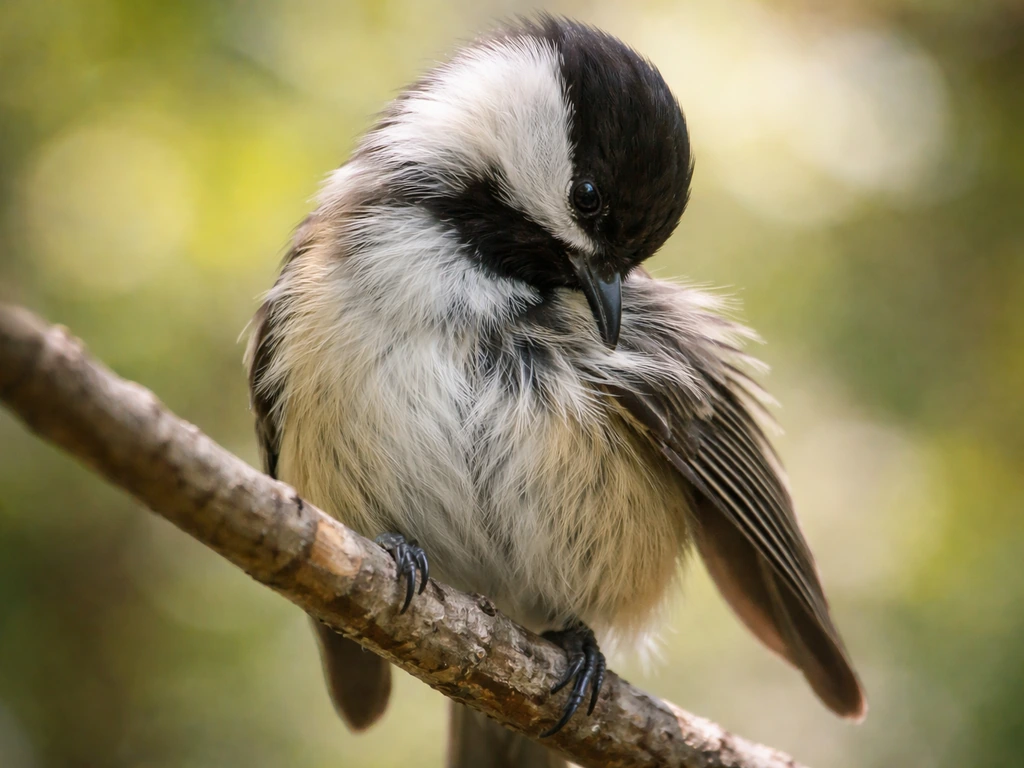
A bird breeder is someone who selects, pairs, and raises birds with the deliberate goal of producing offspring, whether for sale, exhibition, conservation, or their own enjoyment. It is a hands-on role that goes well beyond simply owning birds, and it carries real responsibilities around genetics, health screening, daily care, and the welfare of every animal produced.
Bird Breeder Meaning: What Breeders Do, Types, and Responsibilities

Marcus Holloway
15 Jun 2026
What 'bird breeder' actually means
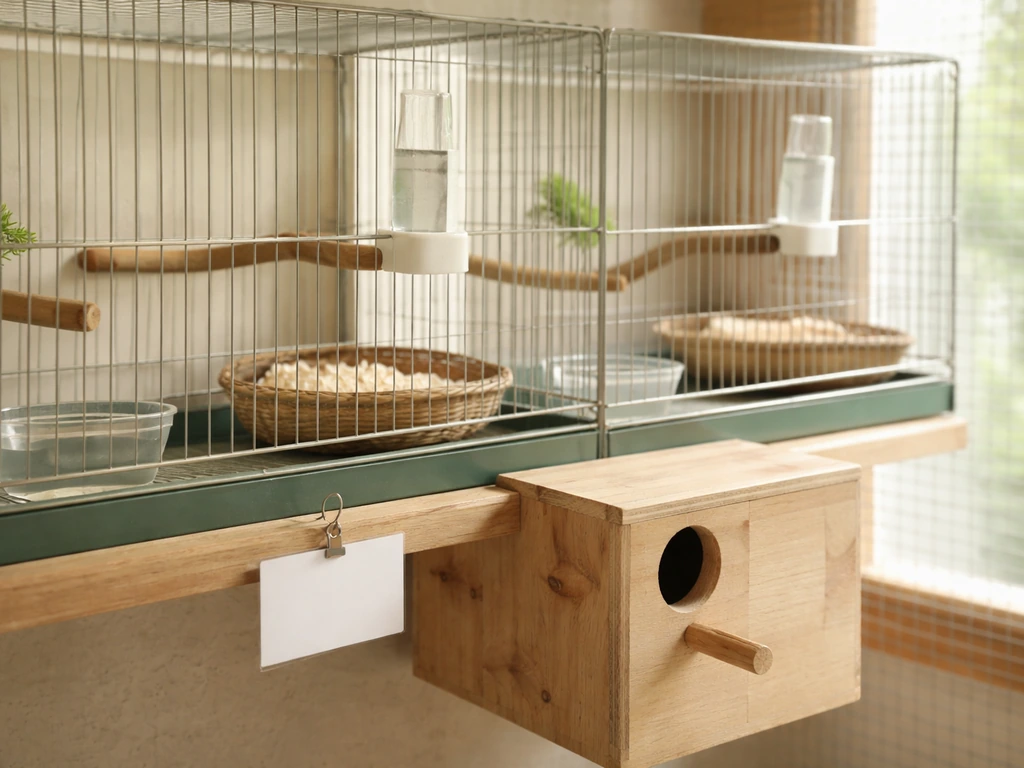
Merriam-Webster defines 'breeder' as 'one engaged in the breeding of a specified organism,' and the Cambridge dictionary includes examples like 'the earliest breeders in the bird colony' to show the word applies naturally to avian contexts. Put plainly, a bird breeder is a person who maintains breeding pairs of birds in a controlled environment and manages the process from egg to independent youngster. That environment might be a spare bedroom with a row of budgerigar cages or a large outdoor aviary complex housing macaws and African greys. The scale changes, but the core definition stays the same.
It is worth separating 'bird breeder' from simply 'someone who owns birds.' Merriam-Webster draws this distinction clearly: a breeder is actively engaged in propagation, not just keeping. A person who owns three cockatiels and has never intentionally set up a breeding pair is a bird owner or bird keeper, not a bird breeder. The intentionality and management of the reproductive process is what makes the difference.
What a bird breeder does day to day
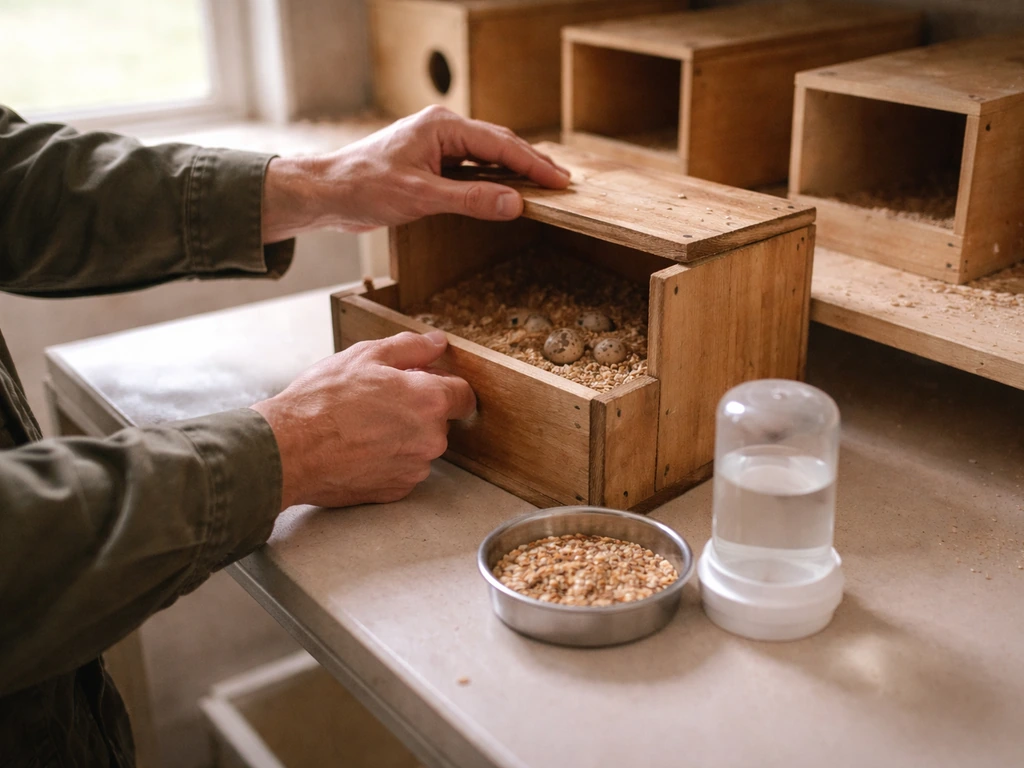
The work of a bird breeder is more structured than most people assume. It follows a repeating cycle that covers pairing, incubation, chick care, weaning, and eventual placement or sale, with record-keeping threaded through all of it.
Selecting and managing breeding pairs
A breeder starts by choosing which birds to pair based on genetic history, health status, temperament, and (depending on the goal) color mutations, size traits, or behavioral characteristics. This is not guesswork. As BirdTracks notes, every experienced breeder treats detailed records as the foundation of genetic predictions, warning that without them you are 'guessing at genetics' and risk repeating failed pairings or missing health patterns that only show up over multiple clutches. Pairing decisions also have to account for species-specific readiness. The Budgerigar Club highlights that breeding too early can produce infertile eggs, abandoned clutches, broken eggs, and a dangerous condition called egg-binding, which can kill a hen. Timing matters.
Monitoring eggs and incubation

Once eggs are laid, a responsible breeder monitors fertility using a process called candling, where a small torch is held against the egg to view blood vessels developing inside the yolk. Infertile or compromised eggs are identified early so the parent birds are not exhausted sitting on clutches that will never hatch. Some breeders use artificial incubators as a backup, particularly when parent birds are unreliable sitters.
Chick care and hand-rearing
After hatching, chicks may be parent-raised or hand-reared. Hand-rearing involves keeping chicks in a brooder (a temperature-controlled container), feeding them a specialist formula on a schedule calculated by species and age, and carefully monitoring crop fullness and the transition to solid food. BirdTracks recommends preparing the brooder and formula supplies before the breeding season starts, not after eggs hatch. Weaning should be guided by the chick's readiness rather than a fixed calendar date. IVIS research on hand-raised versus parent-raised birds stresses that a breeder who chooses to hand-rear must actively meet the chick's physiological, behavioral, and emotional needs throughout every developmental phase, not just until the bird can eat independently.
Identification, records, and placement
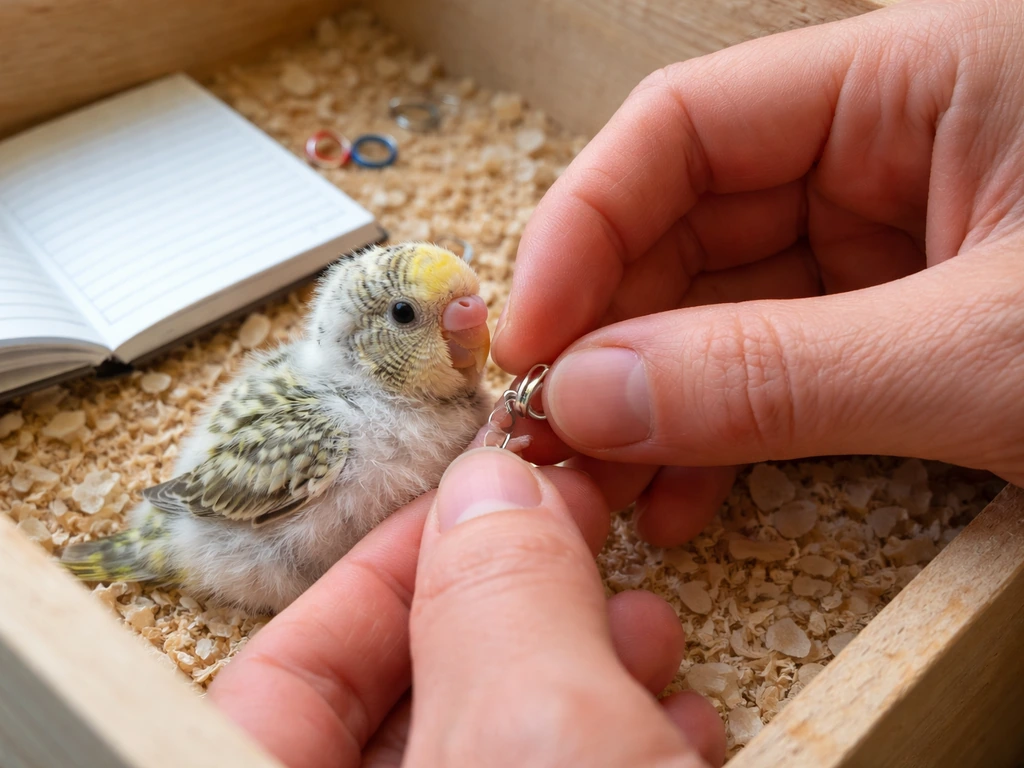
Responsible breeders identify every bird they produce. In budgerigar breeding, for example, closed rings (bands) are fitted while the chick is still small enough for the ring to slide over the foot. These rings carry the breeder's unique number, the year, and a sequential bird number, creating a traceable chain from breeder to owner. Once birds are weaned and ready for placement, a good breeder vets potential buyers, provides health and diet information, and in many cases offers follow-up support.
The different types of bird breeders
Not all bird breeders operate the same way or with the same goals. There are three broad categories worth understanding.
| Type | Primary Goal | Typical Scale | Common Species |
|---|---|---|---|
| Hobbyist / Exhibition Breeder | Personal enjoyment, show competition, color/trait refinement | Small to medium (home aviaries) | Budgerigars, cockatiels, canaries, finches |
| Commercial Breeder | Volume production for pet trade | Medium to large (dedicated facilities) | Cockatiels, lovebirds, conures, budgerigars |
| Avicultural Specialty Breeder | Species preservation, genetic diversity, sometimes conservation | Variable, often smaller and specialist | Macaws, African grey parrots, rare psittacines, softbills |
Hobbyist and exhibition breeders are often affiliated with clubs and societies, follow breed standards, and breed in modest numbers. Their breeding programs tend to be meticulous because their reputation in the show community depends on it. Commercial breeders operate at larger volumes and supply pet stores or direct buyers, which makes quality control harder to enforce and welfare standards more variable across the industry. Avicultural specialty breeders often focus on species that are threatened in the wild, working within frameworks recognized by CITES and, in the U.S., by agencies like the U.S. Fish and Wildlife Service. Purdue University's captive breeding research notes that well-managed captive populations aim to retain genetic diversity while increasing population size, especially when reintroduction is a long-term goal.
Bird breeder vs. related terms people often confuse
This is where a lot of confusion comes in, and it is worth being precise because these terms are often used interchangeably when they should not be.
| Term | Core Focus | Does It Involve Breeding? | Key Distinction |
|---|---|---|---|
| Bird breeder | Intentional reproduction and propagation of birds | Yes, central activity | Actively manages pairing and offspring production |
| Bird fancier | Enthusiasm for birds, often including showing or collecting | Sometimes, but not always | Focus is appreciation and aesthetics, breeding is optional |
| Aviculturist | Keeping, rearing, and care of birds in captivity | Often yes, but scope is broader | Collins defines this as 'breeding, rearing, and care' combined |
| Bird keeper | Day-to-day management and care of captive birds | Not necessarily | VHMA describes keepers as focused on behavior, health, and management, not propagation |
| Poultry farmer | Commercial production of domestic fowl for food | Yes, but in agricultural context | A formally distinct agricultural role under USDA/NPIP frameworks, not typically applied to companion birds |
| Bird enthusiast | General passion for birds, wild or captive | Rarely | Broadest term, implies interest not practice |
A bird fancier, for instance, might show budgerigars at competition without ever setting up a breeding colony. The related term “bird enthusiast” or “bird fancier” is often used in casual conversation, but it does not always imply intentional breeding the way “bird breeder” does. That is why the bird fancier meaning can feel close to “breeder,” but the key difference is whether anyone is intentionally producing offspring A bird fancier, for instance. An aviculturist might keep a large collection of softbills purely for conservation holding without producing chicks. An aviculturist, as Collins dictionary defines it, is a person who specializes in the breeding, rearing, and care of birds, which is broader than breeding alone blank" rel="noopener noreferrer">aviculturist might keep a large collection of softbills purely for conservation holding without producing chicks.. And a poultry farmer operates under a completely separate regulatory and practical framework from someone breeding companion parrots. The word 'breeder' is what specifically signals active, intentional reproduction.
Ethics, welfare, and what responsible breeding actually looks like
Responsible bird breeding is not complicated in principle, but it takes real commitment to maintain. Here are the standards that separate ethical breeders from those cutting corners.
- Health screening before breeding: birds should be tested for diseases like Psittacine Beak and Feather Disease (PBFD) and Psittacosis before pairing. Merck recommends PCR-based testing and quarantine for any asymptomatic birds that test positive, with retesting before introduction to a flock.
- Strict hygiene protocols: OSHA notes that pathogens like the bacterium causing psittacosis can persist for weeks in blood, feathers, and droppings, meaning hygiene must be ongoing, not occasional. Dust control and waste management are non-negotiable in a responsible breeding facility.
- Quarantine for new birds: Merck recommends lengthy quarantines for any bird entering a breeding facility. U.S. federal regulations (9 CFR 93.106) formalize quarantine requirements for psittacine imports, and the same precautionary logic applies to responsible domestic breeders.
- Accurate records: every pairing, clutch, hatch date, ring number, health event, and sale should be documented. Without records, genetic management is impossible and health patterns go undetected.
- Pairing decisions that avoid inbreeding: Nature Index research on captive breeding genetics describes the goal as conserving genetic diversity while minimizing inbreeding risks, using genetic tools to guide pairing over time.
- Appropriate timing and limits: birds should not be bred too young, too frequently, or past the point of physical health. Hens pushed into repeated clutches without recovery time face serious health risks.
- Veterinary involvement: a breeder who has no relationship with an avian vet is a red flag. Licensed veterinary supervision is required in regulated quarantine settings and reflects best practice broadly.
- Honest representation to buyers: temperament, health status, species-appropriate care needs, and known genetic history should all be disclosed clearly.
How to find and evaluate a reputable bird breeder
If you are looking to acquire a bird from a breeder, or looking to learn from one, here is how to tell who is worth your trust.
Where to start looking
- Species-specific clubs and societies (such as budgerigar clubs or parrot societies) often maintain breeder referral lists with members who adhere to published standards.
- The American Federation of Aviculture (AFA) acts as a central point of contact between aviculturists and regulatory agencies including USFWS, USDA, and CITES, and it runs educational programs that promote best practices.
- Avian veterinary practices sometimes keep lists of breeders they work with, which is a useful filter because it confirms veterinary involvement.
- Bird fairs and exhibitions are good places to meet hobbyist and specialty breeders in person and assess how they handle and talk about their birds.
Questions to ask and things to look for
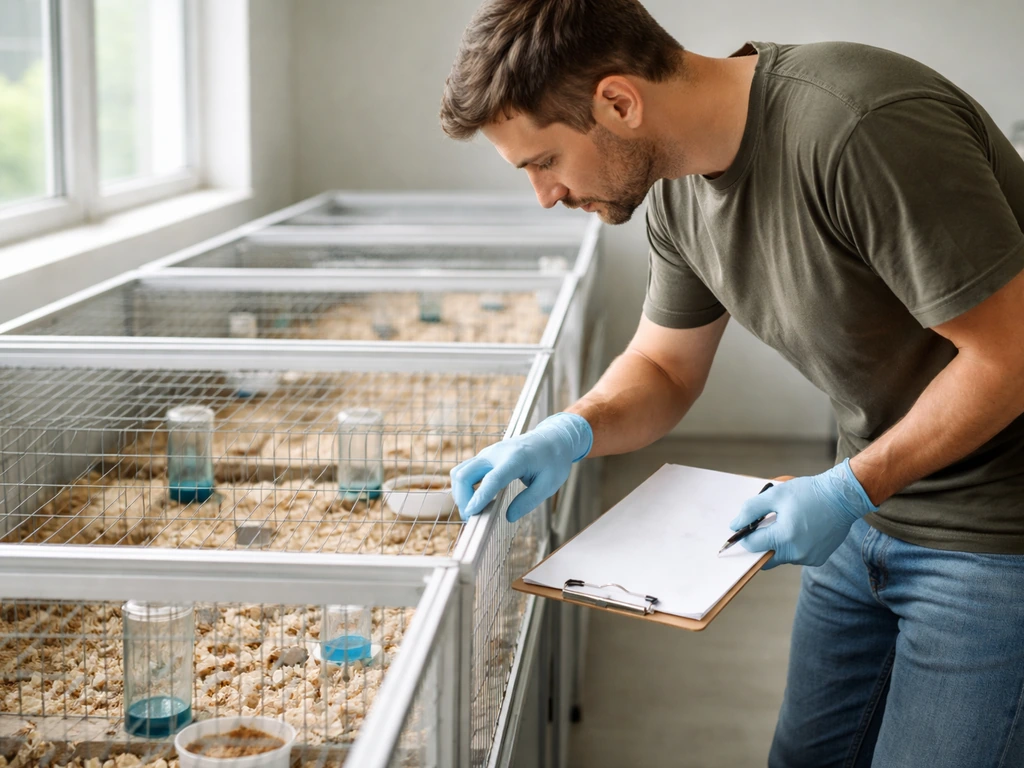
- Can you visit the facility and see where the birds are kept? Overcrowding, dirty conditions, or reluctance to allow visits are immediate red flags.
- What health testing has been done on the parent birds? Ask specifically about PCR testing for relevant diseases.
- How are the chicks raised, parent-raised or hand-reared? Either can be fine, but the breeder should be able to explain their reasoning and method in detail.
- Do you have records for this bird's parents and clutch history? A reputable breeder will have documentation.
- What do you ring or band your birds with, and can you trace the ring number back to the bird's parentage?
- What does the bird eat, and what is the recommended diet going forward?
- What support do you offer after the bird goes home?
Red flags to walk away from
- No records, no rings, no documentation of any kind
- Refusal to allow facility visits or to show parent birds
- Birds housed in visibly dirty, overcrowded, or stressful conditions
- Inability to answer basic questions about the species' care, diet, or breeding history
- Pressure to buy quickly or claims that 'all birds are healthy' with no evidence
- Very low prices combined with very high volume, which often signals a bird mill rather than a responsible breeding program
Why someone might search 'bird breeder meaning': the metaphorical angle
Because this site sits at the intersection of practical reference and cultural interpretation, it is worth acknowledging something: not everyone who searches 'bird breeder meaning' is looking to buy a parrot or start an aviary. The phrase "bird catcher meaning" is often used differently from a bird breeder, referring to someone who captures birds rather than intentionally raising breeding pairs bird breeder meaning. Some people arrive here through dream interpretation, symbolism, or a general curiosity about what the phrase connotes beyond its literal definition.
In symbolic and metaphorical terms, a bird breeder represents themes of nurture, propagation, and stewardship. In that case, the bird rearing meaning goes beyond the literal job of breeding and points to the broader practice of nurturing young birds through development. The role is inherently one of creation and responsibility: you bring new life into the world and you are accountable for its wellbeing. In folklore and spiritual traditions where birds represent freedom, the soul, or transcendence, the figure of the breeder carries a particular weight. The breeder is the one who holds the power to release or contain, to nurture potential or restrict it. If you have encountered the image of a bird breeder in a dream or a symbolic context, those themes of caretaking, control, and the tension between wildness and domesticity are worth reflecting on.
That said, most people searching this term are looking for the practical meaning, and the practical meaning is straightforward: a bird breeder is a person who intentionally breeds birds, manages their reproduction, and takes responsibility for the offspring they produce. Bird preening meaning can also come up in the same kind of curiosity about bird behavior, since grooming often signals comfort, bonding, or readiness. The metaphorical reading enriches that definition without replacing it.
Your next step depends on what you need
If you want to acquire a bird, start by identifying a species-specific club in your area and asking for breeder referrals. Visit before you commit, ask all the questions listed above, and look for someone whose birds are calm and healthy and whose records are clear. If you want to start breeding birds yourself, begin with a single species, invest in a good avian vet relationship first, and read deeply into the husbandry requirements for that species before you set up any pairs. This bird husbandry definition explains the day to day care requirements that successful breeders build around. And if you arrived here through a dream or a symbolic search, the practical definition of a bird breeder, someone who carefully tends the conditions for new life to emerge, maps fairly naturally onto what you were probably sensing already. A bird habitat definition describes the natural or managed environment where birds live and breed, including essentials like shelter, food, and nesting conditions.
FAQ
What’s the difference between a bird owner and a bird breeder if their birds happen to lay eggs?
A person who allows their birds to breed by accident, without planning pairs, tracking genetics, or monitoring eggs and chicks, is usually a bird owner or keeper, not a breeder. In practice, “breeder” implies intentional pair selection and a managed cycle from pairing through weaning and placement.
If a breeder candled the eggs and they looked fine, does that mean all chicks will hatch?
Candling helps spot fertility and developmental issues, but it does not guarantee hatch success. Eggs can be viable and still fail later due to incubation fluctuations, poor chick development, or parental care. Ethical breeders use candling as one input, alongside temperature and humidity control and ongoing health observations.
What should I ask to confirm someone is a responsible breeder, not just a seller?
Look for evidence of a species-specific plan, not just “good intentions.” Practical proof includes written pairing rationale, health screening results, incubation and chick-care notes, clear identification methods, and a documented process for buyer vetting and post-sale support.
How do I judge what a breeder does when a clutch fails?
If eggs go infertile or a clutch fails, a quality breeder records what happened (pair history, timing, egg traits, candling notes) and adjusts the next attempt. Red flags include refusing to share failure details, blaming the buyer, or repeatedly rebreeding the same questionable pair without changing conditions or management.
Are identification bands or rings enough to trace a bird back to the breeder?
Closed rings, where used, only work if fitted at the correct chick age and fit size. If rings are missed or are too tight or loose, traceability breaks down. Responsible breeders describe their identification method clearly and explain how they prevent labeling errors.
What’s the real difference between hand-rearing and parent-rearing, beyond the feeding method?
Hand-rearing is not just feeding from a schedule. It also requires managing brooder temperature gradients, crop and hydration checks, proper weaning transitions, and minimizing stress so chicks develop appropriate social and behavioral patterns. Breeders should explain how they handle these steps by species.
Do good bird breeders provide any support after the bird leaves their care?
After birds are weaned, “ethical breeder” does not end the duty. A responsible breeder typically follows up for at least an initial settling period, provides diet and care instructions aligned with the species, and is ready to take birds back if placement fails due to incompatibility or health issues.
Can breeders breed a pair repeatedly in short intervals, or should there be a rest period?
Yes. Some species may have specialized breeding triggers, nest requirements, or longer recovery and rest periods between attempts. A breeder who breeds multiple rounds back-to-back without accounting for species-specific readiness increases welfare risk, so ask about rest intervals and how pair condition is evaluated.
What welfare controls should a breeder be able to explain confidently?
If the breeder cannot explain basic welfare controls, that’s a warning sign. You want clarity on hygiene, how they prevent injuries in nest boxes or brooder areas, what they do during illness, and who provides avian veterinary oversight. Vague answers often correlate with poorer outcomes.
How can I tell the difference between intentional bird breeding and other bird-related jobs when the wording is confusing?
Avoid treating “bird breeder meaning” as interchangeable with terms like “bird catcher.” Capturing birds for trade or removal is different from intentionally maintaining breeding pairs and producing offspring with managed reproductive care. If someone’s description centers on capture rather than controlled breeding, that’s a major mismatch.
Next Article
Bird Preening Meaning: What It Looks Like and Why Birds Do It
Bird preening meaning: how birds groom feathers, what normal vs stress signs look like, and symbolic interpretations.