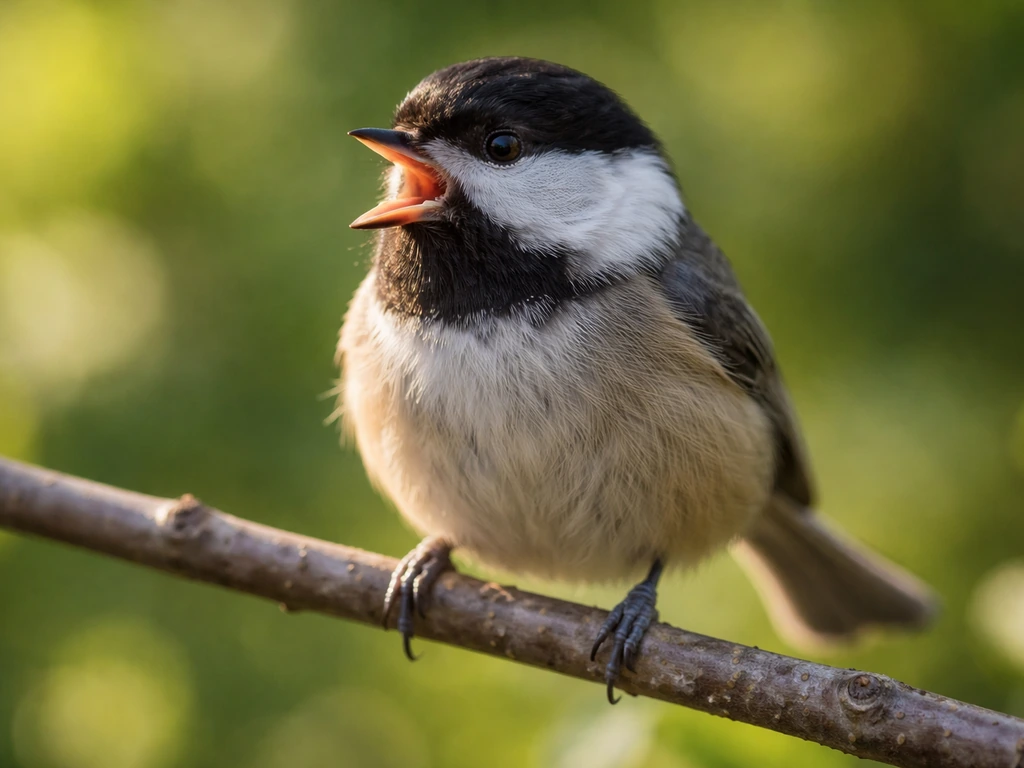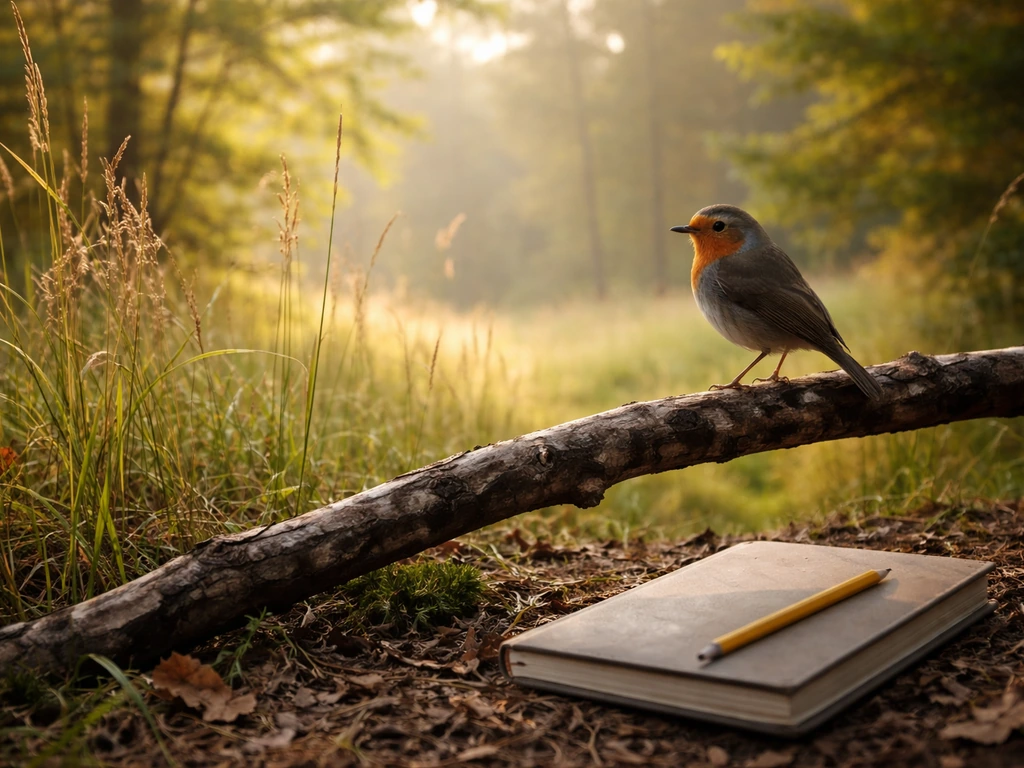
Bird roosting means, at its core, that birds are settling somewhere to rest or sleep. That's the biological bottom line. When you see a flock of starlings pile onto a stand of trees at dusk, or a great horned owl sitting motionless on a branch all afternoon, or a hundred crows descending on a parking lot roof every evening, you're watching roosting behavior. It's not nesting, it's not just passing through, and it doesn't always carry the dramatic meaning people project onto it. But it's also not nothing. Understanding what roosting actually is, what it tells you about the birds, and what (if anything) you need to do about it is exactly what this guide covers.
Bird Roosting Meaning: What It Means and What to Do

Marcus Holloway
22 Apr 2026
Roosting vs. nesting vs. perching: what's actually different
These three terms get mixed up constantly, so let's sort them out plainly.
Roosting is resting or sleeping behavior. A roost is a safe, secure place where a bird (or many birds) settles to sleep or simply to be still. The Cambridge English Dictionary puts it simply: when birds roost, they go somewhere to rest or sleep, and the classic image is birds roosting on rooftops at night. Roosting can happen at night for most species, but day-roosting is real too. Great horned owls roost during daylight hours. Oilbirds rest on cave ledges during the day and leave at night. The defining feature isn't the time, it's the purpose: the bird is there to rest, not to breed.
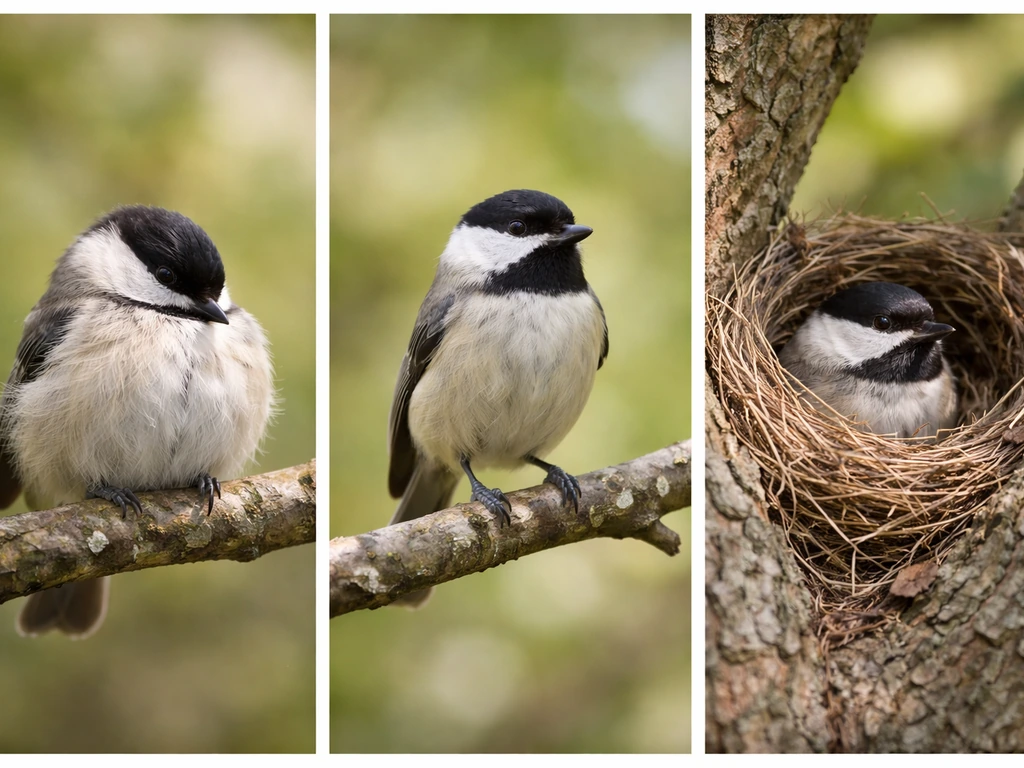
Nesting is reproductive behavior. A nest is built, chosen, or occupied specifically for laying eggs and raising young. Nesting involves territorial defense, courtship, egg incubation, and chick-rearing. Cornell Lab's All About Birds makes this distinction explicit by pointing out that birds may use the same structures for shelter at night well outside the nesting season, meaning the structure isn't a nest just because a bird sleeps there. If there are no eggs, no chicks, and no active breeding behavior, you're likely looking at a roost, not a nest.
Perching is a positional description, not a behavioral category. A bird perches whenever it's standing or gripping a surface. All roosting birds are perching, but not all perching birds are roosting. A robin sitting on a fence post for thirty seconds before flying off is perching. That same robin settling into a dense shrub at dusk with other robins is roosting. Perching, as the National Park Service also notes, is often used in a taxonomic sense to describe songbirds (the order Passeriformes, sometimes called 'perching birds'), which is a completely different use of the word. Context matters.
| Behavior | Purpose | Reproductive? | Typical Duration | Key Signal |
|---|---|---|---|---|
| Roosting | Rest, sleep, thermoregulation | No | Hours (nightly or daily) | Bird settles in one spot, often with others, returns regularly |
| Nesting | Breeding, egg-laying, chick-rearing | Yes | Weeks to months | Nest construction, eggs, young present |
| Perching | Momentary position | No | Seconds to minutes | Brief stop, no pattern of return |
Why birds roost: safety, warmth, and timing
Birds don't pick roost sites randomly. There are two primary drivers. First, a good roost offers predator protection: dense cover, high elevation, thorny shrubs, or sheer inaccessibility. Second, it helps with thermoregulation. According to bird behavioral glossaries drawing on ornithological research, birds roost in sites where body temperature can be maintained longer without burning all energy reserves, which is especially critical in cold climates and during winter nights. A bird that burns too much energy staying warm overnight might not have enough fuel to forage effectively the next morning.
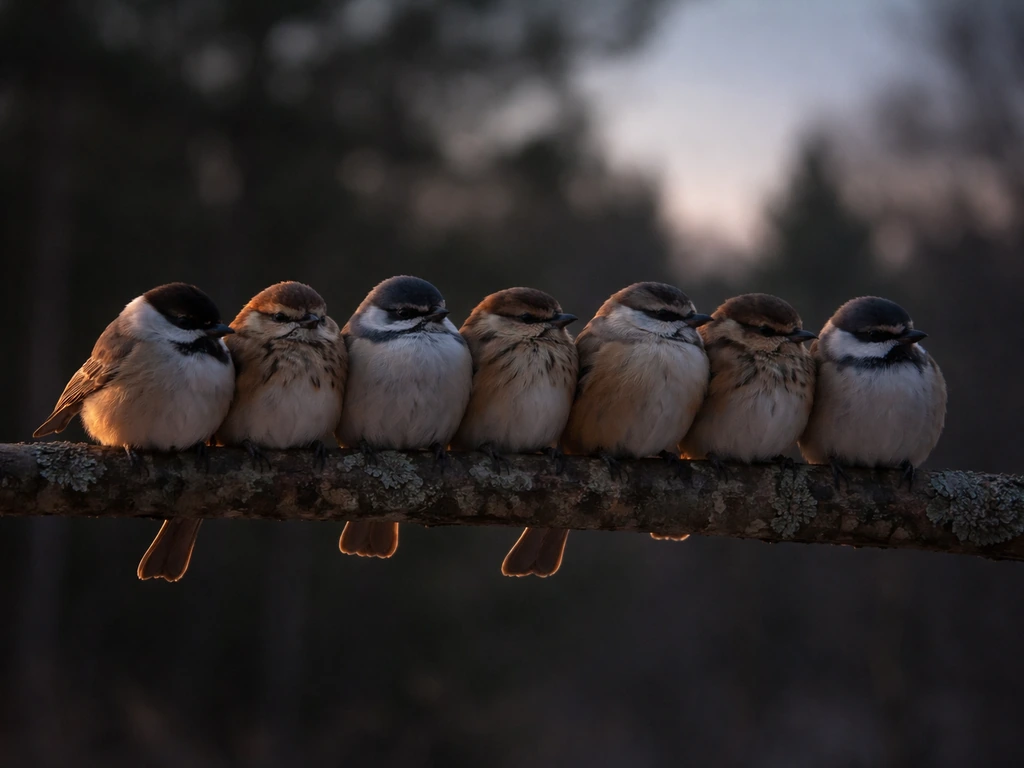
Communal roosting, where many individuals gather at one site, adds another layer of benefit. Being in a large group dilutes individual predation risk, and there's evidence that communal roosts help birds share information about good foraging locations. Starlings using dairies as overnight roosts, crows converging on urban heat islands, and swallows packing into reed beds all reflect this logic. The timing is often cued by nightfall, and birds frequently return to the same roost site repeatedly, sometimes for years.
Weather matters a lot. A sudden cold snap often drives birds to roost earlier and in tighter clusters. After storms, you may see unusual numbers of birds packed into sheltered spots. In wetlands ecology, roosting also includes periods of digestion and preening after feeding, so a group of waterbirds sitting still on a bank isn't necessarily sleeping. They may be in a functional resting state that involves digestion. Roosting is broadly about conserving energy and staying safe, not just about sleep in the narrow sense.
What roosting actually looks like: things you can observe right now
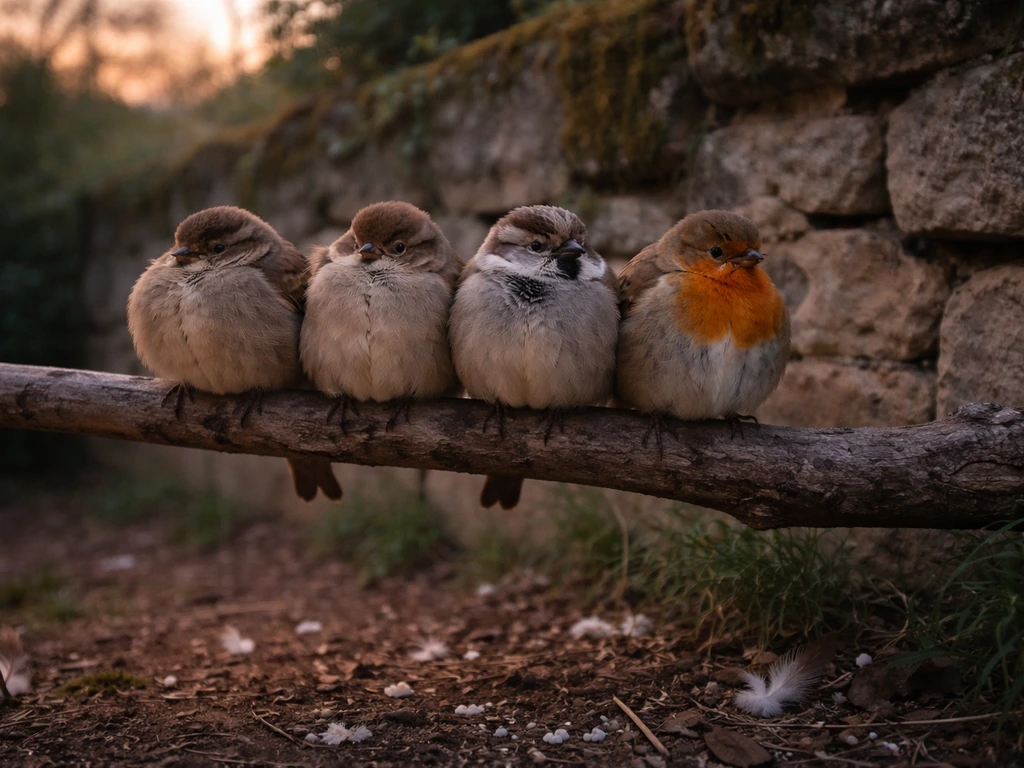
If you're trying to figure out whether what you're seeing is roosting behavior, here are the practical clues to look for:
- Timing: Birds arriving at a specific location around dusk (or dawn for day-roosters like owls) and leaving in the morning is the clearest indicator of overnight roosting.
- Return visits: A roost is used repeatedly. If the same spot fills with birds every evening for multiple days, that's a roost, not a coincidence.
- Group size: Communal roosts range from a few birds to tens of thousands. A single bird sleeping alone can also be roosting, but large gatherings are hard to miss.
- Noise: Roost assembly is often loud. Starlings, grackles, and crows produce significant noise as they gather. Once settled, noise typically drops off.
- Droppings: Accumulated droppings directly below a tree, ledge, or structure are a reliable sign that birds have been roosting there regularly over time.
- Stillness: Roosting birds hold position. They're not actively foraging, singing competitively, or moving around. Preening and occasional shifting are normal; sustained stillness is the baseline.
- Flight pattern: Watch for birds streaming toward one location from multiple directions around the same time each evening. This 'pre-roost assembly' is a distinctive visual behavior.
Species identification helps narrow things down. Starlings, crows, grackles, and blackbirds are the most common communal roosters in urban and suburban settings. Raptors like owls and hawks tend to roost alone or in pairs. Swifts and swallows roost in dense clusters in chimneys or reed beds.
If you're hearing what sounds like chirping or chattering at roost assembly, that overlaps with topics like bird chirping and bird flocking behavior, both of which feed into the larger picture of why birds gather in the ways they do. If you are also hearing short, repeated notes, look up the bird trill meaning for that species to narrow down what kind of call you are hearing.
If the sounds you notice are constant chirping from a group settling in, that can help you interpret the behavior in the larger bird chirping meaning context.
When roosting is near your home: what you actually need to do
The practical side of bird roosting meaning comes down to three questions: Is this a health concern? Is this causing property damage? And do you want to deter it or accommodate it? The answers depend on the scale and species involved.
The health angle: droppings and histoplasmosis

The biggest real health risk from bird roosts isn't noise or mess, it's histoplasmosis, a lung infection caused by breathing in spores of blank" rel="noopener noreferrer">Histoplasma, a fungus that grows in soil enriched by bird and bat droppings. The CDC is clear that activities disturbing accumulated droppings, including dry sweeping or shoveling, are how exposure happens. CDC (NIOSH) notes that to prevent work-related histoplasmosis exposure, the best approach is preventing bird and bat droppings from accumulating; if removal is necessary, blank" rel="noopener noreferrer">avoid dust generation such as dry sweeping or shoveling dusty material. Fresh droppings are less of a concern because their acidity inhibits spore formation, but old, accumulated material under an established roost is a different story.
If you need to clean up under a roosting site, the CDC recommends wetting the material thoroughly with water before collecting it, rather than dry sweeping, to prevent aerosols. A proper respirator (N95 or better) is standard PPE for this kind of work. If the accumulation is large, calling a professional wildlife or remediation service is the safer choice. Washington State University's Environmental Health and Safety guidance is direct on this: if flocks of birds are allowed to roost in a building, droppings can accumulate and create a real health risk for anyone entering and disturbing the material.
Deterrence: what works and what doesn't
Deterring roosting birds, especially species like European starlings, is genuinely difficult. Cornell Lab's All About Birds notes that starlings habituate to noise-based deterrents over time, and predator decoys work only when combined with other methods and moved regularly. The Illinois Department of Public Health recommends discouraging birds and bats from roosting around buildings as the most effective long-term measure to reduce associated health risks. Practical options include physical exclusion (netting, spike strips, angled surfaces on ledges), habitat modification (trimming dense roosting trees), and light or sound deterrents used in rotation. No single method works permanently on its own for large communal roosts.
If the roosting is small-scale (a few birds using a porch rafter or window ledge) and not accumulating significant droppings, a roost box placed nearby can redirect them to a safer location. Cornell Lab actively recommends roost boxes as a way to support birds through winter while keeping them out of structures.
When to call wildlife control
Contact a wildlife damage management professional or your local USDA APHIS Wildlife Services office if: the roost is inside a structure (attic, barn, warehouse), the droppings accumulation is significant, you're dealing with a protected species you can't legally disturb, or the flock is large enough that noise or droppings are causing genuine property damage or health risk at scale. DIY deterrence is fine for minor situations, but large communal roosts often require professional dispersal strategies.
What roosting birds mean symbolically (without over-reading it)
Across folklore and spiritual traditions, roosting birds carry associations with rest, protection, homecoming, and the transition between states. The image of birds returning to a safe place as darkness falls maps naturally onto ideas of sanctuary, intuition guided by instinct, and the value of stillness after activity. In some Native American and Celtic traditions, birds that return reliably to the same place are seen as symbols of loyalty, continuity, and grounding. The roost as a concept, a known, trusted home base, carries that same symbolic weight in dreams and folk interpretation.
In dream symbolism, seeing roosting birds is often interpreted as a signal to rest, consolidate, or find shelter before moving forward. A large communal roost in a dream can represent community, collective wisdom, or the comfort of belonging to something larger than yourself. A solitary roosting bird, especially a raptor or owl, tends toward associations with solitary awareness, watchfulness, or guarded wisdom. The key principle here is that the symbolism tracks the biology: these are animals that have chosen a safe, stable place to be still. That's the interpretive anchor.
The famous idiom 'chickens come home to roost' (meaning past actions have consequences that eventually return to affect you) draws directly on roosting behavior: the birds always come back. That's a linguistically accurate observation dressed as moral lesson. It's worth noting how often bird behavior idioms are grounded in actual ornithological reality, even when they're used figuratively. Roosting behavior also connects to the broader symbolism found in bird flocking and murmuration events, where mass communal movement before roosting takes on its own cultural weight in folklore and spiritual interpretation. If you're wondering about bird murmuration meaning, it can help to distinguish the flocking signal from the roosting purpose of settling to rest murmuration events.
Common myths and misreads about roosting
A few misconceptions come up repeatedly when people try to interpret what they're seeing:
- Roosting means nesting: This is the most common misread. Birds roosting in your eaves, attic vents, or yard trees are not necessarily nesting there. If you don't see nest-building behavior, eggs, or chicks, it's probably roosting. The practical difference matters: disturbing an active nest can have legal implications (many species are federally protected during nesting), while roosting sites carry different considerations.
- Roosting birds will stay permanently: Roosts can shift seasonally. Many communal roosts form in winter and dissolve in spring when birds disperse to nesting territories. If you wait out a winter roost, it may simply leave on its own.
- A large roost means something is wrong: Communal roosting is normal, healthy behavior. Thousands of starlings or crows using an urban roost site isn't a sign of ecological disturbance. It's birds doing exactly what birds do.
- Roosting is only a nighttime behavior: As discussed, owls, oilbirds, and other species roost during daylight. If you see a raptor sitting motionless in a tree all morning, that's roosting, not illness (unless it's genuinely lethargic, unresponsive to disturbance, or on the ground).
- The smell or sound means disease: Droppings smell and roosts are noisy. Neither is inherently a sign of avian disease in the flock. Avian influenza concerns arise from close contact with sick birds showing visible symptoms, not simply from proximity to a healthy roost.
- Roosting in dreams or spiritually means danger: Folklore is inconsistent on this, and there's no cross-cultural consensus that roosting birds are an omen of anything negative. The most grounded interpretation is rest, return, and shelter, not warning.
Your next steps: identify, interpret, and act
Here's a simple decision path you can work through today if you're dealing with a roosting situation or just trying to understand what you're seeing:
- Confirm it's roosting: Are the birds returning to the same spot regularly, at roughly the same time, and staying for extended periods? If yes, that's a roost. If they're there only briefly or building a structure, reconsider whether it's perching or nesting.
- Identify the species if you can: Group size, time of day, body shape, and sound help narrow this down. Large communal roosts are usually starlings, crows, grackles, or blackbirds. Solitary daytime roosters in trees are often raptors or owls.
- Assess the location: Is the roost inside a structure (attic, barn, vent)? Inside = higher risk from droppings and potential damage. Outside in trees or on ledges = lower risk but still worth monitoring.
- Check for droppings accumulation: Small, fresh deposits are low concern. Heavy, old accumulation under a regular roost site is a health consideration. Do not dry sweep or shovel accumulated droppings without wetting them first and wearing respiratory protection.
- Decide: tolerate, redirect, or deter: Small roosts outside causing no real damage are often easiest to leave alone or redirect with a roost box. Large roosts causing noise, structural damage, or health-risk accumulation warrant active deterrence or professional intervention.
- If you're interpreting symbolically: Anchor the meaning to the biological reality. Roosting birds signal rest, shelter, reliable return, and communal safety. Apply that lens to whatever personal or spiritual question you're exploring, and stay skeptical of overly specific omens.
- When in doubt about health or legality: Call your local USDA APHIS Wildlife Services office or state wildlife agency. Some species are federally protected and can't be disturbed, trapped, or relocated without permits, even when roosting.
Bird roosting meaning is genuinely layered, but it doesn't need to be complicated. At the most literal level, you're watching an animal do something intelligent and practical: finding a safe place to be still. Everything else, the symbolism, the cultural weight, the practical response you might need to take, grows from that simple fact.
FAQ
How can I tell if birds are roosting in my area versus nesting nearby?
Check for breeding signs within the same site: active egg-laying, adults carrying food to chicks, or repeated visits tied to a specific nest cavity. If birds are only present from dusk to morning and leave consistently, it is more consistent with roosting. Also look for fresh nest construction materials or down in a protected spot, not just droppings where they sleep.
Do roosting birds always stay all night, or do they move around?
Many species roost overnight but may reposition during the night, especially after disturbances or temperature changes. You might see birds arriving in waves at dusk, then fewer movements later. If you observe repeated daytime movement plus fresh droppings under the same location, it can indicate a daytime roost as well as nighttime roosting.
Is it safe to clean droppings right away if I just noticed the birds?
Avoid dry sweeping or quickly brushing off fresh-looking material. Spores can still be present in accumulated areas, and aerosols are the main exposure risk during cleanup. Wet down thoroughly before collecting, and if the buildup is large or in a confined space, consider professional remediation rather than immediate DIY work.
What if the birds look “fluffy” or very still, are they sick or dying?
Staying motionless can be normal roost posture, and some species appear more puffed up in cold or windy conditions to trap air. Concerning signs are inability to perch, repeated collisions, discharge from the eyes or nose, or many birds showing obvious distress at once. In those cases, contact a wildlife rehabilitator for assessment.
Do communal roosts mean there is food nearby, or are they just using the safest spot?
Communal roosts are primarily about safety and energy conservation, but roosts can also be selected near reliable morning feeding. Birds often commute between roost and feeding areas, so you may not see obvious food sources right at the roost. If you find roosts close to human structures, it is often because the location offers both cover from predators and stable microclimates.
Why are birds roosting earlier or clustering tightly after a storm or cold snap?
After weather shocks, birds shift to more energy-efficient roosting. They tend to arrive earlier, pack tighter, or choose more sheltered microhabitats because it reduces heat loss and can lower predation risk. If you monitor the same site over several nights, you will usually see the pattern normalize as temperatures stabilize.
What’s the best first step if I want to deter roosting without harming birds?
Start with identification and timing. Confirm the species and whether you are dealing with a seasonal roost or consistent nightly use. Then focus on prevention through exclusion and habitat changes (netting, sealing access points, angled surfaces on ledges, trimming dense cover), plus deterrents used in rotation. For large communal roosts, plan for a longer campaign and avoid relying on one method alone.
When should I call a professional instead of trying to scare birds away?
Call in advance if roosting is inside a structure (attic, barn, warehouse), droppings are accumulating significantly, the birds are causing damage at scale, or the roost may involve protected species. Professionals can also check for entry points, evaluate health risk from existing buildup, and design exclusion so birds are discouraged without creating new access routes.
Can a roost box help if birds keep roosting on my porch or window ledge?
Sometimes, but it depends on species and the roosting behavior. Roost boxes are most useful when birds are trying to find safe shelter during cold seasons and will accept an alternate location nearby. Placement matters, keep it near natural cover, and ensure it does not create new cleanup issues closer to doorways where people spend time.
Does “day roosting” mean the birds are resting but not sleeping, or is it still roosting?
Day roosting is still roosting, the core purpose is rest and conserving energy rather than breeding. Some birds use daylight hours to remain motionless and reduce energy expenditure, later leaving at dusk for feeding. So the time of day alone does not tell you whether it is roosting.