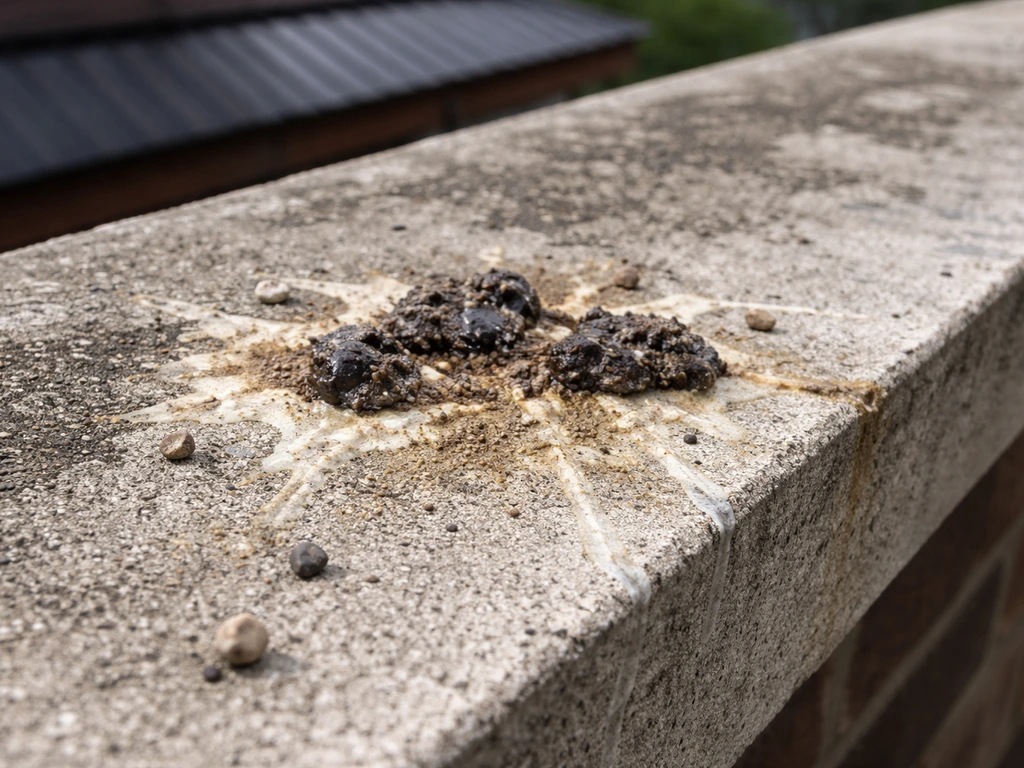
Bird poop is most correctly called 'droppings' in everyday English, or 'feces' in more formal or scientific contexts. You'll also hear 'guano,' but that term technically refers specifically to the accumulated excrement of seabirds or bats, especially when it's been collected and used as fertilizer. For most situations, 'droppings' is the word you want: it's the term used by dictionaries (Britannica, Cambridge, Oxford), wildlife professionals, and pest control specialists alike.
Bird Poop Is Called Droppings: Cleanup and Meaning

Marcus Holloway
3 Jun 2026
What bird droppings are actually called (and why it matters)
The word 'poop' is perfectly understandable, but it's informal. 'Droppings' is the standard term across ornithology, wildlife management, and public health literature. The Britannica Dictionary defines a dropping as 'a piece of solid waste from an animal or bird,' and both Cambridge and Oxford treat the plural 'droppings' as the default form when referring to animal or bird waste.
Feces is the clinical, anatomical term for the same thing. You'll see it in health advisories and veterinary documents. Guano is a specific subset: Merriam-Webster defines it as a substance composed chiefly of the excrement of seabirds or bats, valued historically as a fertilizer. Guano meaning is specific to accumulated seabird or bat excrement, often collected and used as fertilizer. So if you're reading about a pigeon on your balcony, say 'droppings.' If you're reading about a seabird colony harvested for agricultural use, 'guano' is accurate. The difference is context, not just formality.
| Term | When to use it | Context |
|---|---|---|
| Droppings | Everyday and professional use | Any bird species, any situation |
| Feces | Clinical, medical, or scientific writing | Health advisories, vet reports |
| Guano | Seabirds or bats, especially accumulated deposits | Fertilizer, coastal colonies, bat caves |
| Poop / Waste | Casual conversation only | Informal speech |
Why birds produce droppings and what they look like
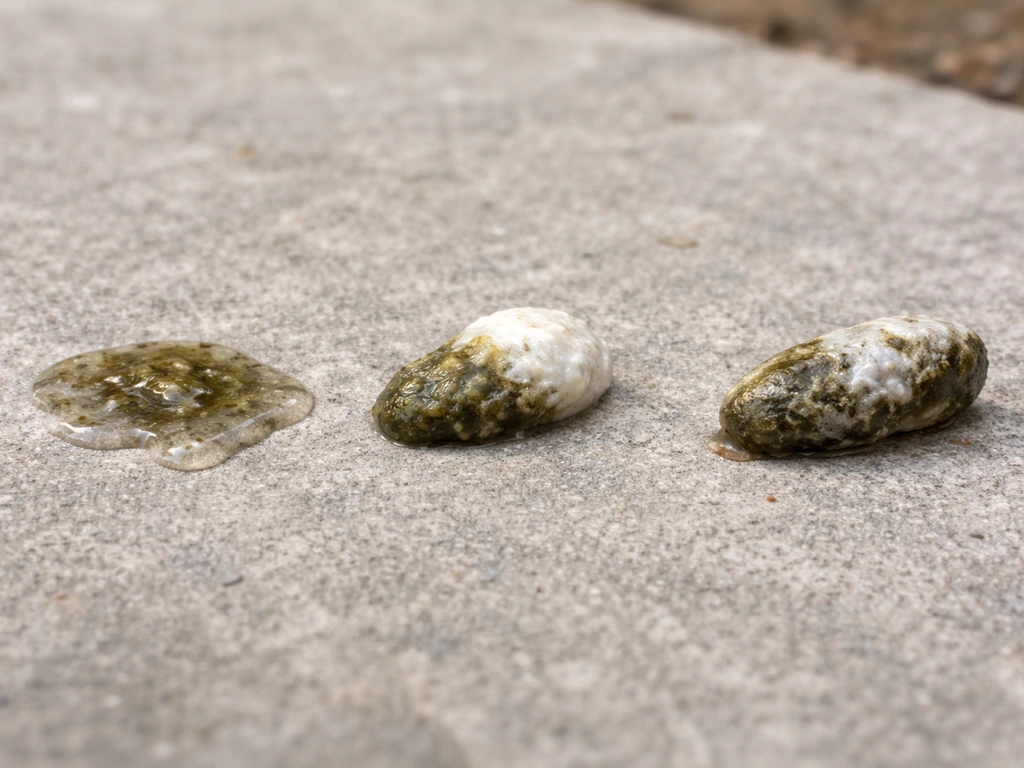
Birds have a single excretory opening called the cloaca, which means their solid waste and liquid waste exit together in one dropping. That's why bird droppings typically appear as a dark or greenish-brown solid mass combined with a white or cream-colored paste (the uric acid component, which replaces the liquid urine mammals produce). The white part is not actually poop, it's the bird's equivalent of urine.
What the droppings look like can tell you a fair amount. Loose, watery droppings often indicate a fruit-heavy diet or stress. Darker, more compact droppings tend to come from seed or insect eaters. Very runny or discolored droppings (yellow, green-tinged, or bloody) can signal illness in the bird. If you're finding droppings and trying to identify the species or assess whether there's a health concern, texture, color, and volume all matter. This is explored in more depth in related guides on bird poop color meaning and what different bird dropping appearances signal.
Bird droppings in language: slang, idioms, and expressions
Birds have worked their way into English idiom in all kinds of ways, and droppings are no exception. Getting 'shat on' by a bird is one of the most universally recognized experiences humans complain about, which is probably why it's spawned so many cultural references. The phrase 'a bird in the hand is worth two in the bush' has nothing to do with droppings, but expressions like 'that's the luck of the birds' or treating an unexpected dropping as an omen connect directly to how people interpret bird encounters.
In broader bird-related language, you'll find terms like 'bird-brained' (implying foolishness), 'bird-dogging' (tracking something persistently), and dozens of idioms referencing flight, nesting, and behavior. Droppings specifically come up in folklore and superstition more than in standard idiom, but the cultural weight is real. The language around birds, including what we call their waste, reflects just how embedded birds are in human experience.
How to safely clean up bird droppings
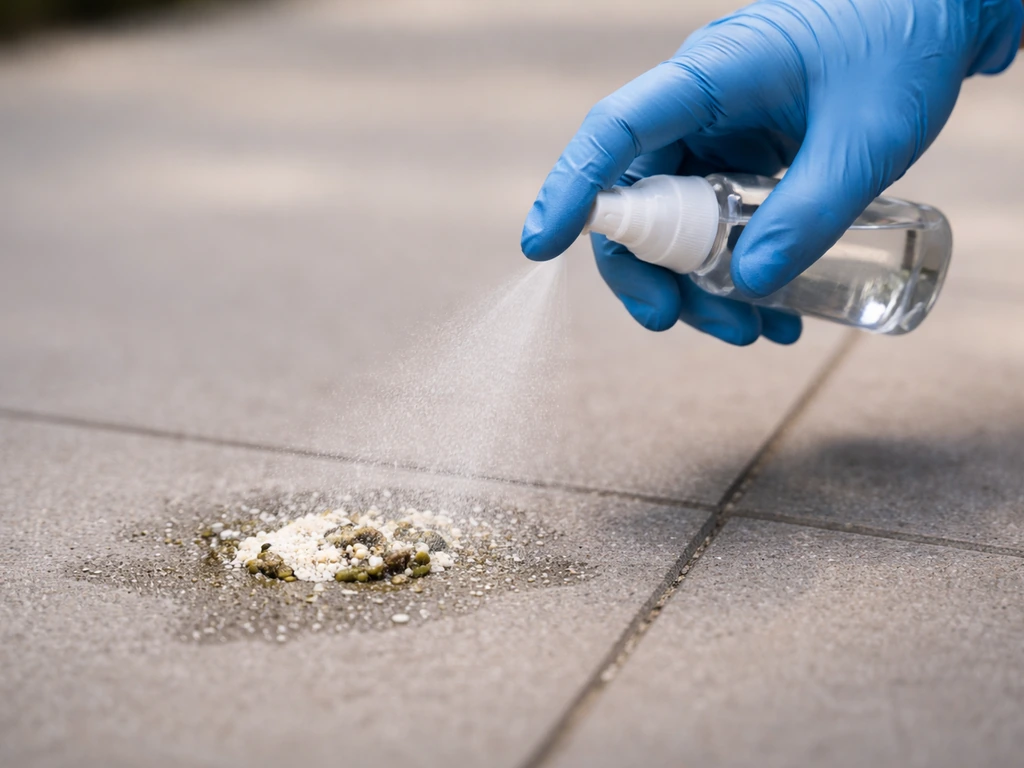
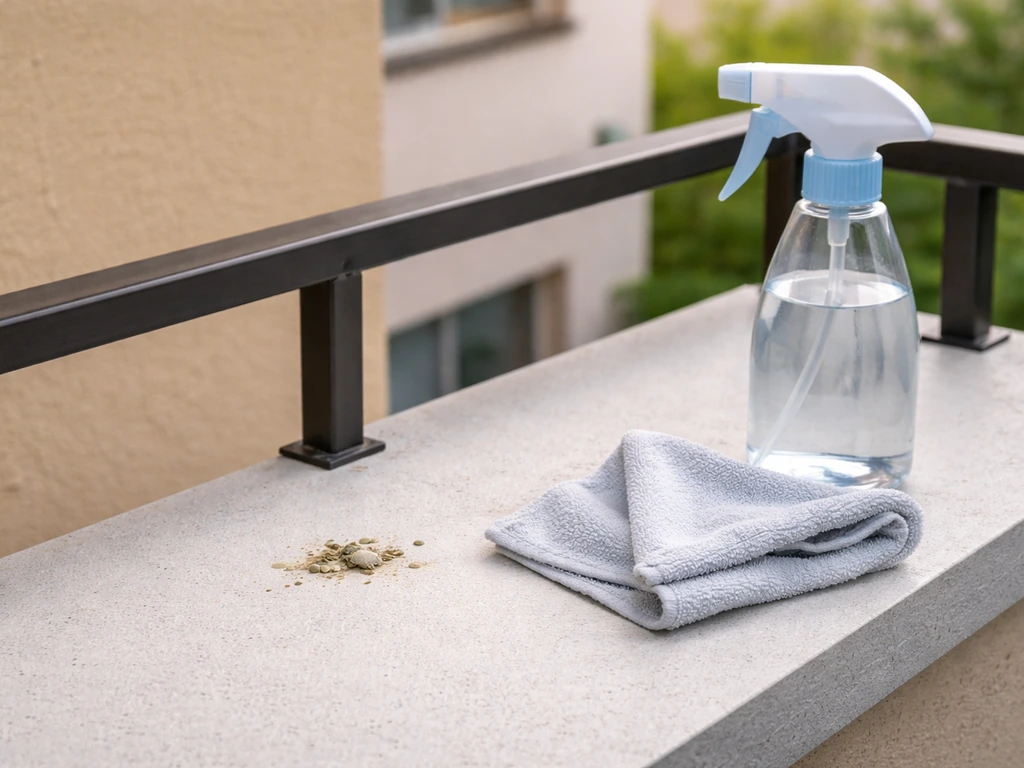
Before you grab a dry paper towel and start scrubbing, stop. Dry bird droppings can become airborne when disturbed, and inhaling that dust is the main health risk. The right approach is to wet the dropping first, then remove it. Here's how to handle cleanup on the most common surfaces.
General cleanup rules (any surface)
- Wear disposable gloves and, for any significant amount, a dust or N95 mask
- Wet the droppings with water or a diluted disinfectant spray before touching or scraping
- Never dry-sweep or dry-brush dried droppings indoors
- Bag and seal waste in a plastic bag before disposal
- Wash hands thoroughly after cleanup even if gloves were worn
Surface-by-surface removal
| Surface | Method | What to avoid |
|---|---|---|
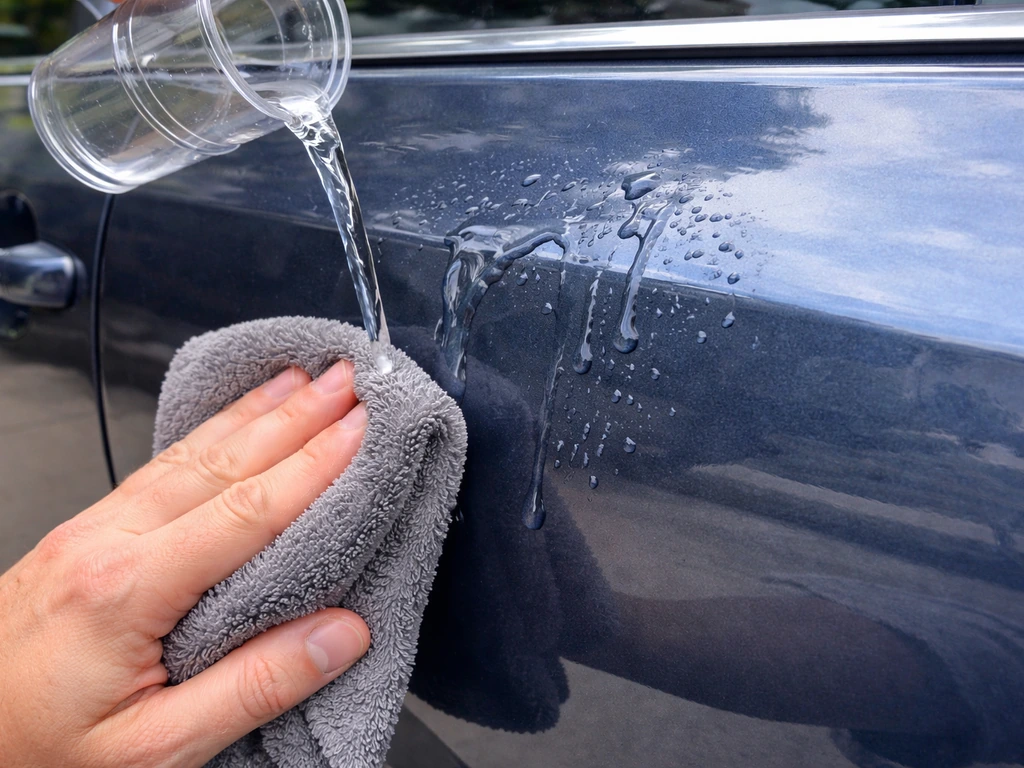
| Car paint / painted surfaces | Soak with warm water for 30–60 seconds, then blot gently with a soft cloth. Use car-safe detailing spray if needed. | Scrubbing dry; acidic cleaners that can etch paint |
| Glass / windows | Wet and wipe with a microfiber cloth; glass cleaner works well once softened. | Razor blades on coated or tinted glass |
| Concrete / pavers | Wet thoroughly, scrub with a stiff brush and diluted bleach solution (1 part bleach, 10 parts water). | Leaving acidic droppings long-term; they etch concrete |
| Outdoor furniture (resin, metal) | Warm soapy water with a sponge; rinse thoroughly. | Abrasive scrubbers on painted or powder-coated metal |
| Fabric / cushions | Scrape off solids when wet, then treat with an enzyme-based stain remover before washing. | Hot water before treating (sets the stain) |
Speed matters on painted surfaces especially. Bird droppings are mildly acidic and the uric acid component can begin etching paint or clear coat within a few hours in warm weather. On cars, the rule of thumb is: deal with it within 24 hours if you can, and definitely before the car heats up in the sun.
When to worry: real health risks and when to call a pro
For the occasional dropping on a windowsill or car hood, the risk to a healthy adult is low. Bird litter meaning usually comes up in wildlife and cleanup contexts, where people are clarifying whether they mean droppings, nesting material, or something else bird droppings. The bigger concern is accumulated droppings, indoor contamination, or situations where dry waste can become airborne over time. Three diseases are most commonly associated with bird droppings in the US and UK: histoplasmosis (a fungal lung infection linked to droppings from pigeons, starlings, and blackbirds), cryptococcosis (another fungal infection, associated with pigeon droppings in particular), and psittacosis, a bacterial infection more associated with parrots and doves.
None of these are common outcomes from brief casual contact, but the risk rises sharply with volume, duration of exposure, and confined spaces. Cleaning up a handful of droppings outside with gloves on is fine. Cleaning out an attic, barn, or building where birds have been nesting for months is a different situation entirely.
Call a professional if any of these apply
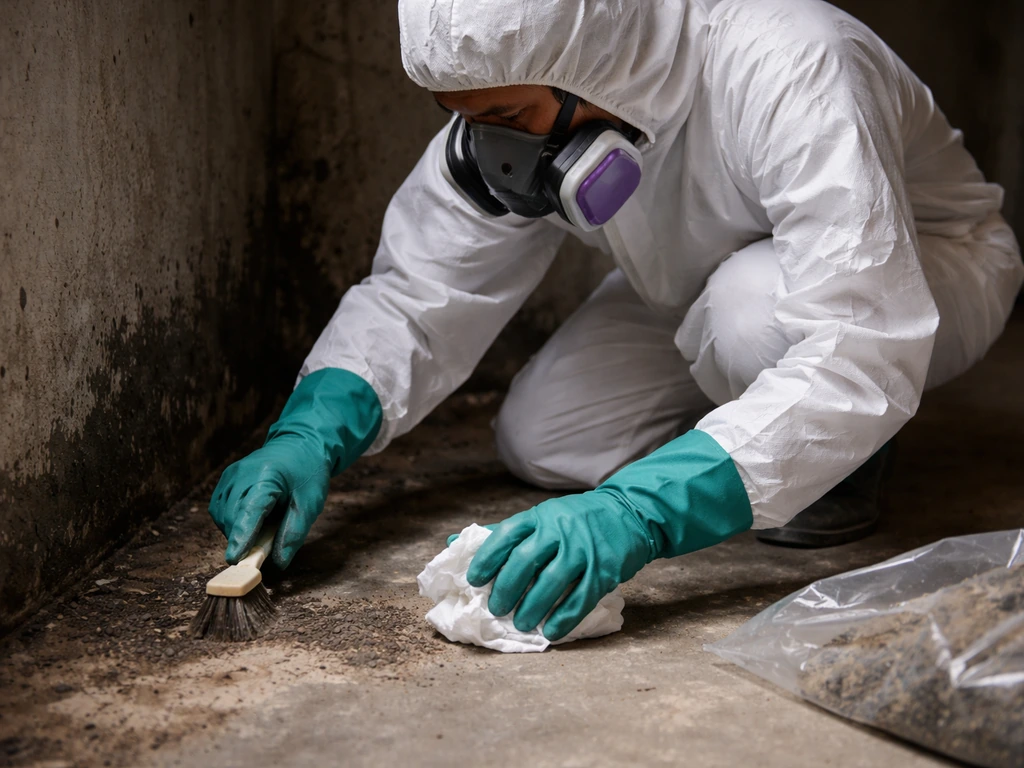
- There are large accumulations indoors (attic, air duct, barn, crawlspace)
- You can see or smell ammonia or strong odors indicating heavy, long-term buildup
- There's an active or recent roosting or nesting site with many birds involved
- Anyone in your household is immunocompromised, pregnant, very young, or elderly
- The droppings are near HVAC intakes or anywhere they could circulate through ventilation
- You live in an area with known histoplasmosis risk (Ohio and Mississippi River valleys in the US, for example)
Professional wildlife or biohazard remediation services have the proper respirators (not just dust masks), protective suits, and HEPA-filtered vacuum equipment for large-scale jobs. It's not overkill for the right situations. If you're unsure, the call to a pro is almost always the safer and cheaper long-term choice compared to a respiratory illness.
What different cultures make of bird droppings
Here's something worth knowing: in many folk traditions, being hit by bird droppings is considered lucky, not gross. This belief shows up across Russian, Turkish, Italian, and West African cultures, among others. The logic tends to follow the idea that something unpleasant happening unexpectedly balances out into good fortune, or that the rarity of a direct hit carries some cosmic significance. Whether you find that comforting after scrubbing your jacket is your call.
In broader bird symbolism traditions, droppings are rarely the focus compared to the bird itself, but they do appear in some interpretive frameworks. Some folk traditions read the type of bird whose droppings land on you as meaningful: a crow's dropping versus a sparrow's might be interpreted differently in terms of the omen it carries. The meaning of bird droppings as omens connects naturally to the wider topic of what bird encounters mean spiritually, and the cultural symbolism of guano itself as a material (historically, guano was so valuable it triggered international disputes in the 19th century).
If you're interested in what specific colors or appearances of droppings mean in interpretive or spiritual frameworks, or how bird droppings connect to the broader symbolism of birds as messengers and omens, those threads run through related topics on bird droppings meaning and bird guano meaning, as well as what different colors of bird droppings have been said to signify culturally. The cultural layer is real and worth exploring, but it sits alongside the practical reality: whatever the omen, you still need to clean it up.
FAQ
If I only find a white mark, is that still bird poop (droppings)?
No, "droppings" usually means both the solid and the white uric-acid paste. If you see only a dry white smear on a surface, it is often dried uric acid and may still be residue from bird waste, so treat it the same way when cleaning.
What if the droppings are already dry and I cannot soak them immediately?
If you cannot use a wetting step right away, at minimum avoid sweeping or dry brushing. Keep people and pets away, ventilate the area, and apply a safer method once you can (water, approved cleaner). The goal is to prevent dust or dried residue from becoming airborne.
Can bird droppings damage things other than car paint?
Yes. Bird waste can affect finishes beyond paint, including car clear coats, unsealed wood, and outdoor fabrics that can stain or absorb residue. On materials you cannot test easily, use a gentle wet cleanup and spot-test an inconspicuous area before applying stronger cleaners.
Do I disinfect after cleaning, or is removal enough?
A disinfectant does not replace the need to remove the droppings first. Clean up the bulk residue, then disinfect if the area is high-touch or you are concerned about health risk. For small outdoor spots, thorough removal is usually the key step.
What level of protection is reasonable for a small amount on an exterior surface?
For healthy outdoor situations, typical household precautions are usually sufficient: gloves, eye protection if splashing is possible, and washing hands thoroughly afterward. If you have asthma or significant respiratory risk, or if you are dealing with a large accumulation, upgrade protection and consider professional help.
Can I use a normal household vacuum to clean bird droppings?
Yes. Using a regular vacuum can aerosolize dried particles unless the vacuum has proper filtration. For indoor or large cleanup, HEPA-filtered equipment is the safer choice, and you should avoid blowing the area with compressed air.
Why do droppings stains sometimes come back after I rinse them?
Rinsing with water is often not enough on porous surfaces like concrete with pits, stucco, or unsealed stone, because residue can remain in pores. You may need repeated wetting, gentle scrubbing, and then a suitable cleaner, depending on the surface.
How should I clean bird droppings in a kitchen or near food areas?
If droppings are on food-contact areas or inside kitchens, clean with detergent first, then sanitize using a product appropriate for that surface. Also check nearby ledges, vents, and drains, since birds often create repeated hotspots.
What should I do if the droppings look abnormal and I think the bird is sick?
If you suspect illness in the bird (for example, runny droppings with visible discoloration, lethargy, or repeated unusual waste), do not handle it with bare hands. Contact a local wildlife rehabilitator or animal control, especially for potentially sick birds like parrots.
Can droppings color and texture reliably tell me which bird it was?
For identification or risk, context matters. Species can sometimes be inferred from color and shape, but diet, age of the waste, and surface drying change appearance. If you need accurate identification, focus on fresh droppings, take clear photos for comparison, or consult a wildlife pro.
When is it actually correct to say "guano" instead of "droppings"?
Guano usually implies accumulated droppings from seabirds or bats, often harvested or used as fertilizer. If the waste is from pigeons, starlings, or backyard birds, "guano" is generally not the right term.
Next Article
Bird Guano Meaning: What It Is, Why It Matters, and Safety
Understand bird guano meaning, what it indicates, how to spot it, and safe cleanup tips plus symbolic context.