
If you see a bird panting right now, the most important thing to know is this: open-mouth rapid breathing in birds is either a normal cooling response to heat or exercise, or it is a medical emergency. Those two possibilities sit at opposite ends of the urgency scale, and the difference often comes down to context, posture, and a few specific warning signs you can check in the next two minutes.
Bird Panting Meaning: What It Is and When to Worry

Marcus Holloway
10 Jun 2026
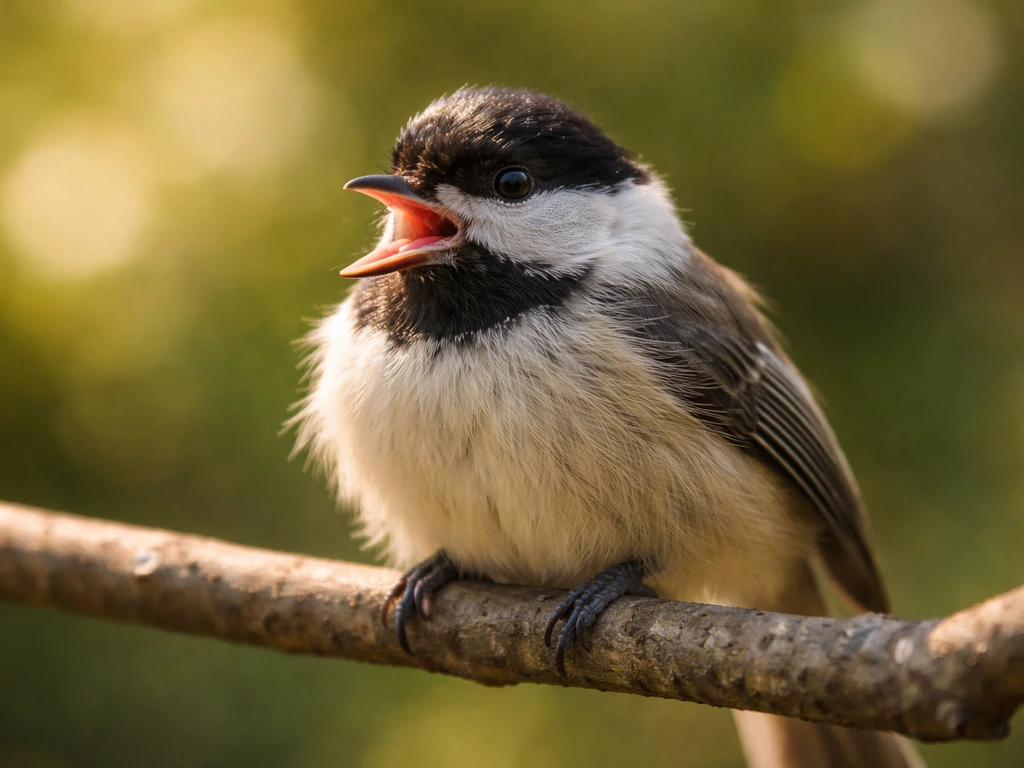
What 'bird panting' can mean: behavior vs. phrase
Most people searching this topic are watching an actual bird breathe with its beak open and want to know if something is wrong. That is the reading this article focuses on. But the phrase 'bird panting' can also carry a looser interpretive meaning, so it is worth quickly sorting the two.
Behaviorally, birds do not pant the way dogs do. They have no sweat glands, so they evolved a different cooling mechanism called gular fluttering: rapid vibration of the throat muscles combined with open-beak breathing that evaporates moisture from the respiratory tract and carries heat out of the body. Ornithologists use the term 'gular flutter' rather than 'pant,' but most bird owners and casual observers just call it panting, and that is perfectly descriptive. The same open-mouth rapid breathing, however, can also signal respiratory distress, overheating beyond the safe range, pain, infection, or toxin exposure. Context is everything.
On the cultural and interpretive side, this site covers bird behavior as meaning, and a visibly agitated, open-beaked, rapidly breathing bird has long been read in folklore as a sign of restlessness or disturbance, whether in the bird's environment or as a broader omen of tension in the observer's surroundings. That layer of symbolism is real and worth noting, but it should never delay a practical safety check when a real bird is in front of you.
Natural explanations: heat, exercise, and normal breathing changes
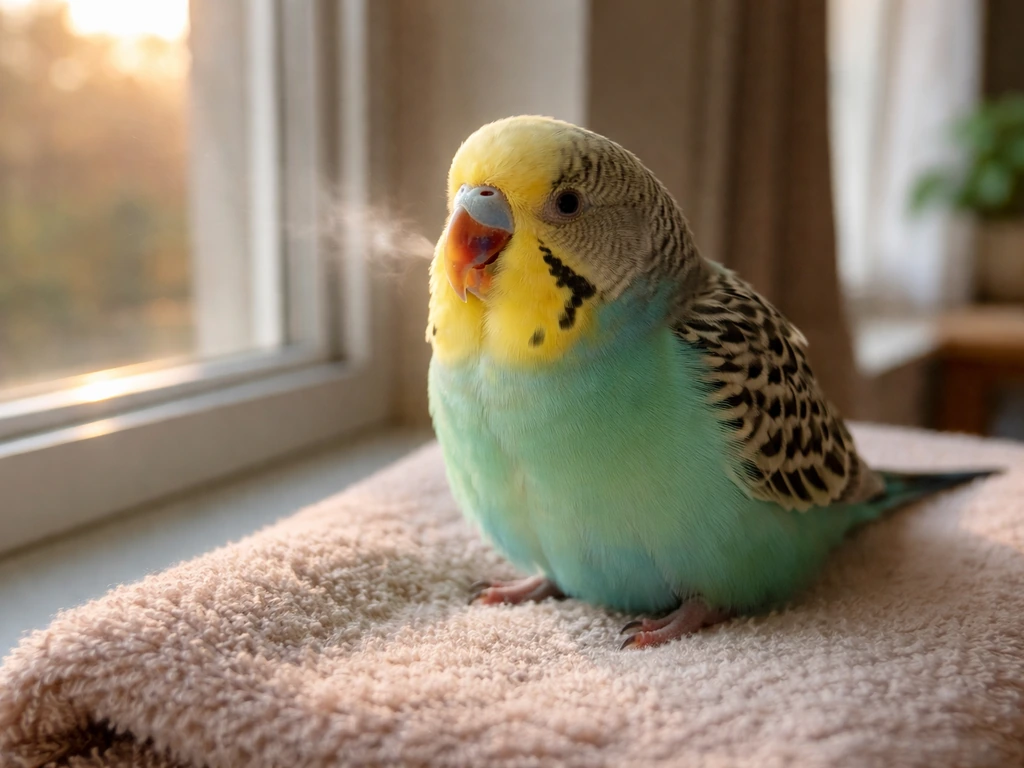
Birds are warm-blooded and generate a lot of metabolic heat, especially after flying, playing, or being handled. Because they cannot sweat, gular fluttering is their primary way of dumping excess heat fast. When a bird is doing this for normal reasons, the breathing is usually quick but rhythmic, and the bird otherwise looks alert, holds its perch, and stops within a few minutes once the trigger is removed.
Common, non-emergency reasons a bird opens its mouth and breathes rapidly include: the ambient temperature rising above roughly 85 to 90°F (29 to 32°C) in their immediate space; recent vigorous exercise or flight; handling by a person (stress and exertion combined); brief excitement, such as during singing or territorial display; or simply basking in direct sun without shade access. In all these cases the bird should calm down and close its beak within a few minutes once conditions improve. If it does not, you need to start running down the warning signs below.
Health flags: when panting means something is wrong
Open-mouth breathing that persists after you have cooled the environment, or that appears alongside any of the following signs, is a medical alert and should be treated as urgent. Birds deteriorate quickly once respiratory distress sets in, and time genuinely matters here.
- Tail bobbing: the tail pumping visibly up and down with each breath is one of the clearest signs the bird is working hard to breathe and is not just warm
- Neck stretching or a 'reaching' posture: the bird extends its neck forward or upward, trying to open the airway
- Exaggerated chest or whole-body movement with each breath
- Wing pumping or holding wings away from the body alongside labored breathing
- Wheezing, clicking, or any abnormal sound with each breath
- Blue or pale tissue around the beak, nares (nostrils), or skin visible through feathers, which signals oxygen deprivation
- Fluffed feathers combined with open-mouth breathing (fluffing alone can be tiredness or cold; combined with panting it points to illness)
- Weakness, wobbling, inability to perch or stand, or sudden collapse
- Recent exposure to cooking fumes, aerosol sprays, candles, or non-stick cookware heated to very high temperatures
That last point deserves emphasis. Overheated non-stick cookware (Teflon and similar PTFE coatings) releases fumes that are acutely lethal to birds at temperatures above roughly 280°C (536°F). Birds in affected homes can go from visibly distressed to dead within minutes. If there is any possibility of fume exposure, get the bird into fresh air immediately and call an avian vet or emergency animal hospital right now; do not wait to monitor.
Underlying medical causes of open-mouth breathing extend beyond simple overheating and include bacterial or fungal respiratory infections (chlamydiosis and aspergillosis are commonly diagnosed), pneumonia, air sac disease, pulmonary edema, heart or organ enlargement pressing on air sacs, airway obstruction, and trauma. An avian vet will typically use X-rays and infectious disease testing to distinguish between these.
The clearest 'go now' signals
Contact an avian vet or emergency animal clinic the same day, without waiting, if the bird shows open-mouth breathing with tail bobbing at rest, wheezing or audible breathing sounds, blue or very pale tissues, collapse or inability to perch, or if you suspect any toxin or fume exposure. These are not 'watch and see' situations.
Species and context: finches, parrots, chickens, and what posture adds
The basic physiology is the same across species, but how panting presents and what thresholds matter vary a fair amount depending on which bird you are watching.
| Species | Normal panting context | Extra warning signs to watch | Notes |
|---|---|---|---|
| Parrots and cockatiels | After handling, play, or in temps above ~85°F | Tail bobbing, wing pumping, neck stretching, increased sternal lift | Highly sensitive to fumes; can mask illness until severely compromised |
| Budgies (budgerigars) | Heat stress at relatively modest temps; also after brief exertion | Open-mouth breathing plus fluffing is a red flag combination; any tail bob at rest | Small body mass means they overheat and deteriorate faster than larger parrots |
| Finches and small passerines | Gular flutter visible during heat or after sustained flight | Any labored breathing or tail movement is more urgent in tiny birds | Wild finches found panting on the ground likely need wildlife rehabilitator help |
| Chickens | Panting with wings held out from the body is classic heat stress | Lethargy, weakness, pale comb, cessation of eating or drinking | Can also pant with respiratory disease or abdominal disease pressing on air sacs |
| Wild birds (general) | Brief open-mouth breathing after being startled or flying into a window | Persisting more than a few minutes, unable to fly, dull eyes | Handle minimally; contact a wildlife rehabilitator rather than a vet if injured or ill |
Posture adds important context across all species. A bird that is panting but upright, alert, tracking your movement, and holding its perch is very different from one that is panting while hunched, eyes half-closed, or sitting on the cage floor. If you are trying to understand bird sitting on car meaning, posture and context are key, since sitting can reflect normal resting as well as heat or stress sitting on the cage floor. The latter posture combination almost always means the bird is sick rather than just warm.
Environmental checks you can do right now
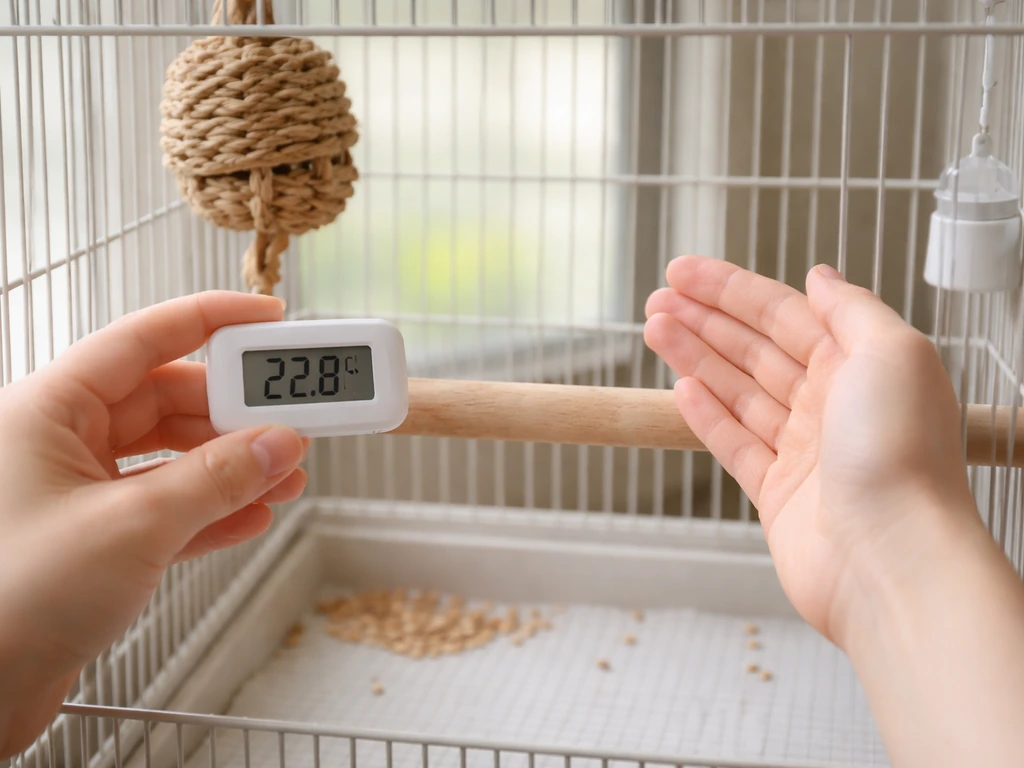
Before you do anything else, run through these checks quickly. Many cases of bird panting resolve as soon as the environment is corrected, and this also helps you rule in or out a heat emergency before considering medical causes. The phrase “bird sheet meaning” can confuse people, but the same basic cues help you decide whether the bird’s open-mouth breathing is just heat-related or something more urgent.
- Check the temperature where the bird actually is, not just the room thermostat. A cage near a window or under a heat lamp can be 10 to 15°F hotter than the ambient room reading. Ideal ranges for most pet birds sit between 65 and 85°F (18 to 29°C).
- Check for direct sun exposure. Move the bird or the cage to shade immediately if sunlight is hitting it directly.
- Check air quality. Is anything cooking? Any sprays, candles, air fresheners, or cleaning products used recently in the same room? Remove the bird to a well-ventilated area away from those sources.
- Check humidity. Very low humidity (under about 30 to 40%) can stress the respiratory tract; very high humidity (above 70%) reduces the bird's ability to lose heat through evaporation. Neither extreme is helpful.
- Check for drafts. A cold draft hitting a warm bird can also trigger stress breathing. Stable, fresh air is the goal, not a direct breeze.
- Check recent activity. Was the bird just handled, startled, or exercising? If so, give it five quiet minutes in a cool, calm spot before escalating concern.
- Check cage safety. Overcrowding, a poorly ventilated cage cover, or another animal stressing the bird (a cat or dog nearby) can all contribute to panting.
What to do next: cooling, calming, hydration, and vet steps
Here is a practical sequence to follow, roughly in order of priority.
Immediate cooling and calming
Move the bird to a cooler, shaded, well-ventilated space. Do not blast it with cold air conditioning or mist it heavily; sudden temperature drops can cause their own shock. Instead, aim for gradual cooling: a room temperature of 70 to 75°F is ideal. Reduce handling and noise. Minimize your own presence near the bird for a few minutes, since human proximity adds stress. If the bird is a chicken or larger bird with heat stress, a light, gentle misting with room-temperature water on the feet and legs (not the head) can help without the shock risk of full dousing.
Hydration
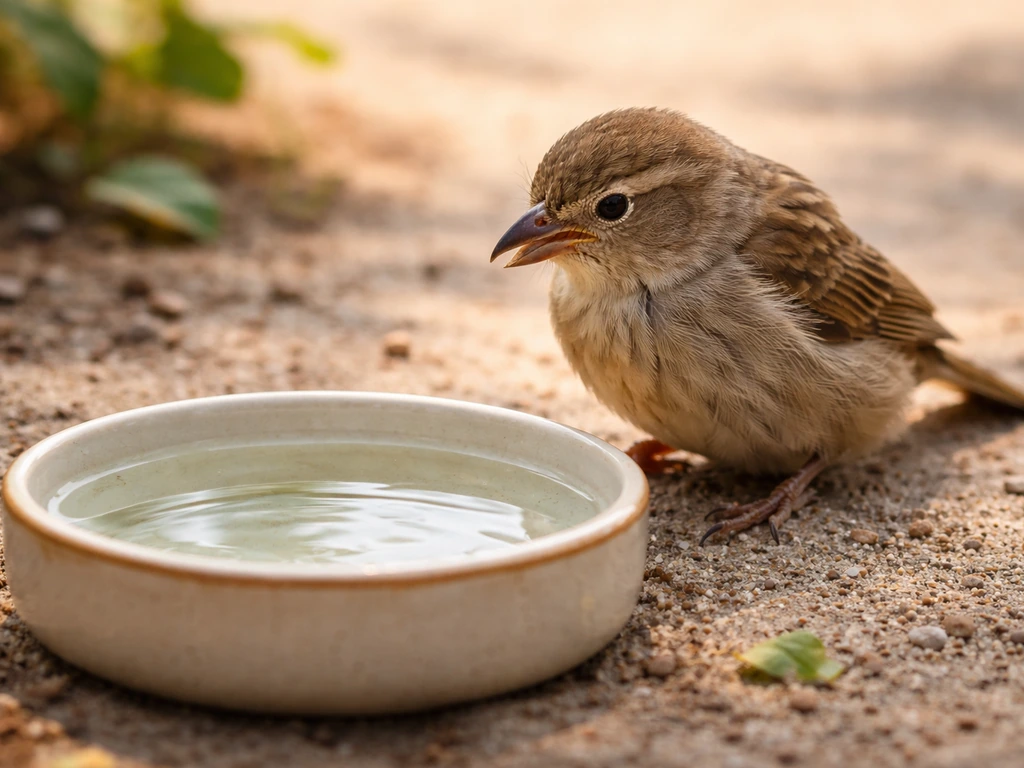
Make sure fresh, clean water is easily accessible. For a heat-stressed bird that is still alert and able to swallow, placing water close to where it is perching (rather than requiring it to fly or move) encourages drinking. Do not force water into the beak of a distressed bird; aspiration is a real risk. If the bird is too weak to drink on its own, that is another sign you need veterinary help rather than home management.
Observe carefully for a few minutes
Watch the breathing pattern from a calm distance. Is the beak closing? Is the tail still? Is the bird becoming more alert? Normal recovery from heat or exercise panting should show visible improvement within five to ten minutes of environmental correction. If you are not seeing improvement, or if any of the warning signs listed earlier are present, stop waiting.
Contacting a vet or wildlife rehabilitator
For pet birds, call an avian vet (not just a general small animal clinic if you can help it; avian medicine is a specialty). Describe the breathing pattern, posture, recent environment, and any possible toxin exposure. Most avian vets will advise you to come in the same day for any persistent open-mouth breathing with tail bobbing. For wild birds found panting on the ground or clearly distressed, contact a licensed wildlife rehabilitator rather than trying to treat at home. Handling wild birds carries its own stress risks, and many species are protected under federal law. Keep the bird in a dark, ventilated box in a quiet spot while you make that call.
If you are observing unusual bird behaviors more broadly, like a bird sitting unusually close to you, landing on you, or holding strange resting positions, those behaviors carry their own behavioral and symbolic readings worth exploring separately. Some people also search for what it means when a bird sits on a person’s head, which can overlap with both behavior and symbolism discussions bird sitting on head meaning.
If you are wondering about the bird landing on shoulder meaning, the behavior can have different interpretations depending on context and how the bird looks while it lands landing on you. Understanding the bird landing next to you meaning can help you interpret the situation once you have confirmed whether it is safe and not a breathing emergency a bird sitting unusually close to you, landing on you.
If you are specifically wondering what a bird sitting near you means, that can involve both behavioral reasons and local interpretations. But when a bird is visibly struggling to breathe, the practical steps here come first, every time. If you are noticing resting positions in particular, the bird sleeping positions meaning guide can help you interpret what is normal versus concerning.
FAQ
How can I tell if “bird panting meaning” is just heat cooling versus true respiratory distress when I cannot measure the temperature?
Use response to correction as your fastest decision aid. If you can shade and cool the area gradually and the beak position closes, tail settles, and the bird looks more alert within 5 to 10 minutes, it is more likely cooling or exertion. If open-mouth breathing continues at rest, or you see tail bobbing, wheeze, audible sounds, or abnormal color in the tissues, treat it as respiratory distress and seek an avian or emergency visit the same day.
Is gular flutter always visible, and can it look like panting even when the bird is not sick?
Yes. Birds often use gular flutter as a normal cooling method, especially after flight, during hot weather, or when stressed briefly. The key difference is overall posture and improvement, a normal episode is usually rhythmic and stops soon after triggers end, while distress tends to persist and is often paired with hunched posture, reduced responsiveness, or increased effort to breathe.
What breathing signs are the most reliable warning flags besides open-mouth breathing?
The article’s strongest triggers are open-mouth breathing at rest plus effort signs like tail bobbing, wheezing or audible breathing, bluish or very pale tissues, collapse, or inability to perch. Add any suspected toxin or fume exposure to your “do not wait” category, because time loss can be fatal in birds.
My bird is on the cage floor breathing with its beak open. Does that always mean it is dying?
Not always, but it is rarely “just warm.” Sitting on the cage floor with open-mouth breathing and reduced alertness is a concerning posture combination, especially if the bird is not improving after gradual cooling and reduced handling. If it cannot perch, is weak, or the breathing persists, contact an avian vet urgently the same day.
How quickly should a heat-stressed bird improve after I move it to shade and fresh air?
Look for visible improvement within 5 to 10 minutes, beak closing and calmer breathing are common signs. If there is no improvement in that window, or symptoms worsen, shift from home management to veterinary guidance immediately.
Is it safe to mist a panting bird with water to cool it?
It can be helpful for some heat-stressed birds, but only with room-temperature water and gentle misting targeted to the feet and legs, not the head. Avoid heavy dousing or rapid blasting with cold air, sudden temperature drops can cause shock in birds.
Can I offer water to a distressed bird by putting drops in the beak?
Avoid forcing water into a bird’s beak if it is very distressed or struggling to breathe. Aspiration is a real risk. If the bird is alert enough to swallow, placing fresh water close so it can choose to drink is safer. If it cannot drink on its own, that is another reason to seek veterinary care rather than trying home feeding.
What should I do if the panting started after cooking or using scented products?
Treat it as potential fume or toxin exposure and act immediately. Move the bird into fresh air right away and contact an avian vet or emergency animal hospital without waiting to “see if it passes.” Many fumes, especially from overheating non-stick cookware, can be rapidly lethal to birds.
My bird seems to breathe “fast” but not with an open beak. Could it still be a breathing emergency?
Yes. Open-mouth breathing is a major clue, but other effort signs can appear without obvious beak gaping, such as wheeze, audible breathing, tail bobbing, abnormal tissue color, collapse, or inability to perch. If breathing effort is increasing, persistently abnormal, or the posture is concerning, call for urgent avian advice.
Does “bird panting meaning” differ for wild birds found on the ground?
Wild birds should be handled differently because stress and handling risk increase rapidly. If a wild bird is visibly distressed or panting on the ground, contact a licensed wildlife rehabilitator rather than attempting at-home treatment. Many species are protected, and minimizing handling time matters for survival and legal safety.
If I suspect an illness like infection or aspergillosis, what will the vet likely do first?
An avian vet typically distinguishes respiratory disease from heat stress by assessing breathing pattern and posture, then using diagnostics such as X-rays and infectious testing. Tell the vet exactly how long the breathing has been going on, what you observed (tail bobbing, audible sounds, color changes), and any likely exposure history.
What information should I be ready to report when I call the vet or emergency clinic?
Include the species, how long the open-mouth breathing has been happening, what posture the bird is in (upright vs hunched, perch vs floor), whether the tail is bobbing, any audible sounds, changes in color of the tissues, and any recent heat, flight, handling, or possible toxin or fume exposure. These details help them decide same-day urgency and the most appropriate next step.
Next Articles
Bird Sighting Meaning: How to Interpret What You Saw
Interpret bird sighting meaning with context, behavior, symbolism, and practical steps to identify the species and next
Bird Visit Meaning: Spiritual vs Real-World Reasons
Bird visit meaning explained: spiritual symbolism vs real-world causes like weather, food, nesting, dreams, and safe nex

Bird-Watching Meaning: Definition, Signs, and How to Start
Define bird-watching meaning, why people do it, key behaviors and idioms, plus beginner tips to start responsibly.