Bird movement is most broadly called locomotion, which is the biological term for how an organism moves from one place to another. But if you're trying to name something specific you watched a bird do, the right word depends entirely on what the bird was actually doing. Flying, hopping, preening, foraging, nesting, and courtship displays are all distinct behaviors with their own names, and picking the right one makes a real difference when you're describing what you saw. The Cornell Lab’s All About Birds Bird Academy glossary defines behavior-related terms such as courtship display, fledgling, and foraging technique blank" rel="noopener noreferrer">All About Birds Bird Academy glossary defines terms like courtship display.
Bird Movement Is Called What Term Fits Your Observation

Marcus Holloway
8 Jul 2026
The correct term for bird movement
In biology and ethology (the study of animal behavior), the umbrella term for physical movement is locomotion. When researchers talk about bird locomotion, they mean the full range of ways a bird gets from point A to point B: flight, walking, running, hopping, swimming, or climbing. It sits under the broader category of animal behavior, which covers all observable actions a bird takes, including ones that aren't strictly about moving through space, like vocalizing or preening.
So if someone asks 'what is bird movement called?blank" rel="noopener noreferrer">' in the most general sense, locomotion is your answer. This is the umbrella phrase you will also see in bird study contexts when people ask what bird movement is called bird study is called. But most of the time, people are really asking about something more specific, and that's where a vocabulary of individual behavior terms becomes much more useful.
Bird behavior vocabulary you actually need
Birds have a rich set of named behaviors, and most of them involve some kind of movement or physical action. Here are the core ones worth knowing, organized by what they look like in practice.
Flight
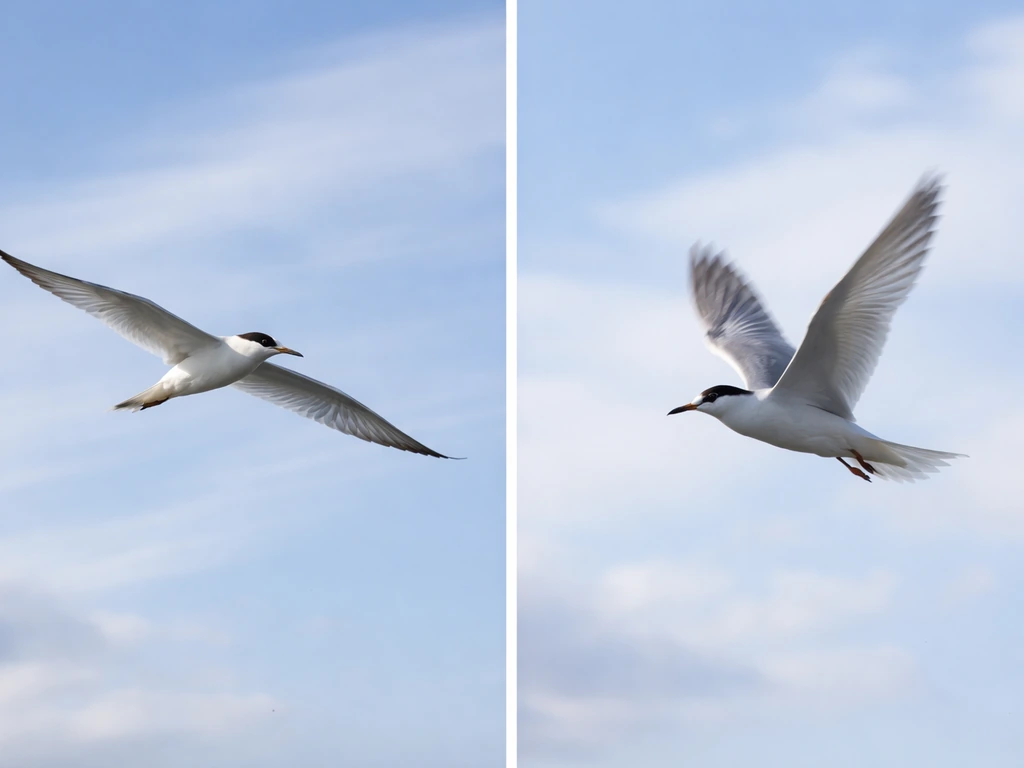
Flight is the obvious one, but it breaks down further. Soaring means riding air currents with minimal wing movement (think hawks circling overhead). Flapping is active powered flight with repeated wingbeats. Hovering, seen in hummingbirds and kestrels, means staying stationary in the air. Diving is a rapid, controlled descent, often used in hunting. When a bird takes off from the water or ground and accelerates, that's flushing or launching.
Ground movement: hopping vs. walking
On the ground, birds either walk or hop, and the difference is telling. Perching birds (passerines) like sparrows and robins tend to hop with both feet moving together. Birds that spend more time on the ground, like pigeons, crows, and starlings, typically walk or run with alternating steps. Some species do both depending on the surface or situation.
Preening
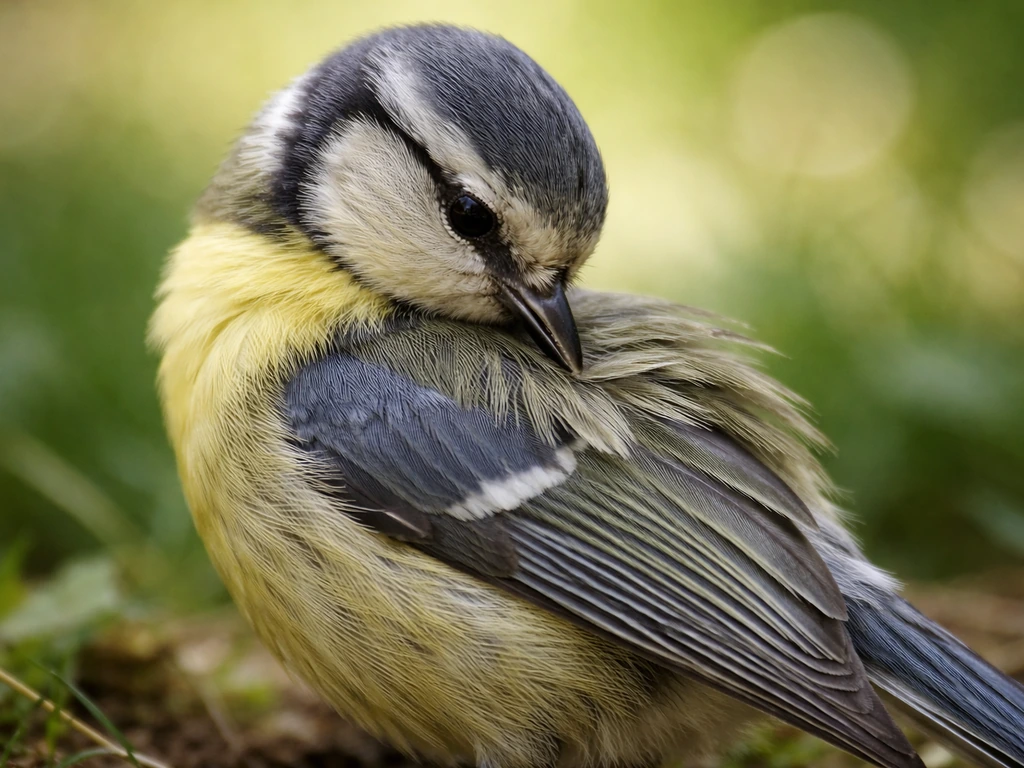
Preening is the ornithological term for feather maintenance. A bird uses its bill to rearrange feather barbs, remove parasites, and distribute oil from the preen gland (uropygial gland) near the tail. You'll see it as a bird working methodically through its feathers, sometimes contorting to reach its back or wing undersides. It looks like grooming, because it is.
Molting
Molting (or moulting) isn't movement in the locomotion sense, but it's one of the most visible physical processes birds go through. It's the periodic shedding and replacement of old feathers with new ones. During a heavy molt, you might notice a bird looking patchy or ragged. It's a normal cycle, not a sign of illness, though it can temporarily affect flight ability.
Nesting behavior
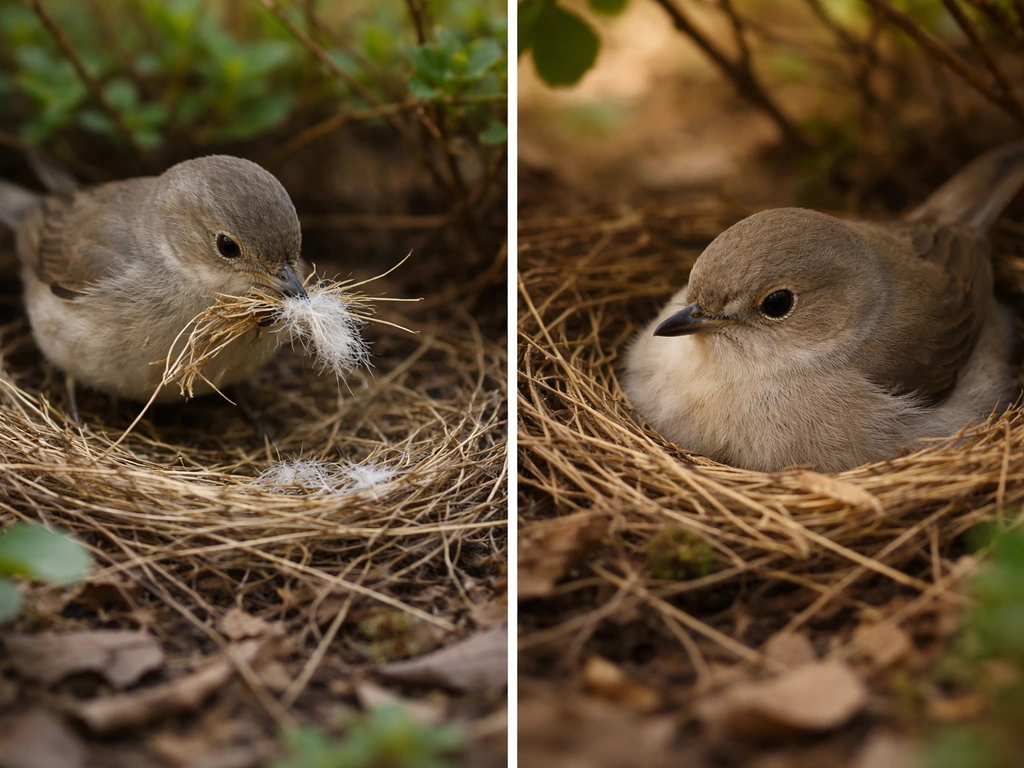
Nesting covers a cluster of behaviors: nest building (carrying and arranging materials), incubating (sitting on eggs to keep them warm), and brooding (keeping hatchlings warm with body heat). A bird repeatedly flying to the same shrub with grass or twigs in its bill is almost certainly nest building.
How to figure out which movement you actually saw
If you're trying to put a name to something specific, these four questions help you narrow it down fast: What part of the environment was the bird in (air, ground, water, tree)? What was its body doing (wings spread, bill moving, feet shuffling)? Was there another bird nearby? And what time of year is it? Context does a lot of the work here.
| What you observed | Most likely behavior term | Key context clue |
|---|---|---|
| Bird running in short bursts, stopping to tilt head | Foraging | Often on lawns or open ground; searching for food |
| Two birds facing each other, puffed up, bobbing | Courtship display | Spring/early summer; often involves vocalizing |
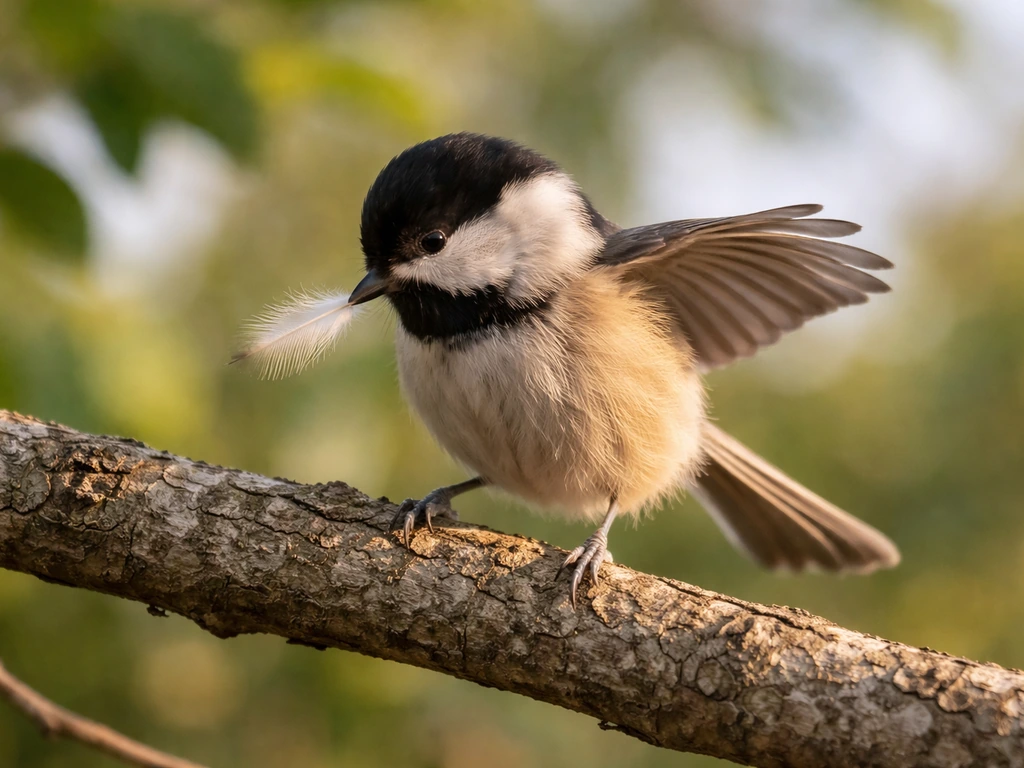
| Bird holding wings open, not flying | Sunning or threat display | Stillness; may also be drying wet feathers |
| Bird making short, rapid dashes away from you | Escape behavior / flushing | Triggered by your approach |
| Bird sitting very still, flattened on a branch or nest | Incubating or roosting | Long periods of stillness, often in a sheltered spot |
| Rapid, repetitive bill-to-feather contact | Preening | Solitary; methodical; often after bathing |
| Bird carrying material in bill to a fixed spot | Nest building | Repeated trips; spring/summer; twigs, grass, or mud |
| Patchy or missing feathers, slow movement | Molting | Late summer is peak molt for many species |
Season matters more than most people realize. The same hopping and wing-fluttering that looks like distress in August might be a perfectly normal dust-bathing routine. A bird doing dramatic bowing and spreading its tail in April is almost certainly in a courtship display, not sick. Pair the behavior with the time of year and you'll get to the right term much faster.
How bird movement shows up in everyday language and idioms
Bird actions have worked their way deep into everyday English, and it's worth knowing them because they often come up in conversation, literature, and even slang. A few of the most common ones directly reference how birds move or behave.
- "Taking flight" means leaving quickly or escaping a situation, drawn from a bird's sudden aerial departure.
- "Preening" in human contexts means self-grooming or showing off, especially with vanity, borrowed directly from the bird behavior.
- "Flocking" is used for large groups of people moving together or gathering around something popular.
- "Hovering" describes a person who stays too close, watching over someone without giving space, just like a kestrel hanging in the air.
- "Bird-dogging" refers to closely tracking or following someone or something, originally from hunting dogs that pointed at flushed birds.
- "Nesting" is used for the human behavior of preparing a home environment, especially before a baby arrives, a direct lift from bird nesting instinct.
- "Molting" occasionally appears in human metaphor to describe shedding an old identity or going through a transitional period.
These idioms show how closely humans have observed bird behavior for centuries. People also talk about bird culture in the same way they talk about other shared traditions and naming habits. When you know the actual ornithological term behind an expression, the idiom makes a lot more sense, and vice versa.
Bird movement in spirituality, symbolism, and dreams
Bird movement carries significant symbolic weight across many traditions, and the specific type of movement often determines the interpretation. It's worth being clear-eyed here: these are cultural and folkloric readings, not biological facts, but they're genuinely widespread and worth understanding on their own terms.
In dream symbolism, a bird in flight is one of the most consistent cross-cultural images of freedom, transcendence, or a message in transit. The direction of flight matters in some traditions: a bird flying toward you is read as an arrival (good news, opportunity), while one flying away signals departure or loss. A hovering bird in dreams is often interpreted as a period of suspension or waiting, a situation not yet resolved.
Preening in a dream context is sometimes read as preparation, self-care, or readiness for something important, which aligns loosely with what preening actually does for a bird (getting feathers in order before activity). Nesting behavior in dreams tends to appear in interpretations around home, family, or new beginnings, particularly in life-transition periods.
Erratic or distressed movement in birds has long been treated as an omen in various folk traditions: a bird flying into a window, circling overhead repeatedly, or behaving unusually near a home has been interpreted as a warning sign in cultures ranging from European folklore to some Indigenous American traditions. The natural-history explanation for window strikes (the bird sees reflected sky and doesn't recognize the glass) doesn't cancel the symbolism people attach to it, but knowing both helps you hold the interpretation with appropriate nuance.
Molting has a specific symbolic resonance in spiritual contexts: the idea of shedding what no longer serves you, transformation through loss before renewal. The phoenix myth, arguably the most famous bird-movement story in Western symbolism, is essentially an extreme version of molt mythology.
What to do next: observe, record, and confirm
If you're trying to confirm the right term for something you witnessed, the most practical thing you can do is get systematic about observation. You don't need to be a trained ornithologist. You just need to note a few things while you're watching.
- Note the species if you can identify it, or describe it: size, color, bill shape, leg length. These details help narrow down behavior expectations.
- Record the time of year and time of day. Many behaviors, especially courtship displays and nest building, are strongly seasonal.
- Describe what the bird's body was doing in as much physical detail as possible: bill position, wing angle, whether feet left the ground, how long the behavior lasted.
- Note whether other birds were present and how they responded.
- Check Cornell Lab's All About Birds (allaboutbirds.org), which includes a Bird Academy A-to-Z Glossary of Bird Terms covering behavior vocabulary like courtship display, foraging technique, and fledgling stages.
- Cross-reference with a field guide specific to your region. Behavior descriptions in regional guides often include seasonal cues that help you confirm what you saw.
- For symbolic or dream interpretations, approach them as cultural context rather than fixed meaning: note the behavior first, then explore what different traditions say about it.
The broader world of bird study has its own terminology worth exploring, and if you find yourself wanting more vocabulary for what birds do and why, the fields of ornithology and ethology are well-documented and genuinely accessible to non-specialists. If you want the everyday label for a person who loves birds, they’re called a bird lover bird lover is called. The more you observe, the faster the right term comes to mind when you see something unfamiliar, and the richer both the natural-history and symbolic layers of bird behavior become.
FAQ
If I just saw a bird “move,” is locomotion always the correct term to use?
Locomotion works as a general label for getting from one place to another, but if the bird was clearly doing something functional like feeding, mating, or maintaining feathers, using the specific behavior name (foraging, courtship display, preening) is more accurate and more useful for describing what you actually observed.
How can I tell the difference between flapping, hovering, and “hovering like” behavior?
Hovering means the bird stays in roughly the same spot while holding position in the air, with rapid wing action, while flapping flight involves travel, with the bird progressing through space. If the bird remains nearly stationary for more than a brief moment, hovering is the better fit; if it is clearly moving forward, it is flight with flapping.
What should I call it when a bird is walking but seems to jerk its feet forward?
That depends on whether the bird is alternating steps (walking) versus moving feet together (more hop-like). Perching species often show synchronized foot movement that looks like hopping, while ground-feeding birds more often alternate steps. If you can, note whether both feet land together or in an alternating pattern.
Is molting the same thing as shedding feathers during a fight or predation attempt?
No. Molting is a scheduled, gradual replacement of feathers, often producing a patchy or ragged look over time. Feathers lost abruptly due to injury, aggression, or escape are not the same process, and the bird’s overall behavior may look stressed rather than simply adjusting to new plumage.
When a bird is on the ground and repeatedly “waddles” into dust, what term fits best?
Dust-bathing is a ground behavior that can involve hopping or wing-fluttering, but it is not the same as courtship. The time of year and the pattern matter, dust-bathing often looks like the bird crouches, fluffs, and works through substrate rather than performing repeated bowing and tail-spread displays toward a partner.
If I see a bird repeatedly visit the same place with nesting material, is it always nest building?
It strongly suggests nest building, especially if the bird is carrying twigs, grass, or other materials and depositing them in a consistent location. If instead the bird is mostly bringing food, that points to feeding or provisioning rather than construction, so pay attention to whether the bill is carrying nesting materials versus prey or pellets.
What’s the best way to identify the right behavior if two birds are involved?
Use the “role” question: are you seeing interaction (chasing, display, or synchronized movement) or independent activity. Courtship and territorial disputes often show dramatic posture and repeated gestures, while routine foraging usually looks steady and focused on food sources. Noting who initiates and how close they are to each other helps a lot.
What if I can’t tell whether a bird is swimming or walking in shallow water?
Look for propulsion style and body position. Swimming typically involves paddling and moving through water with more body-wide motion, while walking in shallow water usually keeps the bird’s body higher and uses foot steps across the bottom. If the bird is staying mostly afloat and moving through the water, swimming is the better term.
Do window strikes in birds count as locomotion, or is there another label I should know?
The physical event is flight with an impact, but in describing the behavior, the key phrase is “window strike” or “collided with glass,” since it reflects a specific cause-and-effect situation. You can still mention erratic flight, but “window strike” is more precise for that scenario.
If someone asks “bird movement is called what term,” can I answer with an everyday synonym?
Yes, for casual conversation you can say “movement” or “how it moves,” but if you want the biological umbrella term, locomotion is the standard choice. In most everyday settings, people won’t expect the scientific term unless they are asking for accuracy.
Next Articles

Bird Lover Is Called: Meaning, Labels, and Best Phrases
Find out what a bird lover is called, key labels like birder and ornithophile, and how to choose the right term.
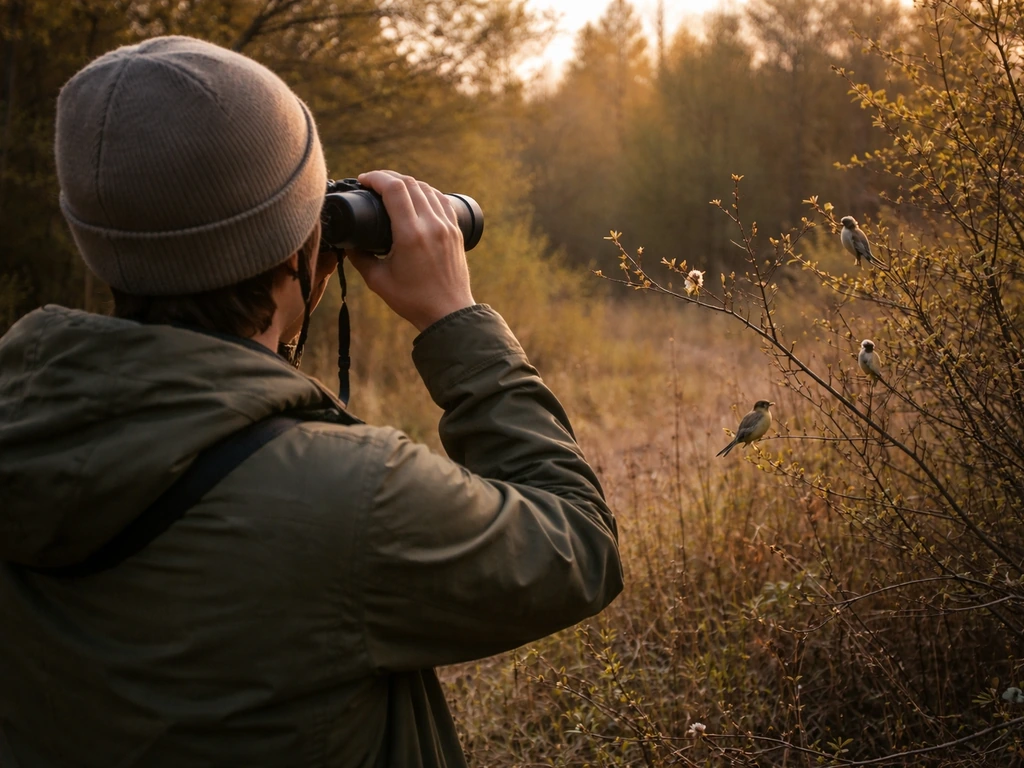
Bird Watching Is Called What Learn Birding vs Ornithology
Find out what bird watching is called: birdwatching, birding, and ornithology, plus key term glossary like nesting and p
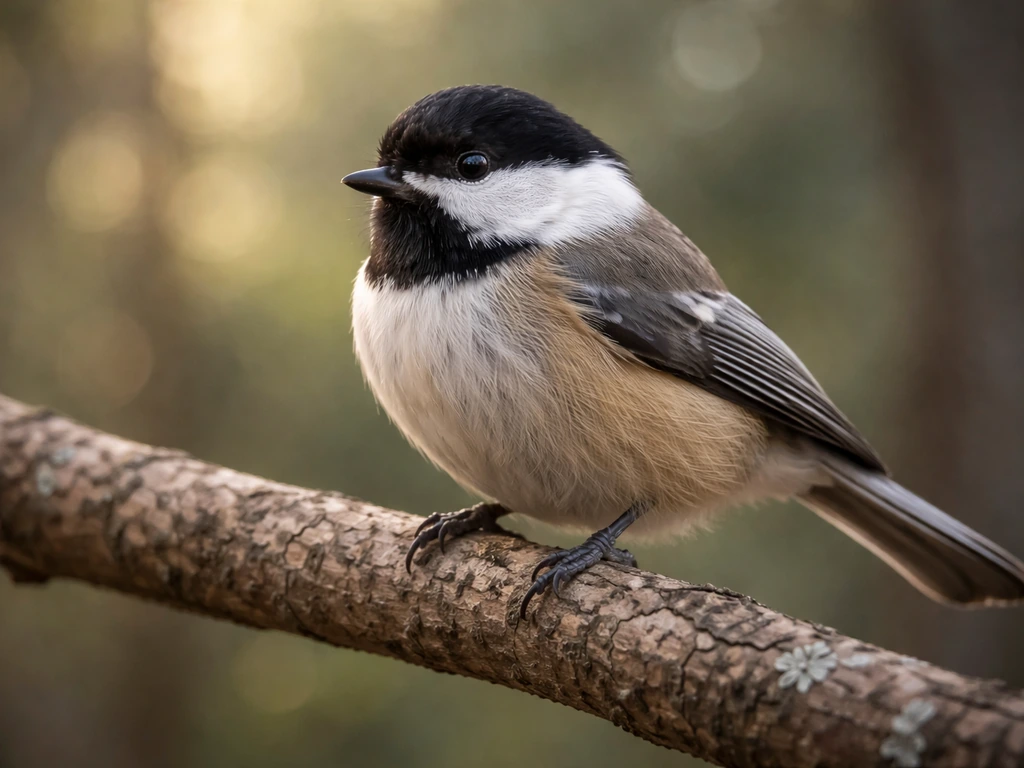
Bird Study Is Called Ornithology: Meaning and Next Steps
Find the real name for bird study, plus ornithology vs birdwatching and bird symbolism, with clear next steps.