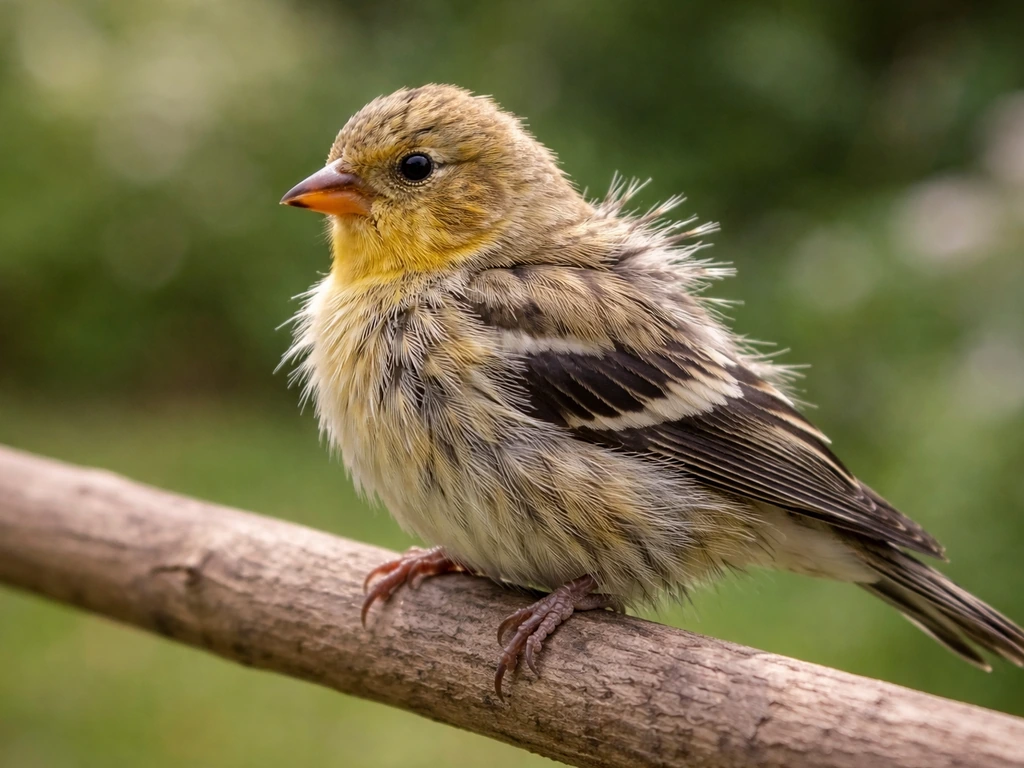
Bird nesting is the full cycle of behaviors a bird uses to reproduce: choosing a site, building a structure (or claiming one), laying eggs, keeping those eggs warm until they hatch, and raising the young until they can survive on their own. It's not just the nest itself. The nest is the structure; nesting is everything that happens around it, from the first twig placed to the day the last chick flies off.
Bird Nesting Definition: Meaning, Signs, and Safe Advice

Marcus Holloway
5 Jun 2026
What bird nesting actually means (plain English)
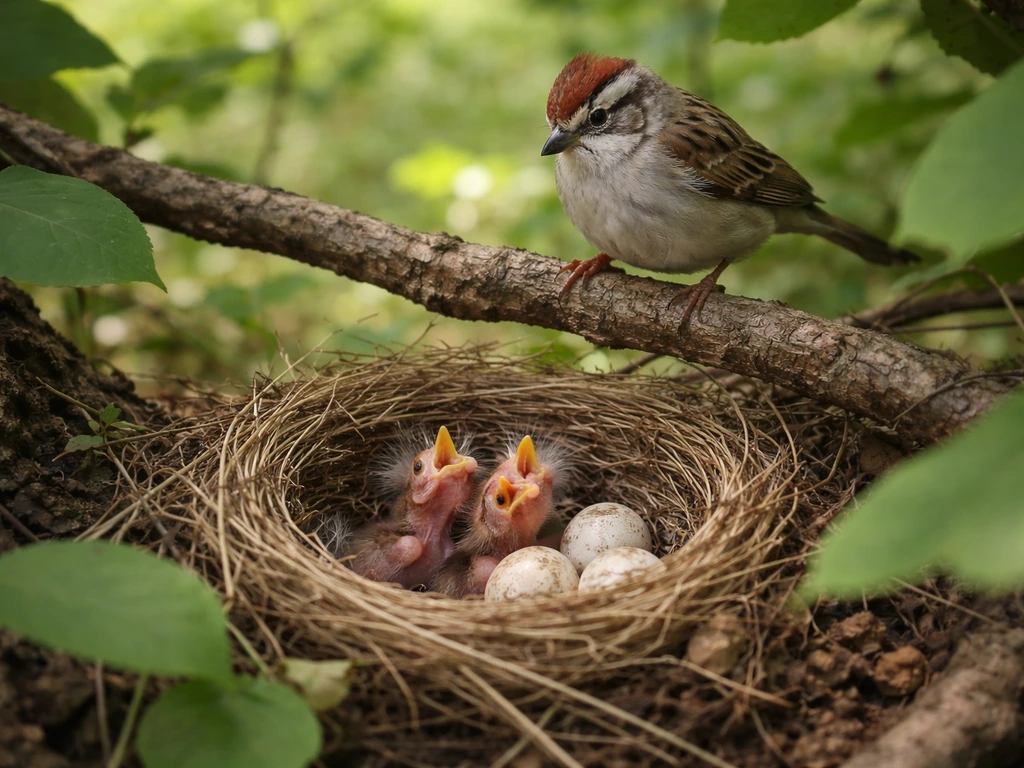
In plain terms, bird nesting describes a reproductive strategy. A bird identifies a suitable location, constructs or occupies a nest, lays a clutch of eggs, and invests time and energy in getting those eggs and chicks to independence. The word covers the whole arc, not just one moment. You might hear someone say a robin is "nesting" in their yard, and what they mean is that the bird has committed to that spot for the entire breeding attempt: building, laying, sitting, feeding, and eventually sending fledglings out into the world.
The Smithsonian National Zoo's nest-monitoring framework breaks that arc into discrete stages: building, laying, incubating, nestling, and fledgling. That's a useful map. Each stage has different behaviors, different risks, and different things you'll observe if you're watching a nest in your backyard or on a trail.
The nesting process from start to finish
Site selection and nest building
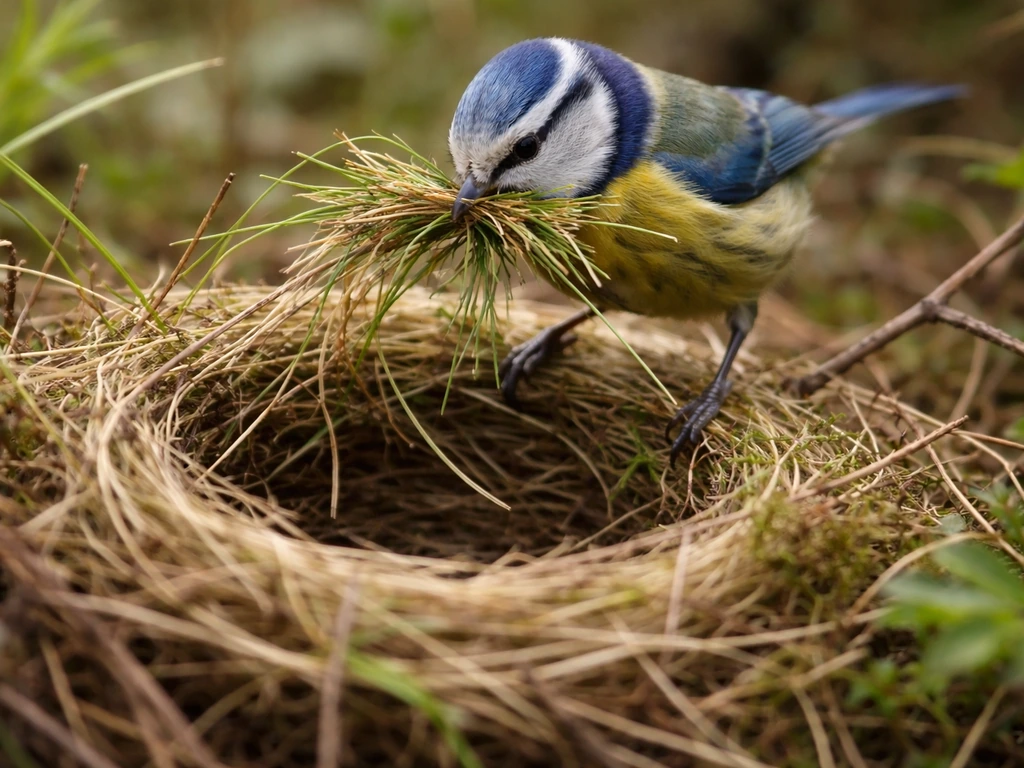
Before a single egg is laid, birds spend real energy choosing where to nest. They're evaluating predator exposure, proximity to food, shelter from weather, and competition from other birds. Some species are highly specific, like cavity nesters that need a hole of a precise diameter. Others are more flexible. Once a site is chosen, nest building begins, and this can take anywhere from a few days to a couple of weeks depending on species and materials available.
Egg laying and clutch size
A clutch is the set of eggs a bird produces and incubates in one go. The National Park Service defines it simply as "the number of eggs produced or incubated at one time." Clutch sizes vary enormously. A hummingbird lays two eggs; a mallard might lay a dozen. Most songbirds lay one egg per day until the clutch is complete, then begin incubation.
Incubation
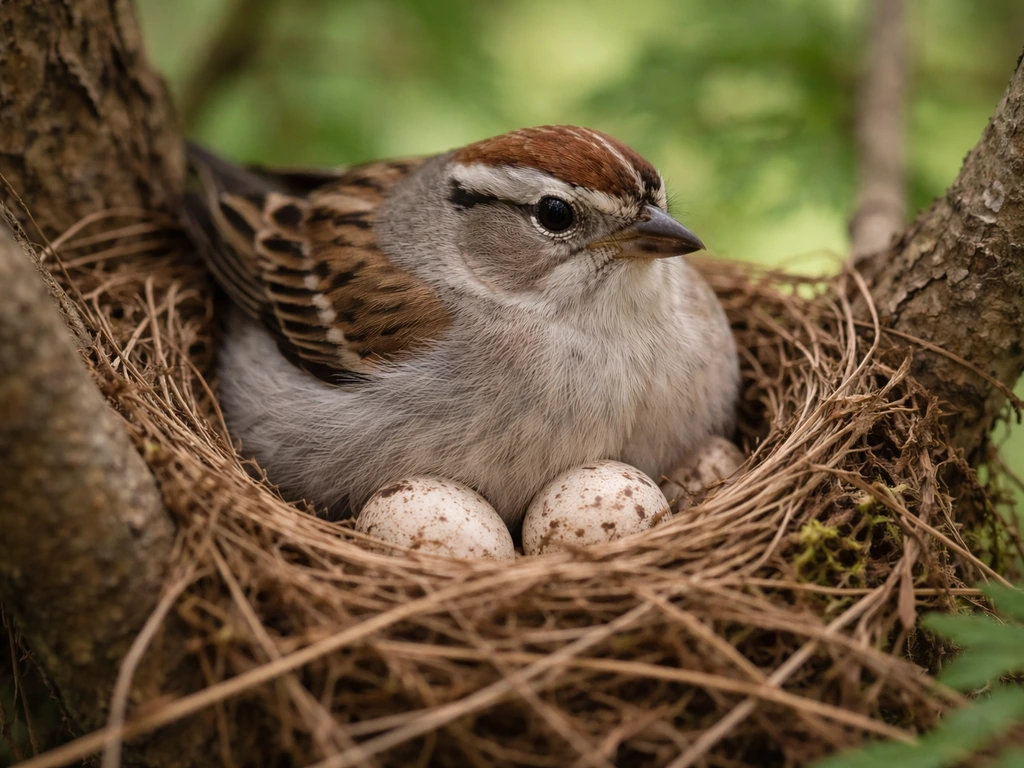
Incubation is the process of keeping eggs at the right temperature for embryo development. Cornell Lab's NestWatch defines it as the way birds maintain the correct thermal environment until the eggs hatch. Depending on species, incubation can be handled by the female alone, the male alone, or both parents in shifts. This is one of the most vulnerable periods for a nest because the adult bird must stay put for long stretches, making it easier to spot and also easier to disturb.
Brooding and nestling care
Once eggs hatch, the young are called nestlings. They can't regulate their own body temperature, so the parent sits over them in a behavior called brooding. NestWatch defines brooding specifically as sitting on and warming young birds that can't yet maintain their own body heat. It's thermally essential, not just affectionate. Alongside brooding, parents make repeated trips to and from the nest to deliver food, and those frequent adult visits are one of the most reliable signs that active nesting is happening.
Fledging
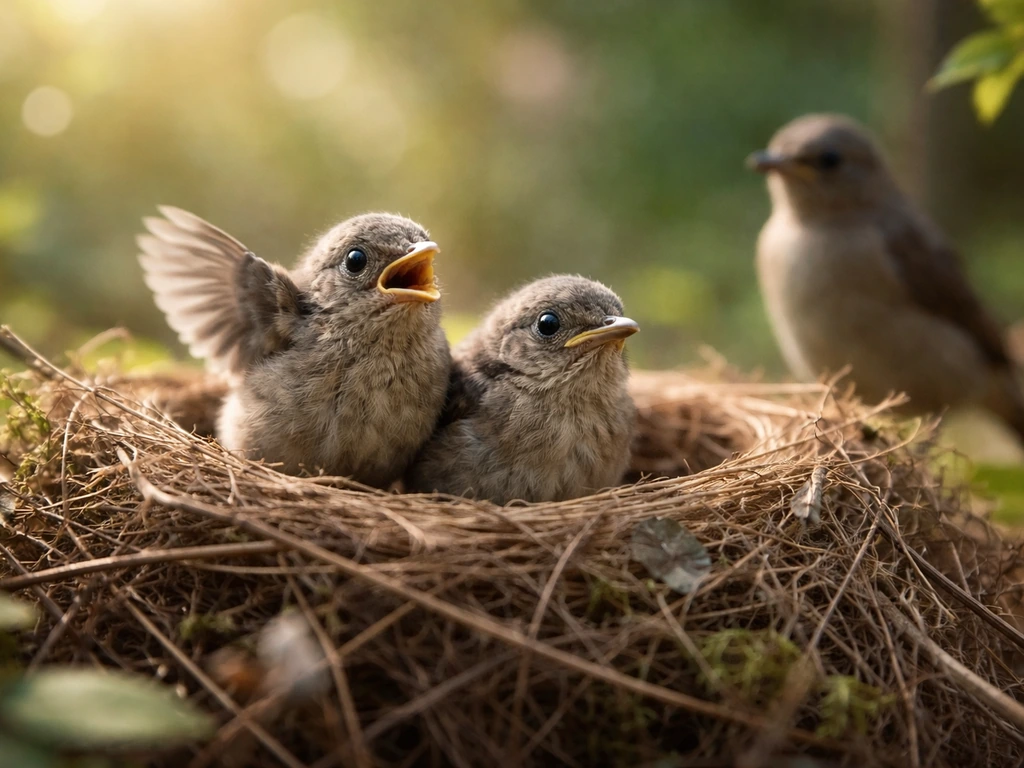
Fledging is when a young bird leaves the nest after reaching a certain stage of maturity. NestWatch is careful to note that fledging doesn't mean independence. Parents typically continue to feed and monitor fledglings for a period after they leave the nest. You'll often hear young birds calling loudly from shrubs or low branches while adults shuttle food to them. A "nest attempt," in Cornell Lab's framing, covers the full span from first egg to fledging (or to whatever other fate the nest meets).
How to tell if a bird is actively nesting
Knowing what to look for saves you from accidentally disturbing something you didn't realize was there. Here are the most consistent behavioral and visual indicators of active nesting:
- Repeated adult trips to and from one specific spot, especially carrying food or nest material
- An adult sitting very still in a tree, shrub, ledge, or birdhouse for long periods (likely incubating)
- Visible nest structure with eggs or small dark heads visible from a distance
- Adults performing distraction displays (dragging a wing, calling loudly, diving at you) when you approach
- Fledglings on the ground or in low vegetation calling persistently while adults circle nearby
- Carrying nest material like grass, bark strips, mud, or spider silk to a fixed location
The repeated adult visit pattern is particularly useful after hatching. Once nestlings need feeding, adults may visit dozens of times per hour. If you notice a bird making that kind of regular, purposeful route, follow it at a distance and you'll likely locate the nest.
Nest vs. roost vs. breeding: clearing up the confusion
These three terms get mixed up constantly, even in casual conversation among birders. They're related but genuinely different things.
| Term | What it means | When it happens |
|---|---|---|
| Nest | A structure (built or claimed) used to hold eggs and raise young | During breeding season only |
| Roosting | A bird or flock using a specific site for sleeping, resting, or preening, not for reproduction | Year-round, often overnight |
| Breeding | The full reproductive process including courtship, pairing, nesting, and raising young | Seasonally, usually spring through summer in temperate regions |
Roosting is specifically about rest and sleep. Queensland wetland ecology sources describe roost sites as places birds use for sleeping, digestion, and preening, with no offspring-rearing involved. Audubon notes that birds may use nest boxes as roost boxes in winter, outside of breeding season entirely. So a bird in your nest box in December is almost certainly roosting, not nesting. Breeding encompasses nesting but is the broader term that also includes all the courtship and pair-bonding behavior that happens before a single egg is laid. Bird mutation meaning is sometimes discussed in relation to inheritance patterns, where certain traits can appear in offspring because of genetic changes. These distinctions matter when you're trying to decide whether a nest site is active and legally protected or simply a spot a bird visits to sleep.
What to do if you find a nest today

Finding a nest is exciting but comes with real responsibilities. Active bird nests are federally protected in the United States under the Migratory Bird Treaty Act, which means disturbing, moving, or destroying an active nest is illegal. NestWatch also advises not to visit a nest for more than a minute or two and to avoid touching or physically disturbing an active nest or its contents blank" rel="noopener noreferrer">Active bird nests are federally protected in the United States under the Migratory Bird Treaty Act, which means disturbing, moving, or destroying an active nest is illegal.. Here's how to handle it well.
Do this
- Observe from a distance using binoculars; stay far enough back that the adults don't flush off the nest
- Keep visits brief, no more than a minute or two near the nest at any one time (NestWatch's own guidance for citizen scientists)
- Note what stage the nest appears to be in: building, eggs visible, nestlings present, or recently fledged
- If a fledgling is on the ground and appears healthy, leave it alone; the parents are almost certainly nearby
- If a nest is in a location that creates a genuine safety issue (a door frame you must use daily), contact a licensed wildlife rehabilitator before touching anything
Don't do this
- Don't touch the nest, eggs, or nestlings; handling them stresses the birds and may cause abandonment
- Don't startle the adults off the nest repeatedly; the Smithsonian warns that startled parents can knock eggs or young out of the nest
- Don't trim the bush, tree, or shrub the nest is in until the birds have fledged
- Don't assume a fledgling on the ground is orphaned or injured just because it can't fly well yet
- Don't approach nests on beaches or open ground; New Jersey DEP fish and wildlife guidance specifically warns against approaching beach-nesting birds, where human presence alone can cause nest failure
If you genuinely believe a nest has been abandoned (no adult activity for more than a full day during incubation, or you find cold, unresponsive eggs), your best next step is to call a local wildlife rehabilitator or your state's wildlife agency. Don't try to incubate eggs yourself at home.
What nesting means culturally, spiritually, and in language
The image of a bird in a nest carries a lot of weight across cultures, and it's worth understanding why, because it connects directly to the biology. The nest is genuinely a site of vulnerability, protection, new life, and careful effort. That combination naturally maps onto human experiences of home, family, and nurturing.
Biblically, bird nests appear in multiple contexts. Numbers and related texts reference the nest as a symbol of security and the vulnerability of creatures under protection. Bible Odyssey notes that "nest" in ancient usage extended metaphorically to human dwellings, as in people making their nests in the cedars of Lebanon, which is an idiom for building grand homes. The protective, settled quality of a nest was the emotional core of the image.
In modern English, "nesting" as a verb has taken on a distinct human meaning: the impulse to prepare a home for an expected baby, rearranging furniture and stocking supplies in the weeks before birth. It draws directly from bird behavior. The word captures the instinctive, preparatory quality of the biological act. When someone says they're "feathering their nest," they mean accumulating comfort and security for themselves, a phrase that mirrors exactly what birds do when they line nests with soft materials.
In dreams and symbolic interpretation, a nest typically represents domestic security, nurturing relationships, or a new beginning that requires protection. A nest with eggs often signals potential or anticipation. A disturbed or empty nest can represent loss, transition, or the fear of vulnerability. These interpretations aren't arbitrary; they grow directly from the biological reality that a nest is a place where new life is fragile, tended, and at risk. Resist anyone who tries to pin one definitive spiritual meaning to a nest sighting. The symbol works because it's layered.
Related bird terms you'll run into when researching nesting
Nesting sits in the middle of a cluster of related terms, and understanding them makes the whole picture clearer. Here's a quick reference:
| Term | Definition | How it connects to nesting |
|---|---|---|
| Clutch | The number of eggs produced or incubated at one time | Each nesting attempt typically involves one clutch; some species attempt multiple clutches per season |
| Incubation | Keeping eggs at the correct temperature for embryo development until hatching | Follows egg laying; one of the most observable nesting stages |
| Brooding | Sitting over and warming nestlings that can't yet regulate their own body temperature | Follows hatching; often confused with incubation but applies to live chicks, not eggs |
| Fledging | Leaving the nest after reaching sufficient maturity | Marks the end of the active nesting attempt; young may still depend on parents after this point |
| Roosting | Using a site for sleep or rest, unrelated to reproduction | Easily confused with nesting, especially in nest boxes; roosting has no eggs or young involved |
| Molting | Replacing old feathers with new ones | Often happens after breeding season ends; connects to nesting indirectly because breeding plumage peaks just before nesting begins |
| Breeding | The full reproductive cycle including courtship and pair bonding | The broader category that nesting falls within |
Molting and preening are both worth knowing in this context. Bird molt meaning is the process of shedding and replacing feathers, usually tied to changes in seasons and breeding stages. Preening is the daily maintenance of feathers, while molting is the periodic replacement of the entire feather coat. Both are connected to nesting in timing: many birds display their brightest breeding plumage just before nesting season and then molt into duller plumage once the breeding attempt is over. If you're noticing a brilliantly colored bird in spring, it may be signaling that nesting behavior is about to begin nearby.
Bird migration is another related concept worth separating cleanly. The bird migration definition describes this seasonal movement between regions, usually so birds can find suitable conditions for nesting and raising young. Migration is the seasonal movement between different geographic regions, often driven by the need to reach suitable nesting grounds. So migration often precedes nesting: a bird arrives at its breeding range, then begins the nesting process. Bird migration explained can help you connect why birds arrive at their breeding range right when nesting begins. The two behaviors are linked in sequence but are biologically distinct. Similarly, bird breeding is the term that encompasses everything from courtship song to fledging, while nesting refers specifically to the nest-centered portion of that cycle. Bird breeding meaning is the term for that wider, full life-cycle effort, from courtship and pair-bonding through rearing young.
FAQ
How can I tell if a “new” nest is actually active, or just being built/repaired?
No. Birds can rebuild, reuse, or patch older nests, and some species use the same structure across multiple attempts. What matters for protection and “active nesting” is whether adults are currently incubating eggs or feeding nestlings, not whether the nest looks brand-new.
What if I do not see the adult bird every time I look at the nest?
If a nest is active, it is generally treated as protected even if you do not see the bird constantly. Many species stay away briefly between feeding trips or incubation bouts, so focus on patterns like repeated purposeful visits or chicks begging rather than a single moment of silence.
Can I confirm abandonment by checking whether eggs are cold?
Most “cold eggs” checks are risky and misleading because egg temperature changes quickly with weather and whether an adult just left. Instead of handling eggs or monitoring by touch, watch from a distance for adult presence, incubation behavior, and feeding activity, and if in doubt contact your local wildlife agency.
How do I distinguish active nest feeding from normal foraging trips?
Feeding at a distance is a common sign, but do not confuse it with feeding unrelated birds. Active nesting is more strongly indicated by repeated routes to one specific spot, tight timing around chick begging, and consistent use of the same nest structure rather than general foraging in the area.
Is a bird using my nest box the same as nesting?
Be careful with birdhouses and nest boxes. Some birds roost in them outside breeding season, and others switch to a different box or cavity after initial inspection. Once breeding begins, you may still see less activity at certain hours, so long-term monitoring over days is more reliable than quick observations.
If I accidentally get too close, what should I do next?
Leaving the area is safer than trying to “help.” Disturbance can cause adults to abandon nests or increase predation risk by drawing attention. Give a wide buffer, avoid using flash, and keep pets indoors, especially during incubation and the nestling period when adults must stay close.
What should I do if I find a nestling or eggs that seem to have fallen?
DIY actions can be harmful. In particular, do not move eggs or nestlings, do not provide artificial incubation, and do not attempt to raise the young unless you are licensed. If you find a nestling on the ground or suspect injury, contact a wildlife rehabilitator for the correct handling guidance.
Can a bird build a nest for a long time without laying eggs?
Yes, timing and species matter. Some cavity nesters start building early and may lay later, while others nest once food and weather line up. If you see construction, it may still be weeks before eggs, so use stage cues like incubation (sitting/covering) or brooding-related behavior rather than assuming “building equals eggs.”
What practical cues separate nesting from roosting when both happen in the same location?
There is overlap, but the safest practical boundary is: “nesting” involves reproductive care of eggs or young, while “roosting” is primarily for sleep and body maintenance. Roosting often shows more casual, repeated nighttime or resting behavior without feeding young, while nesting shows incubation or nestling feeding.
What if I think the nest is abandoned, but I am not sure?
Even if you believe a nest is abandoned, the best standard is to confirm with a wildlife professional. Government protections can apply broadly, and some species return later in the season or after brief absences. When uncertain, treat it as active and avoid disturbance until you get guidance.
Next Article
Bird Molting Meaning: Process, Timing, and What to Do Now
Bird molting meaning: what it is, timing, what to expect, and how to care if a bird looks scruffy.