
Bird nesting means one of a few things depending on your context: in plain biology, it refers to the whole process of a bird building a nest and raising young, from the first twig placed to the day the chicks fly away. In cultural and spiritual terms, it carries themes of home, new beginnings, protection, and family. And in everyday language, nesting has spilled over into idioms and expressions that most people use without thinking twice about their origins. If you found birds nesting somewhere on your property and want to know what it means and what to do, you're in the right place. This guide covers all three angles, and ends with a clear checklist of next steps.
Bird Nesting Meaning: What It Says and What to Do

Marcus Holloway
11 Apr 2026
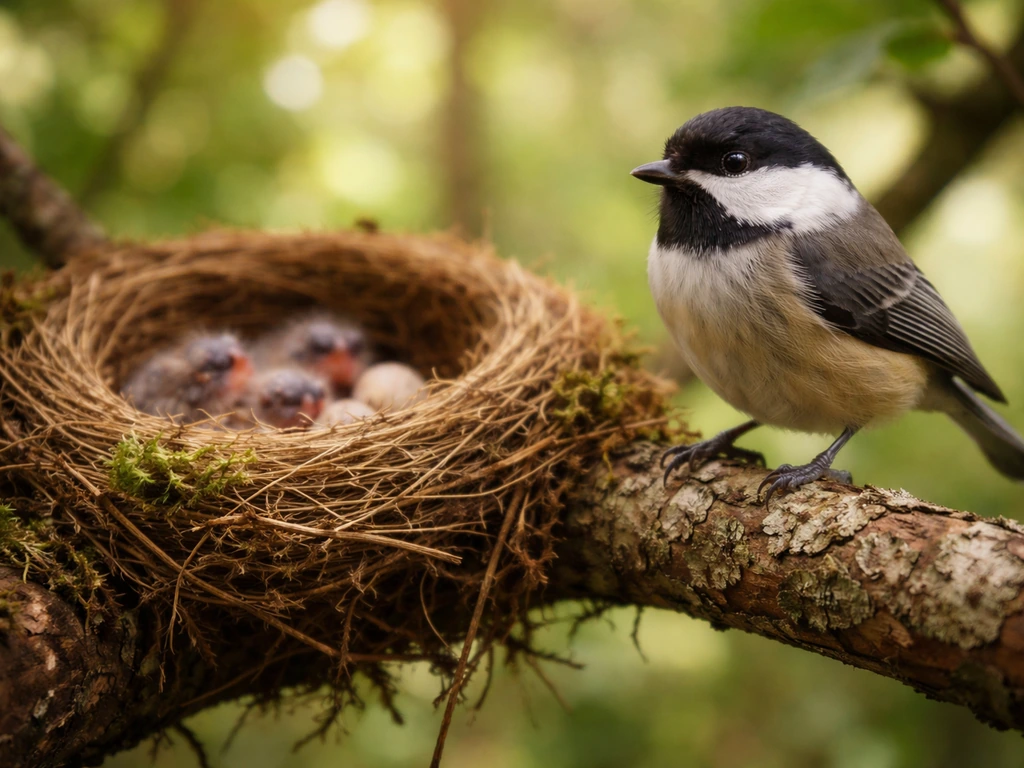
What "bird nesting" means in everyday language
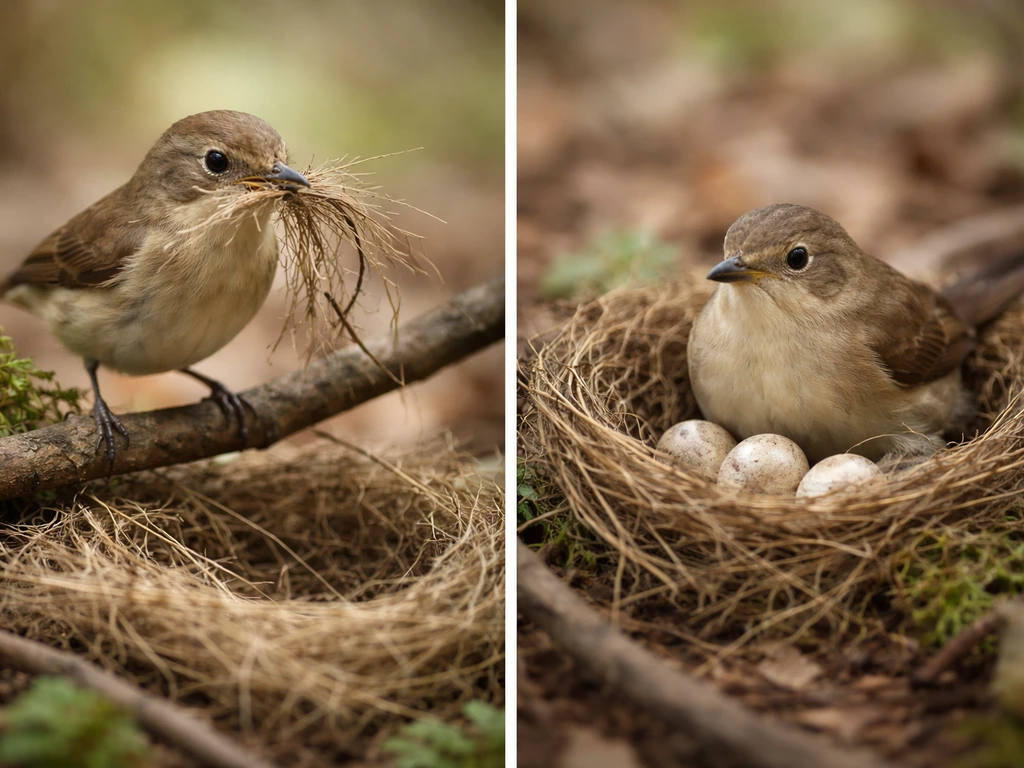
At its most basic, nesting is exactly what it sounds like. Merriam-Webster and Cambridge both define it simply as a bird building a nest or caring for eggs and baby birds in one. That's the core meaning, and it hasn't shifted much over centuries of usage. What has shifted is how broadly the word gets applied outside of birds: people talk about "nesting" when they're setting up a new home, rearranging furniture before a baby arrives, or settling into a new apartment. The metaphor is borrowed directly from birds, and it carries the same emotional weight, comfort-seeking, safety-building, and the instinct to create a stable space.
In the context of this site, "bird nesting meaning" sits right at the intersection of behavioral definition and cultural interpretation. Think of it the same way you'd approach bird molting meaning: the behavior has a specific biological definition, and also carries symbolic weight that people have layered onto it over time. Both are worth understanding separately before blending them together.
What bird nesting actually looks like in nature
The nesting process isn't a single moment; it's a sequence. Cornell's NestWatch breaks it down into distinct stages: building, laying, incubating, nestling, and fledgling. A nest becomes officially "active" the moment the first egg is laid, according to U.S. Fish and Wildlife Service guidelines, and it stays active until fledged young no longer depend on it. That's the full window, and it matters legally as much as biologically.
Timing varies a lot by species. American Robins, one of the most commonly spotted backyard nesters, incubate eggs for 12 to 14 days, and young leave the nest around 13 to 16 days after hatching. Barn Swallows take slightly longer: incubation runs 12 to 17 days, and chicks typically fledge 18 to 23 days after hatching. If you add it all up for swallows, from nest-building start to final departure, you're looking at roughly 7 to 14 days of building, 3 to 6 days of egg-laying, 12 to 16 days of incubation, and another 20 to 25 days before fledging. Expect nesting activity to occupy a location for 6 to 10 weeks total in many common species.
Common nesting locations depend heavily on species. Barn Swallows favor the eaves, rafters, and cross beams of barns, sheds, and stables, as well as the undersides of bridges and culverts. Their nests are constructed from mud pellets mixed with grass, hair, and feathers. Robins often go for dense shrubs, window ledges, or the fork of a tree branch, usually at mid-height. House Sparrows and Starlings, both non-native species in North America, will squeeze into any cavity they can find, including gutters, vents, and roof gaps.
Understanding the full arc of nesting also connects naturally to the broader rhythm of the bird calendar. Nesting follows bird migration explained in the annual cycle: birds arrive, establish territory, breed, nest, and then (in migratory species) depart once young are independent. If you're noticing nesting activity right now in April, you're seeing the height of spring nesting season across much of North America.
Nesting vs. breeding: what's the difference?
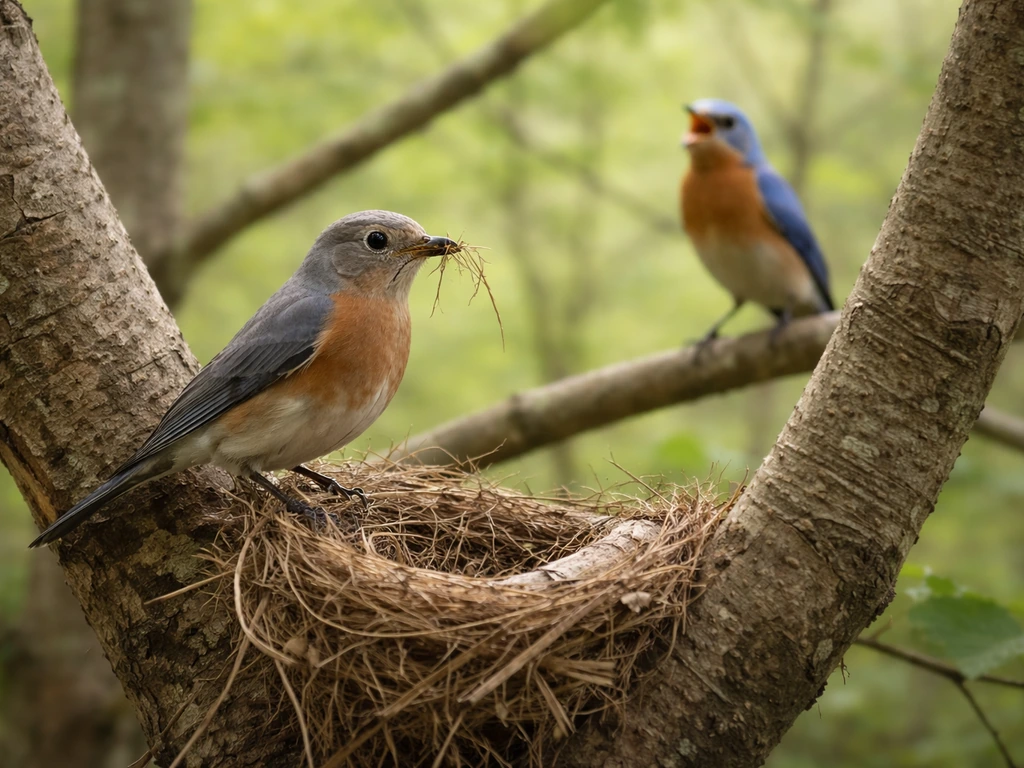
Nesting is the physical act of building and using a nest. Bird breeding meaning is the broader biological process that nesting belongs to, covering courtship, mating, and the full reproductive cycle. You can think of nesting as one chapter inside the larger breeding story. A bird that is actively sitting on eggs is nesting; it arrived at that point through breeding behaviors like pair bonding and territory establishment that came first.
Spiritual and symbolic meanings people attach to nesting birds
Across many cultures and traditions, birds nesting near a home has been read as a positive omen. The recurring themes are consistent enough to be worth taking seriously as a cultural pattern, even if you don't hold any particular spiritual belief. The most common symbolic associations include:
- New beginnings and fresh starts, especially tied to spring nesting season and the arrival of new life
- Protection and safety, because a bird chooses a nesting location it perceives as secure
- Family and bonding, reflected in the shared care most bird parents give to eggs and chicks
- Patience and commitment, since incubation requires weeks of sustained effort from one or both parents
- Settling in and belonging, the idea that nesting near your home signals the space is stable and welcoming
- Prosperity and abundance in some folk traditions, particularly when a nest is found intact with eggs
The "bird chose your home" interpretation is probably the most commonly shared folk reading. The logic is intuitive: birds are vulnerable during nesting, so if one selects your eave or window ledge, it perceived your space as safe. Whether or not you read that spiritually, there's a real behavioral truth underneath it. Birds do assess locations carefully before committing to a nest site.
It's worth separating grounded observation from pure folklore here. The symbolism of nesting connects naturally to what the behavior actually is: a committed, resource-intensive act of home-building. You don't need to stretch far to find meaning in that. Where things get murkier is in specific traditions that assign very precise meanings to which bird species nests where, or what it means if a nest falls. Those interpretations vary widely across cultures and shouldn't be treated as universal. Take them as one layer of meaning, not the whole picture.
Nesting also appears alongside other bird behaviors in symbolic frameworks. Just as bird molt meaning is often linked to themes of transformation and renewal (shedding the old to grow something new), nesting tends to symbolize consolidation and commitment: not leaving, but staying and building something lasting. The two behaviors are seasonal counterparts in many ways.
Idioms and expressions tied to nesting
The nesting concept has generated a handful of expressions in everyday English that are worth knowing, especially for anyone exploring bird-related language. "Feathering your nest" is the most common one: it means accumulating resources or comforts for yourself, sometimes with a self-serving edge to it (think of an executive padding their retirement package). The phrase comes directly from the behavior of birds lining nests with soft material to insulate eggs and chicks.
"Empty nest" is another one almost everyone recognizes: it describes the stage when the last child leaves home, leaving parents in a suddenly quiet house. The emotional weight of the phrase works precisely because the nesting metaphor was so established. "Bird's nest on the ground" is a more regional American expression, documented in dialect records, meaning something is extremely easy to accomplish, an opportunity just sitting there waiting to be taken.
Nesting language also intersects with bird nesting definition in an interesting way: the same term does different work in different contexts. In ornithology it's a precise behavioral term. In real estate it describes a homebuying trend where divorced parents alternate living in the family home rather than uprooting kids. In pregnancy culture it refers to the nesting instinct, the urge to clean and organize before a baby arrives. One word, many rooms.
Other bird behaviors have similarly rich linguistic lives. The way bird mutation meaning carries both a strict genetic definition and a looser cultural sense of unexpected change is a good parallel: the biological term migrates into figurative use over time. Nesting has simply traveled further and faster into everyday speech than most.
Finding birds nesting in or near your home: what it means and what to do
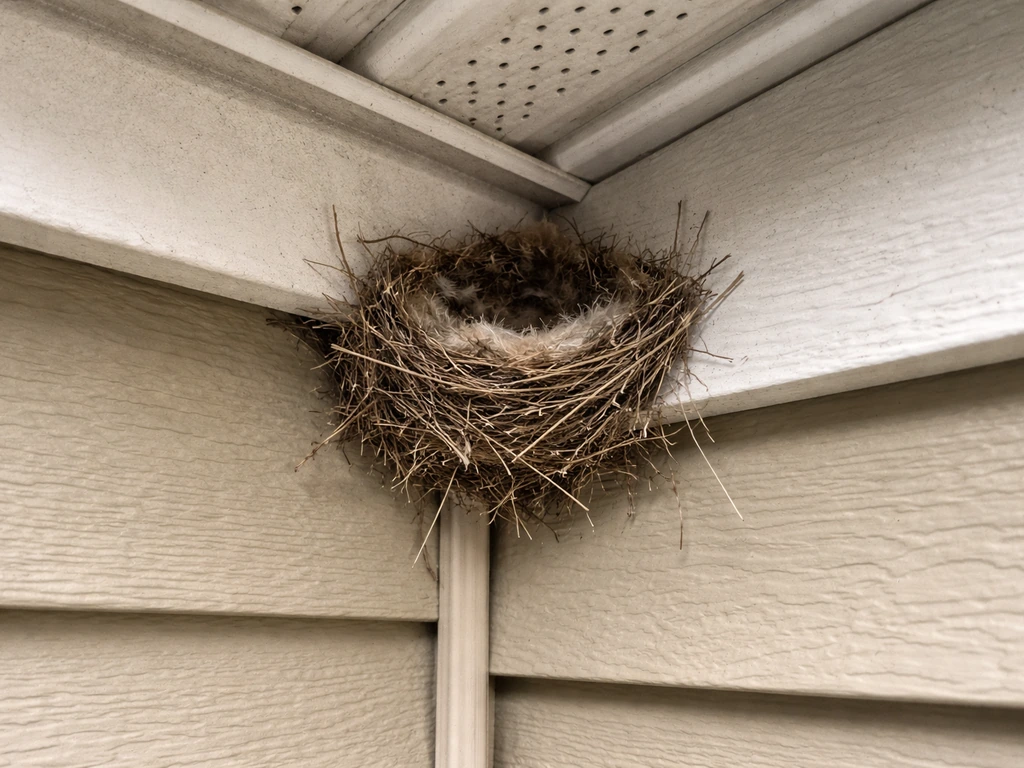
If you've found a nest on your balcony, in your gutter, under your eave, or somewhere inside a structure, the first thing to figure out is whether it's active. An active nest, by the USFWS definition, is one that contains eggs or dependent young. A pile of straw in your gutter with nothing in it is not active. A cup-shaped nest with eggs or a sitting adult is. That distinction matters for both legal and practical reasons.
Is this normal? Reading your situation
| Location | Common nesting species | Concern level | Typical action |
|---|---|---|---|
| Eaves or rafters | Barn Swallow, House Sparrow, Starling | Low (seasonal, self-resolving) | Leave alone during active nesting |
| Gutter or downspout | Starling, House Sparrow | Moderate (blockage risk) | Clear after nest is abandoned |
| Attic or roof gap | Starling, House Sparrow, Pigeon | Higher (structural/health risk) | Consult wildlife service; block entry points after nesting ends |
| Balcony planter or ledge | Mourning Dove, Robin, Pigeon | Low | Observe from a distance; avoid the area |
| Dense shrub or tree | Robin, Song Sparrow, many others | Very low | Leave completely alone |
| Vent or HVAC opening | Starling, House Sparrow | Higher (fire/health risk) | Contact wildlife control; do not seal while active |
Most backyard nesting is completely normal and resolves itself within a matter of weeks. The situations that warrant more attention are ones where nesting is happening inside enclosed structures (attics, vents, chimneys) where droppings, mites, or blockages can create real health or safety problems. Even then, the legal picture affects your options significantly.
The legal side: what you can and can't do
Most songbirds, swallows, and migratory species in North America are federally protected under the Migratory Bird Treaty Act. That means it is generally illegal to remove, possess, destroy, or interfere with active nests, eggs, or chicks without a permit. The U.S. Fish & Wildlife Service notes that it is illegal under the Migratory Bird Treaty Act to destroy a nest that has eggs or chicks in it, or when young birds are still dependent on the nest for survival, unless you have a valid permit. NestWatch puts it plainly: it is illegal in the US and Canada to possess native birds or their nests and eggs except under valid permits. This isn't a technicality buried in fine print; it's actively enforced, and it applies to homeowners, not just developers.
The USFWS does allow some actions when birds are disrupting normal use of a property or creating genuine health and safety risks, but those exceptions require meeting specific criteria and, in most cases, contacting your state wildlife agency or a licensed wildlife control professional. Portland's municipal guidance is a useful model: if you find a nest with eggs or young during construction or tree work, stop the activity immediately and contact a wildlife biologist. The same principle applies to homeowners: when in doubt, stop and ask before you act.
Non-native species like House Sparrows and European Starlings are not protected under the Migratory Bird Treaty Act, which gives you more flexibility with their nests. But even then, confirming the species before taking any action is important. When you're not certain what you're dealing with, treat the nest as protected until you know otherwise.
Should you attract birds to nest near you, or relocate them?
Attracting birds to nest in your yard is straightforward and rewarding: offer appropriate nest boxes for cavity-nesting species like bluebirds, chickadees, and wrens; keep dense shrubs or hedgerows as shelter; and reduce pesticide use so there's enough insect food available during the breeding season. The seasonal timing of nesting also connects to bird migration definition in a practical way: many of the birds you want to attract arrive in spring after migration, so having nest boxes up before late March gives them time to discover and claim the site.
Relocating an active nest is a different story. You generally cannot legally move a nest with eggs or chicks, and attempting to do so often results in nest abandonment. If a nest is in a genuinely problematic location, the most realistic option is to wait out the active nesting period (typically 4 to 8 weeks from egg-laying to fledging, depending on species), then remove the empty nest and block the site before the next season. Prevention is far easier than removal.
Practical steps for right now
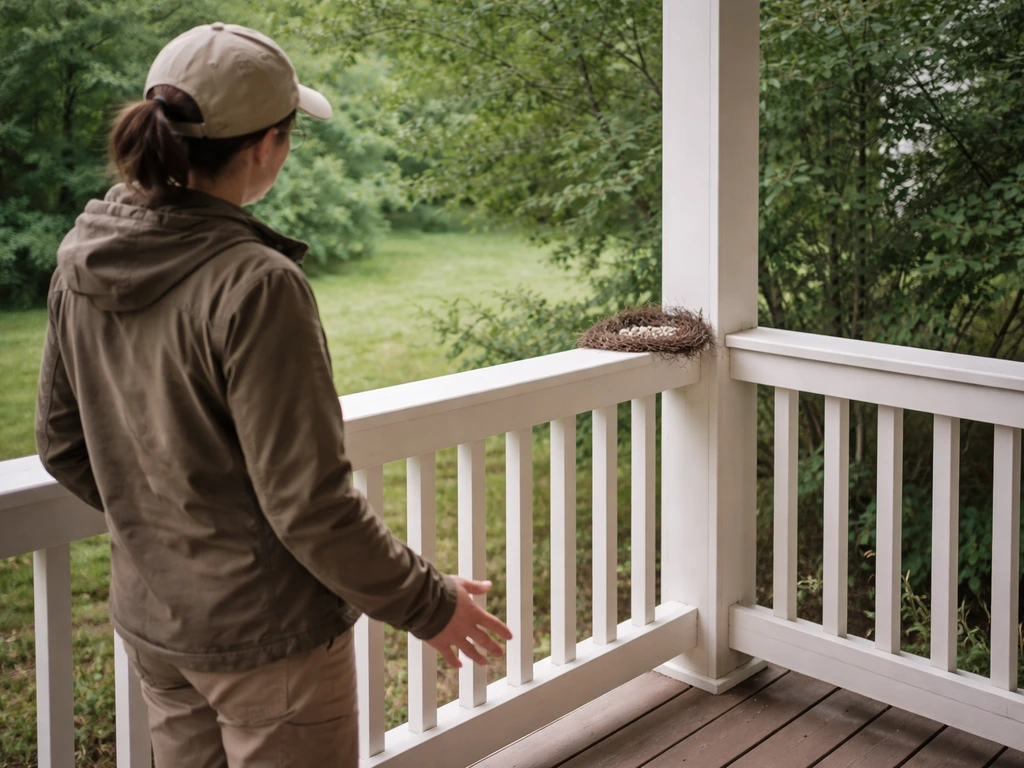
Here's what to actually do today if you've found nesting birds: NestWatch states the only requirement for participants is to find an active bird nest, record breeding activity, and enter data through the NestWatch “My Nests” page.
- Determine if the nest is active: look for eggs, chicks, or a sitting adult before doing anything else.
- Keep your distance: Indiana DNR recommends at least 330 feet when actively observing, and Florida Fish and Wildlife is explicit that you should never intentionally force birds to fly from a nest.
- Do not touch or remove anything: if the nest is active and the species is native or migratory, leave it entirely alone. Handling eggs or chicks, even briefly, can cause abandonment.
- If a bird is sitting on the nest and you approach, back off immediately: NestWatch specifically advises never to force a bird off a nest. If it doesn't leave on its own, give it more space.
- Assess whether the location poses a real risk: a nest on a window ledge is cosmetically inconvenient; a nest in a dryer vent is a fire and health hazard. Only the second category warrants contacting wildlife control.
- If the location is a health or safety risk, contact your state wildlife agency or a licensed wildlife control professional. Do not attempt DIY removal of active nests containing native species.
- Once the nest is abandoned (all young have fledged and the adults have left), remove it and seal entry points or install deterrents to prevent re-nesting in the same spot.
- If you find a sick or injured chick on the ground, contact a local wildlife rehabilitator rather than handling the bird yourself. Indiana DNR advises this approach to avoid inadvertently causing more harm.
One thing that catches people off guard is how fast nesting seasons move. Between building, incubation, and fledging, many species complete the whole cycle in under two months. The behavior you're watching today, whether it's a bird weaving grass into a nest or sitting motionless on a clutch of eggs, connects to the same annual pattern that also involves molting later in summer as adults replace worn feathers after the breeding effort. It's a complete biological calendar, and nesting is one of its most visible chapters.
The bottom line: if you found nesting birds, the most likely interpretation is that everything is exactly as it should be. A bird chose a spot it perceived as safe, it's doing what birds do in April, and it will be done in a matter of weeks. Your job is mostly to leave it alone, watch from a respectful distance if you want to, and plan ahead if the location is one you'll want to manage before next spring.
FAQ
How can I tell if a nest is truly active versus a nest that’s just been built?
Look for indicators of dependence, not just the nest shape. An “active” nest usually has either eggs or an adult incubating, or chicks with open mouths begging. A freshly built nest with no eggs and no adult presence is often just pre-nesting activity, but you should still delay removal until you confirm what species and stage you have.
What if I can’t see eggs or chicks, but I suspect nesting inside an eave or roof space?
Don’t assume “no eggs visible” means it’s safe to remove. Many nests are deeply cupped, covered, or placed under overhangs, so eggs may not be easy to see from the ground. If it’s in an enclosed area (attic, vent, chimney), the safest default is to treat it as active until confirmed.
I found an active nest near a door or walkway, what’s the best way to continue daily life without breaking rules?
If you need to keep using the space, reduce disturbance rather than trying to remove the nest. Keep doors closed, avoid repeated checking, and postpone noisy work nearby until the fledging window ends. If the nest is in a spot that blocks access, contact your state wildlife agency or a licensed wildlife professional, because “practical inconvenience” alone typically does not qualify as an exception.
When is it safe to remove or block a nest site after birds stop showing up?
Time your actions around the end of breeding, then verify emptiness. Many people block or dismantle too early after birds stop visiting, but adults may still be caring for developing young. Wait until there are no eggs and no dependent young for a clear period, and avoid sealing until you are certain the nest is finished.
Does protection depend on the bird species, and how should I handle uncertainty about identification?
Use the species to decide your level of caution. Native songbirds, swallows, and many common yard species are federally protected in the US, so treat any active nest from a native species as protected until you confirm otherwise. For non-native House Sparrows and European Starlings, you may have more flexibility, but you should still verify identification before acting.
If I don’t touch the nest, can trimming or mowing around it still be a problem?
Moving landscaping or changing access can harm nesting even if you never touch the nest. If you prune trees or remove hedges, do it outside the breeding season, and keep heavy equipment or major vibration away from the nest area. Small changes like mowing underneath a nest can also be disruptive, so keep mowing back until fledging is over.
Can I encourage nesting away from problematic areas, like gutters or vents, without causing harm?
Feeding adults or offering “nesting materials” is different from preventing abandonment. Avoid placing loose materials in a way that draws birds closer to your conflict area, such as right over vents or gutters. If you provide nest boxes, mount them correctly, keep predator guards in place, and clean old boxes only after breeding ends.
Do birds come back and nest again in the same spot, and what should I do to prevent repeats?
Some birds reuse sites, and others come back to the general area. If you block a site too late, birds may attempt to renest elsewhere nearby, and if you block too early you can trigger abandonment. Plan for after the nesting attempt is fully complete, then implement prevention measures immediately to avoid a next-round attempt.
What should I do if the nest is in an attic or near droppings that are affecting hygiene or safety?
Yes, if the problem is health or safety, the key is documentation and the right professional. Droppings can carry pathogens, and mites can become an issue in enclosed spaces, so avoid cleanup while birds are dependent. Once nesting is finished, use appropriate PPE and follow local guidance, and for ongoing problems contact a wildlife control professional for the safest approach.
Next Articles

Bird Verb Meaning: Uses, Behaviors, Idioms & Sightings
Discover what 'bird' means as a verb, definitions, behaviors, idioms, sightings, and practical next steps.

Bird Sighting Meaning: How to Interpret What You Saw
Interpret bird sighting meaning with context, behavior, symbolism, and practical steps to identify the species and next
Bird Visit Meaning: Spiritual vs Real-World Reasons
Bird visit meaning explained: spiritual symbolism vs real-world causes like weather, food, nesting, dreams, and safe nex