
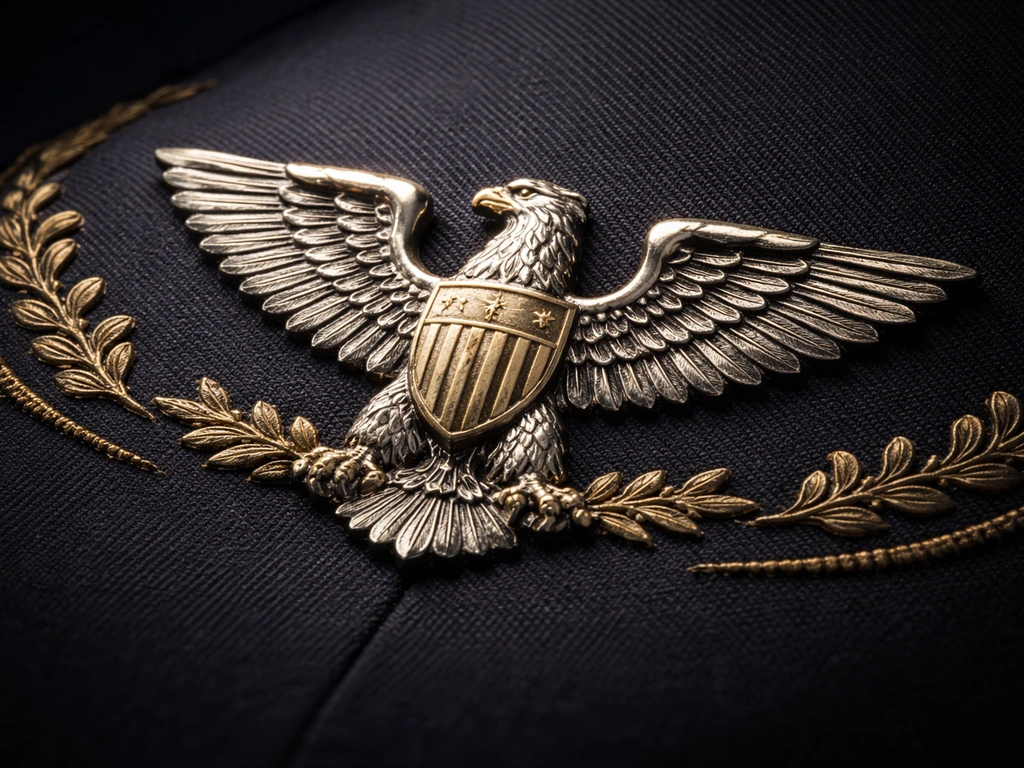
"Bird colonel" is legitimate US military slang for a full colonel, specifically an O-6, whose rank insignia is a silver eagle. That eagle is the "bird" in question. Merriam-Webster traces the first known use to 1945, and it has appeared in Congressional records, military survival guides, film dialogue, and modern Reddit threads ever since. So if you came here wondering whether the phrase is made up or garbled, it isn't. It's a real, documented term with a precise meaning.
Bird colonel meaning: definition, origins, and symbolism

Marcus Holloway
20 Apr 2026
What people usually mean by "bird colonel"
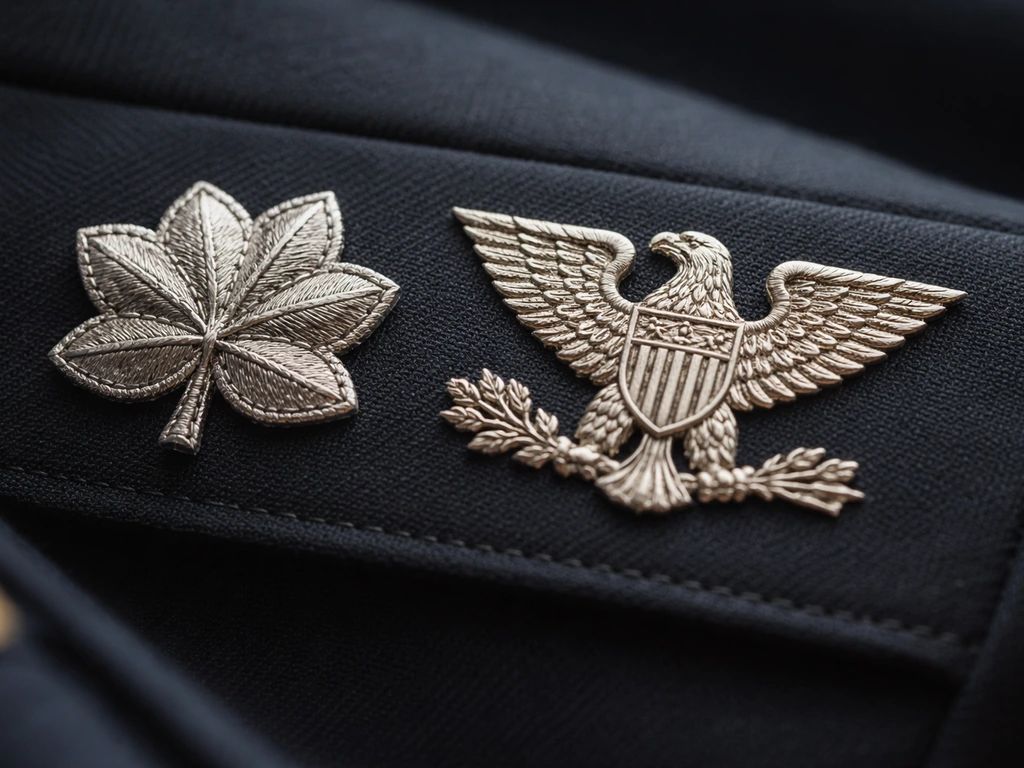
When someone says "bird colonel," they almost always mean a full colonel in the US military, pay grade O-6. The phrase exists because the rank creates a naming problem: both colonels (O-6) and lieutenant colonels (O-5) are addressed as "colonel" in correspondence, which gets confusing fast. Calling the O-6 a "bird colonel" or "full bird colonel" cuts through that ambiguity immediately. The silver eagle on an O-6's collar is unmistakable, so the nickname stuck.
Collins English Dictionary marks it explicitly as US military slang and dates it to the 1945 to 1950 period. An Air Force survival guide defines it plainly: "BIRD COLONEL: A Colonel (O-6) whose insignia is an eagle," contrasting it with the lieutenant colonel (O-5), who wears silver oak leaves. A NASA oral history even uses the phrase to explain cross-service equivalence: "Shepherd got promoted to Navy captain, which is a bird colonel." The meaning is consistent across all of these sources.
You'll also hear "full bird colonel" and "full eagle," which mean the same thing. On the other side of the rank divide, a lieutenant colonel picks up nicknames like "light bird," "light colonel," or "half colonel," all emphasizing that they don't have the full eagle. The slang family is tight and internally logical.
Typo, nickname, or a referenced character? How to tell
Because "bird colonel" is a real phrase, not a typo, your first instinct to look it up was the right call. If you meant “bird abatement meaning” and wondered how that compares to “bird colonel” here, the phrase is still a real, rank-specific slang term rather than a typo. But context still matters for figuring out exactly what you're dealing with. Here are the three situations you're most likely in.
Straight military slang
If you encountered the phrase in a military memoir, a news article about a promotion ceremony, a Reddit thread about defense topics, or a conversation with a veteran, it almost certainly means the rank. In the Congressional Record, the term “full-bird colonel” is used in a military context as a descriptor for the rank, “normally filled by a full-bird colonel.”. No further decoding needed. Air National Guard promotion announcements use "full-bird colonel" as a formal-ish descriptor, and Air Force news items reference the eagle insignia directly when explaining the O-6 milestone.
Film or fictional dialogue
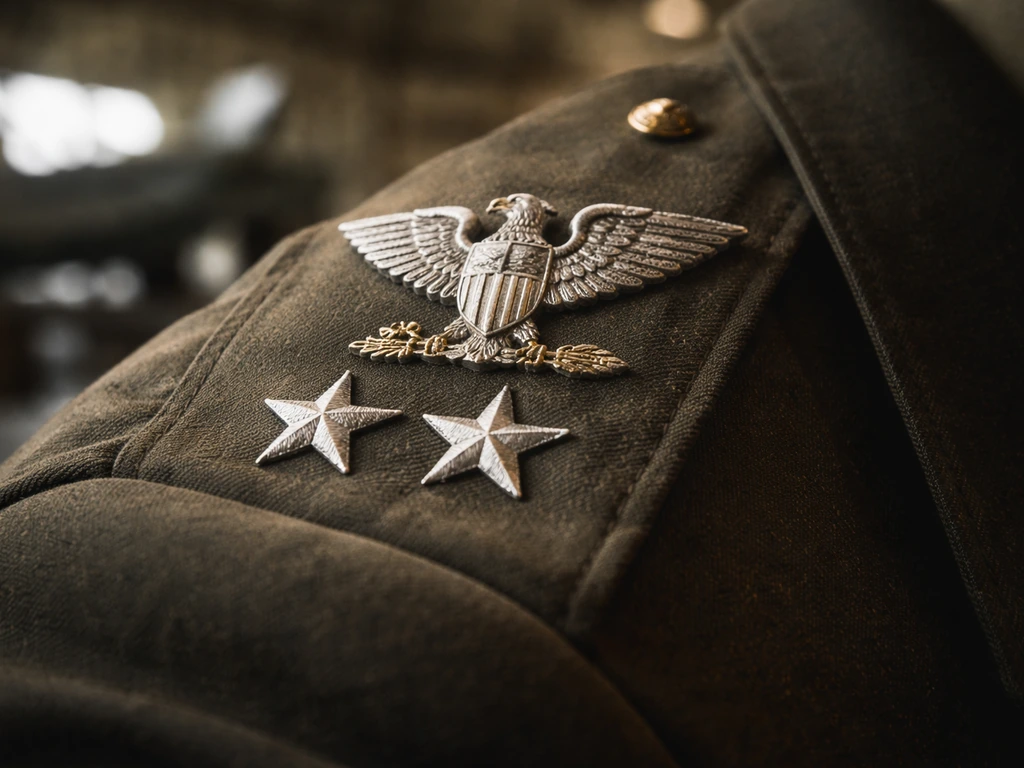
The phrase shows up in movie dialogue too. The 1965 film "Von Ryan's Express" includes the line "Now we got us a bird-colonel," used to identify a character's rank in context. The 1955 film "Strategic Air Command" uses "full bird colonel" to describe an in-story promotion. If you heard or read "bird colonel" in a film, TV show, or novel with a military setting, the meaning is the same rank reference, just delivered in period dialogue.
A person's actual name
There is one curveball. Air University materials include references to a "Colonel Bird," meaning a person whose surname is Bird, holding the rank of colonel. That's a literal combination of a title and a surname, not the slang term at all. If you're reading a biography, an official roster, or an organizational chart and see something like "Colonel Bird," check whether Bird is a last name before assuming it's the rank nickname. The word order is usually the tell: "bird colonel" (modifier + rank) is the slang, while "Colonel Bird" (rank + surname) is the proper name format.
The bird in the phrase: what birds carry in culture and symbolism
Birds carry enormous symbolic weight across cultures, and the choice of an eagle for a colonel's insignia wasn't accidental. Eagles have represented authority, sovereignty, and military power since at least ancient Rome, where the legionary standard was an eagle. In American iconography specifically, the bald eagle signals national power and command. Pinning one on a colonel's collar sends a deliberate message about status and gravity.
That's part of why the slang landed so naturally. Calling someone a "bird colonel" rather than just a "colonel" foregrounds the eagle, the visual symbol of their authority, and the term carries a slightly admiring, slightly awed tone. Compare that to how birds function in other idioms on this site: a "bird-brained" person is foolish, a "bird-dog" is a scout or informant, and predatory birds in folklore often symbolize oversight and control from above. The eagle fits squarely in that last category.
In dream symbolism and spiritual readings, eagles typically represent clarity of vision, leadership, and high-altitude perspective. If you came to this phrase through a dream or a spirituality context rather than a military one, that's worth knowing. An eagle-ranked authority figure in a dream could be interpreted as a symbol of command, protective oversight, or aspirational status, depending on the dream's emotional tone. But that's the symbolic layer. The literal layer is just a rank. In most real-world uses, bird course meaning refers to the bird-colonel rank context rather than a literal bird reference.
What "colonel" adds to the picture
Colonel is a senior field-grade officer rank, sitting above lieutenant colonel and below brigadier general. In practice, a colonel commands a regiment or brigade-sized unit, runs large installations, or holds senior staff positions. They're high enough in the hierarchy to have real authority over hundreds or thousands of people, but they're still operational, still in the field in a meaningful sense, rather than purely administrative like general officers tend to become.
When you combine that authority profile with the eagle imagery, the phrase "bird colonel" carries a specific cultural weight: not the untouchable grandeur of a general, but the commanding, decisive presence of someone who has climbed high and earned their eagle. The Congressional Record has used the phrase in rank-and-insignia discussions, which tells you it has enough official recognition to appear in formal legislative contexts, not just barracks slang. GovInfo’s hosted Congressional Record includes the term “Marine Corps bird colonel,” showing it appears in official legislative-era text The Congressional Record has used the phrase in rank-and-insignia discussions.
It's also worth noting that the nickname "chicken colonel" appears as a synonym in Wiktionary and Congressional sources. "Chicken" and "bird" are used interchangeably here, both pointing to the eagle insignia, though "chicken" has a slightly more irreverent flavor. The meme ecosystem has picked this up too, with templates referencing "a full bird colonel reviewing the troops" in a deadpan-authority format that plays on the visual of the eagle rank.
How to figure out the meaning in your specific situation
If you're still uncertain what someone meant when they used the phrase, here's a practical approach to pin it down fast.
- Check the context first: military memoir, news article, veteran conversation, or fiction with a military setting all point to the rank meaning.
- Look at word order: "bird colonel" is the slang, "Colonel Bird" is a surname combination.
- If it's from a film or show, search the title plus "bird colonel" on IMDB or a fan wiki to find the specific character or scene.
- If it's from a dream or spiritual reading, apply eagle symbolism: authority, vision, high-status oversight.
- If it's internet slang or a meme, search the exact phrase in quotes on Google or Reddit to find the original thread or template.
- If none of those fit, try searching "bird colonel" plus any other words from the same sentence to find the specific source.
The phrase is specific enough that a quoted Google search (using quotation marks around "bird colonel") will almost always surface the exact source you're trying to trace. If you see it in a UFO discussion thread, for example, it's almost certainly someone describing a retired Air Force officer's credentials, as in a Reddit thread about a USAF retiree that uses the phrase exactly that way. The military meaning is by far the most common one in modern online usage.
Quick definitions and example interpretations

| Context | What "bird colonel" means | How to verify |
|---|---|---|
| Military conversation or text | Full colonel, O-6, eagle insignia | Check rank chart; O-6 sits above O-5 lieutenant colonel |
| Military film or TV dialogue | Same rank reference, used for period authenticity | Search title + phrase on IMDB or fan wiki |
| Congressional or official document | Rank-insignia slang, formally recognized | Search document for surrounding rank discussion |
| Online forum or Reddit thread | Usually O-6 rank, describing a veteran or officer | Read surrounding thread for military context |
| Dream or spiritual context | Eagle symbolism: authority, command, oversight | Cross-reference with eagle symbolism in dreams |
| "Colonel Bird" (name format) | A person's surname + rank title, not the slang | Check whether Bird is a proper name in the source |
A few quick examples to make this concrete: "He retired as a bird colonel after 25 years" means he held the O-6 rank when he left service. "Now we got us a bird-colonel" (from a 1965 film) identifies a character's rank in-story. "Promoted to full-bird colonel" in an Air National Guard announcement is a formal usage of the same slang in an official ceremony context. "Shepherd got promoted to Navy captain, which is a bird colonel" explains that a Navy captain (O-6) and an Army or Air Force colonel (O-6) are equivalent grades.
Where this fits in the broader world of bird language
"Bird colonel" is one of those phrases that sits at the intersection of military jargon and the much older human habit of using birds to convey status, power, and character. Birds show up in code names, behavioral descriptions, cultural idioms, and spiritual symbolism because they're everywhere in human life and always have been. The eagle-as-authority pattern in this phrase echoes the same logic that puts eagles on national seals, sends hawks into battle imagery, and reserves the word "predatory" for high-status, aggressive figures across dozens of cultures.
If you're exploring bird-related expressions more broadly, the same site covers things like bird code names used in military and intelligence contexts, bird behavior terms that have migrated into everyday language, and the cultural weight birds carry across different symbolic systems. "Bird colonel" is a tidy example of how a single animal image can attach itself to a human rank and become shorthand that outlasts the era that coined it.
FAQ
If someone says “bird colonel” but I cannot see the insignia, how can I be sure they mean O-6?
“Bird colonel” refers to the specific insignia, so if the person is an O-6 colonel but their unit uses different wear practices, the safest confirmation is their pay grade, not only the nickname. In other words, treat it as O-6 first, then check whether their collar insignia matches the silver eagle explanation.
Are “full bird colonel” and “full eagle” different meanings, or just variations?
In U.S. military pay grades, “full bird colonel,” “full eagle,” and “bird colonel” all point to the same level, an O-6. The “full” part is basically emphasis to distinguish it from the O-5 “lieutenant colonel” nicknames like “light bird” or “half bird,” which lack the eagle.
Does “bird colonel meaning” apply to other countries’ militaries too?
For NATO or other non-U.S. forces, do not assume the nickname maps directly, because the phrase is U.S. slang tied to U.S. insignia and addressing conventions. What may translate is the underlying grade concept (O-6), but the term itself may not be understood outside the U.S. context.
Is it appropriate to use “bird colonel” in official writing, or should I use a formal rank description?
Yes, but the key is to separate slang from official titles. If the text is formal, ceremonial, or written for the public, the person might still write the slang in quotation marks, but they are still describing an O-6 colonel. If you are writing formally yourself, “O-6” or “colonel (O-6)” is the cleanest replacement.
How does “chicken colonel” relate to “bird colonel”?
“Chicken colonel” is an alternate nickname that still refers to the same eagle-based O-6 insignia concept, but it is typically a bit more irreverent. If you are interpreting a serious document, treat it as a synonym for “bird colonel,” then confirm grade where possible.
What should I assume if I see “bird colonel” in a dream or spiritual context?
The phrase can appear in non-military settings, especially in spiritual or dream discussions, where eagles are interpreted as leadership or authority symbols. If the surrounding text does not mention rank, insignia, promotions, or service branches, assume it is symbolic rather than literal O-6 slang.
How can I tell the difference between “bird colonel” slang and “Colonel Bird” as a person’s name?
Be careful with the proper-name curveball, “Colonel Bird,” where Bird is a surname. Word order is the practical tell: slang tends to be modifier-plus-rank (“bird colonel”), while a name tends to follow rank-plus-surname (“Colonel Bird”).
If the phrase shows up near “lieutenant colonel,” what does that imply?
If you see the phrase in reference to a promotion, check whether the writer also mentions O-5 or “lieutenant colonel.” That pairing is often what creates the nickname contrast, for example, “light bird” for O-5 and “bird colonel” for O-6.
Next Article
Bird Verb Meaning: Uses, Behaviors, Idioms & Sightings
Discover what 'bird' means as a verb, definitions, behaviors, idioms, sightings, and practical next steps.