
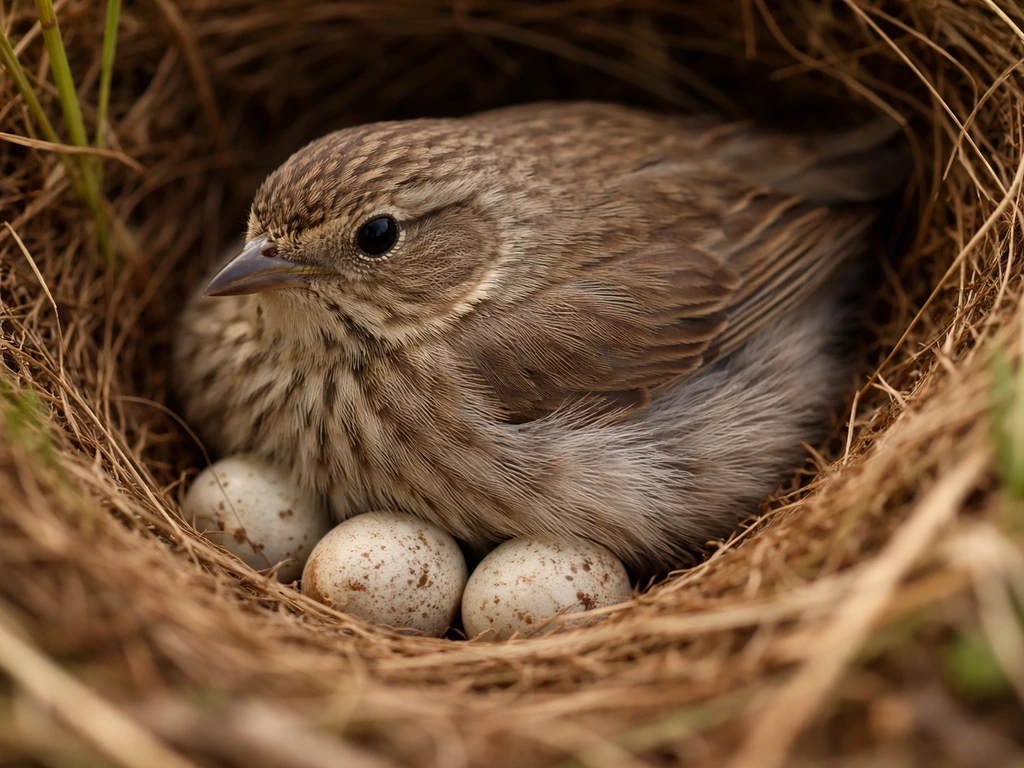
A bird sitting on its eggs is called incubating, and the behavior itself is called incubation. The bird is an incubating parent, and the period it spends warming those eggs is the incubation period. You'll also hear the word brooding used, especially with poultry, and while the two terms overlap, they aren't quite identical. Knowing the difference helps whether you're watching a nest in your backyard, doing a school report, or trying to figure out what to do about the robin that's camped out on your porch.
Bird Sitting on Eggs Is Called Incubating or Brooding

Marcus Holloway
24 May 2026
Incubation, brooding, and nesting: what each word actually means
These three terms get used interchangeably all the time, but in ornithology they each mean something specific. Getting them straight makes everything else easier to understand.
Incubation
Incubation is the egg-warming phase of reproduction. The parent sits on the eggs to maintain the right temperature for the embryo inside to develop. It's essentially precision heat management using the parent's own body. One of the clearest signs that a bird is genuinely incubating is the presence of a brood patch, also called an incubation patch: a featherless, heavily vascularized area of skin on the bird's underside that makes direct warm contact with the eggs. The incubation period spans from the day incubation seriously begins until the eggs hatch, and it varies enormously by species.
Brooding
Brooding technically refers to a behavioral and physiological state in which a bird stops laying eggs and becomes ready to sit on them. In practice, the word is used in two phases: sitting on eggs before they hatch (which overlaps with incubation), and then continuing to keep newly hatched chicks warm by covering them with the body after they hatch.
This second phase, post-hatch brooding, is especially important for altricial chicks, the kind that hatch naked and helpless, like most songbirds. Precocial chicks, like ducklings, hatch downy and mobile and need far less of this prolonged body-contact warming. In everyday poultry keeping, a hen that refuses to leave the nest and is actively sitting on eggs is commonly called a broody hen, which is where most people encounter the word first.
Nesting
Nesting is the broadest of the three terms. It covers the entire reproductive attempt: building the nest, laying eggs, incubating, brooding chicks, feeding them, and eventually watching them fledge. When ornithologists at Cornell Lab's NestWatch program track a "nest attempt," they're counting everything from the first egg to the final outcome. So incubation is one chapter inside the larger nesting story.
| Term | What it covers | When it applies |
|---|---|---|
| Incubation | Warming eggs with body heat to develop embryos | From serious egg-warming until hatching |
| Brooding | Sitting on eggs OR covering hatched chicks with body heat | Before AND after hatching |
| Nesting | The full reproductive attempt from nest-building to fledging | The entire breeding season cycle |
How to tell if a bird is actually incubating right now
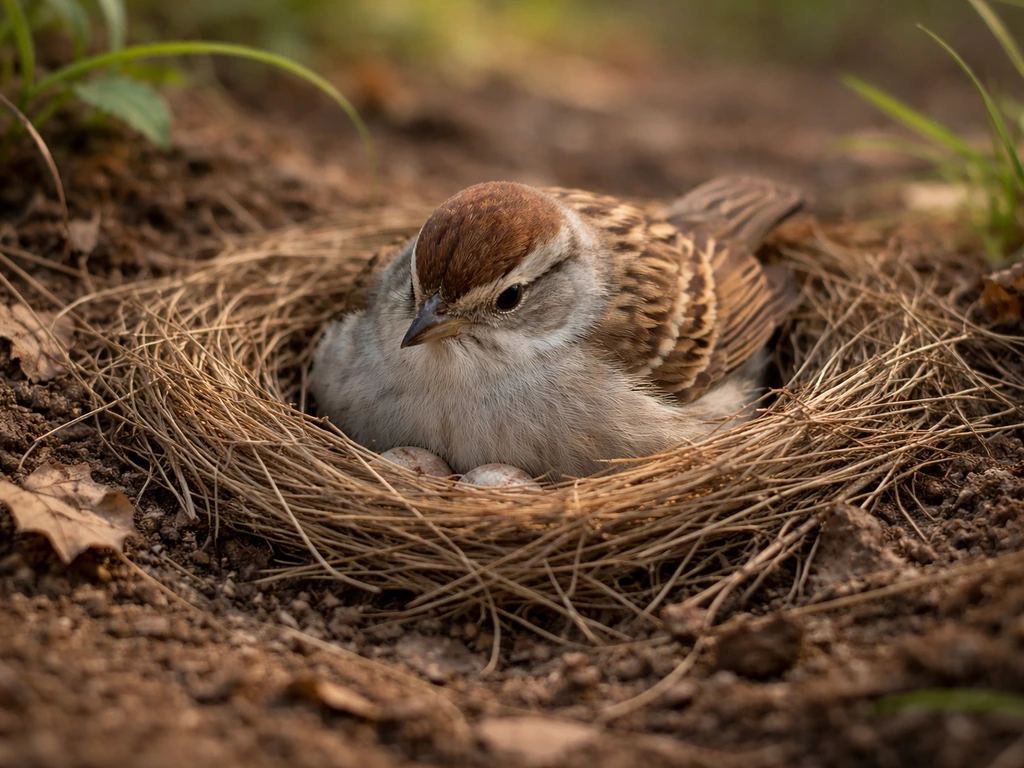
Not every bird you see near a nest is incubating. Birds revisit old nests, perch near them out of habit, and sometimes just happen to be in the vicinity. Here are the practical cues that tell you incubation is genuinely happening.
- The bird is settled low and still, with its body pressed down into the nest rather than perched upright on the rim.
- It stays put even when you approach slowly, or it flushes suddenly and nervously (rather than simply flying off because you startled it while it was perching nearby).
- You can see eggs in the nest if the bird leaves temporarily. Incubating birds do take short breaks called incubation recesses, so a briefly empty nest isn't automatically an abandoned one.
- The same bird, or its partner, returns to exactly the same nest spot repeatedly throughout the day.
- A male of the species may be unusually visible and vocal nearby, singing territorially while the incubating female stays on the eggs.
- The bird may scurry quietly off the nest before flushing, a deliberate behavior designed to avoid drawing attention to the nest location.
One behavior that surprises people: incubating birds aren't glued to the nest 100% of the time. Many species take regular short breaks to feed, drink, and stretch. If you see an empty nest with eggs and no parent in sight, wait and watch from a distance before concluding anything. The parent almost certainly knows exactly where those eggs are.
How long birds stay on eggs and what comes next
Incubation length varies wildly across species. Small songbirds like sparrows and warblers typically incubate for around 11 to 14 days. Larger birds take much longer: albatrosses and some other seabirds can sit on a single egg for up to 80 days. The general rule is that bigger birds have longer incubation periods, and birds whose chicks hatch more developed (precocial) also tend to have longer incubation periods than birds whose chicks hatch helpless (altricial).
Once the eggs hatch, what happens next depends entirely on the species. Altricial chicks, think robins, sparrows, and most backyard songbirds, hatch blind, nearly featherless, and completely dependent. The parent continues brooding them for warmth while also making constant feeding trips. These chicks typically fledge within two to three weeks of hatching. Precocial chicks like ducklings and killdeer chicks can walk and forage within hours or days of hatching and often leave the nest site quickly, though they still follow a parent for protection. Precocial chicks like ducklings and killdeer chicks can walk and forage within hours or days of hatching and often leave the nest site quickly, though they still follow a parent for protection.
Egg turning is also part of the incubation process that most people don't realize is happening. Parents rotate the eggs regularly, especially early in incubation, to ensure even development. Research using data loggers in Scarlet Macaw eggs has confirmed just how deliberate and varied this behavior is across species.
Found a nest today? Here's what to actually do
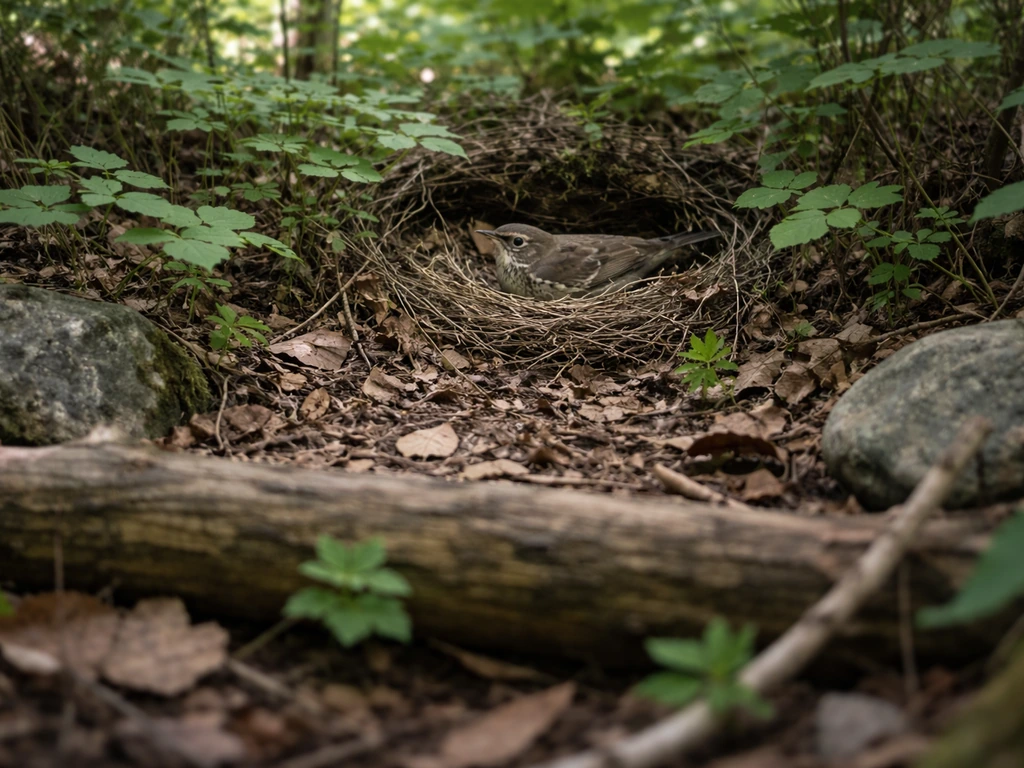
The most important thing you can do when you find an active nest with a bird incubating is very little. Seriously. Interference, even well-meaning interference, is the most common cause of nest failure when humans get involved.
If the nest is undisturbed and the bird looks healthy
- Observe from a distance. Ten to fifteen feet is usually enough to watch without stressing the bird.
- Keep pets and children away from the immediate area during the incubation period.
- Avoid trimming nearby vegetation or doing loud yard work right next to the nest if you can help it.
- Don't repeatedly check on the nest. Every approach is a stress event for the incubating bird.
- If the nest is in an awkward spot like a hanging plant you need to water, limit visits to once a day maximum and move quickly.
If the parent seems to have disappeared
Don't panic immediately. Wait and watch for at least a few hours before concluding abandonment. Incubating birds take recesses. A nest that looks empty in the morning may have a parent quietly sitting on it by afternoon. If 24 to 48 hours pass with no adult returning and the eggs are cold to the touch, that's a more serious sign of abandonment.
When to actually call for help
Contact a licensed wildlife rehabilitator if the incubating bird appears sick or injured, if the nest has been physically destroyed and eggs are exposed to cold or predators, or if you have confirmed abandonment after extended monitoring. In the U.S., the Migratory Bird Treaty Act makes it illegal to disturb, destroy, or possess the nests or eggs of migratory birds while they are in use, so the legal and ethical answer is almost always the same: leave it alone unless there's a real emergency. Your local animal control office or state wildlife agency can connect you with a licensed rehabilitator in your area.
What a bird on eggs means in dreams, symbolism, and folklore

Beyond the biology, a bird sitting on eggs carries a rich load of symbolic meaning across cultures, and that's genuinely part of why the image resonates so strongly. People don't just find incubating birds interesting; they find them meaningful.
Spiritual and dream symbolism
In dream interpretation traditions, bird eggs consistently appear as symbols of potential, new beginnings, and things not yet fully formed. A bird actively sitting on eggs deepens that symbolism by adding patience, protection, and the deliberate nurturing of something fragile. If you've dreamed of a bird incubating eggs, many spiritual frameworks read it as a sign of creative work in progress, something you're investing in that hasn't yet hatched. The imagery of warmth being applied to hidden potential is almost universally positive in these traditions, linked to themes of spiritual reawakening and the cycle of life. That said, take dream dictionaries with appropriate skepticism: they reflect cultural patterns in human meaning-making, not prophecy.
Folklore and cultural associations
In European folklore, the image of sitting on eggs was sometimes used as a metaphor for patient but misguided waiting, illustrated by the old Flemish idiom "Hier broet de sot de eyeren" (roughly, "Here is a fool sitting on the eggs"), which was used to poke fun at someone wasting time or energy on a fruitless endeavor. That's the darker edge of the symbolism: incubation requires commitment and stillness, and in folklore, excessive stillness or blind devotion could be mocked as foolishness. The image cuts both ways.
More broadly, the brooding bird appears as a metaphor for care, protection, and fierce maternal instinct across many cultures. The word "brooding" itself has passed into everyday English to describe deep, protective thought or anxious preoccupation, which is a direct linguistic inheritance from watching birds hunched over their eggs. It's a good example of how bird behavior has shaped human language in ways most people don't even notice.
If you're drawn to the wider world of bird encounter meanings, this kind of grounded-in-nature symbolism connects naturally to how people interpret other unexpected bird appearances: a bird landing near you unexpectedly, or perching on something personal. Some dream and symbolism guides also connect this bird-before-land idea to the meaning of anticipation and the moment just before a new phase begins bird before land meaning.
A bird landing on you can also be read as an omen or message, depending on the tradition, so it helps to know what the phrase means to you bird landing on you meaning. In the same way, people often ask about the bird landing on a car meaning and what it might symbolize. The incubating bird, though, carries its own distinct weight because it's not visiting or passing through.
In the same way, the phrase "bird in the bush meaning" is often used to ask what that expression is getting at. The phrase bird lands on car meaning is often treated as a superstition about timing, luck, or a message. It's committed, protecting something hidden, and waiting.
The quick summary if you just need the word
A bird sitting on eggs is incubating. The behavior is called incubation. Brooding overlaps with incubation but also covers warming chicks after they hatch. Nesting is the whole reproductive process from start to finish.
If you found a real nest today, the best move is to observe quietly from a distance, keep disturbances minimal, and contact a wildlife rehabilitator only if something has actually gone wrong. And if the image of a patient bird on a nest means something more to you than biology, you're in good company: that image has been carrying human meaning for as long as people have been watching birds.
The “bird in the bush” meaning can also come up in casual conversation when people describe watchful waiting bird in the bush meaning.
FAQ
Is “brooding” the same as “incubating,” or can a bird be brooding without being incubating?
A bird can be brooding without incubating if the eggs have already hatched and the parent is warming and protecting the chicks. Incubation refers specifically to warming eggs so embryos develop, while brooding can extend into the post-hatch chick-warming stage.
How can I tell if it’s an actual active nest versus a bird just hanging around the area?
Look for a reliable pattern: a parent regularly returns and leaves for short recesses, and eggs show no signs of being abandoned (for example, you do not see repeated long periods with no adult return). Also, the presence of an incubation brood patch on the underside is a strong biological clue, though it can be hard to observe directly.
What should I do if the nest seems abandoned, but I’m not sure for how long it’s been empty?
Don’t decide immediately. Monitor from a distance for 24 to 48 hours, ideally at different times of day. If there’s no adult return and the eggs are cold to the touch, the situation is more likely abandonment, and you should escalate to a licensed rehabilitator.
Should I move fallen eggs back into the nest if I find them on the ground?
Generally, no. Handling nests and eggs can cause additional abandonment or legal trouble for migratory species. If eggs are exposed to cold, predators, or damage, contact a wildlife rehabilitator for guidance rather than relocating anything yourself.
Is it normal for an incubating bird to leave the nest for food and still be “fine”?
Yes. Many species take planned short breaks to feed, drink, and stretch. A nest can look temporarily empty without meaning the parent is gone forever, so extended and repeated absence is the more meaningful warning sign than a single gap.
What if the incubating bird fluffs up its feathers or looks uncomfortable when I’m nearby?
Some responding is normal, but repeated aggressive defense, frantic behavior, or visible injury or illness signals a possible emergency. If you suspect the bird is hurt, the nest was disturbed, or the parent cannot maintain incubation reliably, contact a licensed wildlife rehabilitator.
How long can I wait before concluding something is wrong with the nest?
It depends on species and timing, but a practical rule is to wait at least a few hours first, then use a 24 to 48 hour window for a more confident assessment. If eggs are cold after that monitoring and no adult returns, that’s a stronger indicator of a problem.
Do precocial and altricial birds incubate in the same way?
They overlap, but the post-hatch care differs. Precocial chicks typically leave the nest site quickly after hatching and need less continuous belly-to-chick warmth, while altricial chicks are more helpless and require longer brooding and frequent feeding trips.
If I hear birds chirping near a nest but never see an incubating adult, what could that mean?
It can mean the adult is taking recesses away from view, or that one parent is incubating while another handles nearby calls or defense. You may also be observing a different activity near the nest (for example, foraging or territorial behavior), so confirm with longer, distance-based observation before assuming abandonment.
Are there legal or safety considerations beyond wildlife rehab contact when I discover a nest?
Yes. In many places, including the U.S., it can be illegal to disturb, destroy, or possess nests or eggs of migratory birds while they are in use. Even if you mean well, keep your distance, avoid clearing vegetation directly around the nest, and call local animal control or a state wildlife agency if you are unsure.
Next Articles
Bird Landing on You Meaning: Practical and Spiritual What To Do
Bird lands on you meaning: practical safety and cleaning steps plus folklore and spiritual interpretations by location.
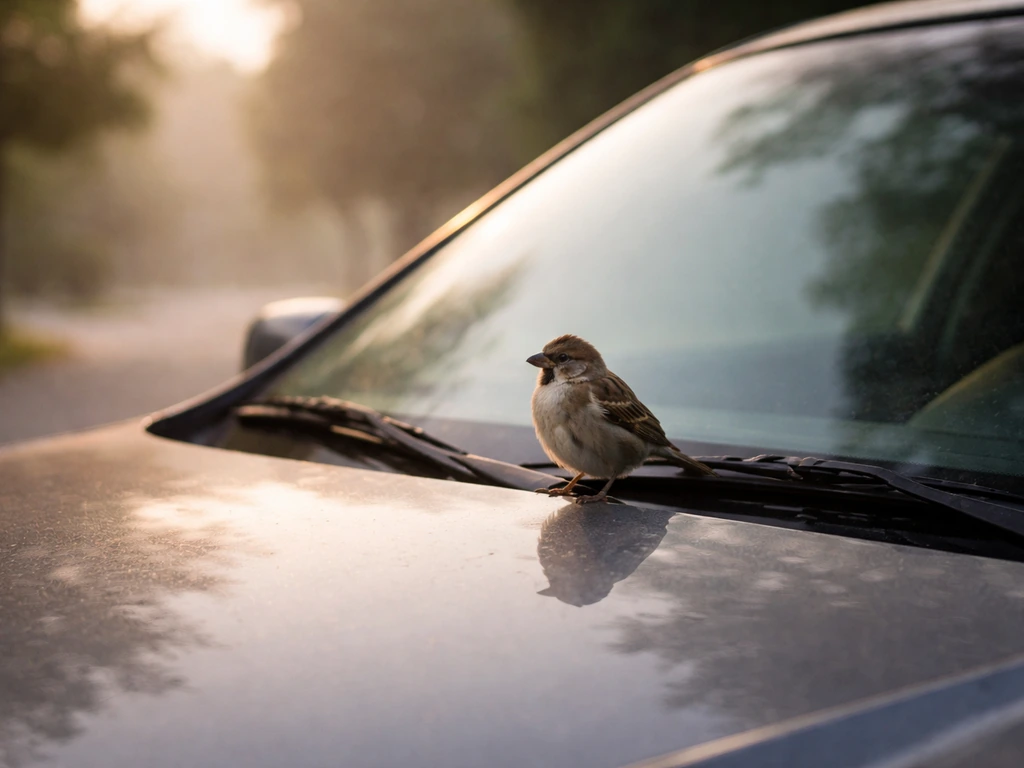
Bird Lands on Car Meaning: Practical Causes and Symbolic Interpretations
Understand why a bird lands on your car and what it symbolizes, plus safe steps to check droppings or damage.

Bird Verb Meaning: Uses, Behaviors, Idioms & Sightings
Discover what 'bird' means as a verb, definitions, behaviors, idioms, sightings, and practical next steps.