
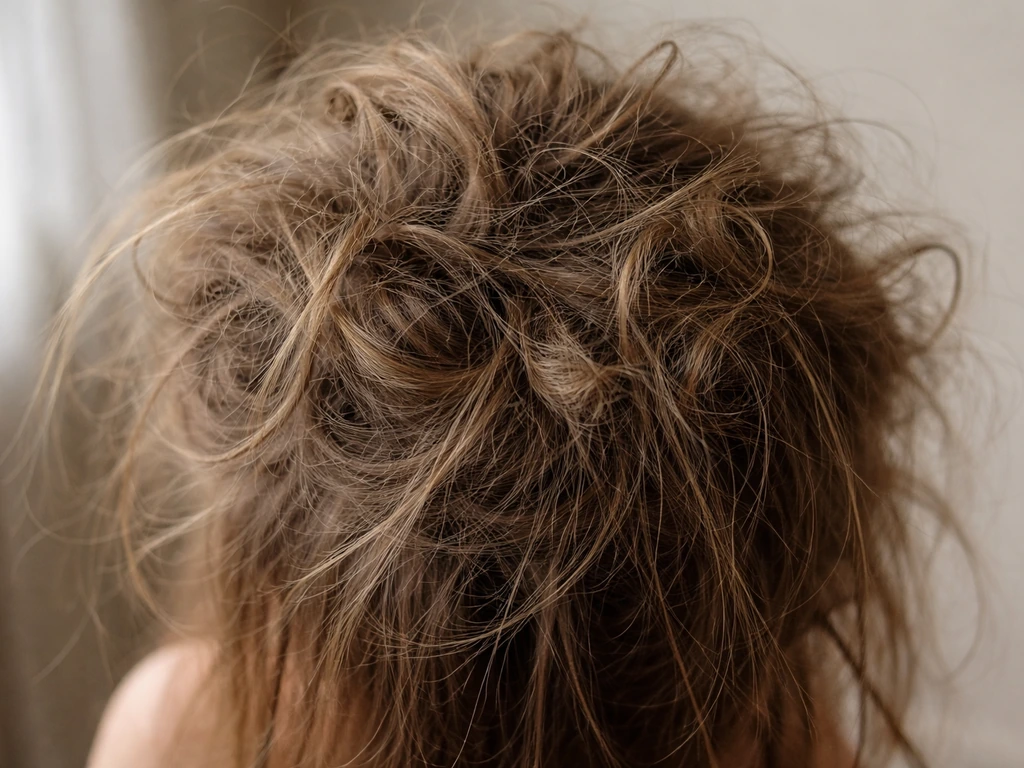
"Bird nest hair" means exactly what it sounds like: hair that is tangled, matted, puffed out, or knotted into a chaotic mass that vaguely resembles a bird's nest. Merriam-Webster actually lists "a mass of tangled hair" as an informal definition of bird's nest, so it's a real, recognized idiom, not just a dramatic complaint. If you've woken up with hair that looks like something a robin might lay eggs in, you already know the feeling. The good news is that in most cases, it's fixable today with the right detangling approach, and very preventable going forward.
Bird Nest Hair Meaning: Causes, Fixes, and Symbolic Uses

Marcus Holloway
6 May 2026
What people usually mean by "bird nest hair"
When someone describes their hair as a bird's nest, they're usually pointing to one of a few overlapping problems: severe tangling where strands have looped and knotted around each other, extreme frizz that makes the hair expand into a puffy cloud, or a combination of both. Reverso's English dictionary describes it directly as "informal messy, tangled hair resembling a nest," which lines up with how most people actually use the phrase in daily conversation.
There is also a clinical version worth knowing about. In dermatology and trichology, the term "bird's nest hair" is used as a colloquial name for plica neuropathica (also called felted hair or plica polonica), a condition where hair becomes severely matted and intertwined in localized patches, often requiring the mat to be cut out entirely. In dermatology and trichology, plica neuropathica is also known by names including “bird’s nest hair,” “felted hair,” and “plica polonica.” “bird’s nest hair” and plica polonica. This is far less common than the everyday use of the phrase, but if you're finding genuinely matted clumps that won't detangle no matter what you do, that distinction matters. More on that in the red-flag section below.
Why it happens: the real causes behind tangled, frizzy hair
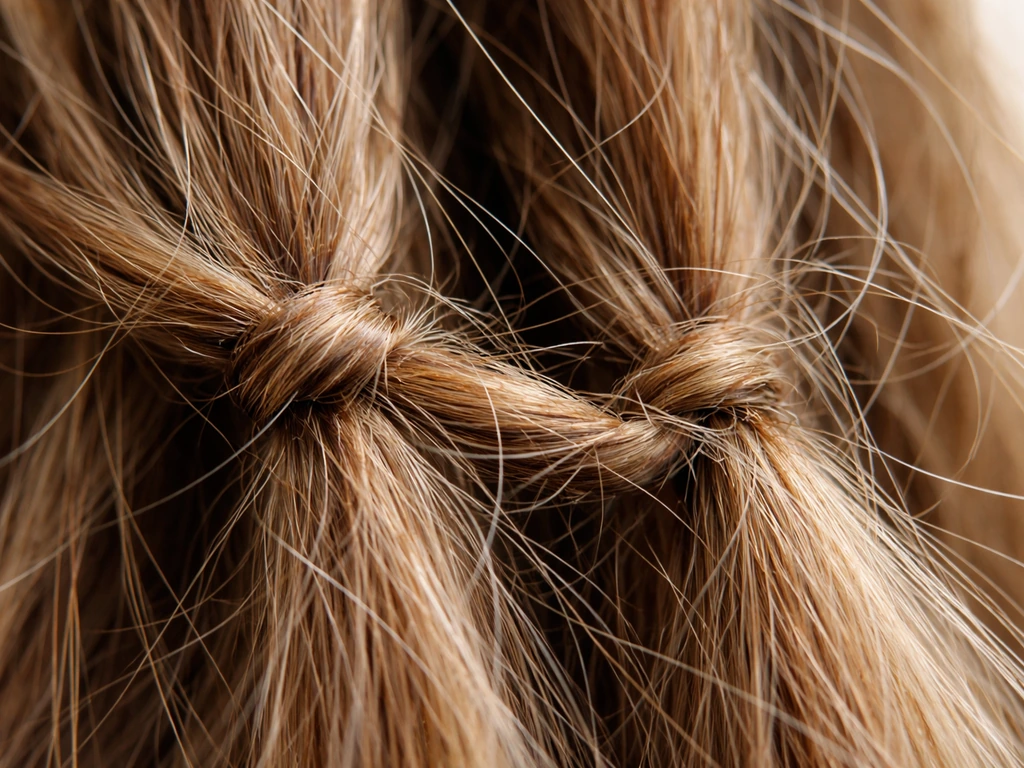
Bird nest hair is almost always a friction and moisture problem. Hair strands have a cuticle layer on the outside, and when those cuticle scales lift or roughen, they catch on each other. The more they catch, the more tangles form. Several everyday factors drive this.
Dryness and lack of conditioning
Dry hair has rougher, more lifted cuticles that create more inter-fiber friction. Research published in hair-cosmetics science reviews confirms that conditioners work by depositing a layer that flattens cuticle scales and reduces the friction between strands, which directly lowers the force needed to comb through hair and cuts down on tangling. Skipping conditioner, or using it incorrectly (concentrating it at the scalp rather than the lengths and ends), leaves hair far more vulnerable to knotting.
Humidity swings and static
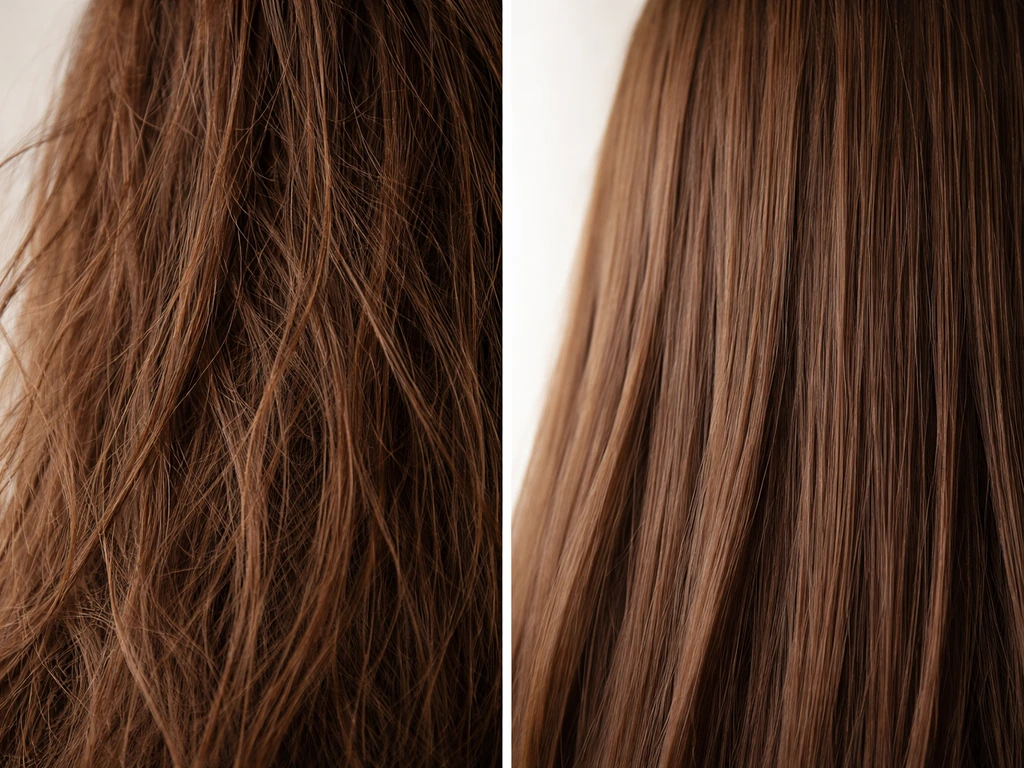
High humidity causes frizz by driving water into the hair shaft, which causes swelling and cuticle lifting. Low humidity does the opposite kind of damage: dry air strips moisture, and hair that lacks moisture is much more susceptible to holding an electrical charge, which causes static-driven flyaways and that halo of frizz that seems to defy gravity. Both ends of the humidity spectrum can produce a bird's nest result, just through different mechanisms.
Sleep position and pillowcase material
A lot of bird nest hair is created overnight. Tossing and turning on a rough cotton pillowcase creates friction that roughs up the cuticle and physically knots strands together. If you consistently wake up with a tangled mess, your sleeping surface is likely a major contributor.
How you wash and handle your hair
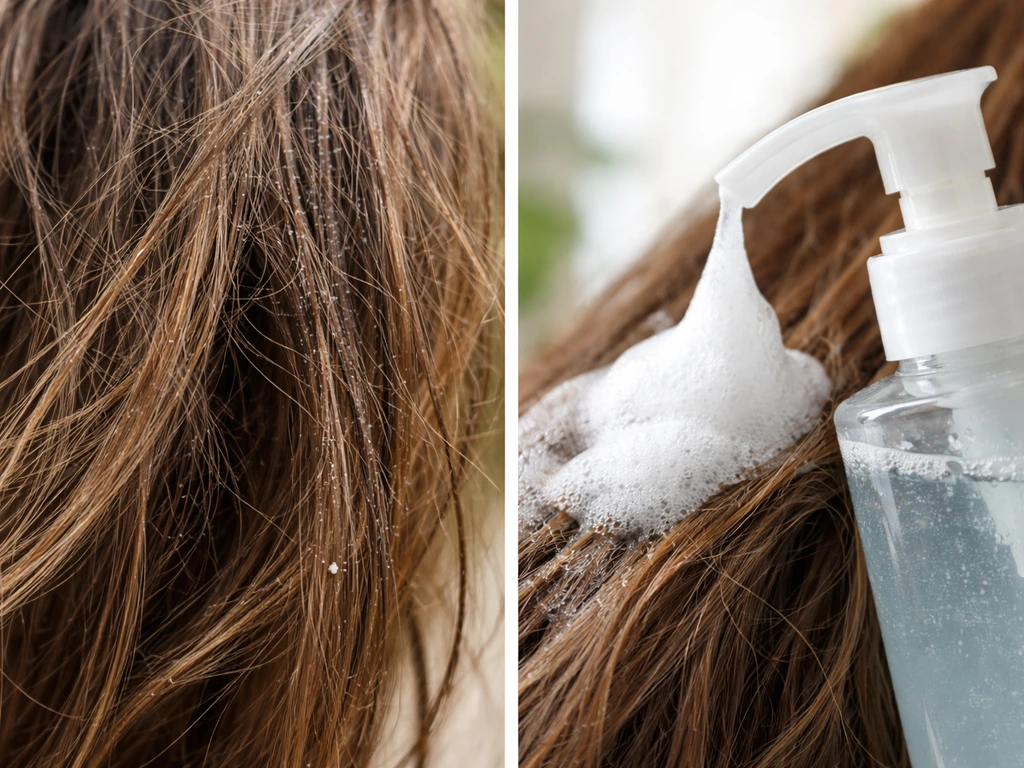
The technique you use to shampoo actually matters. Applying shampoo by piling hair on top of your head and scrubbing vigorously increases friction between strands and contributes directly to tangling, according to hair-cosmetics research. Rough towel-drying has the same effect. And brushing dry hair, especially curly or wavy hair, is a classic way to turn mild frizz into a full bird's nest.
Product buildup
Accumulated styling products and hard-water mineral deposits can coat the hair shaft, make strands stiff and sticky, and cause them to clump and tangle in ways that normal washing doesn't fix. This is a frequently overlooked cause, especially if you use dry shampoo, heavy creams, or live in an area with hard water.
Quick fixes to reset your hair today
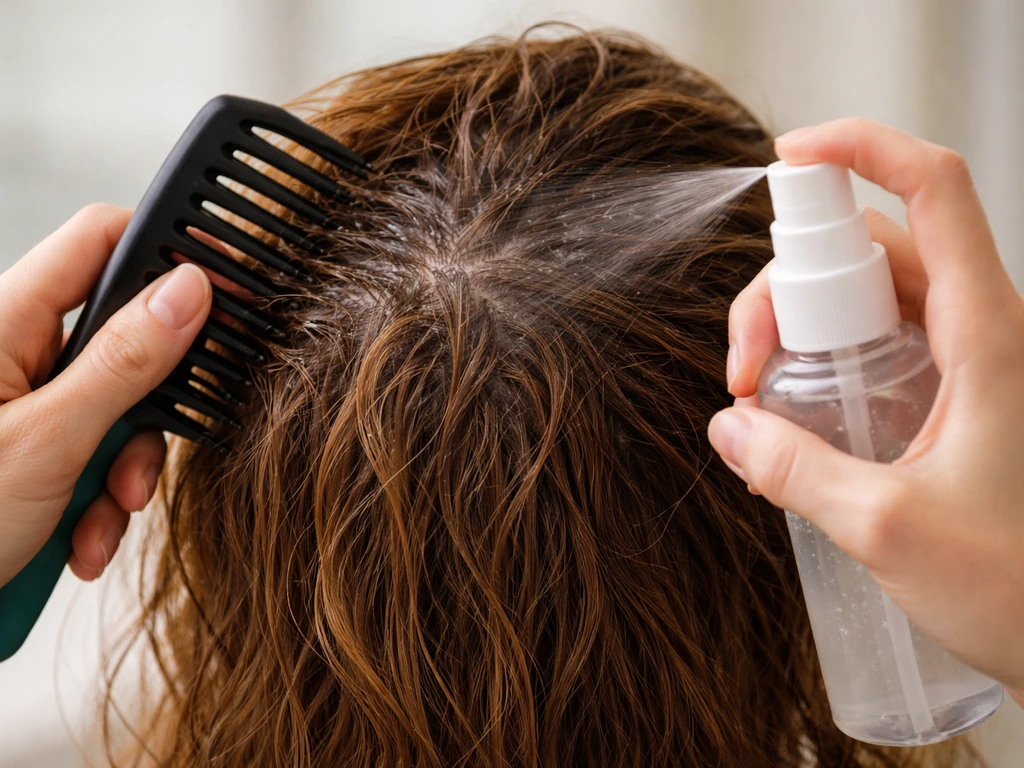
If you're dealing with bird nest hair right now, the priority is to detangle without causing breakage. Rushing through a tangle with a brush will make things worse. Here's the order of operations that causes the least damage.
- Apply a slip product first. A leave-in conditioner spray, detangling spray, or even plain water misted onto the hair before you touch it gives strands slip and reduces the friction that causes breakage. Work it from mid-lengths to ends.
- Finger-detangle before you reach for any tool. Use your fingers to gently separate large knots from the ends upward. This lets you feel what you're pulling on and avoid snapping strands.
- Use a wide-tooth comb or a detangling brush, starting at the ends and working up in sections toward the root. Never drag from root to tip through a knot.
- For static-heavy flyaways in dry conditions, lightly run a dryer sheet over the hair (sounds odd but works), or smooth a tiny amount of a humidity-sealing serum over the surface. A light hold anti-humidity spray also helps in high-humidity conditions.
- If the hair is also visually puffy but not severely knotted, a smoothing serum or cream applied to damp hair and then either diffused or air-dried can reset the look without heat damage.
- If you need a fast solution with no wash, a low ponytail, braid, or bun hides the worst of the nest while protecting the hair from further tangling while you figure out a longer-term plan.
One thing to avoid: don't apply heavy heat (like a flat iron) directly to severely tangled dry hair hoping it will smooth things out. It can fuse knots and cause serious breakage. Always detangle first.
Preventing bird nest hair for good
Most chronic bird nest hair problems are preventable with a few consistent habits. None of these require expensive products or complicated routines.
Conditioning strategy
Conditioner is your most important tool. Apply it from mid-lengths to ends every time you wash, let it sit for a minute or two, and rinse. For very dry or curly hair, a leave-in conditioner applied after washing adds an ongoing layer of protection. The American Academy of Dermatology recommends applying spray leave-in from mid-lengths to ends and working it through with your hands for even coverage. The science backs this up: conditioner works by flattening cuticle scales and reducing inter-fiber friction, which is the root cause of most tangling.
Wash technique
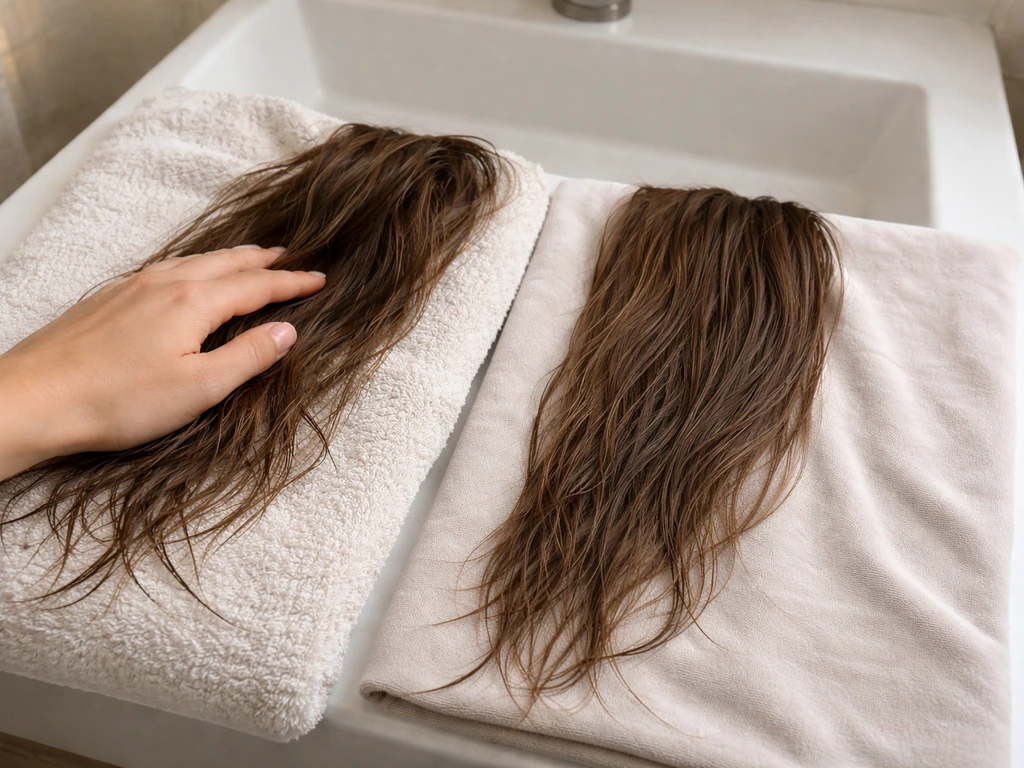
Instead of piling hair on your head and scrubbing, apply shampoo gently to the scalp and let it run down the lengths as you rinse. This dramatically reduces the friction-driven tangling that happens during washing. Follow immediately with conditioner.
Towel and drying method
Swap your regular towel for a microfiber towel or an old cotton t-shirt. Regular terry cloth towels have a rough texture that roughs up the cuticle and creates frizz. Microfiber absorbs water faster and with far less friction. Squeeze and press, don't rub.
Detangling habits
The AAD advises detangling curly and textured hair when it's damp, not dry, to prevent breakage and frizz. This applies to most hair types when tangles are a consistent problem. Detangle before bed if possible, not just in the morning when you're rushing and more likely to be rough about it.
Your pillowcase matters
Switching to a satin or silk pillowcase is one of the highest-impact, lowest-effort changes you can make. Healthline and Consumer Reports both point to satin pillowcases as a practical way to reduce overnight friction, broken hairs, and morning frizz. A satin sleep bonnet or scrunchie-tied loose braid accomplishes the same thing if you don't want to change your pillowcase.
Humidity-aware product choices
In high-humidity weather, use anti-humidity serums or creams that seal the cuticle against moisture uptake. In dry, low-humidity conditions (like winter indoors with heating running), focus on added moisture and anti-static products. Your product choices in January should be different from your choices in July if you live somewhere with seasonal humidity swings.
Clarify regularly to clear buildup
If your hair feels stiff, coated, or tangles even when you're conditioning regularly, a clarifying shampoo used every two to four weeks can strip accumulated product and hard-water mineral buildup that normal shampoo misses. Healthline describes clarifying shampoos as specifically designed for this kind of deep cleaning. Don't overdo them since they can be drying, but used occasionally, they reset the hair's surface and make conditioning more effective.
When bird nest hair might be a warning sign
Most of the time, bird nest hair is a styling and care issue. But sometimes the look points to something that needs more attention than a leave-in conditioner.
- Severe, localized matting that won't detangle: This is the clinical picture of plica neuropathica (felted hair or "bird's nest hair" in dermatology). In serious cases, the only solution is cutting the mat out. If you have a patch of hair that has literally knotted itself into a solid clump with no obvious cause, a dermatologist or trichologist should take a look.
- Lots of short, broken pieces throughout the hair: If you're seeing many short hairs that aren't new growth, you're experiencing breakage, not just dryness. Chronic breakage can be caused by over-processing, rough handling, protein-moisture imbalance, or medical factors.
- Increased shedding: The Mayo Clinic flags more-than-usual shedding during combing or washing as a reason to see a doctor. Hair loss has many causes, and catching it early makes a difference.
- Scalp flaking, itching, or irritation alongside the tangling: Seborrheic dermatitis (dandruff) can involve white or yellow flaking and scalp inflammation. The Cleveland Clinic notes that scratching from dermatitis can lead to some hair shedding in affected areas. If your scalp is uncomfortable alongside the hair issues, treat the scalp, not just the strands.
- Patchy bald spots: If you're noticing uneven patches of thinning or missing hair, this is a different category of concern that warrants a medical conversation, especially if you've noticed any compulsive hair-touching or pulling habits.
The practical rule: if a solid conditioning and gentle-detangling routine doesn't improve things within a few weeks, get a professional opinion. A dermatologist can rule out scalp conditions, and a trichologist specializes in the hair shaft itself.
What bird nest imagery actually means symbolically
Since this site spends a lot of time on what bird-related images and phrases mean culturally and symbolically, it's worth acknowledging that the bird's nest carries genuine symbolic weight across folklore and dream interpretation traditions. The nest, across many cultures, is a symbol of home, shelter, nurturing, and new beginnings. It represents something built with care and effort, a protected space for what is vulnerable or new. Dream interpretation traditions consistently read bird's nest imagery as connected to these same themes: security, family, creativity, and the impulse to make a safe place in the world.
There's also a curious thread in folklore archives connecting hair and bird nests directly. Folk beliefs in various cultures hold that birds using human hair in their nests creates a supernatural link between the person and the nest, sometimes seen as an omen or a sign of connection to the natural world. Whether you take that literally or as a poetic metaphor is up to you, but it's a long-standing association that makes the "bird nest hair" idiom feel almost mythologically appropriate.
Applying that symbolic lens loosely: if someone dreams of having bird's nest hair, or uses the phrase in a reflective rather than frustrated way, it might be read as imagery about feeling overwhelmed, in need of care, or at a moment of natural creative chaos before something new takes shape. That's a generous interpretation of a bad hair day, but folklore has always found meaning in the mundane. The site's coverage of bird nest meaning and bird nest at home meaning explores how nest symbolism plays out in broader contexts if you want to follow that thread further. The same kind of bird-nest symbolism can come up in Christmas tree conversations too, where people look for meaning behind the birds' nesting spot Christmas tree meaning. If you meant the phrase from a symbolism perspective, the bird clutch meaning angle is another way people connect the imagery to themes of protection and being overwhelmed. If you're also exploring bird nest meaning beyond hair, you may notice similar themes show up across symbolism and dreams.
The more grounded takeaway is that calling hair a bird's nest is one of language's most vivid, immediate image-metaphors. If you're curious about the bird nest on the ground meaning behind the imagery, that symbolism is often discussed alongside these same themes of grounding and natural processes bird's nest. It works because everyone knows what a nest looks like: a tangle of gathered material, structured by intention but chaotic in detail. That it's been formalized in dictionaries as an informal hair descriptor says something about how deeply bird imagery is woven into the way we describe our everyday experience, which is exactly the kind of intersection this site is built to explore.
A quick comparison: what actually works for common bird nest hair types
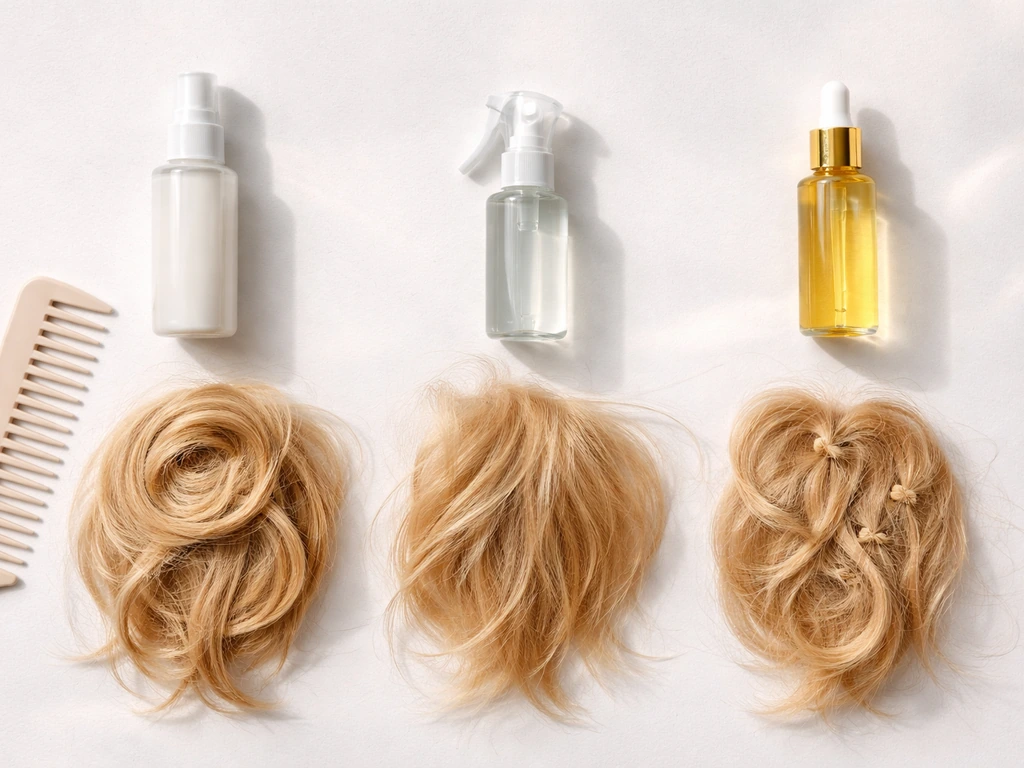
| Hair situation | Primary cause | Best immediate fix | Best prevention habit |
|---|---|---|---|
| Morning tangle after sleep | Friction from pillowcase/movement | Detangle damp with leave-in conditioner, work ends to roots | Satin pillowcase or sleep bonnet |
| Humid-weather frizz puff | Moisture uptake lifting cuticle | Smooth anti-humidity serum on damp hair before drying | Anti-humidity cream or serum as a styling base |
| Winter static flyaways | Low humidity, electrical charge buildup | Light serum or dryer sheet pass; add moisture with leave-in | More frequent deep conditioning; humidifier indoors |
| Stiff, coated, tangled hair | Product or mineral buildup | Clarifying shampoo wash followed by deep conditioner | Clarifying shampoo every 2 to 4 weeks |
| Post-wash knotting | Rough shampoo technique, no conditioner | Detangle gently while conditioner is still in, then rinse | Gentle scalp-only shampoo application; always follow with conditioner |
| Localized matted clump | Possible felted hair (plica neuropathica) | Do not force-detangle; apply conditioner and assess | See a dermatologist if it doesn't resolve or recurs |
FAQ
Can I detangle bird nest hair with a brush, or should I use a comb?
Yes, but the safest approach depends on how dry the tangles are. If the knots are already formed, mist the hair with water or a detangling spray, then apply conditioner to the tangled sections and work from the ends upward with a wide-tooth comb. Avoid brushing dry knots because it typically increases breakage and frizz.
What signs suggest it’s more than normal tangling (and could be felted hair)?
Look for true “felted” clumps. If you cannot separate sections even after adding conditioner and working slowly for several minutes, or the mat forms a dense, uniform patch that feels glued together, it may be plica neuropathica (felted hair) and may require a clinician to safely remove it.
Why does my hair tangle again quickly even after I condition it?
If you used conditioner and the hair is still stiff, coated, or repeatedly knots right after washing, hard-water mineral buildup or product residue is a common culprit. Use a clarifying shampoo every 2 to 4 weeks, focusing on the scalp and rinsing thoroughly, then return to your regular conditioning routine.
Is it okay to use a blow dryer or flat iron to fix bird nest hair faster?
Minimize heat until the knots are gone. Flat-ironing or blow-drying tangled, dry hair can lock the knot in place and increase snapped strands. Instead, detangle when damp, apply a heat protectant only after knots are removed, and use lower heat settings with careful sectioning.
What should I change if I wash but never use conditioner?
Not always. If your hair is already rough, static-prone, or coated, skipping conditioner can worsen tangling even if you use a moisturizing shampoo. A better rule is: shampoo gently, condition mid-lengths to ends, and add a leave-in only if your hair tends to feel dry between washes.
What protective hairstyles actually help, and will they make tangles worse?
Yes. Braiding or twisting before bed reduces movement between strands, which lowers overnight friction. If you do sleep with braids, keep them loose enough to avoid tension and re-tangle during the night, and detangle first so the braid does not start life already knotted.
How do I detangle bird nest hair on curly or coily hair without losing a lot of hair?
If you have very curly or coily hair, detangle while damp and use fingers or a wide-tooth comb to separate knots gently. Applying leave-in conditioner and using a “coat and finger” method (working product through with hands) often reduces the number of comb passes needed, which lowers breakage.
If I switch to a satin pillowcase, how fast should I expect improvement?
A satin or silk pillowcase helps, but the biggest impact comes from reducing friction and from keeping hair properly conditioned. If your tangles mostly happen in the morning, pair a smooth sleep surface with a loose, protected style and damp detangling, then assess after a week.
Can product buildup or dry shampoo cause the bird nest look even when I’m washing regularly?
Often. If you use dry shampoo frequently, heavy creams, or leave lots of product buildup near the roots or along the shaft, hair can become sticky and clump together. Consider spacing out dry shampoo, using lighter application, and doing occasional clarifying washes as needed.
How should my routine change between humid summer and dry winter indoors?
Watch the calendar and your indoor environment. In humid weather, prioritize anti-frizz or humidity-sealing products and avoid overloading with lightweight layers that can puff. In dry winter air, add moisture and use anti-static help so hair does not grab onto itself.
When should I stop trying home fixes and get a professional opinion?
If after a few weeks of gentle shampooing, consistent conditioning, damp detangling, and friction control (towel and sleep surface) you still get dense, unmanageable mats, it is worth seeing a dermatologist or trichologist. They can check for scalp issues and confirm whether the pattern suggests felted hair or another hair-structure problem.